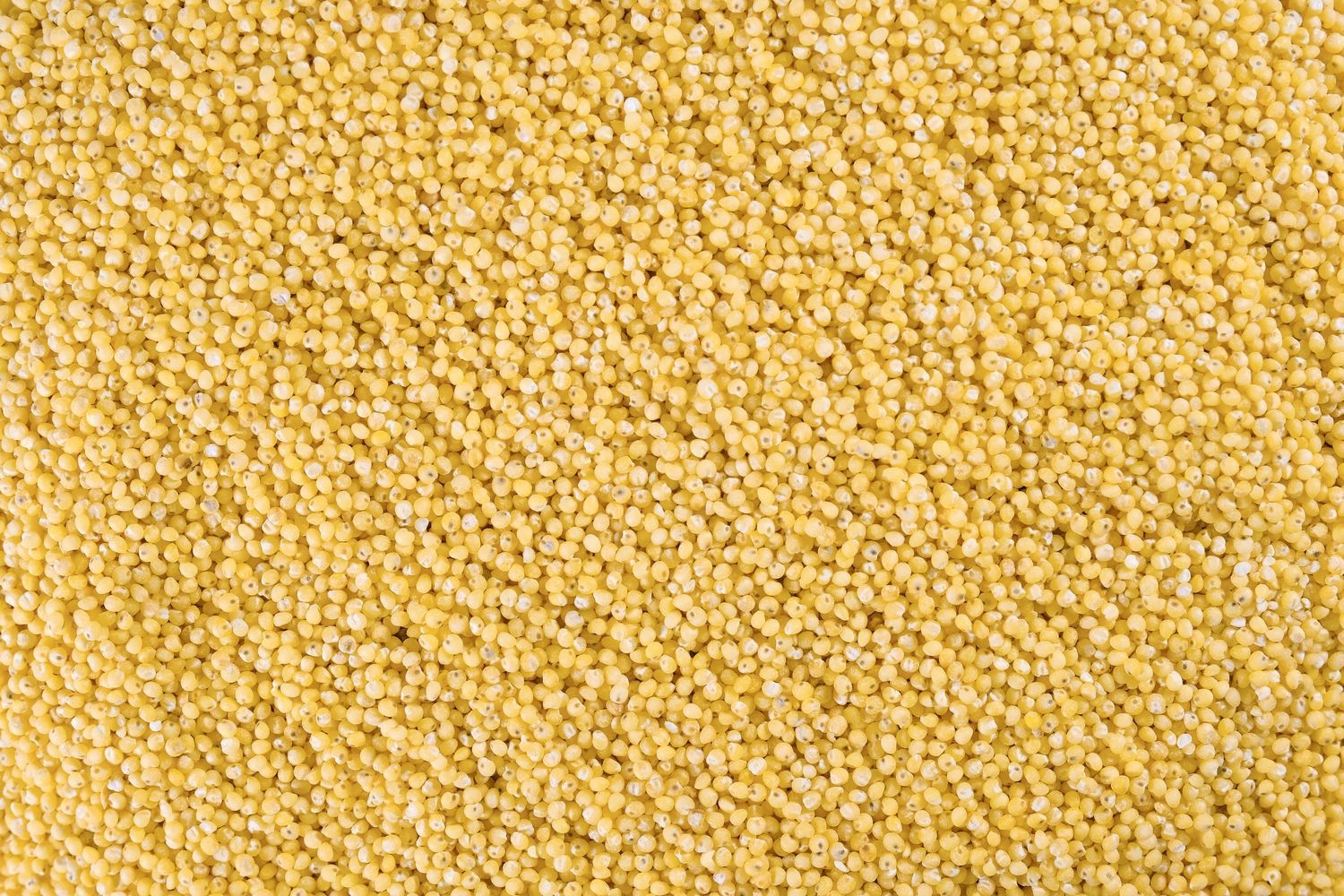

Millet farming has emerged as a beacon of hope, breathing life into rural communities around the world. In the face of climate change and economic challenges, this ancient grain offers a golden opportunity for empowering these communities through agriculture. Millets are hardy crops that can withstand adverse weather conditions, making them a reliable source of food and income for farmers. Moreover, the cultivation of millets requires minimal water and fertilizers, making it an environmentally sustainable choice. By embracing millet farming, communities are not only improving their livelihoods but also fostering resilience in the face of uncertainty.
The allure of millet farming lies in its potential to transform rural economies. In regions where arable land is scarce and farmers are grappling with dwindling yields, millets offer a glimmer of hope. These small grains pack a nutritional punch, providing communities with a rich source of essential nutrients such as iron, magnesium, and phosphorus. With increasing consumer demand for healthier, more sustainable food options, millets have become a sought-after commodity, opening up new markets and income streams for farmers. By tapping into this growing demand, rural communities have the opportunity to break free from the chains of poverty and forge a path toward prosperity.
However, the benefits of millet farming extend beyond economic empowerment. For many communities, these grains hold cultural and historical significance, representing a connection to their roots and traditions. By reviving millet farming practices, communities are preserving their heritage and passing down ancient knowledge to future generations. This sense of cultural pride and identity infuses a renewed sense of purpose into rural communities, fostering a deep sense of belonging and unity.
In addition to economic and cultural significance, millet farming plays a critical role in safeguarding the environment. Unlike resource-intensive crops, such as rice and wheat, millets thrive in low-input farming systems. By reducing the need for synthetic fertilizers and water, millet farming minimizes the strain on ecosystems and ensures sustainable agricultural practices. This ecological balance not only enhances soil fertility and water conservation but also contributes to biodiversity conservation. Thus, millet farming empowers rural communities not just economically, but also as stewards of the land, enabling them to play an active role in preserving the delicate equilibrium of our planet.
Nevertheless, the journey toward empowering communities through millet farming is not without its challenges. Traditional farming practices often lack access to modern infrastructure, markets, and technology. To bridge this gap, it is crucial to invest in rural infrastructure, provide training on improved farming techniques, and facilitate access to credit and markets. Furthermore, policy support from governments can play a pivotal role in creating an enabling environment that empowers farmers and encourages sustainable millet farming practices. By addressing these challenges head-on, we can unlock the true potential of millet farming and uplift rural communities in a holistic and sustainable manner.
In conclusion, millet farming has emerged as a powerful tool for empowering rural communities. From economic prosperity and cultural preservation to environmental sustainability, millets offer multiple avenues for transformation. By investing in millet farming, communities are not just growing grains but cultivating hope, resilience, and a brighter future for all. As we delve deeper into the topic, we will explore the success stories, the challenges that lie ahead, and the transformative power of this ancient yet modern agriculture practice in building thriving rural livelihoods.
The Importance of Millet Farming
Millet farming plays a crucial role in empowering rural communities through agriculture. Millets are highly nutritious, drought-tolerant, and can grow in diverse agro-ecological zones, making them a suitable crop for areas with limited water resources and unpredictable weather patterns. Additionally, millets are rich in essential nutrients such as iron, calcium, and fiber, contributing to improved food security and combatting malnutrition. By promoting millet farming, communities can achieve self-sufficiency in food production, diversify their income sources, and reduce their dependency on other crops.
Furthermore, millet farming offers various environmental benefits. These crops require minimal water, fertilizer, and pesticides, reducing the ecological footprint associated with agriculture. The implementation of millet farming practices can help protect soil health, preserve water resources, and contribute to climate change mitigation. As a result, investing in millet farming not only benefits communities directly through improved livelihoods but also ensures the sustainability of agricultural practices for future generations.
Opportunities for Economic Empowerment
Millet farming presents numerous opportunities for economic empowerment within rural communities. The cultivation, processing, and marketing of millets create additional income streams for farmers and local entrepreneurs. By engaging in these value chains, community members can develop skills, enhance productivity, and generate income beyond traditional farming practices. Moreover, the diversity of millet-based products, such as millet flour, porridge, and snacks, offers potential for innovation and entrepreneurship, enabling communities to tap into local and international markets.
Furthermore, millet farming can contribute to poverty reduction and social inclusion. The availability of diversified income sources and improved agricultural practices can help alleviate rural poverty and enhance the overall well-being of communities. Additionally, empowering women through millet farming can have a transformative effect on gender dynamics. Women often play significant roles in millet cultivation and processing, giving them more control over income, decision-making, and resource management. This empowerment contributes to a more equitable and inclusive society, fostering sustainable development within rural areas.
Preserving Cultural Heritage and Biodiversity
Millet farming not only empowers communities economically but also helps preserve cultural heritage and biodiversity. In many regions, millet is deeply rooted in local traditions, rituals, and cuisines. By promoting millet cultivation, communities can protect and revive their cultural practices, ensuring their preservation for future generations. The unique flavors and nutritional qualities of millets contribute to diverse and healthy diets, strengthening food security and cultural identity.
Additionally, millet farming supports the conservation of agricultural biodiversity. Unlike industrialized agriculture that often focuses on mono-cropping, millet farming preserves diverse crop varieties. This diversity contributes to the resilience of agro-ecosystems, mitigates the risks associated with pests or diseases, and maintains a broader genetic pool for crop improvement. By preserving local millet varieties, communities contribute to global efforts of safeguarding agricultural heritage and ensuring sustainable food systems.
Building Climate Resilience
Millet farming plays a crucial role in building climate resilience within rural communities. As climate change-induced challenges intensify, millets’ tolerance to drought, heat, and other extreme conditions becomes increasingly valuable. By promoting millet cultivation, communities are better equipped to cope with climatic uncertainties and mitigate risks associated with crop failure. This resilience allows farmers to maintain their livelihoods, food security, and economic stability, even in the face of adverse weather events.
Moreover, millet farming contributes to climate change adaptation by reducing greenhouse gas emissions. Compared to intensive agriculture, millet cultivation requires fewer inputs such as water, fertilizer, and energy-intensive machinery, resulting in lower carbon footprints. Additionally, the deep root systems of millet crops enhance soil carbon sequestration, contributing to natural climate solutions. By adopting climate-smart farming practices and promoting millet cultivation, communities are actively contributing to global efforts to combat climate change.
Enhancing Food Security and Nutrition
Millet farming is a critical component in enhancing food security and nutrition within rural communities. Due to its nutritional composition, cultivation of millets contributes to diverse and balanced diets, particularly for vulnerable populations such as children and pregnant women. The inherent resilience of millets allows for stable food production, even under challenging agro-climatic conditions, ensuring a consistent food supply throughout the year.
Furthermore, the cultivation of millets promotes dietary diversity, combating malnutrition and micronutrient deficiencies. Millets are rich in essential vitamins, minerals, and dietary fiber, providing numerous health benefits and preventing diet-related diseases. By incorporating millet in local food systems, communities improve their nutritional status and reduce the prevalence of malnutrition, contributing to healthier and more prosperous societies.
Challenges and the Way Forward
Despite the numerous benefits, millet farming also faces several challenges. Limited access to finance, market linkages, and inadequate infrastructural facilities hinder the growth of millet-based value chains. Insufficient research and development support further constrain the adoption of improved millet farming practices. To overcome these challenges, it is crucial to facilitate the inclusion of millets in national agricultural policies, provide financial support, and strengthen technical assistance to farmers and local communities.
Collaboration between governments, non-governmental organizations, research institutions, and communities is essential for promoting millet farming and empowering rural livelihoods. Investing in research and innovation can lead to improved high-yielding millet varieties, pest and disease management strategies, and post-harvest processing techniques. Building the capacity of farmers through training programs and knowledge sharing initiatives can enhance productivity and enhance socio-economic outcomes. By addressing these challenges and focusing on sustaining millet farming, communities can continue to benefit from its potential and contribute to sustainable development.
Summary
Millet farming is becoming a vital source of hope and empowerment for rural communities worldwide. Millets are hardy crops that can withstand adverse weather conditions, making them a reliable source of food and income for farmers. They require minimal water and fertilizers, making them an environmentally sustainable choice. Millet farming has the potential to transform rural economies by providing nutritious grains and opening up new markets and income streams. It also holds cultural and historical significance, preserving heritage and passing down ancient knowledge. Additionally, millet farming plays a critical role in safeguarding the environment by reducing the strain on ecosystems. However, traditional farming practices face challenges such as lack of modern infrastructure, markets, and technology. Investment in rural infrastructure, improved farming techniques, and policy support can empower farmers and encourage sustainable millet farming practices, unlocking the true potential of this ancient yet modern agriculture practice.
FAQ
What is millet farming and how does it contribute to rural livelihoods?
Millet farming is the cultivation of various types of millet crops, such as pearl millet, foxtail millet, and finger millet. Millets are known for their nutritional value and ability to grow in arid and marginal lands, making them important crops for sustainable agriculture. Millet farming plays a crucial role in empowering rural communities by providing them with a source of income and food security. The cultivation of millets can generate employment opportunities, especially for marginalized farmers, and enhance their economic well-being. Additionally, millet farming contributes to ecosystem biodiversity and resilience, as these crops require fewer pesticides, fertilizers, and water compared to other staple crops.
What are the advantages of millet farming for rural communities?
Millet farming offers several advantages for rural communities. Firstly, millets are resilient crops that can withstand adverse climatic conditions, such as drought or poor soil quality, making them suitable for cultivation in various regions. This resilience ensures a more stable income for farmers, mitigating the risks associated with fluctuations in weather patterns. Moreover, millets are highly nutritious, rich in protein, fiber, and micronutrients, making them an important component of a diverse and healthy diet. As a result, millet consumption can contribute to improved food security and reduced malnutrition rates in rural areas. Furthermore, millet farming practices often involve traditional knowledge and techniques, preserving cultural heritage and promoting intergenerational learning within communities.
Are there any challenges associated with millet farming and rural livelihoods?
While millet farming offers many benefits, it is not without its challenges. One major obstacle is the lack of infrastructure and market access for millet farmers. Limited transportation facilities and poor storage facilities can lead to post-harvest losses and discourage farmers from investing in millet cultivation. Additionally, there is often limited knowledge and awareness about the nutritional benefits of millets, leading to a reduced demand for these crops in urban areas. Furthermore, the younger generation in rural communities may perceive millet farming as less lucrative compared to other occupations, resulting in a decline in the number of people pursuing agriculture. Overcoming these challenges requires efforts to improve infrastructure, raise awareness about the nutritional value of millets, and provide support for young farmers.
How can empowering communities through millet farming contribute to sustainable development?
Empowering communities through millet farming contributes to sustainable development in several ways. Firstly, millet farming aligns with the principles of agroecology and sustainable agriculture, emphasizing the use of natural resources efficiently and promoting biodiversity conservation. The cultivation of millets requires minimal external inputs such as synthetic fertilizers or pesticides, reducing pollution and environmental degradation. Secondly, millet farming helps to strengthen local economies by generating income for rural communities, reducing rural-urban migration, and enhancing overall socioeconomic well-being. This, in turn, contributes to poverty reduction and promotes inclusive growth. Lastly, millet farming empowers women, who often play a crucial role in the cultivation and processing of millets. By enhancing their participation in the agricultural sector and providing access to resources, women’s empowerment and gender equality can be fostered, leading to more resilient and prosperous communities.