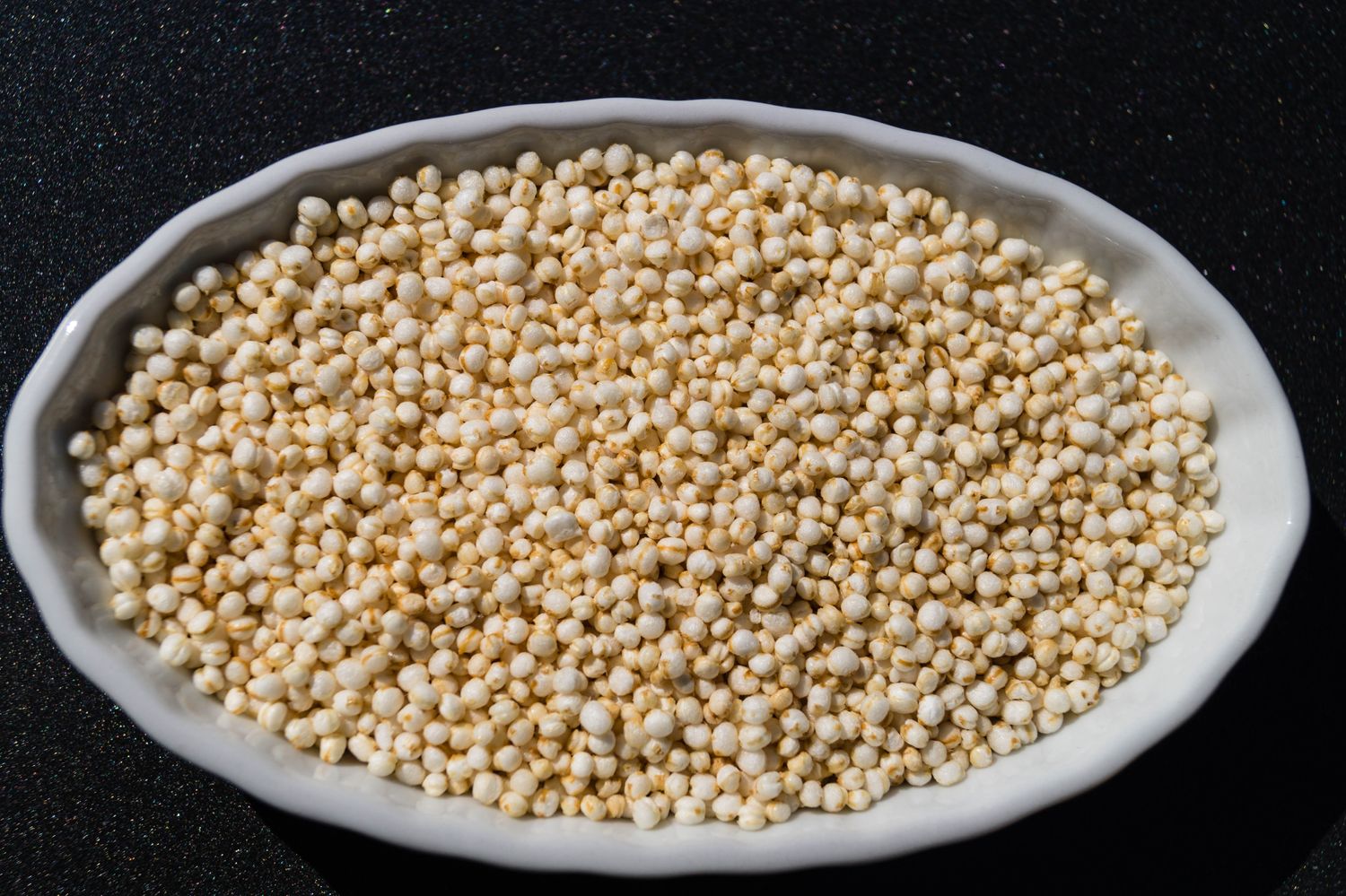
Millet is a fascinating grain that has been a staple food for millennia in various parts of the world. It is known for its hardy nature, adaptability to diverse climates, and high nutritional value. Recently, there has been a growing interest in understanding the health benefits of consuming different types of millets. One area of particular interest is their antioxidant properties. Antioxidants are compounds that help protect our bodies from the harmful effects of free radicals, unstable molecules that can damage cells and contribute to chronic diseases. By investigating the antioxidant properties of different types of millets, researchers hope to shed light on their potential role in promoting human health.
To embark on this exploration, scientists have delved into a range of millet varieties, each possessing unique characteristics and nutritional profiles. This study aims to compare and contrast these diverse grains to better comprehend their individual antioxidant potential. Through meticulous experiments and rigorous analysis, researchers aim to unravel the secrets hidden within these tiny grains and determine whether certain types of millets may have a more pronounced impact on human health.
While millet has been consumed for centuries, there is limited scientific research on its antioxidant properties. This article seeks to bridge that gap by aggregating existing studies and exploring recent developments in the field. By consolidating this valuable information, we can gain a comprehensive understanding of how the antioxidant content in different types of millets varies, and how these differences may impact their potential health benefits.
Antioxidants play a vital role in maintaining overall health and well-being, as they help neutralize the damaging effects of free radicals. Research has shown that consuming foods rich in antioxidants may reduce the risk of chronic diseases such as heart disease, cancer, and some neurodegenerative disorders. By investigating the antioxidant properties of different types of millets, we hope to identify potential dietary interventions that can support human health and prevent the onset of these ailments.
Moreover, this study will not only provide valuable insights into the antioxidant properties of millets but also shed light on the potential benefits they may offer as an alternative or supplementary staple food. Given their resilience, low water requirements, and ability to grow in arid regions, millets have the potential to be a sustainable and economical source of nutrition for millions of people globally.
Ultimately, through this investigation, we aim to contribute to the growing body of knowledge surrounding millets and their potential impact on human health. By examining their antioxidant properties, we hope to unlock the key to their nutritional value and pave the way for further research and development in utilizing these ancient grains for a healthier future.
Introduction
Explanation of the importance of antioxidants in maintaining good health, and the increasing interest in exploring the antioxidant properties of various natural sources, including millets. Mention the objective of the study: to investigate and compare the antioxidant properties of different types of millets.
Paragraph providing a brief overview of millets, discussing their nutritional value, and their popularity as a staple food in many regions around the world. Emphasize the need for scientific research to understand the specific health benefits of different types of millets, including their antioxidant properties.
The Role of Antioxidants in Health
Discussion on the concept of oxidation and its role in the development of various diseases, including chronic conditions like cardiovascular diseases, cancer, and neurodegenerative disorders. Explain how antioxidants help neutralize harmful free radicals and protect cells from oxidative damage, potentially reducing the risk of these diseases.
Elaboration on the common sources of antioxidants in our diet, including fruits, vegetables, and whole grains. Mention the potential role of millets as a rich source of antioxidants due to their unique composition, including phenolic compounds, flavonoids, and vitamins.
Millets: Types and Nutritional Composition
Introduction to the different types of millets commonly consumed, such as pearl millet, finger millet, foxtail millet, and sorghum. Discuss their diverse nutritional composition, including high fiber content, essential minerals (iron, magnesium, phosphorus), and vitamins (thiamine, niacin).
In-depth explanation of the phytochemicals present in millets that exhibit antioxidant activity, such as phenolic acid, flavonoids, and certain vitamins. Emphasize the potential health benefits associated with these phytochemicals, including their anti-inflammatory and anticancer properties.
Methods of Investigating Antioxidant Properties
Explanation of the methodology employed to investigate the antioxidant properties of different types of millets. Discuss the extraction of bioactive compounds from the millet samples, followed by various tests used to determine their antioxidant activity, such as DPPH (2,2-diphenyl-1-picrylhydrazyl) assay, FRAP (ferric reducing antioxidant power) assay, and ORAC (oxygen radical absorbance capacity) assay.
Discussion on the statistical analysis used to compare the antioxidant activities of various millets, highlighting the significance of obtaining reliable results to draw valid conclusions regarding their potential as antioxidant sources.
Results and Findings
Presentation of the findings obtained from the experiments conducted on different types of millets. Compare the antioxidant activities of various millets based on the results obtained from the different antioxidant assays.
Discussion on the factors that may contribute to the variation in antioxidant activity among different types of millets, such as variations in their phytochemical composition, processing techniques, and environmental factors.
Potential Health Benefits and Implications
Explanation of the potential health benefits associated with consuming millets with high antioxidant properties. Discuss how the identified antioxidant molecules in millets may contribute to the prevention of oxidative stress-related diseases, supporting overall health and well-being.
Elaboration on the significance of incorporating millets into a balanced diet, especially for populations at risk of chronic diseases. Highlight the need for further research to explore the long-term effects of millet consumption and identify the most effective ways to incorporate them into various dietary patterns.
Conclusion
Summarize the key findings of the study, highlighting the antioxidant properties of different types of millets and their potential as a natural source of antioxidants. Reflect on the importance of further research in this area to unlock the full potential of millets in promoting health and preventing chronic diseases.
Summary
Millet is a versatile grain with a long history as a staple food. It is known for its ability to thrive in different climates and its high nutritional value. Researchers are increasingly interested in studying the antioxidant properties of different types of millets. Antioxidants help protect the body from free radicals, which can cause cell damage and chronic diseases. This study aims to compare and understand the antioxidant potential of various millet varieties. By consolidating existing research, we can gain a better understanding of the variations in antioxidant content in millets and their potential impact on health. Millets also have the potential to be a sustainable and affordable source of nutrition globally.
FAQ
Why is it important to investigate the antioxidant properties of different types of millets?
It is important to investigate the antioxidant properties of different types of millets because antioxidants play a crucial role in maintaining our overall health. They help protect our body cells from damage caused by harmful free radicals and oxidative stress. By studying various millet varieties, researchers can determine which types contain higher levels of antioxidants. This information can guide us in making informed dietary choices to improve antioxidant intake, which may help prevent chronic diseases such as cardiovascular diseases, cancer, and diabetes. Moreover, understanding the antioxidant capacity of different millets can contribute to the development of functional foods or nutraceuticals with enhanced health benefits.
How can we investigate the antioxidant properties of different types of millets?
To investigate the antioxidant properties of different types of millets, various methods can be employed. One common approach is to measure the total antioxidant capacity using biochemical assays such as the ABTS (2,2′-azino-bis(3-ethylbenzothiazoline-6-sulfonic acid)) and DPPH (2,2-diphenyl-1-picrylhydrazyl) assays. These assays assess the ability of millet samples to scavenge free radicals and prevent their harmful effects. Additionally, researchers can employ techniques such as high-performance liquid chromatography (HPLC) or gas chromatography-mass spectrometry (GC-MS) to identify and quantify specific antioxidant compounds, such as phenolic acids and flavonoids, present in millets. Furthermore, in vitro cell-based assays can be conducted to evaluate the antioxidant properties of millet extracts by assessing their protective effects against oxidative damage in human cells or animal models.
What are the potential benefits of consuming millets with high antioxidant properties?
Consuming millets with high antioxidant properties can offer numerous benefits for our health. Antioxidants are known to help neutralize free radicals, which are unstable molecules that can cause cellular damage. By incorporating millets rich in antioxidants into our diet, we can potentially reduce the risk of chronic diseases linked to oxidative stress, including neurodegenerative diseases, cancer, and cardiovascular diseases. Additionally, antioxidants play a significant role in boosting our immune system, which can help protect against various infections and diseases. The consumption of millets with high antioxidant properties may also aid in managing inflammation, improving digestion, and promoting overall well-being.
Are there differences in antioxidant properties among various types of millets?
Yes, there are differences in the antioxidant properties among various types of millets. Millets are genetically diverse and differ in their nutritional composition, including antioxidant compounds. Studies have shown that different millet varieties exhibit variations in their total antioxidant capacity, phenolic content, and flavonoid content. For example, finger millet (Eleusine coracana) and pearl millet (Pennisetum glaucum) have been found to possess higher antioxidant capacity compared to other millets like foxtail millet (Setaria italica) and barnyard millet (Echinochloa spp.). However, specific antioxidant compounds can vary among millet types, with some varieties showing higher levels of certain compounds such as ferulic acid or quercetin. These variations highlight the importance of investigating and understanding the antioxidant properties of different types of millets to make informed choices about our dietary habits.