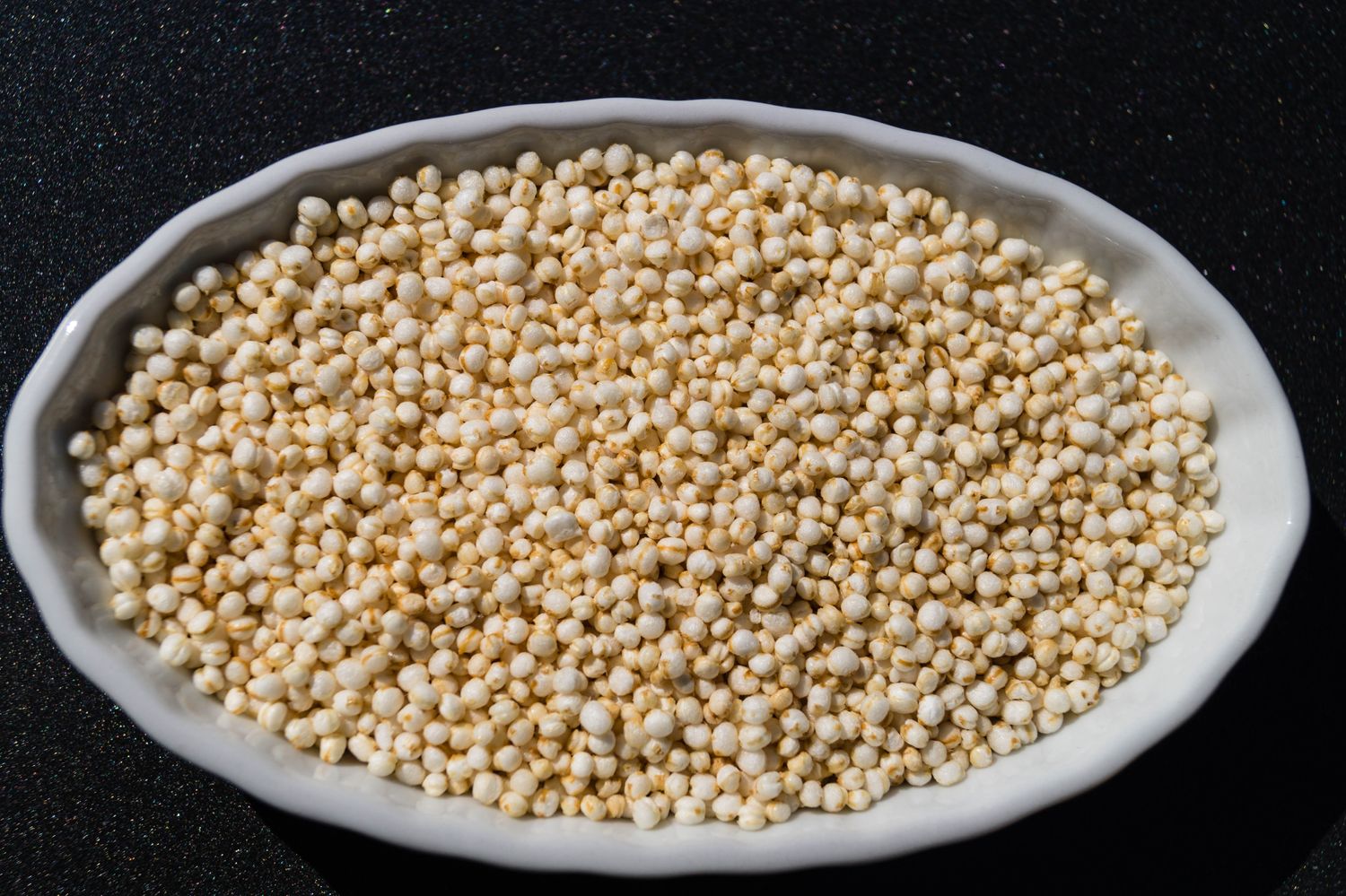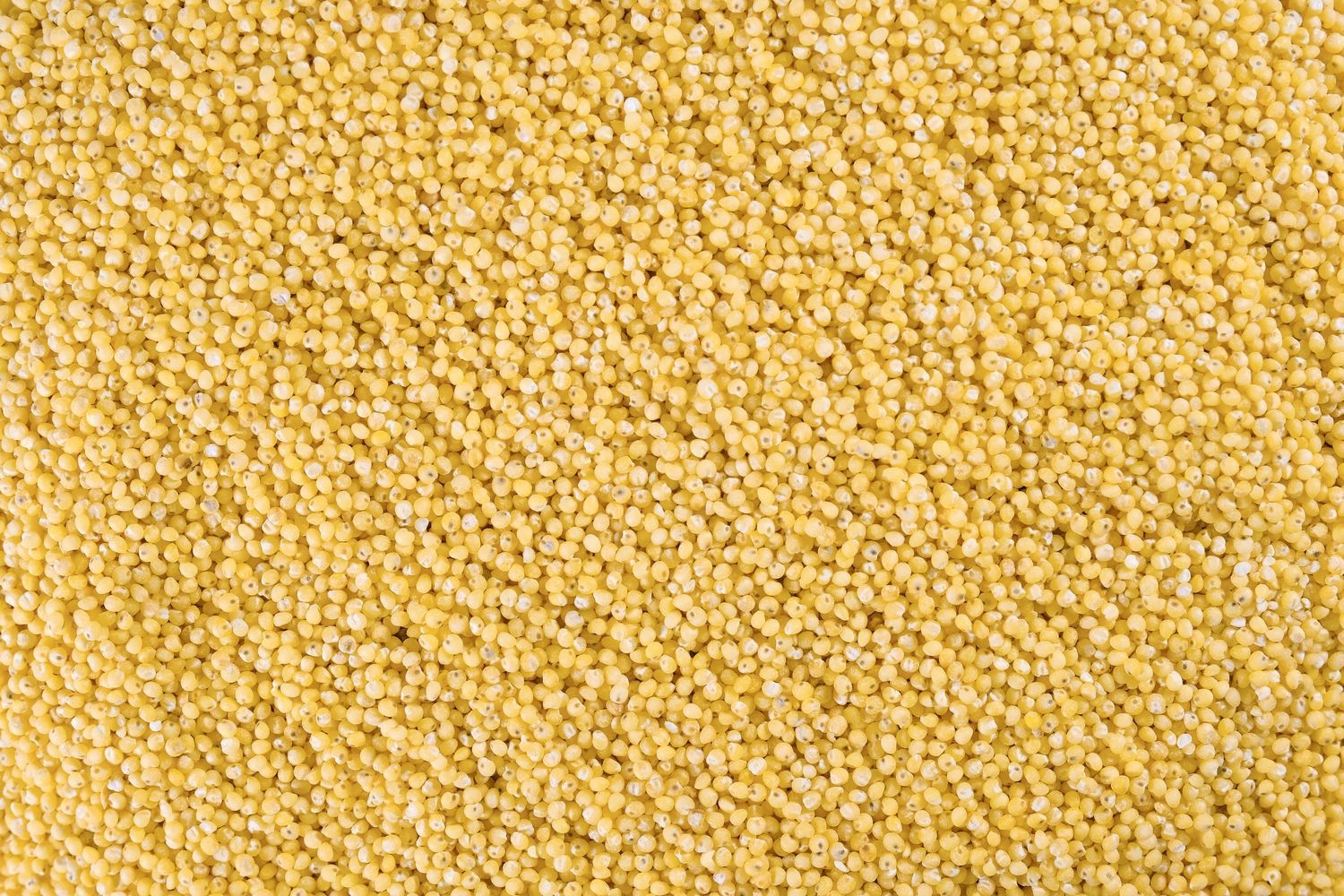

Are you a parent searching for wholesome and nutritious options for your child’s special dietary needs? Look no further than millet! This humble grain has been hailed for its outstanding health benefits and versatility in the kitchen. In this article, we will explore the numerous ways you can incorporate millet into your child’s diet, whether they follow a gluten-free, plant-based, or any other special dietary plan. From hearty breakfast porridges to delectable millet-based snacks, you will be inspired by the exciting range of possibilities that millet offers. So, let’s dive right in and explore this ancient grain that’s perfect for your little one’s needs.
When it comes to introducing millet into your child’s diet, starting with the most important meal of the day is always a great idea. A warm and nourishing bowl of millet porridge can be a fantastic way to begin your child’s culinary adventure. This comforting dish not only provides a hearty start to the day but also boasts a rich nutritional profile. Packed with essential vitamins, minerals, and fiber, millet porridge will keep your child energized and satisfied until lunchtime. Plus, it is incredibly easy to make by simply simmering millet in water or milk and flavoring it with their favorite ingredients like fruits, nuts, or cinnamon.
Variety is the spice of life, and it’s certainly true when it comes to our children’s eating habits. If you’re looking for more innovative ways to incorporate millet, why not consider millet flour? This gluten-free alternative to wheat flour can be used in an array of recipes, from bread and muffins to pancakes and pizza crusts. By replacing traditional flour with millet flour, you can provide your child with a nutrient-packed option that is gentle on their digestive system.
We all know that children love snacks, and sometimes finding nutritious options can be a challenge. Fear not, as millet can come to the rescue yet again! With a little creativity, you can whip up delicious millet-based snacks that your child will adore. How about crispy millet bars, packed with dried fruits and seeds? Or perhaps some savory millet crackers that are perfect for dipping into their favorite healthy spreads? These snacks not only offer a satisfying crunch, but they also boast the nutritional benefits of millet, making them a win-win solution for both taste and health.
It’s no secret that pasta is a beloved staple in many children’s diets. Thankfully, you can now introduce a healthier twist to this classic dish by opting for millet-based pasta. Made from a combination of millet flour and other gluten-free ingredients like rice or quinoa, millet pasta offers a nutritious alternative that still pleases the taste buds. With a similar texture to traditional pasta, it can be cooked and enjoyed as part of your child’s favorite pasta dishes, guilt-free.
Incorporating millet into your child’s special dietary needs doesn’t stop at just meals and snacks. You can also infuse this versatile grain into their dessert options. How about treating them to a delectable millet pudding? Simply cook millet with milk, coconut milk, or a dairy-free alternative and sweeten it with natural sweeteners like maple syrup or honey. Add flavors like vanilla, cocoa powder, or fresh fruits to create a delightful dessert that your child will eagerly anticipate after every meal.
When it comes to catering to your child’s dietary needs, millet truly shines. Its adaptability and nutritional value make it an ideal addition to any meal, ensuring that your child receives the right balance of nutrients while enjoying their favorite dishes. So, why not embark on a millet-filled culinary adventure with your little one? Introduce them to the wonders of millet porridge, the flavors of millet-based snacks, and the healthier alternatives such as millet pasta. This ancient grain holds the power to revolutionize your child’s diet, one delicious meal at a time.
What Are Special Dietary Needs?
Special dietary needs refer to specific requirements individuals have regarding their diet due to medical conditions or allergies. These needs often demand careful consideration and planning to ensure the individual receives adequate nutrition while avoiding harmful substances or ingredients. For children with special dietary needs, it is crucial to provide balanced meals that meet their nutritional requirements, promoting healthy growth and development.
One ingredient that can be beneficial when incorporating it into your child’s special dietary needs is millet. Millet is a highly nutritious grain that offers various health benefits. It is gluten-free, easy to digest, packed with essential vitamins and minerals, and is a great source of dietary fiber. By including millet in your child’s diet, you can enhance their nutrient intake and offer them new flavors and textures to explore. Let’s explore how you can incorporate millet into your child’s meals while addressing their specific dietary needs.
The Benefits of Millet for Children with Special Dietary Needs
Millet has various advantages for children with special dietary needs. Being gluten-free, it is an excellent option for individuals with celiac disease or gluten sensitivities. Additionally, millet is rich in iron, phosphorus, and magnesium, which are vital for healthy growth and development. It is also considered a whole grain, making it a good source of dietary fiber that aids digestion and prevents constipation.
Furthermore, millet contains essential amino acids like lysine and tryptophan, which are important for brain development and mood regulation. Its antioxidant properties contribute to boosting the immune system, while the high protein content supports muscle growth. Adding millet to your child’s diet can be an effective way to provide essential nutrients while diversifying their meals.
Introducing Millet into Your Child’s Diet
When introducing millet into your child’s diet, it is crucial to start gradually. Begin by offering small amounts alongside familiar foods to ensure acceptance. Millet can be incorporated in various forms, including as a side dish, in soups, stews, or even as a substitute for rice or quinoa in recipes.
To prepare millet, rinse it thoroughly before cooking to remove any debris. Use a ratio of 2 cups of liquid (water or broth) to 1 cup of millet. Combine the millet and liquid in a saucepan and bring to a boil. Reduce heat, cover, and simmer for approximately 20 minutes or until the millet becomes fluffy. You can season it with herbs, spices, or vegetables to enhance the taste.
Millet Recipes for Children with Special Dietary Needs
There are several delicious millet recipes that your child with special dietary needs may enjoy. One option is millet porridge, a warm and comforting breakfast dish. To prepare it, cook millet with milk or dairy-free alternatives, such as almond milk, until it reaches a creamy consistency. Serve the porridge with toppings like fresh fruits or a drizzle of honey.
Another idea is to incorporate millet into homemade energy bars. Mix cooked millet with nuts, seeds, and dried fruits. Press the mixture into a baking dish, refrigerate until firm, and cut into bars. These snacks provide a nutrient-rich alternative to store-bought options.
Consultation with a Dietitian
Before making significant changes to your child’s diet, it is important to consult with a dietitian or healthcare professional experienced in pediatric nutrition. They can provide personalized guidance and recommendations tailored to your child’s specific dietary needs, ensuring a balanced and nutritious diet.
A dietitian will consider your child’s individual requirements, food preferences, and allergies or intolerances to help you incorporate millet or any other ingredients appropriately. Working together with a professional will optimize the nutritional benefits of millet while addressing your child’s special dietary needs.
Making Healthy Eating Enjoyable
Remember, the key to making any dietary change successful for your child is to make it enjoyable. Incorporating millet into their meals should not be a source of stress or conflict. Involve your child in the meal planning and preparation process, allowing them to choose millet recipes they find appealing.
You can make mealtime exciting by presenting meals in creative ways, using colorful ingredients, and incorporating various textures. By providing a positive and supportive environment, you can encourage your child to develop healthy eating habits while embracing new foods such as millet.
Summary
Millet is a wholesome and nutritious grain that can be a great addition to your child’s diet. It is versatile and can be incorporated into various meals, snacks, and desserts. Starting the day with millet porridge can provide a hearty and nutritious breakfast option. Millet flour can be used as a gluten-free alternative in recipes like bread, muffins, and pizza crusts. Millet-based snacks, such as bars and crackers, are delicious and nutritious options for children. Millet pasta is a healthier twist to traditional pasta, and millet pudding can be a tasty dessert option. Overall, millet offers a range of possibilities to cater to your child’s dietary needs and ensure they receive the right nutrients while enjoying their favorite dishes.
FAQ
Can millet be safely incorporated into my child’s special dietary needs?
Yes, millet can be a great addition to your child’s special dietary needs. Millet is a gluten-free grain that is highly nutritious, making it an excellent choice for children who have gluten sensitivities or intolerances. It is also packed with essential vitamins and minerals, such as magnesium, phosphorus, and B vitamins, which are important for proper growth and development in children. Millet can be easily prepared in various ways, from porridge to pilaf, and can be added to soups, stews, or baked goods, allowing you to introduce it in a way that suits your child’s preferences and dietary restrictions.
Is millet a good source of protein for my child?
While millet does contain protein, it is not considered a complete protein source on its own. However, it can still be a valuable component of your child’s dietary needs. Combining millet with other protein-rich foods, such as legumes, tofu, or lean meats, can help ensure that your child receives all the essential amino acids necessary for growth and development. Additionally, incorporating millet into a balanced meal plan that includes a variety of foods will help meet your child’s overall protein requirements.
Can millet help with managing my child’s blood sugar levels?
Yes, millet can be beneficial for children who need to manage their blood sugar levels. Millet is a complex carbohydrate that is digested more slowly compared to refined grains, leading to a gradual release of glucose into the bloodstream. This slow release can help maintain stable blood sugar levels, which is especially important for children with conditions like diabetes or insulin resistance. Moreover, millet has a low glycemic index, meaning it has less of an impact on blood sugar compared to refined grains. However, it is important to monitor portion sizes and consider the overall meal composition to maintain stable blood sugar levels.
Is millet safe for children with food allergies?
Millet is generally considered safe for most children with food allergies, as it is a gluten-free and non-allergenic grain. However, it is essential to be cautious and assess your child’s individual sensitivities. Some individuals with grain allergies may still be sensitive to millet. It is recommended to introduce millet gradually and monitor your child for any adverse reactions. If you suspect an allergy or have concerns, consult with a healthcare professional or allergist before incorporating millet into your child’s diet. They can provide guidance and perform any necessary tests to ensure your child’s safety and well-being.