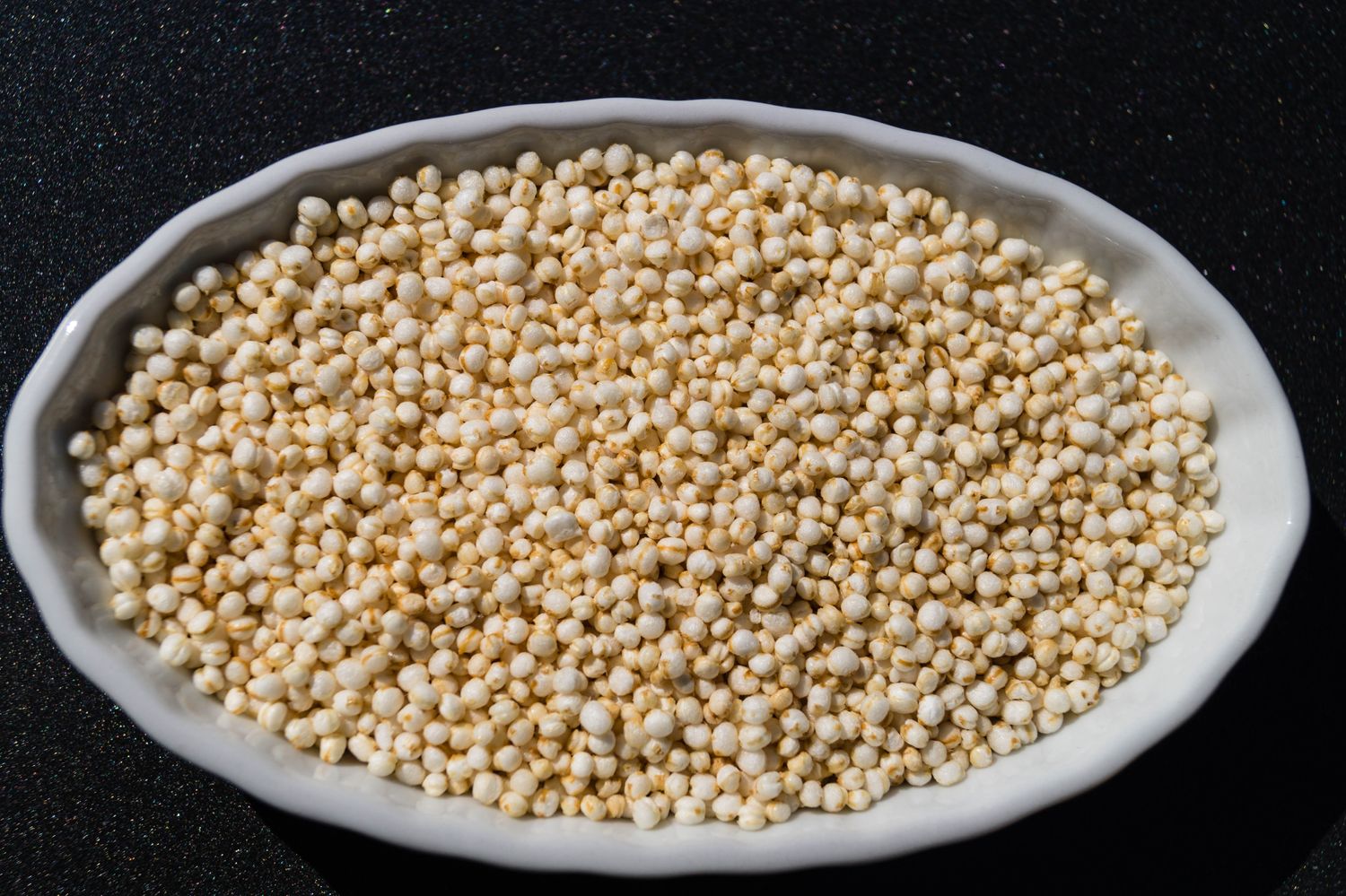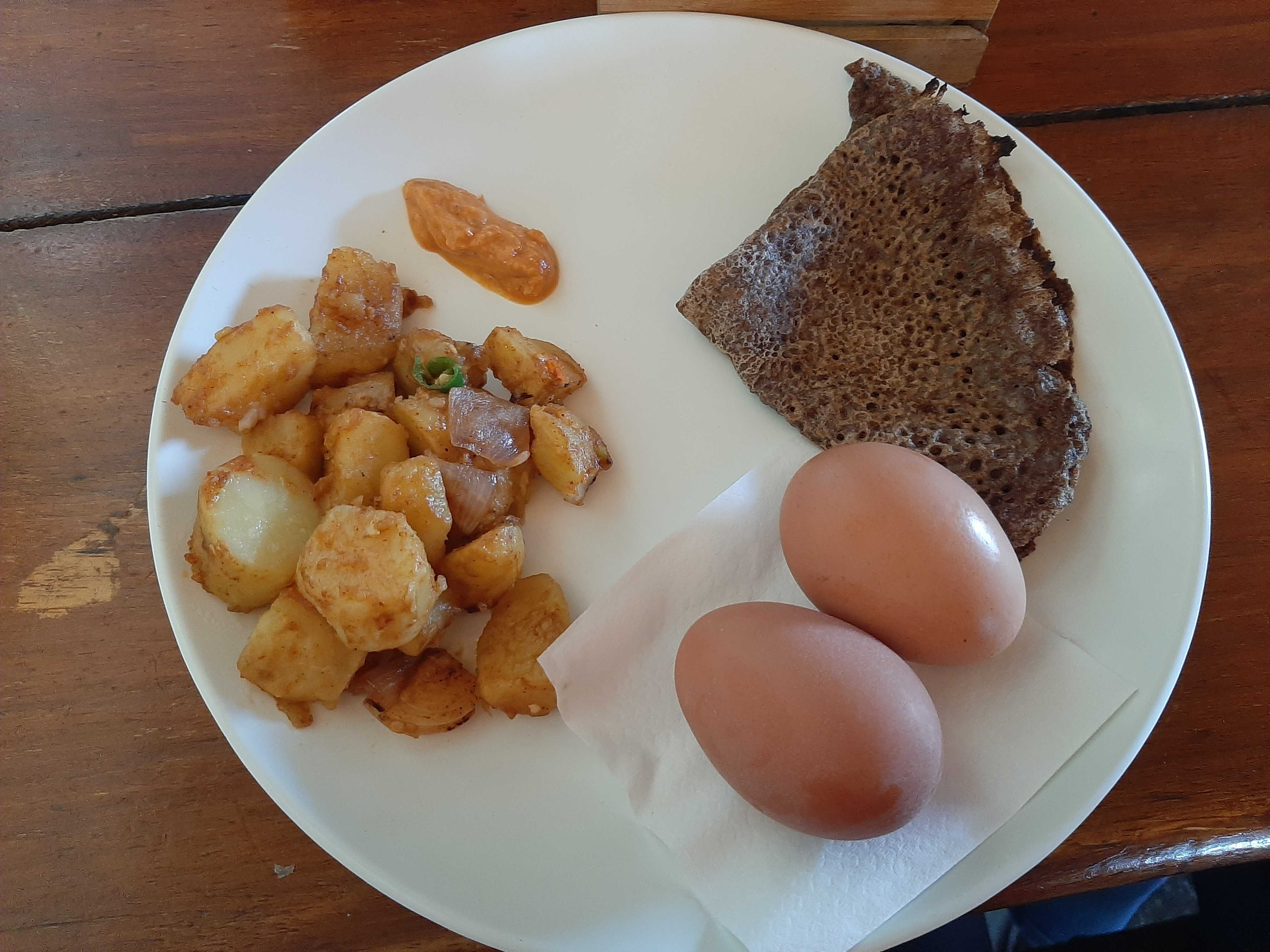
Millets, a group of small-seeded grains, have been a staple food in many cultures for centuries. Despite their rich history and numerous health benefits, they have taken a backseat in modern diets, mainly due to the dominance of other cereals like rice and wheat. However, as people become more health-conscious and seek alternatives to refined grains, millets are now experiencing a well-deserved resurgence. If you’re looking to add a healthy twist to your daily meals, incorporating millets into your everyday diet could be just the thing you need.
One of the greatest advantages of millets is their versatility. These gluten-free grains come in a variety of types, including pearl millet, finger millet, and sorghum. Each type has its unique flavor profile and culinary characteristics, making them a perfect fit for a wide range of different dishes. Whether you’re a fan of savory dishes or have a sweet tooth, millets can be effortlessly integrated into your favorite recipes, ensuring there’s something for everyone to enjoy.
Beyond their versatility, millets boast an impressive nutritional profile. Packed with essential nutrients like fiber, protein, and minerals, these tiny grains can contribute to a well-rounded and balanced diet. For those looking to manage their weight, millets can be an excellent option as they are low in calories and have a low glycemic index. This means they provide a sustained release of energy, assisting in blood sugar regulation and reducing the risk of diabetes.
Incorporating millets into your everyday diet doesn’t have to be intimidating or complicated. While millets may be unfamiliar to many, they can easily become a part of your culinary repertoire. Start by substituting refined grains with millets in your recipes. For instance, swap rice with foxtail millet or quinoa, or replace wheat flour with finger millet flour in your baking. These simple swaps can make a significant difference in the nutritional value of your meals without sacrificing taste or enjoyment.
Furthermore, exploring traditional recipes from regions where millets have been a dietary staple can provide you with a rich array of flavors and cooking techniques. From the delectable ragi mudde of Karnataka to the comforting pearl millet porridge called bajra khichdi in Rajasthan, these regional recipes offer a glimpse into the diverse possibilities of incorporating millets into your everyday meals. Learning from diverse cultural traditions not only broadens our culinary horizons but also allows us to appreciate the value of these forgotten superfoods.
Moreover, don’t be afraid to get creative in the kitchen and experiment with new ideas. Millets can be used in a variety of dishes, from simple salads and hearty stews to indulgent desserts and even breakfast options. Try making a nutrient-packed millet salad with roasted vegetables and a tangy dressing, or whip up a delicious bowl of millet porridge topped with fresh fruits and nuts in the morning. The possibilities are endless, and you might just stumble upon your new favorite recipe along the way.
As you embark on your millet-filled culinary journey, remember that incorporating these ancient grains into your everyday diet is not only a step towards better health but also a celebration of cultural diversity and sustainability. By choosing millets, you’re not only nourishing your own body but also supporting local farmers and preserving agricultural practices that have stood the test of time. So why not give these underestimated grains a chance to shine on your plate and revolutionize how you approach your everyday meals?
1. Introduction to Millets
Millets are small-seeded grains that have been cultivated for thousands of years. They are highly nutritious and offer numerous health benefits. These gluten-free grains are rich in essential minerals like iron, calcium, and magnesium, as well as vitamins, fiber, and antioxidants. Incorporating millets into your diet can help promote better digestion, manage diabetes, and contribute to weight management.
Despite their numerous health benefits, millets are often overlooked in modern diets. In this article, we will explore different ways to incorporate millets into your everyday diet, ensuring a healthier and more diverse range of grains on your plate.
2. Millet Flour for Baking
Millet flour, derived from ground millet grains, is a fantastic alternative to wheat flour for those who are gluten intolerant or simply looking for a healthier option. It has a slightly nutty flavor, making it a great addition to baked goods like bread, muffins, and cookies. You can easily replace a portion of the wheat flour in any recipe with millet flour, making your baked goods tastier and more nutritious.
Besides being gluten-free, millet flour is also rich in fiber, protein, and essential nutrients. It offers a higher nutritional value compared to traditional wheat flour, making it an excellent choice for those looking to improve their overall diet.
3. Millet Porridge for a Nutritious Breakfast
Starting your day with a nutritious breakfast is essential, and millet porridge is an excellent option. Just like oatmeal, millet porridge is easy to prepare and can be customized with various toppings, such as fresh fruits, nuts, and honey. Simply cook millets in water or milk until they become soft and creamy.
Millet porridge is not only a delicious and filling breakfast, but it also provides a steady release of energy throughout the morning. Its high fiber content aids in digestion, while the essential nutrients present in millets help repair and rejuvenate body cells.
4. Millets in Salads and Bowls
Adding millets to your salads and bowls is an excellent way to incorporate these nutritious grains into your everyday diet. Cooked millets can be mixed with vegetables, legumes, and your choice of dressing to create a flavorful and wholesome meal.
Millets provide a great alternative to rice or pasta in salads and bowls, offering a chewy texture and nutty taste. Additionally, their high fiber content keeps you feeling full for longer, aiding in better portion control and weight management.
5. Millet-based Snacks and Granola Bars
Snacking can be healthy and enjoyable with the addition of millet-based snacks and granola bars. Incorporating millet flakes or puffed millets into homemade granola bars and energy balls not only adds texture but also boosts the nutritional value.
Millet-based snacks are easy to make and require few ingredients. They are a great option for those looking to replace heavily processed and sugary snacks with more wholesome alternatives. These snacks provide a slow release of energy, making you feel satisfied and nourished between meals.
6. Millet Pilaf as a Flavorful Side Dish
Millet pilaf is a delicious and nutritious side dish that can accompany various main courses. Cooked alongside onions, spices, and vegetables, millets absorb the flavors, creating a savory and aromatic dish.
As a low glycemic index (GI) food, millets help regulate blood sugar levels, making them a suitable choice for people with diabetes or those concerned about maintaining stable energy levels throughout the day. Millet pilaf can be enjoyed with grilled meats, roasted vegetables, or as a standalone dish.
7. Millets in Veggie Burgers or Patties
Millets can be an excellent ingredient in vegetarian or vegan burgers and patties. These small grains offer a nutritious and gluten-free alternative to traditional burger buns or as a binding agent in patties.
When combined with vegetables, legumes, and spices, cooked millets add texture, moisture, and nutritional value to your homemade burgers or patties. Whether grilled or pan-fried, these millet-based delights are sure to satisfy your cravings while providing essential nutrients at the same time.
8. Millet Risotto for a Creamy Delight
Millet risotto is a delightful alternative to traditional rice-based risotto, providing a creamy texture and nutty flavor. Simply cook millets until they become soft and then combine them with your choice of vegetables, herbs, and cheese.
Being naturally gluten-free, millets offer a healthier option for those with gluten sensitivities. Millet risotto is also rich in dietary fiber, promotes better digestion, and helps maintain a healthy gut microbiome. Serve it as a flavorful main course or as a side dish suited to your taste.
Summary
Millets, a group of small-seeded grains, have been a staple food in many cultures for centuries. However, they have taken a backseat in modern diets due to the dominance of other cereals like rice and wheat. As people become more health-conscious, millets are experiencing a resurgence. They are versatile, gluten-free, and come in various types with unique flavors. Millets have an impressive nutritional profile, packed with essential nutrients and low in calories and glycemic index. Incorporating millets into everyday diets can be done by substituting refined grains in recipes. Exploring traditional recipes and experimenting with new ideas can broaden culinary horizons. Choosing millets is not only beneficial for health but also supports local farmers and agricultural practices.
FAQ
Why should I incorporate millets into my everyday diet?
Millets are highly nutritious grains that offer various health benefits. They are rich in fiber, minerals like magnesium and phosphorus, as well as essential vitamins. Incorporating millets into your everyday diet can aid in weight management, as the high fiber content keeps you fuller for longer, reducing the likelihood of overeating. Millets also have a low glycemic index, making them a great choice for individuals with diabetes. Additionally, these grains are gluten-free, making them suitable for people with gluten sensitivities or celiac disease. Overall, incorporating millets into your everyday diet can greatly enhance your nutritional intake and contribute to a healthier lifestyle.
How can I incorporate millets into my meals?
Millets can be easily incorporated into your everyday diet in various ways. You can use millet flour to make rotis, bread, or pancakes, adding a nutty flavor to your meals. Whole millets can be cooked and used in place of rice or added to soups, stews, or casseroles. Millets can also be used to replace other grains in dishes like pilaf, risotto, or salads. Adding millets to your breakfast cereal or smoothies can increase their nutritional value. Experimenting with millets in different recipes can help you discover new flavors and textures, effectively diversifying your diet.
Are there any precautions to consider when incorporating millets into my diet?
While millets are generally safe for consumption, it’s important to note that they naturally contain phytic acid, an antinutrient that can inhibit the absorption of minerals in the body. To minimize this, soaking millets overnight before cooking or fermenting the batter for dishes like dosas can help reduce the phytic acid content. Additionally, some individuals may experience digestive discomfort when first including millets in their diet. This can be alleviated by gradually introducing millets into your meals and ensuring they are cooked well. If you have any specific health conditions or concerns, it is always a good idea to consult with a healthcare professional before making significant changes to your diet.
Can millets be enjoyed by everyone, including children and those with dietary restrictions?
Yes, millets can be enjoyed by all, including children and those with dietary restrictions. In fact, millets are often considered a beneficial addition to a child’s diet due to their nutrition profile. However, it’s important to introduce millets gradually to children, starting with small portions to ensure they tolerate it well. For those following a gluten-free diet, millets provide a wholesome and nutritious alternative to gluten-containing grains like wheat. They are also suitable for individuals with lactose intolerance or vegetarians and vegans. Millets are versatile and can be customized to fit various dietary preferences and restrictions, making them a beneficial choice for many individuals.