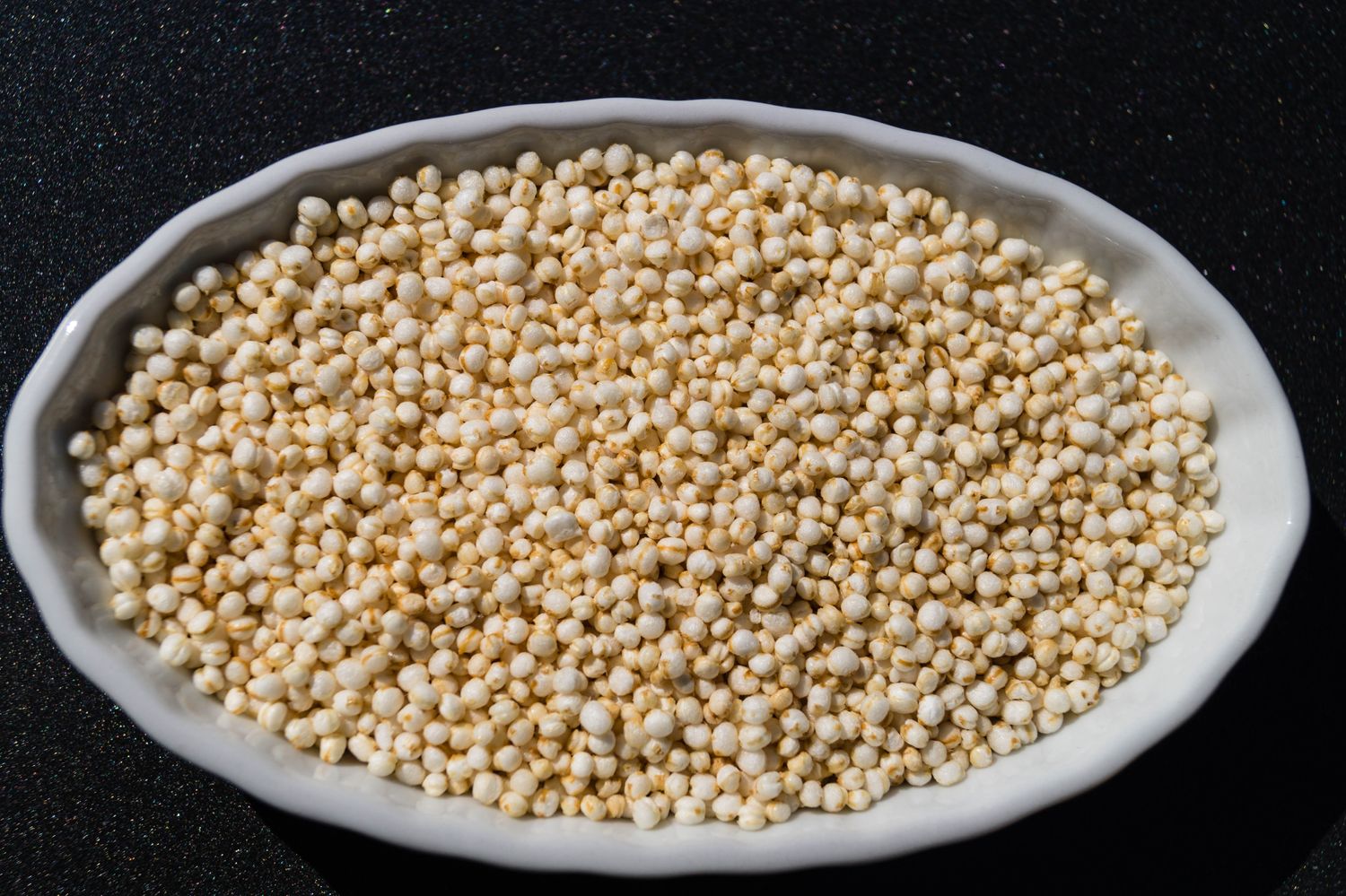
Deliciously nutty and gluten-free, millet flour can add a unique twist to your baking endeavors. Whether you’re a seasoned baker or just starting out, incorporating this versatile ingredient into your recipes can take your culinary creations to new heights. So, if you’re ready to embark on a millet flour baking adventure, we’ve got you covered. In this article, we’ll share some delightful recipes that showcase the incredible potential of millet flour in the baking world. From moist banana bread to irresistible chocolate chip cookies, prepare to tantalize your taste buds and satisfy your sweet tooth!
If you’re in the mood for a healthy and wholesome breakfast, why not start your day with millet flour pancakes? Fluffy and light, these pancakes offer a delightful alternative to traditional recipes. The millet flour lends a slightly nutty flavor that pairs perfectly with a drizzle of maple syrup or a dollop of fresh fruits. You’ll be amazed at how these pancakes effortlessly bring joy to your mornings, leaving you energized and ready to seize the day.
Craving a comforting treat that can be enjoyed any time of day? Look no further than millet flour muffins. Imagine sinking your teeth into a warm muffin, adorned with juicy blueberries or irresistible chunks of chocolate. The nutty undertones of the millet flour complement the sweetness of the fruit or chocolate, creating a harmonious blend that will make your taste buds dance with delight. These muffins are perfect for on-the-go snacks or for sharing during cozy gatherings with loved ones.
Now, let’s talk about everyone’s favorite indulgence: cookies! Millet flour can bring a delightful twist to your classic chocolate chip cookies. The flour’s unique flavor adds a subtle complexity to traditional recipes, resulting in cookies that are both familiar and exciting. Picture yourself savoring the soft and chewy center of a chocolate-studded cookie, with hints of nuttiness weaving their way through each bite. These cookies are a true crowd-pleaser – perfect for satisfying your own cravings or for surprising friends and family with a homemade treat.
If you’re looking for a cake that boasts both elegance and irresistible flavor, millet flour can be your secret ingredient. Moist and tender, a millet flour cake will captivate your senses with its delicate crumb and subtle nutty aroma. From vanilla to lemon to rich chocolate, the possibilities are endless. Frost it with a silky buttercream or drizzle it with a luscious caramel sauce – the result will be a stunning creation, bound to impress even the most discerning dessert connoisseurs.
Now, let’s add a global touch to our millet flour baking adventure. Did you know that millet is a staple in many cultures around the world? From Indian flatbreads to African porridge, millet plays a vital role in the cuisine of diverse regions. So why not try your hand at exploring these traditional recipes? You’ll have the opportunity to discover new flavors and techniques while broadening your culinary horizons. Let the enticing aroma of freshly baked millet bread transport you to far-off lands, and embrace the delight of cultural exploration through your taste buds.
For those with dietary restrictions or simply seeking a healthier alternative, millet flour can be a game-changer. Gluten-free and packed with nutrients, millet flour is a fantastic option for those who follow a gluten-free diet or have sensitivities to wheat. By incorporating this versatile flour into your baking repertoire, you open up a world of possibilities for enjoying delicious treats without compromise. So, grab your apron, dust off that bag of millet flour, and let your creative spirit soar as you embark on your millet flour baking journey. Get ready to wow yourself and your loved ones with the incredible flavors and textures that millet flour can bring to your baking creations. Happy baking!
1. Introduction to Millet Flour
Millet flour is a gluten-free alternative to traditional wheat flour, making it a perfect choice for individuals with gluten sensitivities or those looking to incorporate more variety into their baking routines. Derived from finely ground millet grains, it offers a unique nutty flavor and a delicate texture that can enhance the taste of your baked goods. In this article, we’ll explore some delicious recipes that showcase the versatility of millet flour in the baking process.
2. Millet Flour Substitution Tips
When using millet flour in your favorite recipes, it’s important to consider its unique properties. Due to its lack of gluten, it’s best to combine millet flour with other gluten-free flours or use a binding agent like xanthan gum to maintain the structure of the batter or dough. Additionally, millet flour can absorb more moisture than wheat flour, so you might need to adjust the liquid content accordingly. Experimentation is key to finding the right substitution and maintaining the taste and texture you desire.
3. Millet Flour Pancakes
Start your day off with a nutritious and delicious breakfast by making millet flour pancakes. These pancakes offer a delightful twist compared to traditional wheat-based ones. With millet flour as the main ingredient, the pancakes will have a subtly sweet and nutty taste. Serve them topped with your favorite fruits, yogurt, or a drizzle of maple syrup to enhance the flavors further.
4. Millet Flour Bread
Baking bread with millet flour can be an exciting and creative experience. The slightly sweet and delicate flavor of millet flour pairs well with various bread recipes. From classic sandwich loaves to artisanal specialties like focaccia or baguettes, millet flour adds a unique touch to the finished product. Be sure to test different ratios and combinations of flours to achieve the desired texture and taste.
5. Millet Flour Cookies
Millet flour can also be used to create mouthwatering cookies. Its nutty undertones and tender texture contribute to delightful cookies with a distinct flavor profile. Experiment with incorporating millet flour into your favorite cookie recipes, such as chocolate chip cookies or oatmeal raisin cookies. You’ll be pleasantly surprised by the added depth that millet flour brings to these classic treats.
6. Millet Flour Cakes
For a healthier twist on your favorite cakes, consider using millet flour in your recipes. Millet flour seamlessly replaces conventional flours, bringing a unique flavor and moist texture to your cakes. Whether it’s a simple vanilla cake or a rich chocolate cake, the addition of millet flour can elevate the taste while keeping the baked goods gluten-free.
7. Millet Flour Muffins
Add variety to your muffin repertoire by incorporating millet flour into your recipe. The grainy texture of millet flour adds a delightful crunch to muffins while imparting a subtly sweet flavor. Expand your taste horizons by exploring combinations such as banana millet muffins or blueberry millet muffins. These gluten-free treats will surprise you with their lightness and taste.
8. Conclusion
Millet flour is an excellent gluten-free alternative that opens up new possibilities in the world of baking. Its unique flavor and texture add a delicious twist to your favorite recipes, ensuring that you don’t have to compromise on taste. By experimenting with millet flour in pancakes, bread, cookies, cakes, and muffins, you can discover a whole new culinary adventure that is both healthy and delightful.
Summary
Millet flour is a delicious and gluten-free ingredient that can add a unique twist to your baking. It is perfect for pancakes, muffins, cookies, and cakes, providing a slightly nutty flavor that pairs well with sweet additions like maple syrup, fruits, or chocolate. Millet flour is also a staple in many cultures around the world, so it’s a great opportunity to explore traditional recipes and broaden your culinary horizons. Additionally, millet flour is a healthy alternative for those with dietary restrictions, as it is gluten-free and packed with nutrients. So, grab your apron and get ready to create delicious treats with millet flour!
FAQ
Can I substitute millet flour for all-purpose flour in a recipe?
Yes, millet flour can be used as a substitute for all-purpose flour in many baking recipes. However, it is important to note that millet flour has a different texture and taste compared to traditional flour. It lends a slightly nutty flavor and a denser texture to baked goods. It is best to start by substituting a small portion of the all-purpose flour with millet flour and then adjusting to taste. Additionally, since millet flour is gluten-free, it is recommended to add a binding agent like xanthan gum or guar gum to help improve the texture and prevent crumbling in your baked goods.
How do I bake with millet flour to achieve the best results?
When baking with millet flour, it is crucial to measure it accurately to avoid a dense or dry outcome. Use a kitchen scale to weigh the millet flour or ensure that you spoon it gently into a measuring cup and level it off. Additionally, due to its unique texture, millet flour often benefits from being used in combination with other gluten-free flours, such as rice flour or tapioca flour. This blend helps to create a lighter texture in baked goods. It is also recommended to add some moisture-rich ingredients like yogurt, applesauce, or mashed bananas to retain moisture and enhance the softness of the finished product.
Are there any specific recipes that work particularly well with millet flour?
Millet flour can be used in a variety of recipes, ranging from breads and muffins to cakes and cookies. It works exceptionally well in recipes that feature earthy or nutty flavors. Some delicious recipes to try include millet flour banana bread, millet chocolate chip cookies, and millet blueberry muffins. In many of these recipes, millet flour can be used as a partial substitute for all-purpose flour, enhancing the overall flavor and nutritional profile. It’s worth experimenting with different recipes and ratios of millet flour to find your favorite combinations.
Can I use millet flour in gluten-free baking?
Yes, millet flour is a fantastic option for gluten-free baking. It is gluten-free by nature, making it suitable for individuals with celiac disease or gluten sensitivities. Its slightly nutty flavor complements gluten-free recipes, giving them a unique taste. Millet flour provides a good source of nutrients, such as magnesium, fiber, and antioxidants, making it a healthier choice compared to highly processed gluten-free flours. However, it is important to note that millet flour will not provide the same elasticity and structure as gluten-containing flours. Therefore, it is often necessary to combine millet flour with other gluten-free flours or use additive ingredients like xanthan gum to mimic the binding properties of gluten.