
As we stand at the forefront of the latest trends and innovations, it becomes crucial to delve into various aspects of the ever-evolving market. Today, we embark on a journey to explore the intriguing world of millet and unravel the latest trends that have caught the attention of both consumers and industry experts alike. Millet, a versatile and highly nutritious grain, has been gaining significant popularity in recent years, making its way into everything from trendy health foods to fashionable culinary creations. Join us as we dive deep into the captivating millet market, shedding light on its immense potential and the factors propelling its growth.
Firstly, let us delve into the origins of millet and its historical significance. With a rich heritage dating back thousands of years, millet has been a staple food in many cultures worldwide. From ancient civilizations of Africa to the farmlands of Asia, this remarkable grain has nourished countless generations. Understanding its roots enables us to appreciate the cultural importance associated with millet and how it has shaped dietary patterns and traditions over time.
Moving forward, we witness a remarkable shift in consumer preferences towards healthier and more sustainable food choices. In an era where individuals are conscious of their well-being and the impact of their decisions on the environment, millet has emerged as a champion. Its natural resilience, low water requirements, and minimal reliance on chemicals make it an attractive option for those seeking ecologically responsible solutions. Furthermore, the gluten-free nature of millet caters to the growing demand for alternatives to traditional grains, rendering it an excellent choice for individuals with dietary restrictions or preferences.
Moreover, millet has left its mark in the culinary world, elevating gastronomic experiences with its unique texture, nutty flavor, and versatility. From millet-based bread and pasta to decadent desserts and refreshing beverages, chefs and food enthusiasts worldwide have embraced this grain, putting their creative twists on traditional and modern recipes alike. The diverse repertoire of millet-infused dishes not only caters to those seeking dietary alternatives but also introduces a new dimension to the culinary landscape, adding excitement and innovation to our plates.
Relevant data and consumer insights shed light on the dramatic surge in millet’s popularity, with the global market experiencing exponential growth in recent years. Multiple factors have contributed to this phenomenon, including increasing health consciousness, rising awareness of millet’s nutritional benefits, and the increasing prevalence of dietary restrictions and allergies. Additionally, the growing availability of millet-based products in supermarkets and specialty stores has made this grain more accessible to consumers, further fueling its demand and penetration into various markets worldwide.
Industry experts and agricultural scientists have not overlooked the immense potential of millet as a sustainable crop with significant economic implications. The grain’s ability to thrive in diverse climates and challenging agricultural conditions presents opportunities for farmers worldwide to diversify their crops and enhance food security. As research and innovation continue to unlock the potential of millet, its cultivation and production are expected to increase, leading to a boost in local economies and providing a viable solution to the challenges posed by climate change and food scarcity.
In conclusion, this comprehensive exploration of the latest millet market trends reveals an exciting journey characterized by health-conscious choices, culinary innovations, and agricultural sustainability. The soaring popularity of millet, backed by its rich history, nutritional benefits, and versatility, positions it as a game-changer in the food industry. As we witness the continued growth and expansion of this remarkable grain, it is apparent that millet will play a significant role in shaping our diets, culture, and global food systems, making it a trend to keep a close eye on in the coming years.
Millet: The Next Superfood?
Millet, a gluten-free grain with a nutty flavor, has been gaining popularity in recent years as a healthy alternative to processed grains. Its high fiber content, low glycemic index, and range of nutrients such as iron and B vitamins have made it attractive to health-conscious consumers. With the rise of plant-based diets and increased interest in ancient grains, millet has become a trendy addition to menus and recipes. Its versatility lends itself to a variety of dishes, from salads to pilafs to breakfast bowls.
Millet as a Sustainable Crop
Beyond its health benefits, millet is also a sustainable crop. It requires less water and fertilizer than other grains like wheat or corn, making it more environmentally friendly. Millet is drought-resistant and can grow in poor soil, making it a viable crop in areas where other grains may not be able to thrive. Its potential as a crop for sustainable agriculture has caught the attention of farmers and policymakers alike.
Millet as a Trade Commodity
The increasing demand for millet has led to the growth of a millet market. Millet is now being traded as a commodity, with prices increasing in response to demand. As more consumers become aware of the health and environmental benefits of millet, the market is expected to continue growing. This has presented opportunities for farmers to diversify their crops and for traders and investors to explore new markets.
The Role of Millet in Food Security
Millet has long been a staple food in parts of Africa and Asia, where it is valued for its resilience to harsh growing conditions and its ability to provide sustenance to communities. As the world faces challenges such as food insecurity and climate change, millet’s potential as a crop for sustainable agriculture and as a source of nutrition for vulnerable communities has become increasingly important.
Millet in Processed Foods
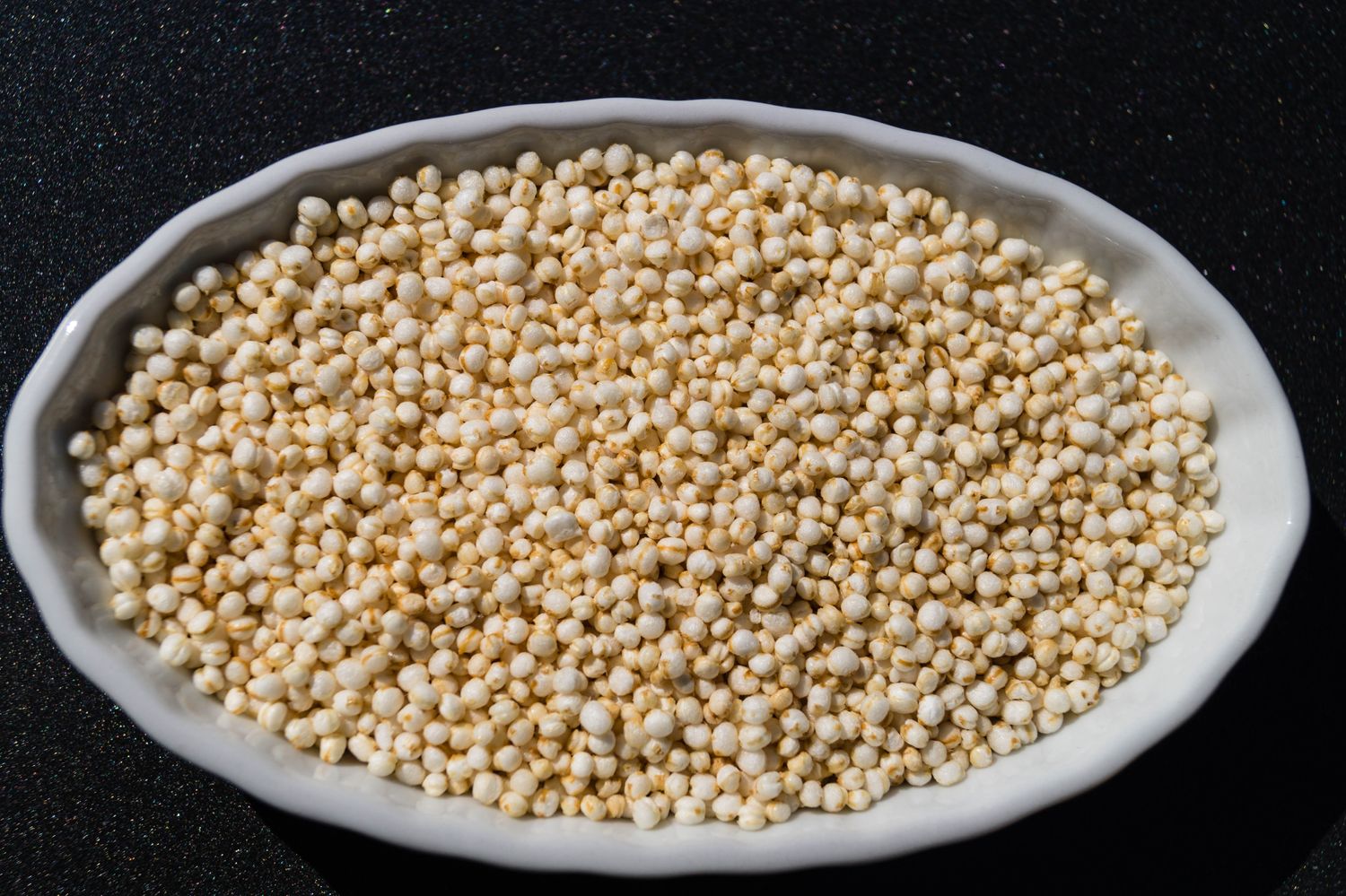
As millet gains popularity, it is also being incorporated into processed foods. Millet flour is used in gluten-free baking, while millet flakes and puffs are used in snacks and cereals. The use of millet in processed foods has the potential to make it more accessible to a wider audience, but also raises questions about the impact of industrial agriculture on millet’s sustainability and nutritional value.
The Potential for Millet as an Export Crop
As millet becomes more prominent in international markets, there is potential for it to become an important export crop. Countries such as India, Nigeria, and Senegal are already exporting millet to countries such as the United States and China. However, challenges such as lack of infrastructure, limited access to credit, and low yields still need to be addressed for millet to become a viable export crop.
The Future of the Millet Market
As with any market trend, the future of the millet market is uncertain. It is unclear whether the current enthusiasm for millet will be sustained or if it will be a passing fad. However, given the growing interest in healthy and sustainable foods, it seems likely that millet will continue to have a place in the global grain market. Its versatility, resilience, and potential for sustainable agriculture make it an attractive crop for farmers and consumers alike.
Summary
Millet, a versatile and highly nutritious grain, has gained popularity in recent years, making its way into health foods and culinary creations. It has a rich heritage and has been a staple food in many cultures. Millet is appealing to consumers looking for healthier and sustainable options, as it requires less water and chemicals. Its gluten-free nature also caters to those with dietary restrictions. Millet has been embraced by chefs and food enthusiasts for its unique texture and nutty flavor, adding excitement to dishes. The global market for millet has experienced exponential growth due to health consciousness and increasing awareness of its benefits. It is also seen as a sustainable crop with economic implications, providing a solution to food scarcity and climate change challenges. Millet’s popularity and potential position it as a game-changer in the food industry, shaping diets, culture, and global food systems.
FAQ
What are the current trends in the millet market?
The millet market has experienced several emerging trends in recent years. Firstly, there is a growing demand for gluten-free and nutritious food options, leading to increased interest in millets as a viable alternative to wheat and barley. Millets are packed with vitamins, minerals, and dietary fiber, making them an attractive choice for health-conscious consumers. Additionally, the rising popularity of plant-based diets has further fueled the demand for millets, as they are naturally vegan and provide a sustainable protein source. Furthermore, millets have gained recognition as a climate-smart crop due to their ability to withstand drought and require fewer resources for cultivation, making them appealing for environmentally conscious consumers.
How does the millet market contribute to sustainable agriculture?
The millet market plays a crucial role in promoting sustainable agriculture. Millets are a hardy crop that can thrive in arid and semi-arid regions with minimal irrigation. Their ability to withstand drought and their low water requirements make millets an excellent option for sustainable farming practices. Millets also exhibit significant resistance to pests and diseases compared to other cereals, reducing the need for chemical interventions. Furthermore, millet cultivation supports biodiversity as they are known to attract beneficial insects and pollinators. By promoting the adoption of millets, farmers can contribute to conserving water, reducing greenhouse gas emissions, and preserving soil health, making the millet market an integral part of sustainable agricultural systems.
How can the latest millet market trends benefit farmers?
The latest millet market trends offer numerous benefits for farmers. Firstly, the increasing demand for millets presents an opportunity for diversifying their agricultural produce and farm income. Cultivating millets allows farmers to tap into a niche market and reduce their dependence on traditional cereal crops. As millets require fewer resources like water and fertilizers compared to other crops, farmers can lower their production costs and achieve better economic returns. Moreover, millets are known for their resilience to adverse weather conditions, providing farmers with a more stable income source even during periods of drought or extreme climatic events. Additionally, the growing demand for organic and natural food products has created a market for organic millets, opening avenues for premium pricing and certification schemes that can further benefit farmers.
How can consumers incorporate millets into their daily diet?
Consumers can easily incorporate millets into their daily diet by using it as a substitute for conventional grains like rice, wheat, or oats. Millets can be cooked and used in various dishes such as porridges, salads, soups, and bread. They have a naturally nutty flavor, adding a unique taste and texture to meals. Millet flour can also be used for baking purposes, making it an excellent alternative for individuals with gluten intolerance. Moreover, millets can be commonly found in the form of flakes or puffed grains, making them a convenient option for breakfast cereals or snack bars. By experimenting with different millet recipes and incorporating them into their regular meals, consumers can enjoy the nutritional benefits and variety offered by these ancient grains.