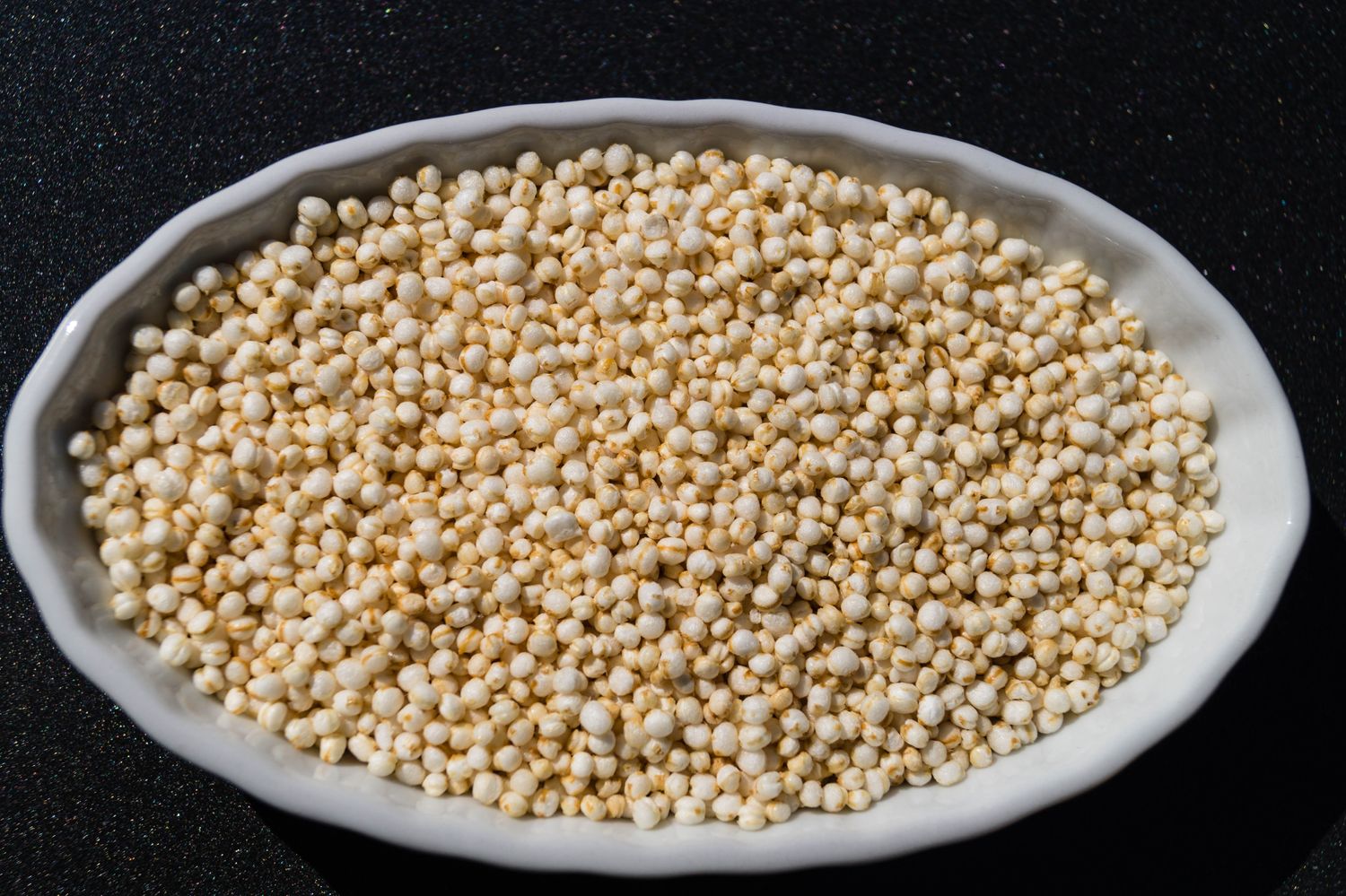
Mouthwatering aromas waft through the air as the world embraces the diverse and delightful flavors of millets. These ancient grains, often overlooked in modern diets, have regained their rightful place on the table. But what makes them so special? Brace yourself for a journey into the realm of millets and gluten intolerance, where we’ll unravel the mysteries surrounding these grains and shed light on their remarkable benefits.
Picture yourself exploring a bustling farmers market, vibrant with colors and brimming with unique grains. Among the cornucopia of options, millets quietly steal the show. From earthy sorghum to delicate finger millet, these tiny powerhouses pack a punch when it comes to nutrition. Bursting with vitamins, minerals, and fiber, millets are a treasure trove of health benefits. Not only are they gluten-free, making them an excellent alternative for those with intolerance, but they are also known to support weight management, regulate blood sugar levels, and promote heart health.
Amidst a growing wave of awareness surrounding gluten intolerance, individuals are seeking alternatives to traditional grains that can satisfy their taste buds while lining up with their dietary needs. Millets have eagerly stepped into the spotlight, captivating the attention of nutritionists and chefs alike. These gluten-free grains provide not only a wealth of nutrients but also a unique taste that adds depth and variety to any recipe. Whether you’re whipping up a delectable salad, a comforting bowl of porridge, or even a gluten-free pizza crust, millets are ready to take center stage.
As the world becomes increasingly health-conscious, it’s crucial to understand the benefits of incorporating millets into our diets. Apart from being gluten-free, they offer a myriad of advantages, including their low glycemic index, which helps regulate blood sugar levels. Moreover, millets possess antioxidants that protect our bodies against harmful free radicals, ultimately contributing to overall well-being. By incorporating millets into our meals, we can savor the flavors of these remarkable grains while nourishing our bodies with their abundant goodness.
Imagine a world where gastronomic pleasure and dietary restrictions coexist harmoniously. This utopia is no longer a distant dream. With millets, individuals with gluten intolerance no longer need to compromise on flavor or nutrition. Embracing these ancient grains opens a whole new world of culinary possibilities, making it easier than ever for those with gluten sensitivities to savor a diverse array of mouthwatering dishes. From flaky bread to sumptuous pilaf and everything in between, millets are here to redefine the way we nourish our bodies and delight our taste buds.
In an era where gluten intolerance has become increasingly prevalent, it’s crucial to educate ourselves about the alternatives available to us. Millets bring a refreshing change to our diets, taking us beyond the realm of traditional grains and unleashing a realm of culinary creativity. By understanding the unique properties of millets and their compatibility with gluten intolerance, we can embark on a wholesome, delicious, and nutritious journey that leaves no taste bud unsatisfied. So, whether you’re a seasoned food enthusiast or someone seeking solace from gluten’s grasp, it’s time to embrace millets and unlock a world of delectable possibilities.
1. Understanding Gluten Intolerance
Gluten intolerance, also known as celiac disease, is a genetic autoimmune disorder where the body’s immune system reacts to the presence of gluten. Gluten is a protein found in grains like wheat, barley, and rye. When people with gluten intolerance consume foods containing gluten, it triggers an immune response that damages the lining of the small intestine, leading to various symptoms and long-term health complications.
Common symptoms of gluten intolerance include abdominal pain, bloating, diarrhea or constipation, fatigue, weight loss, and nutrient deficiencies. If left untreated, gluten intolerance can cause serious complications such as malnutrition, osteoporosis, infertility, and an increased risk of other autoimmune diseases.
2. Introduction to Millets
Millets are a group of highly nutritious, gluten-free grains that have gained popularity due to their health benefits and versatility in cooking. They have been cultivated for thousands of years and are known for their resilience in harsh environmental conditions. Common types of millets include pearl millet, finger millet, foxtail millet, and sorghum.
Millets are rich in essential nutrients such as fiber, protein, vitamins, and minerals. They are particularly high in antioxidants and have a low glycemic index, making them suitable for people with diabetes. Moreover, millets are easily digestible and offer various health benefits, including improved digestion, reduced cholesterol levels, and better heart health.
3. Millets as a Gluten-Free Alternative
Due to their gluten-free nature, millets serve as an excellent alternative for individuals with gluten intolerance or celiac disease. Millets can be used as a substitute for wheat, barley, and rye in a wide range of recipes, including bread, porridge, and savory dishes.
This gluten-free grain option not only provides relief to those with gluten intolerance but also diversifies their diet. By incorporating millets into their meals, individuals can enjoy a wider variety of grains while still obtaining essential nutrients without triggering any adverse reactions associated with gluten consumption.
4. Nutritional Profile of Millets
Millets offer an impressive nutritional profile, making them a healthy addition to any diet. They are packed with key nutrients like fiber, iron, magnesium, phosphorus, and B vitamins. These nutrients contribute to a range of health benefits, including improved digestion, increased energy levels, and better immune function.
Additionally, millets are gluten-free and have a low glycemic index, meaning they have a minimal impact on blood sugar levels. This makes them suitable for individuals with gluten intolerance, diabetes, or those looking to maintain stable blood sugar levels.
5. Cooking with Millets
Millets can be easily incorporated into various dishes, making them a versatile gluten-free option for cooking. They can be used to prepare porridge, rice-like dishes, salads, soups, and even desserts. The taste of millets can range from mildly nutty to slightly sweet, depending on the type of millet used and the cooking method employed.
By experimenting with different millet varieties, individuals can discover exciting new flavors and textures while enjoying the health benefits of these gluten-free grains. Millets can be found in health food stores or organic markets and are now becoming more accessible in mainstream supermarkets.
6. Potential Drawbacks of Millet Consumption
While millets are generally safe for consumption, they may have some downsides. In rare cases, individuals may experience allergies or sensitivities to specific types of millets. It is crucial to monitor your body’s response and discontinue use if any adverse reactions occur.
Furthermore, millets naturally contain antinutrients such as phytic acid, which can interfere with the absorption of certain minerals. To minimize the impact of antinutrients, it is recommended to soak, ferment, or sprout millets before cooking. This process helps to reduce their antinutrient content and enhance nutrient absorption.
7. Incorporating Millets into your Diet
If you are considering incorporating millets into your diet, it is essential to start gradually and listen to your body’s response. Begin by trying small portions and observing any changes in digestion or overall well-being.
Consulting a healthcare professional or a registered dietitian can also provide personalized guidance and help you plan a balanced diet that includes millets while meeting your specific nutritional needs.
8. Conclusion
Millets offer an excellent gluten-free alternative for individuals with gluten intolerance or celiac disease. With their wide array of health benefits and nutritional value, millets can be a valuable addition to your diet. Remember to cook them properly, experiment with different recipes, and be mindful of your body’s response. Embracing millets as an alternative grain can contribute to a healthier and more diverse diet while ensuring you avoid the adverse effects of gluten intolerance.
Summary
Millets, ancient grains often overlooked in modern diets, have regained popularity for their diverse flavors and health benefits. They are gluten-free and offer a wealth of nutrients, including vitamins, minerals, and fiber. Millets can help with weight management, regulate blood sugar levels, and promote heart health. As awareness of gluten intolerance grows, millets have become a popular alternative to traditional grains, providing both nutrition and unique taste to recipes. They have a low glycemic index and possess antioxidants that contribute to overall well-being. By incorporating millets into meals, individuals can enjoy delicious dishes while nourishing their bodies.
FAQ
What are millets and how are they related to gluten intolerance?
Millets are a group of ancient grains that have been consumed by humans for thousands of years. They include varieties such as sorghum, finger millet, pearl millet, and foxtail millet. Millets are gluten-free, which means they do not contain the protein gluten that can cause adverse reactions in individuals with gluten intolerance. Gluten intolerance, also known as celiac disease, is an autoimmune condition where the body reacts negatively to gluten, leading to intestinal damage and various digestive symptoms. Millets offer an excellent gluten-free alternative for those with gluten intolerance, allowing them to enjoy a variety of healthy grains in their diet without experiencing adverse reactions.
Are millets a suitable substitute for gluten-containing grains?
Yes, millets are a fantastic substitute for gluten-containing grains for individuals with gluten intolerance. They provide numerous health benefits as they are rich in essential nutrients like fiber, protein, minerals, and antioxidants. Millets also have a low glycemic index, which means they do not cause a rapid spike in blood sugar levels. Moreover, millets are versatile and can be used to prepare various dishes such as gluten-free bread, porridge, salads, and side dishes. Their unique flavors and textures make them an excellent addition to gluten-free diets, adding diversity and nutritional value.
How do millets contribute to a healthy diet?
Millets are highly nutritious and can greatly contribute to a healthy diet. They are rich in fiber, which aids digestion, regulates blood sugar levels, and promotes a feeling of fullness, helping with weight management. Millets also contain essential minerals like iron, magnesium, phosphorus, and potassium, which play crucial roles in maintaining overall health. Additionally, these ancient grains are a good source of vitamins such as niacin, thiamine, and riboflavin. Including millets in your diet can help promote heart health, improve digestion, maintain healthy blood pressure, and support overall well-being.
Can millets be safely consumed by individuals with gluten intolerance?
Yes, millets are safe for individuals with gluten intolerance to consume. Since millets are naturally gluten-free, they do not trigger the adverse reactions associated with gluten intolerance or celiac disease. However, it is essential to note that cross-contamination may occur during processing, packaging, or cooking. Therefore, it is crucial to ensure that millet products are certified gluten-free and prepared in a gluten-free environment. This eliminates the risk of inadvertent consumption of gluten. By choosing certified gluten-free millet products and incorporating them into your diet, individuals with gluten intolerance can safely enjoy the nutritional benefits and culinary versatility that millets offer.