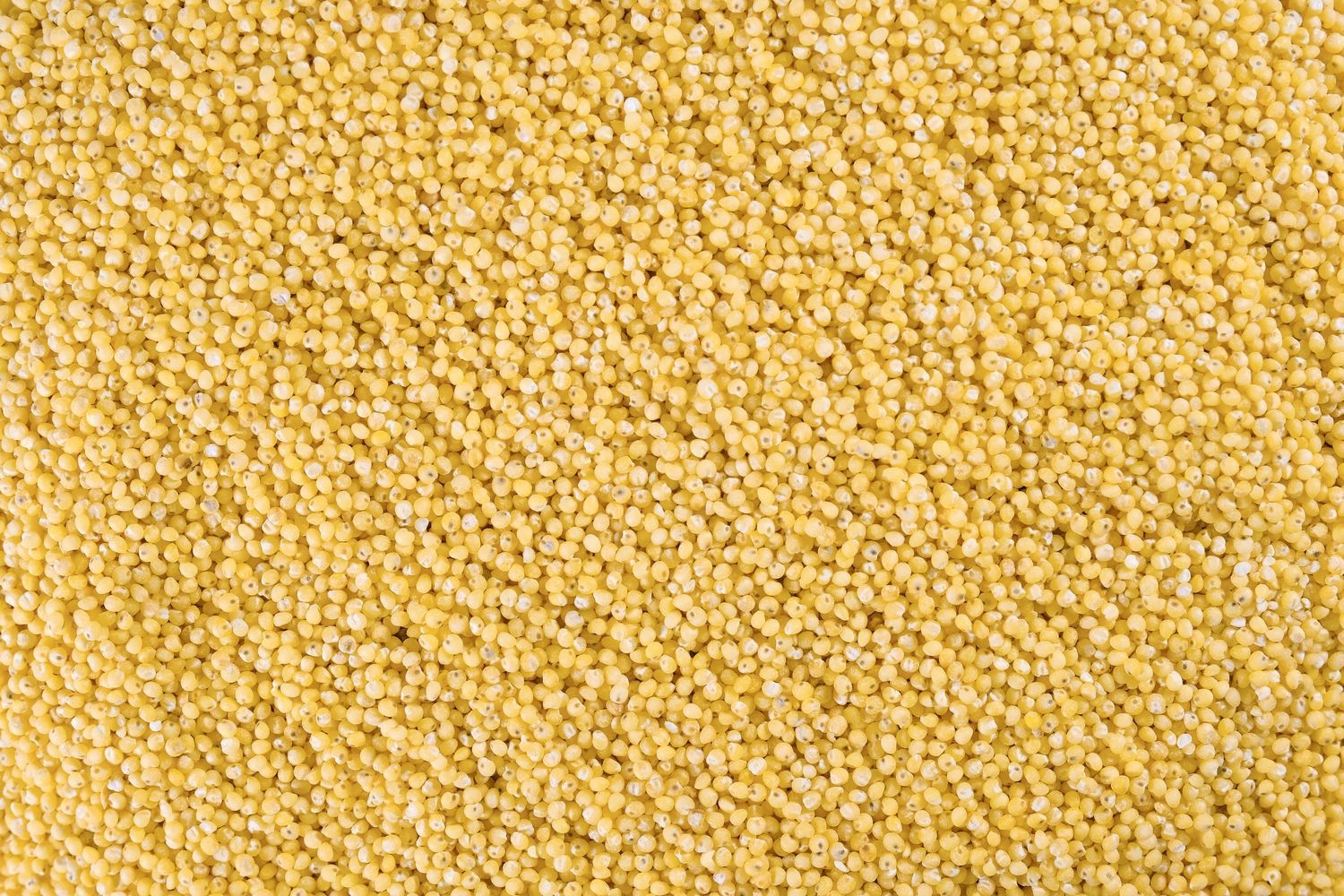
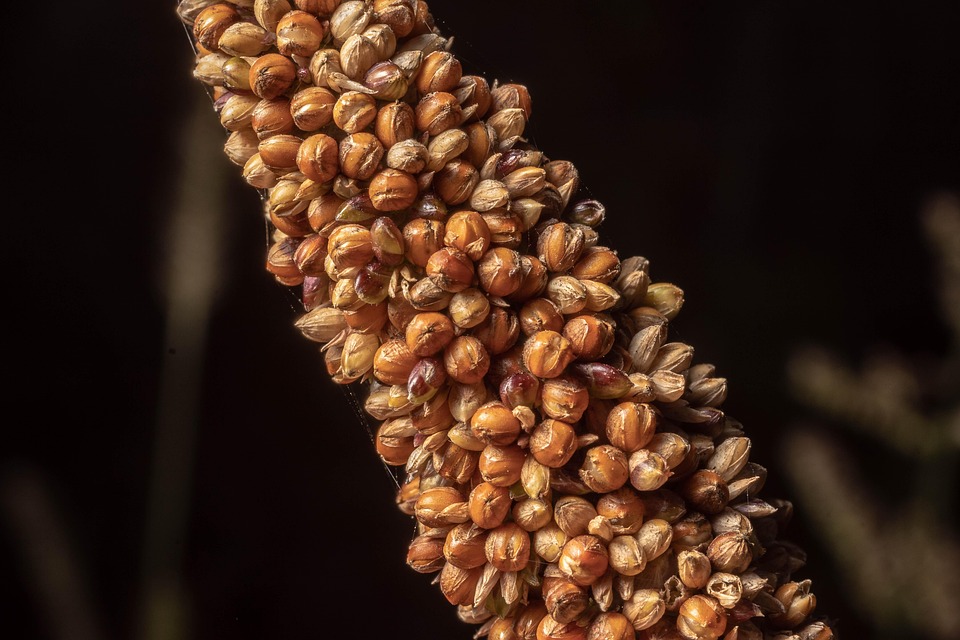
Millet farming has emerged as a sustainable solution that deserves our attention and support. As we grapple with the challenges posed by climate change and dwindling natural resources, exploring alternative agricultural practices becomes critical. Millets, often overlooked in favor of more mainstream crops, offer several advantages that make them an ideal choice for sustainable farming. In this article, we present five compelling reasons why millet farming should be seen as a viable and eco-friendly option for both farmers and consumers alike.
Firstly, millets are renowned for their remarkable resilience in adverse conditions. Unlike many conventional crops that require intensive irrigation and chemical inputs, millets are incredibly resource-efficient. These grains have adapted and thrived in regions with low rainfall, making them a boon for farmers in arid areas. By cultivating millets, farmers can reduce their dependence on limited water resources, thus ensuring a sustainable and reliable food production system even in drought-prone regions.
Moreover, millets boast exceptional nutritional value, making them an excellent choice for promoting human health and well-being. These grains are rich in essential nutrients like fiber, vitamins, and minerals, offering a holistic package for a balanced diet. Incorporating millets into our meals can aid in preventing chronic diseases such as diabetes, obesity, and heart conditions. Furthermore, millets are gluten-free, making them a suitable option for individuals with gluten sensitivities or celiac disease, fostering inclusivity in our culinary choices.
In addition to their nutritional prowess, millets also play a significant role in biodiversity conservation. The shift towards monoculture and intensive farming practices has resulted in the loss of numerous plant species and the erosion of ecological balance. However, millets promote biodiversity by providing a habitat for a diverse range of pollinators and insects that contribute to a healthy ecosystem. By choosing millets, we can actively support the preservation of biodiversity while ensuring food security for present and future generations.
One often overlooked aspect of millets is their low carbon footprint. With growing concerns about carbon emissions, it is crucial to explore farming practices that minimize environmental impact. Millet farming requires fewer chemical inputs and synthetic fertilizers compared to conventional crops. This attributes to lower greenhouse gas emissions, reduced soil degradation, and decreased water pollution. By embracing millet farming, we can take significant strides towards mitigating climate change and building a more sustainable food system.
Lastly, millet farming has also proven to be an economically viable option for farmers, particularly small-scale and marginalized farmers. With their ability to thrive in diverse agro-climatic conditions and their low input requirements, millets offer a promising avenue for income generation and poverty alleviation. Moreover, the growing demand for millet-based products in local and international markets presents new opportunities for farmers to diversify their income streams and enhance their economic stability.
In conclusion, millet farming emerges as a sustainable solution that addresses multiple challenges facing our agricultural sector today. By embracing millets, we can promote resource efficiency, improve human health, conserve biodiversity, reduce carbon emissions, and uplift small-scale farmers economically. As we navigate the path towards a more sustainable future, let us not overlook the potential of millet farming in creating a resilient and environmentally conscious food system for generations to come.
1. Climate Resilience:
Millet farming is highly resilient to climate change and requires less water compared to conventional crops. Millets are well-adapted to dry and arid regions, making them a suitable option for farmers in regions facing water scarcity or erratic rainfall. This resilience helps mitigate the risks associated with climate change, as millet crops have the ability to withstand extreme weather conditions and still yield a decent harvest. Additionally, millets have a short growing cycle and can be cultivated in diverse agro-ecological zones.
Furthermore, millet farming contributes greatly to soil conservation by reducing soil erosion and preserving moisture content. The deep roots of these crops enhance soil structure and improve fertility, thus promoting overall soil health and sustainability.
2. Nutritional Value:
Millets are an excellent source of essential nutrients and provide numerous health benefits. They are rich in vitamins, minerals, and dietary fiber, which play a crucial role in maintaining overall well-being. Millets are gluten-free and have a low glycemic index, making them suitable for people with gluten sensitivity or diabetes.
By incorporating millets into our diet, we can combat malnutrition and prevent various chronic diseases such as cardiovascular ailments and diabetes. These crops also possess antioxidant properties that help strengthen the immune system and protect against inflammation-related disorders.
3. Biodiversity Conservation:
Millet farming promotes biodiversity conservation by preserving traditional seed varieties and their associated ecosystems. Cultivating a diverse range of millet species and landraces ensures genetic diversity, reducing the vulnerability of crops to pests, diseases, and changing environmental conditions. Moreover, it prevents the dominance of a single crop, which can lead to genetic erosion and loss of vital species.
Traditional millet farming practices often involve mixed cropping and intercropping, creating a favorable habitat for beneficial insects, birds, and other organisms that contribute to pest control and pollination. This preservation of biodiversity not only supports ecological balance but also enhances the resilience of farming systems.
4. Water Efficiency:
Millet farming requires significantly less water compared to conventional crops like rice and wheat. These crops have a remarkable ability to thrive even with limited water resources, making them an ideal choice in water-stressed regions. By cultivating millets, farmers can reduce their water consumption, conserve this precious resource, and contribute to long-term water sustainability.
Water-efficient millet farming practices, such as agroecological farming techniques and rainwater harvesting, can further enhance water conservation efforts. These methods help to maximize water use efficiency, minimize water wastage, and improve overall farm productivity without compromising environmental sustainability.
5. Economic Security:
Millet farming provides economic security to farmers, particularly small-scale farmers and marginalized communities. These crops have a significant market demand due to their nutritional value and the rising interest in healthy and sustainable foods. Cultivating millets diversifies farmers’ income sources and helps them navigate market fluctuations and price volatility.
Millet crops also serve as a cost-effective solution for livestock feed, reducing dependency on expensive conventional animal feed options. Livestock farmers can benefit from the lower input costs associated with millet-based feed, thereby improving their overall economic viability.
Summary
Millet farming is a sustainable solution that should be supported due to its resilience in adverse conditions, nutritional value, role in biodiversity conservation, low carbon footprint, and economic viability for farmers. Millets require less water and resources compared to conventional crops, making them ideal for arid regions. They are also rich in essential nutrients and gluten-free, promoting human health and inclusivity. Millets support biodiversity by providing habitats for pollinators and insects. Additionally, millet farming reduces greenhouse gas emissions and soil degradation. It is also an economically viable option for small-scale farmers, offering income generation and poverty alleviation opportunities.
FAQ
What are the environmental benefits of millet farming as a sustainable solution?
Millet farming offers several environmental benefits, making it a sustainable solution. First, millets are known for their ability to grow in harsh conditions with minimal water requirements, making them highly resilient to climate change and reducing the strain on water resources. Additionally, millet crops require fewer chemical fertilizers and pesticides compared to other grains, reducing the environmental impact of farming practices. Furthermore, millet farming promotes biodiversity as these crops attract diverse insect populations, leading to a healthier ecosystem. Lastly, millet residues can be used as animal feed, reducing waste and providing an additional source of income for farmers.
How does millet farming contribute to food security?
Millet farming plays a crucial role in ensuring food security for communities. Millets are highly nutritious and serve as a valuable source of carbohydrates, proteins, and micronutrients. Due to their versatility, millets can be easily incorporated into various food products, making them accessible to a diverse range of people. Furthermore, millet crops have a shorter growth cycle than some other grains, allowing for multiple harvests in a year. This enables farmers to increase their agricultural productivity, resulting in a more stable food supply and reducing the reliance on single crop production. In areas prone to droughts or other climate-related challenges, millet farming offers a resilient solution, helping to combat hunger and improve food security.
How does millet farming benefit rural livelihoods?
Millet farming has significant socio-economic benefits for rural communities. Millet crops require less investment and can be cultivated on marginal lands, making farming accessible to small-scale farmers with limited resources. This creates opportunities for income generation and poverty alleviation. Moreover, millet farming promotes local entrepreneurship, as the grains can be used to produce various food products such as millet flour, snacks, and beverages. This adds value to the crop and creates market opportunities for farmers and small-scale businesses. Additionally, millet farming promotes sustainable agricultural practices, enhancing farmers’ long-term resilience and reducing reliance on external inputs, ultimately leading to greater economic stability for rural communities.
How does millet farming contribute to sustainable agriculture globally?
Millet farming plays a crucial role in promoting sustainable agriculture practices worldwide. As mentioned earlier, millet crops require limited amounts of water and are resilient to droughts, making them suitable for dryland farming. This reduces water stress and helps conserve precious water resources. Moreover, millet farming relies less on chemical inputs, such as fertilizers and pesticides, compared to many other grains. This reduces the environmental impact of agricultural practices, such as water pollution and soil degradation. Furthermore, millet farming promotes biodiversity by attracting diverse insect populations and improving soil health. Overall, millet farming offers a sustainable alternative to conventional agricultural practices, addressing environmental concerns and promoting sustainable food production on a global scale.