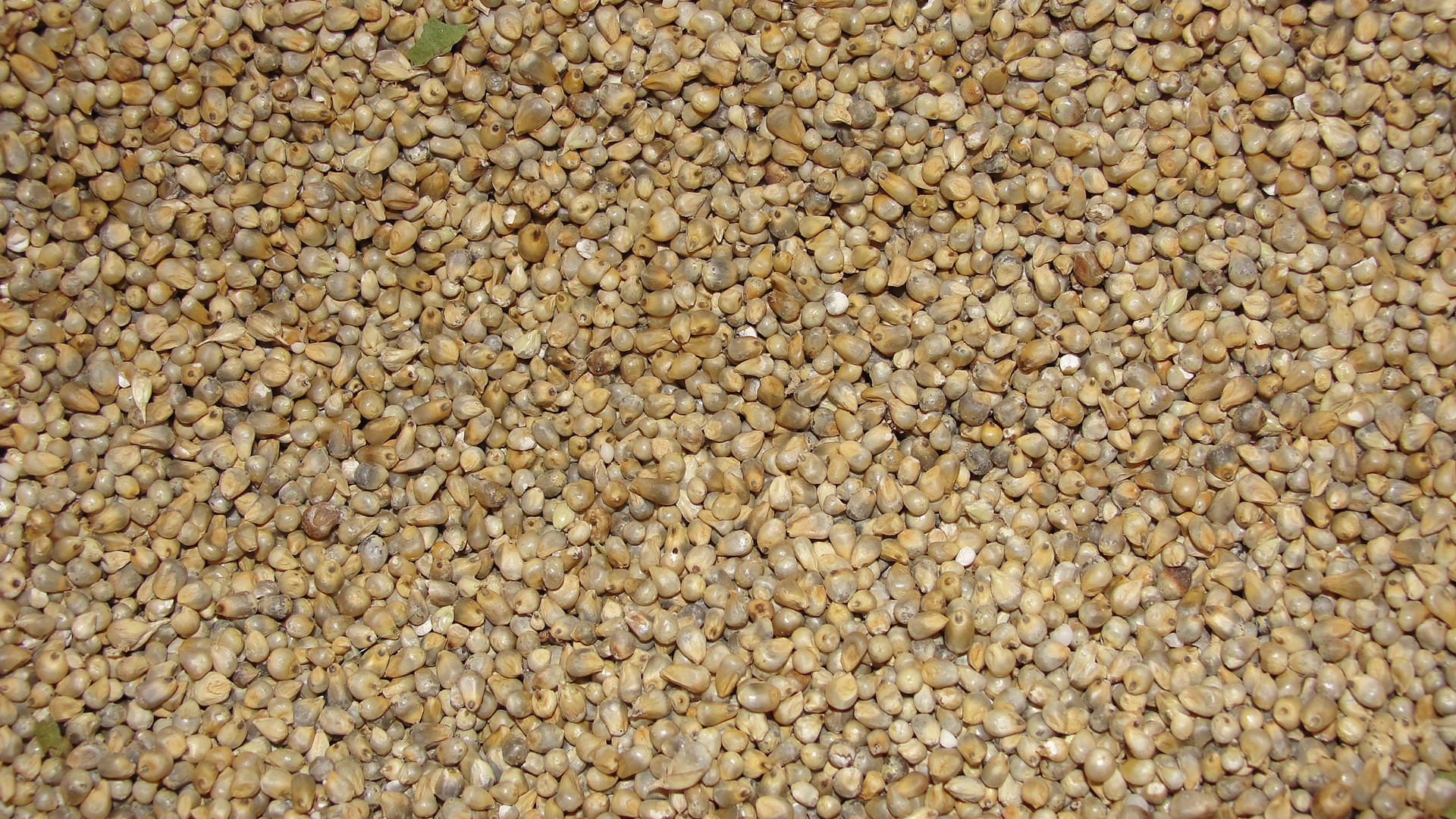
Farm to table movements have gained immense popularity in recent years, with consumers increasingly prioritizing sustainability and the traceability of their food. As people become more aware of the environmental impact of large-scale agriculture and the benefits of supporting local farmers, the demand for sustainable and nutritious alternatives has risen. One such grain that has caught the attention of sustainability enthusiasts is millet. Often overlooked in Western diets, millets have been extensively cultivated in Asia and Africa for centuries. These tiny grains are not only packed with essential nutrients but also have a remarkable journey from farm to table, which is worth exploring. By understanding the intricate process of their cultivation, harvesting, processing, and eventual consumption, we can gain a deeper appreciation for the value and sustainability of millets.
The journey of millets begins on the fertile farms of dedicated farmers who carefully sow the seeds and nurture the plants throughout their growth. Millets are resilient crops that can withstand adverse weather conditions, making them particularly suitable for cultivation in regions facing climate challenges. Farmers employ traditional farming practices, often passed down through generations, to ensure the health and vitality of millet crops. These sustainable methods include organic farming techniques, water conservation strategies, and intercropping with other compatible plants to enhance soil fertility and prevent pest infestations. This intimate connection between farmer and crop is central to the journey of millets, as it reinforces the importance of sustainable agriculture and the preservation of local food systems.
Once the millet plants mature, skilled farmers carefully harvest the grains using traditional techniques. The methods employed for harvesting vary depending on the region and the type of millet. In some areas, farmers handpick the grains by gently rubbing the millet stalks, causing the seeds to fall into waiting baskets or sheets. Alternatively, certain millet varieties are harvested by cutting the entire plant and later separating the grains using threshing equipment. This manual labor involved in harvesting millets not only showcases the dedication and hard work of farmers but also emphasizes the sustainable nature of the process, as energy-intensive machinery is minimized or even eliminated.
After harvesting, the grains are transported to processing centers, where they undergo several stages of cleaning, dehusking, and sorting. Here, modern technologies are used to remove impurities and ensure the highest quality of millet grains. While some traditional methods are still employed for processing millets, modern techniques have significantly reduced processing time and increased efficiency. This combination of traditional and modern practices highlights how the journey of millets merges the wisdom of the past with the innovations of the present, all while maintaining a sustainable and environmentally friendly approach.
Following processing, the millet grains are ready to be packed and transported to various markets and distribution centers. With the rising demand for sustainable and healthy food choices, millets have found their way onto grocery store shelves, farmer’s markets, and even online platforms. Consumers are increasingly embracing the versatility of millets in their culinary pursuits, ranging from porridge and flatbreads to pilafs and salads. This surge in popularity not only benefits individuals seeking healthier options but also contributes to the economic growth and recognition of small-scale farmers who have been diligently working to cultivate millets sustainably.
The journey of millets from farm to table encompasses not just the physical process of cultivation, but also the social, economic, and environmental aspects that surround it. By supporting local farmers and choosing millets as a sustainable food option, individuals can actively participate in the movement towards a more resilient and eco-friendly agricultural system. Ultimately, understanding the journey of millets sheds light on the significance of sustainable agriculture and encourages us to reconnect with the sources of our food. Through our choices, we can create a more sustainable future that respects both the planet and the hardworking individuals who contribute to our food supply.
Introduction
Millets, a group of small-seeded grains, have been a staple crop for centuries in many parts of the world. Nowadays, they are increasingly gaining recognition for their unique nutritional and environmental benefits. As sustainable agriculture gains importance in our quest for a more resilient and eco-friendly food system, understanding the journey of millets from farms to tables becomes essential. This article delves into the intricate process of millet cultivation, highlighting its significance in sustainable agriculture and the challenges faced.
Diversity of Millets
Millets encompass various grain species, including but not limited to widely known ones like sorghum, pearl millet, and finger millet. Each type possesses distinct characteristics, such as drought tolerance, short growth cycle, and nutritional properties. Their versatility allows them to adapt to different agroclimatic conditions, making them an ideal crop in both traditional and modern farming systems. Furthermore, the diverse types of millets ensure a varied and balanced diet, thus contributing to food security and nutrition.
Millets and Sustainable Agriculture
Millets play a crucial role in sustainable agriculture due to their exceptional resilience to climate change and minimal environmental impact. These crops require significantly less water and fewer inputs compared to conventional staples like rice and wheat. Additionally, millets are naturally pest-resistant, reducing the need for chemical pesticides. By integrating millets into agricultural practices, farmers can promote agrobiodiversity, conserve soil fertility, and mitigate greenhouse gas emissions while ensuring food production.
Traditional Farming Practices
For centuries, millets have been cultivated using traditional farming practices that are inherently sustainable. Small-scale farmers, particularly in Asia and Africa, have passed down their knowledge of intercropping, mixed farming, and agroforestry, which create resilient and resource-efficient agricultural systems. These traditional practices preserve biodiversity, provide natural pest control, and enable farmers to adapt to variable climatic conditions without depleting the environment.
Challenges in Millet Cultivation
Despite their intrinsic benefits, millets face various challenges that hinder their widespread cultivation. Limited awareness among consumers about the nutritional value and culinary versatility of millets has led to reduced demand. Insufficient infrastructure, access to markets, and supportive policies further limit millet production. Moreover, the transition towards high-input farming systems has marginalized millets, as they demand less financial investment and technological intervention.
Promoting Millet Cultivation
Efforts are underway to promote millet cultivation and consumption across the globe. Governments, non-profit organizations, and research institutions are collaborating to raise awareness about the nutritional benefits of millets and develop value chains that connect farmers directly to urban consumers. Additionally, policy interventions, such as procurement programs and investment in research and development, are crucial in incentivizing millet farmers and integrating these crops into mainstream agriculture.
Millets in Modern Cooking
With the increasing popularity of nutritious and sustainable food, millets have found their place in modern cooking. From gluten-free baking to innovative millet-based recipes, these grains offer a wide range of culinary possibilities. Chefs, food enthusiasts, and entrepreneurs are exploring millets as a solution to address dietary concerns, sustainability, and food preferences. Incorporating millets in daily diets not only diversifies the food culture but also contributes to the revival of traditional food systems.
Conclusion
The journey of millets from the farm to the table encompasses diverse aspects of sustainable agriculture, resilience, nutrition, and culinary creativity. Recognizing and investing in these ancient grains can play a significant role in building a sustainable food system, preserving traditional farming practices, enhancing food security, and mitigating climate change impacts. By understanding and supporting the journey of millets, we can create a healthier and more sustainable future for our planet and our communities.
Summary
The farm-to-table movement, driven by consumers prioritizing sustainability and traceability in their food, has led to the increased popularity of millets. These small grains, cultivated extensively in Asia and Africa, are nutritious and have a remarkable journey from farm to table. Millets are grown by dedicated farmers using sustainable practices like organic farming and water conservation, highlighting the importance of sustainable agriculture. Skilled farmers harvest the grains using traditional techniques, minimizing the use of machinery. The grains then undergo processing to ensure quality. Millets have made their way into various markets and are embraced by consumers for their versatility. Supporting local farmers and choosing millets promotes a more resilient and eco-friendly agricultural system.
FAQ
What are millets and why are they considered sustainable in agriculture?
Millets are a group of small-seeded grains that have been cultivated for thousands of years. They are highly resilient crops, capable of withstanding various environmental conditions and requiring minimal water and fertility inputs. Millets are known for their nutritional properties, containing high levels of protein, fiber, and essential nutrients. They are also gluten-free, making them suitable for individuals with gluten sensitivity or celiac disease.
Millets are considered sustainable in agriculture for several reasons. Firstly, they have a low carbon footprint as they require less water, fertilizer, and pesticide inputs compared to other major cereal crops like rice and wheat. This makes millets a valuable resource in regions facing water scarcity and climate change. Additionally, these crops enhance soil fertility, preventing soil degradation and erosion. Finally, diversifying agricultural practices by growing millets contributes to food security and promotes biodiversity by supporting various ecosystems and traditional farming communities.
How can millet cultivation contribute to food security and rural development?
Millet cultivation plays a significant role in addressing food security challenges faced by many regions globally. These crops are highly adaptable and can grow in arid, semi-arid, and rainfed regions, where other staple food crops may struggle. Their cultivation helps to diversify food sources, especially in areas where staple crops like rice or wheat may be heavily relied upon. Millets also have a longer shelf life compared to other grains, making them suitable for long-term storage and reducing post-harvest losses.
Additionally, millet production contributes to rural development by creating income-generation opportunities for small-scale farmers. Since millets require less water and inputs, farmers can reduce their production costs, thus increasing their profit margins. Millet value chains also offer opportunities for local processing, packaging, and marketing, supporting small-scale agro-enterprises and boosting employment in rural communities. Moreover, reviving the cultivation and consumption of millets can preserve traditional farming practices and cultural heritage, strengthening the social fabric of rural areas.
How can consumers incorporate millets into their diet?
Incorporating millets into one’s diet can be a simple and nutritious choice. Millets are versatile and can be used in various dishes, such as porridge, salads, soups, and even desserts. Millets can be cooked similar to rice; however, it is important to adjust the cooking time and water ratio according to the specific millet type. Some popular millet varieties include finger millet, pearl millet, foxtail millet, and sorghum.
It is also beneficial to include millets in a balanced diet for their nutritional value. Millets are rich in essential nutrients like iron, calcium, and B-vitamins. They provide dietary fiber, which aids digestion and can help maintain a healthy weight. Moreover, millets have a low glycemic index, making them suitable for individuals with diabetes or those aiming to manage blood sugar levels. By exploring millet-based recipes and incorporating them into regular meals, consumers can diversify their diet and contribute to sustainable agriculture.
How can the general public support the journey of millets in sustainable agriculture?
There are several ways the general public can support the journey of millets in sustainable agriculture. Firstly, individuals can make a conscious effort to include more millet-based foods in their diet, thus increasing the demand for millet products. By supporting local millet farmers and agro-enterprises, consumers can contribute to rural development and the preservation of traditional farming practices.
Additionally, spreading awareness about the benefits of millets through social media, community events, or word-of-mouth can encourage others to incorporate these ancient grains into their diets. Supporting initiatives and organizations that promote sustainable agriculture and millet cultivation, either through donations or volunteering, is also impactful. Consumers can also engage in dialogue with policymakers to advocate for policies that support and incentivize millet cultivation, ensuring its integration into mainstream agricultural systems. By collectively embracing millets, the general public can play an essential role in promoting sustainable agriculture and ensuring food security for future generations.