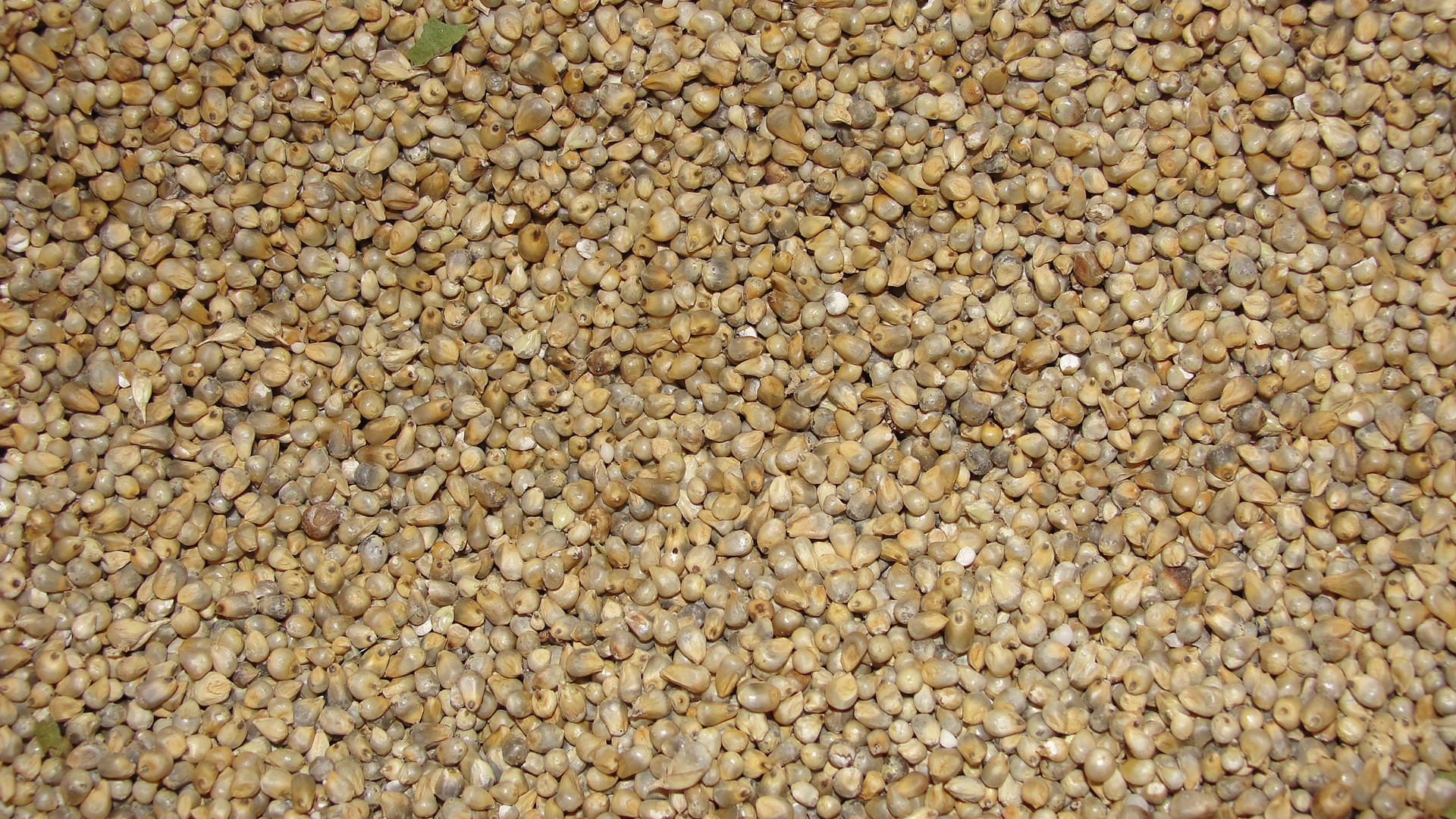

Millets and vegan living have become increasingly popular in recent years as more individuals recognize the nutritional potential of plant-based diets. Rich in essential nutrients and boasting numerous health benefits, millets offer a versatile and sustainable option for those looking to adopt a vegan lifestyle. As the world awakens to the environmental impact of animal agriculture, blending the consumption of millets with a vegan diet can unlock a wealth of nutritional possibilities while supporting the exploration of more sustainable food choices. By exploring the nutritional benefits and versatility of millets, we can better understand how these ancient grains can contribute to a well-rounded vegan lifestyle, both for our personal health and the health of the planet.
One of the key reasons individuals are turning to millets in their plant-based journey is their impressive nutritional profile. Millets are rich in fiber, protein, vitamins, and minerals that are essential for maintaining a balanced and healthy diet. From magnesium and phosphorus to iron and zinc, these grains offer a wide range of nutrients crucial for bodily functions. By incorporating millets into our vegan diets, we can ensure that we are not compromising our nutrient intake while avoiding animal products. Exploring the different varieties of millets and their nutritional values can assist vegans in making well-informed choices and achieving a well-rounded and wholesome diet.
Beyond their nutritional value, millets are a sustainable choice for both personal and environmental wellbeing. With their ability to grow in arid conditions and relatively low water requirements, millets have a small ecological footprint compared to other cereal crops. This makes them a suitable alternative to resource-intensive crops like rice and wheat. Moreover, millets are highly pest-resistant, reducing the need for pesticides. By incorporating these climate-resilient grains into our vegan diets, we can contribute to sustainable agriculture practices and minimize our impact on the environment.
Millets’ versatility in the kitchen is another reason why they are steadily gaining recognition in the plant-based culinary world. With their distinct flavors and textures, millets can be utilized in a myriad of dishes. From creamy porridges and hearty salads to crispy flatbreads and comforting pilafs, millets offer endless possibilities for creative vegan cooking. Their adaptability to different cuisines and their ability to absorb flavors make them an ideal ingredient for experimenting with diverse plant-based recipes. By incorporating millets into our vegan cooking repertoire, we can discover new tastes, flavors, and textures while enjoying the nutritional benefits they provide.
In addition to their versatility, millets are also incredibly affordable, making them accessible to individuals on different budgets. With rising food costs and economic fluctuations, millets can be a wallet-friendly option for those looking to maintain a healthy and fulfilling vegan diet. By exploring the affordability of millets and their potential role in vegan cooking, we can broaden the conversation around economic accessibility in sustainable plant-based living.
The combination of millets and vegan living opens the door to a world of flavors, textures, and tastes that cater to a wide range of dietary preferences. By embracing both millets and a vegan lifestyle, we can expand our culinary horizons while ensuring optimal nutrition for sustainable living. Whether it’s millet-based pancakes for breakfast, a millet and vegetable stir-fry for lunch, or a millet-infused dessert for dinner, the possibilities are endless. By unlocking the nutritional potential of these ancient grains through vegan living, we not only enhance our individual wellbeing but also contribute to the global movement towards a more sustainable and compassionate future.
In conclusion, the marriage of millets and vegan living presents a harmonious blend of nutritional benefits and sustainable choices. The versatility, affordability, and nutrient-rich nature of millets make them an ideal addition to a plant-based diet. By incorporating these ancient grains into our vegan lifestyles, we not only nourish our bodies but also contribute to the protection of the planet. Exploring the limitless culinary possibilities and nutritional advantages of millets can empower us to embrace a holistic approach to vegan living that encompasses our health, the environment, and our taste buds. So, let’s unlock the incredible potential of millets and embark on an exciting journey towards a more nourished and sustainable future.
Introduction
Millets have gained significant attention in recent years as a beneficial addition to plant-based diets. With veganism and vegetarianism on the rise, exploring alternative sources of essential nutrients becomes crucial. Millets, a group of small-seeded grasses, offer a variety of advantages for individuals seeking wholesome, sustainable, and nutritious food options. In this article, we will delve into the nutritional potential of millets in supporting vegan living and its contribution to a well-rounded plant-based diet.
Millets: A Nutritional Powerhouse
Millets, such as sorghum, foxtail millet, and pearl millet, are packed with essential macro and micronutrients. They are naturally gluten-free and rich in dietary fiber, proteins, vitamins, and minerals. Millets also have low glycemic indexes, making them an ideal choice for individuals aiming to manage blood sugar levels. They are a great source of antioxidants that aid in fighting inflammation and protecting against certain diseases, including heart diseases and cancers. Additionally, millets offer a good balance of carbohydrates and healthy fats, ensuring sustained energy levels throughout the day.
Millets for Enhanced Digestion
The high fiber content of millets makes them highly beneficial for digestive health. Millets work as prebiotics, promoting the growth and activity of beneficial gut bacteria. This, in turn, supports optimal digestion and nutrient absorption. Millets’ fiber-rich composition also helps prevent constipation, bloating, and other digestive discomforts. Regular consumption of millets can contribute to maintaining a healthy gut microbiome, a crucial aspect of overall well-being.
Meeting Protein Requirements
Protein is a vital macronutrient for vegans, and millets offer an excellent plant-based protein source. While they may not provide all essential amino acids in one variety, combining different millets or pairing them with legumes, nuts, or seeds creates a complete protein profile. This combination ensures that vegans receive all essential amino acids necessary for their body’s proper functioning and muscle growth and repair.
Millets as Iron and Calcium Boosters
Iron and calcium are essential minerals often associated with animal-based foods, leading to concerns for vegans. However, millets possess considerable amounts of these vital nutrients. Incorporating millets into a vegan diet can help meet the recommended daily intake of iron and calcium, promoting healthy red blood cell production, bone strength, and preventing deficiencies related to these minerals.
Managing Weight and Cholesterol Levels
Millets, with their high fiber content, aid in maintaining healthy body weight and managing cholesterol levels. The fiber helps to increase satiety, leading to reduced calorie consumption. Moreover, millets contain phytochemicals that assist in lowering LDL (bad) cholesterol levels. Consequently, millets make a valuable addition to vegan diets by supporting weight management and heart health.
Sustainability for a Healthy Planet
In addition to their nutritional benefits, millets also play a significant role in promoting sustainable food systems. Millet cultivation requires minimal water and has a low carbon footprint compared to many other grains. Incorporating millets into vegan diets can contribute to reducing water scarcity, greenhouse gas emissions, and deforestation associated with conventional farming methods, thus fostering a healthier planet for future generations.
Conclusion
In conclusion, millets offer numerous advantages for individuals embracing a vegan lifestyle. Their impressive nutritional profile, coupled with their potential to support digestive health, meet protein requirements, enhance iron and calcium intake, and manage weight and cholesterol levels, make them an ideal choice for plant-based diets. Moreover, millets’ cultivation aligns with sustainable practices, providing an environmentally friendly and ethical alternative. The inclusion of millets in vegan diets not only promotes personal well-being but also contributes to a better future for both individuals and the planet.
Summary
Millets and vegan living have gained popularity due to their nutritional potential and environmental benefits. Millets are rich in essential nutrients and offer a sustainable option for those adopting a vegan lifestyle. Incorporating millets into a vegan diet ensures a balanced nutrient intake while avoiding animal products. Millets are also sustainable as they require less water and pesticides compared to other crops. They are versatile in the kitchen, allowing for creative vegan cooking. Millets are affordable, making them accessible to individuals on different budgets. The combination of millets and vegan living enhances culinary experiences while contributing to a sustainable future.
FAQ
What are millets, and how do they contribute to a plant-based diet?
Millets are a group of small-seeded grasses that are widely consumed as food staples in many parts of the world, especially in Asia and Africa. They are gluten-free, highly nutritious, and have a unique range of culinary uses. Millets provide various health benefits as they are rich in essential nutrients like fiber, protein, vitamins, and minerals. Including millets in a vegan or plant-based diet can help to diversify the range of nutrients consumed and provides a sustainable alternative to other grains like wheat and rice.
Can a vegan diet meet all the nutritional needs of an individual, including essential nutrients like protein and iron?
Yes, a well-planned vegan diet can absolutely fulfill all the nutritional requirements of an individual. Plant-based sources like millets, legumes, tofu, tempeh, and seitan are excellent sources of protein. Additionally, incorporating a variety of fruits, vegetables, nuts, and seeds can provide the necessary vitamins and minerals. Iron, in particular, can be obtained through plant-based sources like dark leafy greens, legumes, tofu, and fortified cereals. It is crucial to ensure adequate consumption of these foods and, if necessary, consider supplements or fortified foods to achieve optimal nutrition on a vegan diet.
Are millets suitable for individuals with specific dietary restrictions, such as gluten intolerance or celiac disease?
Absolutely! Millets are naturally gluten-free, making them an ideal choice for individuals with celiac disease or gluten intolerance. These grains offer a wonderful alternative to gluten-containing grains like wheat, barley, and rye while still providing similar nutritional benefits. Millets can be used in various forms, including whole grains, flour, or flakes, making them versatile for baking, cooking, and as a substitute for other grains in meals.
How can millets contribute to a sustainable and eco-friendly lifestyle?
Millets play a crucial role in promoting sustainability and supporting eco-friendly practices. They require significantly less water compared to other crops, making them highly water-efficient and resilient to drought conditions. Millet cultivation also helps to improve soil health, reduce soil erosion, and maintain biodiversity. Furthermore, millets are typically grown using traditional farming methods that minimize the need for chemical pesticides and fertilizers. By incorporating millets into our diets, we can support sustainable agricultural practices and reduce our carbon footprint while enjoying their numerous health benefits.