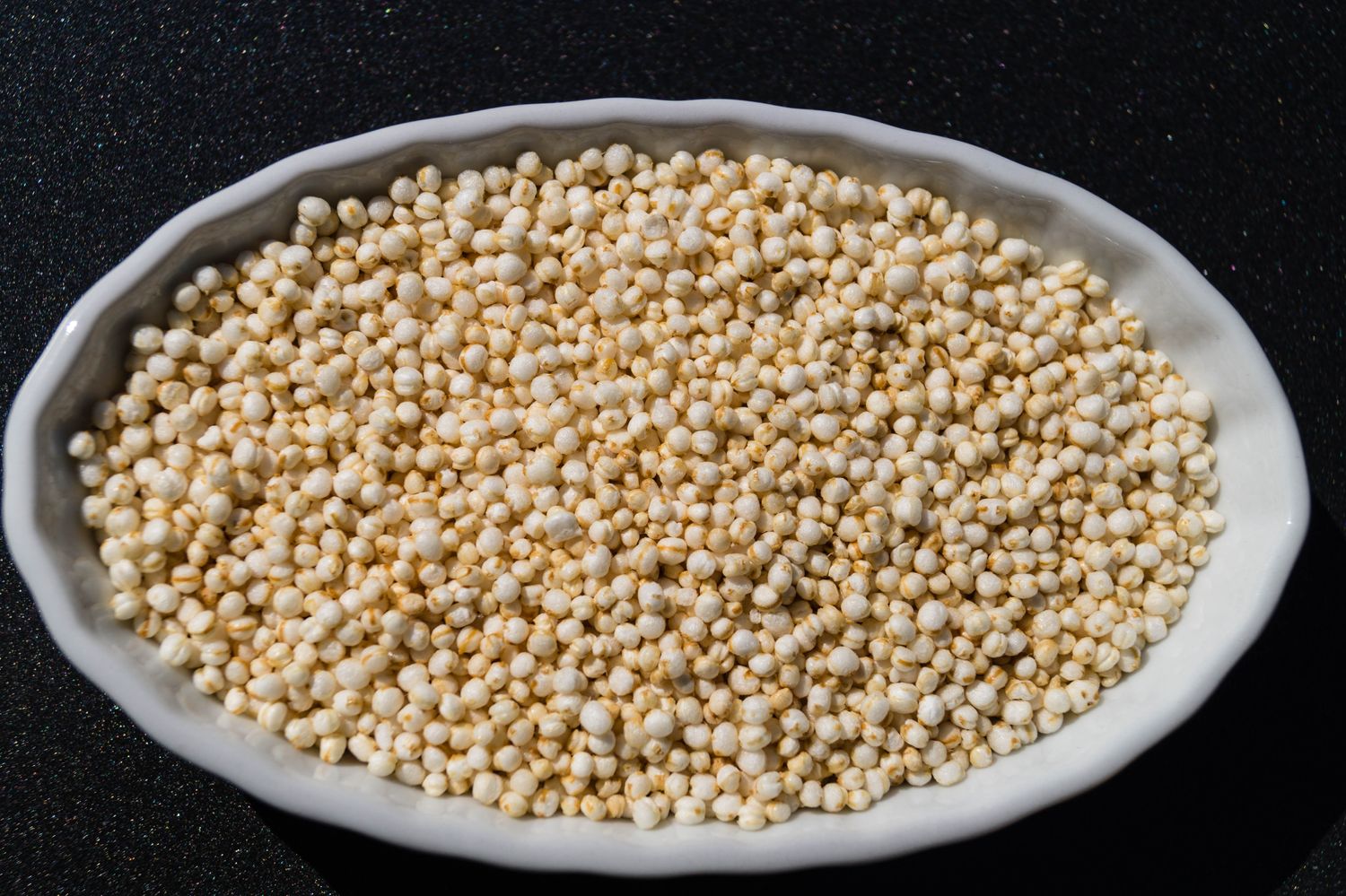

Whole grains have long been a staple in our diets, but in recent years, one particular grain has been making a comeback and stealing the spotlight: millets. These ancient grains, once overshadowed by modern crops, are now hailed as champions of sustainable living. Packed with nutrients, easy to grow, and adept at surviving harsh conditions, millets offer a plethora of benefits beyond just nourishing our bodies. Whether you are an environmentally conscious individual or an avid food lover searching for a healthier alternative, exploring the world of millets might just lead you to a path of sustainable living that aligns with your values.
In a world grappling with the challenges of food security and climate change, millets offer a ray of hope. Unlike conventional crops such as wheat and rice, millets are known for their resilience in adverse conditions. These hardy grains require less water, fewer fertilizers, and are naturally pest-resistant, making them an ideal choice for sustainable agriculture. By choosing millets, we can mitigate the strain on our planet’s resources while ensuring a consistent food supply for future generations. Embracing millets not only helps us make a positive impact on the environment but also creates a domino effect that fosters sustainable livelihoods for farmers and rural communities around the world.
Aside from being eco-friendly, millets boast an impressive nutritional profile that can rival that of any superfood. Rich in fiber, antioxidants, vitamins, and minerals, these grains offer a range of health benefits. Millets have been linked to reducing the risk of heart disease, diabetes, and certain types of cancer. Their high fiber content aids in digestion, promoting a healthy gut and preventing digestive disorders. Additionally, millets are gluten-free, making them an excellent choice for individuals with gluten sensitivities or those who simply wish to diversify their diet.
One of the most enticing aspects of millets is their versatility in the kitchen. From savory dishes to sweet treats, millets can be incorporated into a wide array of culinary creations. Their unique textures and flavors lend themselves well to both traditional and experimental recipes. Imagine indulging in a warm, fluffy millet pilaf dotted with fragrant spices, or savoring a delectable millet-based pizza crust that is crispy on the outside and soft on the inside. With millets, the possibilities are endless, allowing us to embrace biodiversity in our diet and discover new and exciting flavors.
Transitioning to a sustainable lifestyle can sometimes feel overwhelming, but incorporating millets into our daily lives can be a simple and rewarding step towards a greener future. These grains are not only beneficial for the planet and our health but also for our local economies. By choosing millets, we are supporting small-scale farmers who have been cultivating these grains for generations, preserving their cultural heritage and economic independence. Furthermore, millets have the potential to revitalize rural communities by providing new income opportunities and nourishing self-sufficiency.
Beyond their ecological and health advantages, millets have deep-rooted cultural significance across the globe. These grains have been consumed for thousands of years, providing sustenance to civilizations and shaping cultural identities. By choosing to embrace millets, we can honor this rich heritage and reconnect with our roots. In a world that seems to be moving towards homogeneity, incorporating diverse and sustainable grains like millets into our diets is a powerful way to celebrate our collective human history and preserve biodiversity. So, whether you are seeking a healthier lifestyle or a way to make a positive impact on our planet, consider the benefits of choosing millets and embark on a journey towards sustainable living.
1. Introduction to Millets
Millets are a group of small-seeded grasses that have been cultivated for thousands of years as a staple food source in various parts of the world. These grains have gained significant attention in recent years due to their numerous health benefits and their suitability for sustainable living.
2. Highly Nutritious and Gluten-Free
Millets are packed with essential nutrients such as fiber, vitamins, minerals, and antioxidants. They are also naturally gluten-free, making them a perfect choice for those with gluten sensitivities or celiac disease. Additionally, millets have low glycemic index values, which helps regulate blood sugar levels and prevents sudden spikes that can contribute to chronic conditions like diabetes.
3. Environmentally Friendly Crop
Millets are highly resilient and require minimal water and fertilizers compared to other grain crops. They adapt well to diverse climatic conditions, making them an ideal crop for regions facing water scarcity or prone to droughts. Moreover, millets are known for their ability to enrich soil fertility due to their low input requirements, making them an environmentally friendly choice for sustainable agriculture.
4. Promotes Biodiversity
Choosing millets for sustainable living contributes to the preservation of biodiversity. The cultivation of millets encourages crop diversification, reducing the dependency on monoculture farming practices that can lead to soil degradation, pest outbreaks, and decreased ecosystem resilience. By incorporating millets into our diets, we support farmers who cultivate a wider range of crops, which in turn helps protect biodiversity and ecosystems.
5. Economic and Food Security
Millets have the potential to improve economic conditions for farmers and enhance food security. Their low production costs, high yield rates, and market value can provide small-scale farmers with better economic returns. Additionally, millets are highly versatile and can be processed into various nutritious products, expanding market opportunities. By promoting millets, we strengthen local food systems, reduce dependency on imported grains, and ensure a diverse and nutritious food supply for communities.
6. Climate Change Adaptability
In the face of climate change, millets offer resilience and adaptability. These crops have a short growing season and require less water, making them less vulnerable to extreme weather events. By diversifying our food sources and incorporating climate-resilient crops like millets into our diets, we can mitigate the impacts of climate change on agriculture while ensuring sustainable food production.
7. Culinary Versatility
Millets are incredibly versatile and can be used in a wide range of culinary applications. From being ground into flour for baking to being cooked as whole grains, millets offer countless possibilities in the kitchen. They can be used in a variety of dishes, including porridges, salads, soups, and even desserts. Exploring millet-based recipes adds diversity to our diet and encourages creativity in the kitchen.
8. Conclusion
Choosing millets for sustainable living is a win-win situation. By incorporating these nutritious grains into our diets, we improve our health while supporting environmentally friendly agriculture and promoting biodiversity. Embracing millets is a small yet impactful step towards achieving a more sustainable future for both ourselves and the planet.
Summary
Millets are ancient grains that are gaining popularity due to their sustainability and nutritional benefits. They are resilient crops that require less water, fewer fertilizers, and are naturally pest-resistant, making them ideal for sustainable agriculture. Choosing millets helps mitigate strain on the planet’s resources and ensures a consistent food supply. They are also packed with fiber, antioxidants, vitamins, and minerals, and have been linked to reducing the risk of heart disease, diabetes, and cancer. Millets are gluten-free and versatile in the kitchen, making them suitable for a variety of dishes. Embracing millets supports small-scale farmers and preserves cultural heritage. They also celebrate biodiversity and reconnect us to our roots, making them a powerful choice for a greener future.
FAQ
What are millets and why are they considered beneficial for sustainable living?
Millets are a group of small-seeded, nutritious grains that have been cultivated for thousands of years. They are known for their hardiness and ability to grow in diverse climatic conditions with minimal water and chemical inputs. Millets play a crucial role in sustainable living due to their environment-friendly cultivation practices. Unlike water-intensive crops like rice or wheat, millets require significantly less water, making them ideal for regions facing water scarcity. Moreover, millets have low pest and disease vulnerabilities, reducing the need for pesticides. These grains are rich in dietary fiber, vitamins, minerals, and antioxidants, promoting healthy eating habits. By choosing millets, individuals contribute to sustainable agriculture, conserve natural resources, and promote food security.
Are millets suitable for people with dietary restrictions?
Millets are highly suitable for individuals with dietary restrictions or specific health conditions. Firstly, they are gluten-free, making them an excellent alternative for those with celiac disease or gluten intolerance. Additionally, millets have a low glycemic index, which means they do not cause a sharp rise in blood sugar levels like refined grains. Therefore, they are a suitable choice for individuals with diabetes or those aiming to manage their weight. Millets are rich in dietary fiber, which aids digestion, supports bowel regularity, and promotes heart health. They also contain essential nutrients like magnesium, iron, and phosphorus. Overall, millets can be part of a well-balanced and diverse diet, benefiting a wide range of individuals.
Can millets help in mitigating climate change and promoting sustainable agriculture?
Yes, millets can play a significant role in combating climate change and promoting sustainable agriculture. Their resilience allows for successful cultivation even in harsh climatic conditions, reducing the pressure on fragile ecosystems. Millets require minimal water, making them a sustainable alternative to water-intensive crops. By growing millets, farmers can conserve water resources and promote the efficient use of irrigation facilities. Furthermore, millets are naturally resistant to pests and diseases, reducing the need for chemical inputs such as pesticides and fertilizers. This reduces the environmental impact of agriculture, minimizes water pollution, and preserves soil fertility. Embracing millet cultivation can lead to sustainable farming practices, protect biodiversity, and contribute to global efforts in mitigating climate change.
How can incorporating millets into our diets contribute to food security?
The consumption and cultivation of millets can play a critical role in ensuring food security. Due to their adaptability to diverse climates, millets can be grown in areas where other crops might fail, making them a valuable option for regions prone to drought or erratic weather patterns. By diversifying food production and encompassing millets in agricultural practices, communities can enhance their resilience in the face of unpredictable events, such as climate change-induced crop failures. Additionally, millets are nutritious and provide a range of health benefits, making them an important component in combating malnutrition and promoting well-being. By incorporating millets into our diets and supporting their production, we can contribute to global food security by diversifying our food sources and ensuring the availability of sustainable, nutritious options for all.