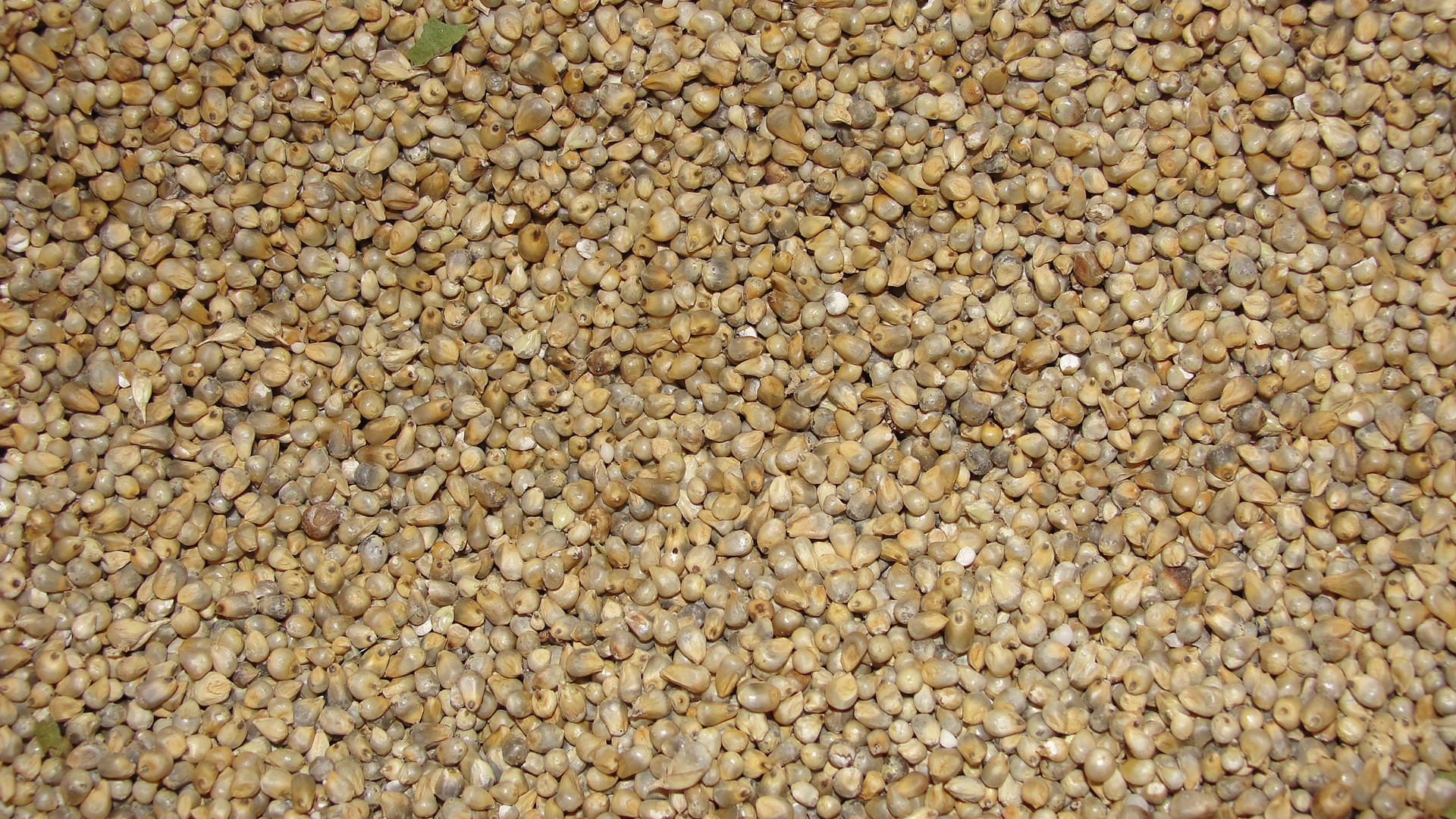
Imagine a world where you can effortlessly enhance your immunity and overall wellbeing, simply by incorporating a single ingredient into your diet. Well, that very ingredient might just be hiding in plain sight: millets. For centuries, these small-seeded grains have been silently cultivated and consumed across various cultures, offering a plethora of health benefits that have been largely overlooked. Bursting with essential nutrients, millets have emerged as a powerful yet humble secret for those seeking to boost their immune system and achieve optimal health. Join us as we delve into the fascinating world of millets and uncover the extraordinary potential they hold within.
In our modern quest for health and wellness, it is essential to find natural and sustainable sources of nutrition. Step forward, millets! These ancient grains offer a refreshing alternative to the highly processed staples that dominate our diets. Rich in vitamins, minerals, and antioxidants, millets boast an impressive nutritional profile capable of supporting our immune system and promoting overall wellbeing. Not only are they gluten-free, making them suitable for those with dietary restrictions, but millets are also known to stabilize blood sugar levels and reduce the risk of chronic diseases such as diabetes and heart disease.
In today’s fast-paced world, where stress and anxiety seem to lurk around every corner, finding ways to protect and boost our mental health is crucial. Surprisingly, millets may hold the key to unlocking our peace of mind. Packed with magnesium, a vital mineral known for its stress-reducing properties, millets have the ability to calm our nervous system and enhance our mood. Furthermore, these grains contain tryptophan, an amino acid that supports the production of serotonin – the “feel-good” hormone responsible for promoting happiness and reducing anxiety.
As we seek ways to improve our overall health, it is essential to pay attention to the health of our gut. Enter millets, the unsung heroes of gut health! These resistant starches act as prebiotics, feeding the beneficial bacteria in our gut and fostering a healthy microbiome. A balanced microbiome not only aids digestion but also enhances nutrient absorption, strengthens our immune system, and reduces the risk of gastrointestinal disorders. By incorporating millets into our diet, we can nurture our gut and cultivate vibrant health from within.
In recent years, there has been a surge of interest in ancient grains and the benefits they offer our bodies. Among these treasures lies millets, unassuming yet extraordinary in their nutritional value. Consisting of a variety of millet species such as pearl millet, finger millet, and foxtail millet, these grains lend themselves to infinite culinary possibilities. They can be transformed into fluffy pancakes, crispy dosas, hearty pilafs, or even used as a gluten-free flour alternative. By exploring the versatility of millets in our kitchens, we open ourselves up to a world of new flavors, textures, and healthful choices.
In a world where weight management has become an obsession, millets provide a balanced and sustainable solution. Unlike refined carbohydrates that cause rapid spikes in blood sugar levels, millets have a low-glycemic index, meaning they release glucose into the bloodstream slowly. This steadies our energy levels, reduces cravings, and provides a lasting feeling of fullness. Additionally, the high fiber content in millets aids in digestion and supports healthy weight management. By incorporating millets into our meals, we can savor satisfying and delicious dishes without compromising our health or wellbeing.
Unlocking the secret to enhanced immunity and overall wellbeing may be as simple as embracing the power of millets. Whether we seek to support our immune system, improve our mental health, nurture our gut, diversify our culinary skills, or manage our weight effectively; millets offer a solution that is both nutritious and delicious. So, let us dive deep into the fascinating world of these unassuming grains and discover the boundless potential they hold for our health and vitality. Prepare to be amazed as we reveal the extraordinary impact that millets can have on our wellbeing.
1. Introduction
Introduce the topic of millets and their significance for immunity and wellbeing. Highlight their growing popularity and the need to incorporate them into our diets.
Explain briefly how millets are ancient grains that have been consumed for thousands of years due to their health benefits and nutritional value.
2. Rich Source of Nutrients
Discuss the various nutrients present in millets, such as fiber, protein, essential minerals, and vitamins. Explain how these nutrients contribute to boosting immunity and overall wellbeing.
Highlight the fact that millets are gluten-free and low in glycemic index, making them suitable for people with gluten intolerance or diabetes.
3. Antioxidant Properties
Elaborate on the antioxidant properties of millets and how they help in fighting against harmful free radicals in the body. Discuss specific antioxidants, such as phenolic compounds and flavonoids, found in millets.
Explain how antioxidants play a crucial role in boosting the immune system and reducing the risk of chronic diseases.
4. Gut Health and Digestion
Describe the high fiber content in millets and its positive impact on gut health and digestion by promoting proper bowel movements and preventing constipation.
Explain how a healthy gut directly affects overall immunity and wellbeing, emphasizing millets as an excellent addition to a balanced diet for maintaining optimal digestive health.
5. Lowers Cholesterol and Heart Health
Discuss the cholesterol-lowering effects of millets due to their high fiber content and the presence of phytosterols.
Explain how consuming millets can reduce the risk of heart diseases by maintaining healthy blood pressure levels and preventing the build-up of plaque in arteries.
6. Diabetes Management
Explain the low glycemic index of millets and how they release glucose slowly into the bloodstream, making them beneficial for individuals with diabetes.
Provide evidence of studies showing that millets can help regulate blood sugar levels, improve insulin sensitivity, and reduce the risk of developing type 2 diabetes.
7. Versatility in Culinary Uses
Highlight the versatility of millets and their ability to be incorporated into various dishes, including salads, soups, porridges, and even baked goods.
Provide examples of traditional millet-based recipes from different cuisines, encouraging readers to try different preparations and discover their favorite ways of consuming millets.
8. Conclusion
Summarize the key points discussed in the article, emphasizing that millets serve as a secret ingredient for boosting immunity and overall wellbeing.
Encourage readers to include millets in their diets regularly to harness the numerous health benefits and experience improved immunity and overall health.
Summary
Millets are small-seeded grains that have been cultivated and consumed for centuries, offering numerous health benefits. They are rich in essential nutrients and can boost the immune system, stabilize blood sugar levels, and reduce the risk of chronic diseases. Millets also have stress-reducing properties and promote mental health by enhancing mood and reducing anxiety. They act as prebiotics and support gut health, aiding digestion and strengthening the immune system. Millets can be used in various culinary creations and provide a balanced and sustainable solution for weight management. Embracing the power of millets can enhance overall wellbeing and vitality.
FAQ
Why are millets considered a secret ingredient for boosting immunity and wellbeing?
Millets are considered a secret ingredient for boosting immunity and wellbeing due to their numerous health benefits. Millets are rich in essential nutrients like vitamins, minerals, and antioxidants, which are known to support the immune system and improve overall wellbeing. These grains are also gluten-free and have a low glycemic index, making them suitable for those with celiac disease or diabetes. Consuming millets regularly can help strengthen the immune system, fight off infections, and reduce the risk of chronic diseases such as heart disease, diabetes, and certain types of cancer. Their high fiber content promotes healthy digestion and aids in weight management. Additionally, millets contain compounds that have anti-inflammatory properties, further supporting immune health.
How can millets be incorporated into daily meals for maximum immune-boosting benefits?
Incorporating millets into daily meals is simple and can lead to significant immune-boosting benefits. Millets can be used in a variety of ways, such as substituting rice or wheat in dishes like upma, porridge, or dosa. They can also be ground into flour for use in baking bread, cookies, or pancakes. Millet grains can be added to soups, stews, salads, or used as a base for pilafs. Millet flour can also be used as a coating for meats or as a thickener for soups and sauces. Additionally, millet grains can be sprouted and added to salads or enjoyed as a healthy snack. By replacing refined grains with millets, one can increase the intake of essential nutrients and boost the immune system, all while enjoying a variety of delicious and wholesome meals.
Are there any specific millets that are particularly beneficial for immunity and wellbeing?
While all millets come with their own set of health benefits, there are a few specific types that are particularly beneficial for immunity and overall wellbeing. Foxtail millet is known to be rich in iron and calcium, essential for maintaining healthy red blood cells and strong bones. Finger millet, on the other hand, contains high levels of antioxidants and is an excellent source of amino acids, making it beneficial for overall health and immune system support. Pearl millet is known to have a high fiber content, aiding in digestion and preventing constipation. Additionally, it provides essential minerals like magnesium and zinc, which are crucial for immune function. It is advisable to include a variety of millets in one’s diet to reap the maximum benefits and enjoy a diverse range of nutrient profiles.
Can millets be consumed by individuals with gluten intolerance or celiac disease?
Yes, millets can be consumed by individuals with gluten intolerance or celiac disease. Millets are naturally gluten-free, making them an excellent alternative to wheat, barley, and rye for those with gluten-related disorders. People with celiac disease must strictly avoid gluten to prevent damage to the small intestine. Introducing millets into their diet can be a beneficial and nutritious way to diversify their meals and ensure they are receiving essential nutrients. In fact, including millets in a gluten-free diet can help improve overall nutrition as these grains are rich in vitamins, minerals, and fiber. However, it is important to ensure that the millets consumed are not cross-contaminated with gluten during processing or cooking, as this can potentially trigger symptoms in individuals with gluten intolerances. It is crucial to read labels carefully and buy millet products that are certified gluten-free to ensure safety.