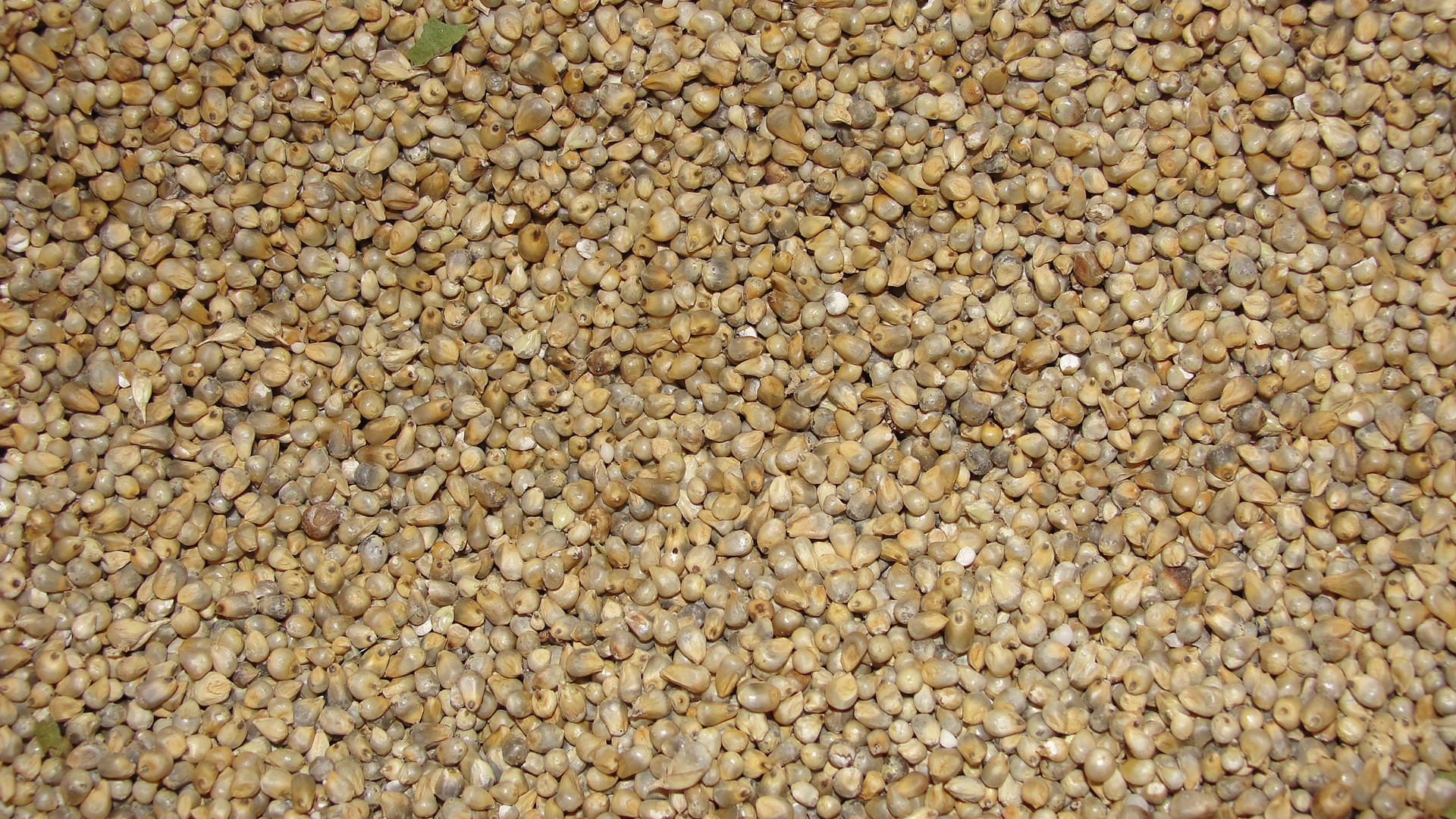
It’s no longer a secret that millets have hit the headlines in recent times. From celebrity endorsements to social media testimonials, millets have become the talk of the town in the health and wellness industry. But what exactly are millets, and why has their popularity surged in recent years? In this article, we’ll explore the millet trend, and why it’s here to stay.
Millets are a group of ancient grains that have been around for centuries, and are native to India and Africa. Unlike modern cereals, such as wheat and rice, they are gluten-free, and offer a range of health benefits. They are low in calories, high in fiber, and packed with essential minerals such as magnesium, calcium, and iron. No wonder, then, that they are considered a superfood by many.
But what makes millets truly fascinating is their versatility. They can be used in a variety of dishes, ranging from porridges and breads to salads, soups, and stews. They can be cooked in much the same way as rice, and are great alternatives for people who are looking to add more grains to their diet. Plus, with their unique texture and nutty flavor, they add a new dimension to any meal.
So why has the millet trend taken off in recent years? One reason is the growing awareness of gluten intolerance and celiac disease. As more and more people look for gluten-free alternatives, millets have become an attractive option. In addition, there is a greater focus on sustainable agriculture and biodiversity, and millets fit the bill perfectly. They are drought-tolerant, require fewer pesticides, and are more resilient to climate change than many other crops.
But perhaps the biggest reason for the millet trend is the fact that they are simply delicious. With their unique taste and texture, they add a new dimension to any meal, and can be used in both sweet and savory dishes. Plus, with their range of health benefits, they offer a guilt-free indulgence that is hard to resist. So whether you’re a health-conscious foodie or simply looking to try something new, the millet trend is here to stay.
The Millet Trend
Millet, a small-grain seed that has been cultivated for thousands of years, is quickly gaining popularity in the health food community. Its rise in popularity can be attributed to its numerous health benefits, versatility in cooking, and sustainable cultivation methods.
While many people may not have heard of millet before, it has been a staple crop in Africa and Asia for centuries. Millet is gluten-free, high in protein and fiber, and contains a range of essential vitamins and minerals. It can be used in everything from porridges and bread to salads and bowls, making it a versatile ingredient for any meal.
Why It’s Here to Stay
The millet trend is not just a passing fad. As more and more people seek out healthy, sustainable, and nutrient-rich foods, millet is poised to become a pantry staple. Its versatility in the kitchen, nutritional value, and sustainable cultivation methods make it an excellent choice for conscious consumers.
Millet is also a resilient crop that can thrive in harsh conditions and requires less water than many other grain crops. As climate change continues to threaten global food security, millet’s resilience and adaptability may prove invaluable in the fight against food insecurity.
The Health Benefits of Millet
Millet is an excellent source of protein and fiber. It is also rich in minerals such as magnesium, phosphorus, and potassium, as well as essential vitamins like thiamine and niacin. Millet has been shown to help regulate blood sugar levels, improve digestion, and lower cholesterol.
For those following a plant-based diet, millet is a great source of protein. It has a higher protein content than other grains like rice or quinoa and is also gluten-free, making it a good alternative for those with gluten sensitivities.
Cooking with Millet
Cooking with millet is easy and versatile. It can be used in everything from breakfast porridges and baked goods to salads and stir-fries. As a general rule, millet should be rinsed thoroughly before cooking to remove any dirt or debris. It can be cooked in water or broth and takes approximately 20-25 minutes to cook.
Millet has a slightly nutty flavor and a slightly crunchy texture. It can be used as a substitute for rice, quinoa, or other grains in recipes. It also pairs well with a range of flavors, making it a great base for creative and flavorful dishes.
Millet-Based Recipes
There are countless millet-based recipes to choose from, making it easy to incorporate this versatile grain into your diet. Some popular recipes include millet porridge, millet pilaf, and millet salad bowls. For a sweet treat, try making millet-based energy bites or granola bars.
Below you’ll find a simple recipe for millet porridge, perfect for a warm and filling breakfast.
Millet Porridge Recipe
Ingredients:
- 1 cup millet
- 3 cups water or milk
- 1 tablespoon honey, maple syrup, or other sweetener (optional)
- Pinch of salt
- 1/2 teaspoon cinnamon (optional)
Instructions:
- Rinse millet thoroughly and drain.
- In a pot, bring 3 cups of water or milk to a boil.
- Add the millet, sweetener (if using), salt, and cinnamon (if using).
- Reduce heat to low and simmer, stirring occasionally, for 20-25 minutes or until the liquid is absorbed and the millet is tender.
- Serve warm with your favorite toppings, such as fresh fruit, chopped nuts, or a drizzle of honey or maple syrup.
Where to Buy Millet
Millet can be found at many health food stores, specialty food stores, or online. Look for millet in the bulk section or next to other grains like rice and quinoa. You can also find packaged millet products such as millet flour or millet cereal.
When purchasing millet, look for organic and non-GMO options. This ensures that the millet has been grown without harmful chemicals and has not been genetically modified.
In Conclusion
While millet may not be as well-known as other grains, it is quickly gaining popularity in the health food community. Its numerous health benefits, versatility in cooking, and sustainable cultivation methods make it an excellent choice for conscious consumers. By incorporating millet into your diet with simple and delicious recipes, you can enjoy all the benefits that this ancient seed has to offer.
Summary
Millets, a group of ancient grains native to India and Africa, have surged in popularity in the health and wellness industry due to their gluten-free nature and range of health benefits. They are low in calories, high in fiber, and packed with essential minerals. Millets are versatile and can be used in various dishes, such as porridges and salads. The trend has taken off due to a growing awareness of gluten intolerance, sustainable agriculture, and their unique taste and texture. With their range of health benefits, the millet trend is set to stay for health-conscious foodies looking to try something new.
FAQ
What is the millet trend and why is it gaining popularity?
Millet is a gluten-free grain that has been consumed for thousands of years in India and Africa but it’s been gaining popularity in the West in recent years. It’s packed with nutrients like fiber, B vitamins, magnesium, and antioxidants, also high in protein, and offers numerous health benefits, including better digestion, weight management, and blood sugar control. Additionally, millet is easy to cook, affordable, and versatile to use in recipes from breakfast to dinner, and even dessert.
How do I incorporate millet into my diet?
There are many ways to include millet in your diet. You can use it as a substitution for rice, quinoa, or couscous side dishes. You can also cook it up for breakfast as a warm cereal or swap it in for oats in an overnight oats recipe. For lunch or dinner, millet pairs well with roasted vegetables, salads, soups, stews, or curries. You can also use it as a stuffing for vegetables like peppers or squash. When baking, millet flour can be used as a healthy replacement for wheat flour in many recipes, including bread, muffins, pancakes, and more.
Can people with gluten intolerance or celiac disease consume millet?
Millet is technically gluten-free, which means people with gluten intolerance or celiac disease can safely consume millet as it doesn’t contain gluten protein. However, cross-contamination during processing or preparation could occur, so it’s important to make sure the millet you buy is labeled gluten-free to avoid any health risks. Millet can be a great alternative for people with gluten intolerance or celiac disease looking for gluten-free grains to incorporate in their diet.
Are there any precautions I should take when adding millet to my diet?
While millet is generally considered safe to consume, it’s important to note that some people may have an allergy to millet. If you develop symptoms such as hives, itching, or difficulty breathing after consuming millet, seek medical attention immediately. Additionally, millet contains goitrogens, which can interfere with thyroid function, so people with thyroid issues should consume it in moderation. Finally, while millet is nutritious, it’s still high in calories, so be mindful of portion sizes when incorporating it into your meals.