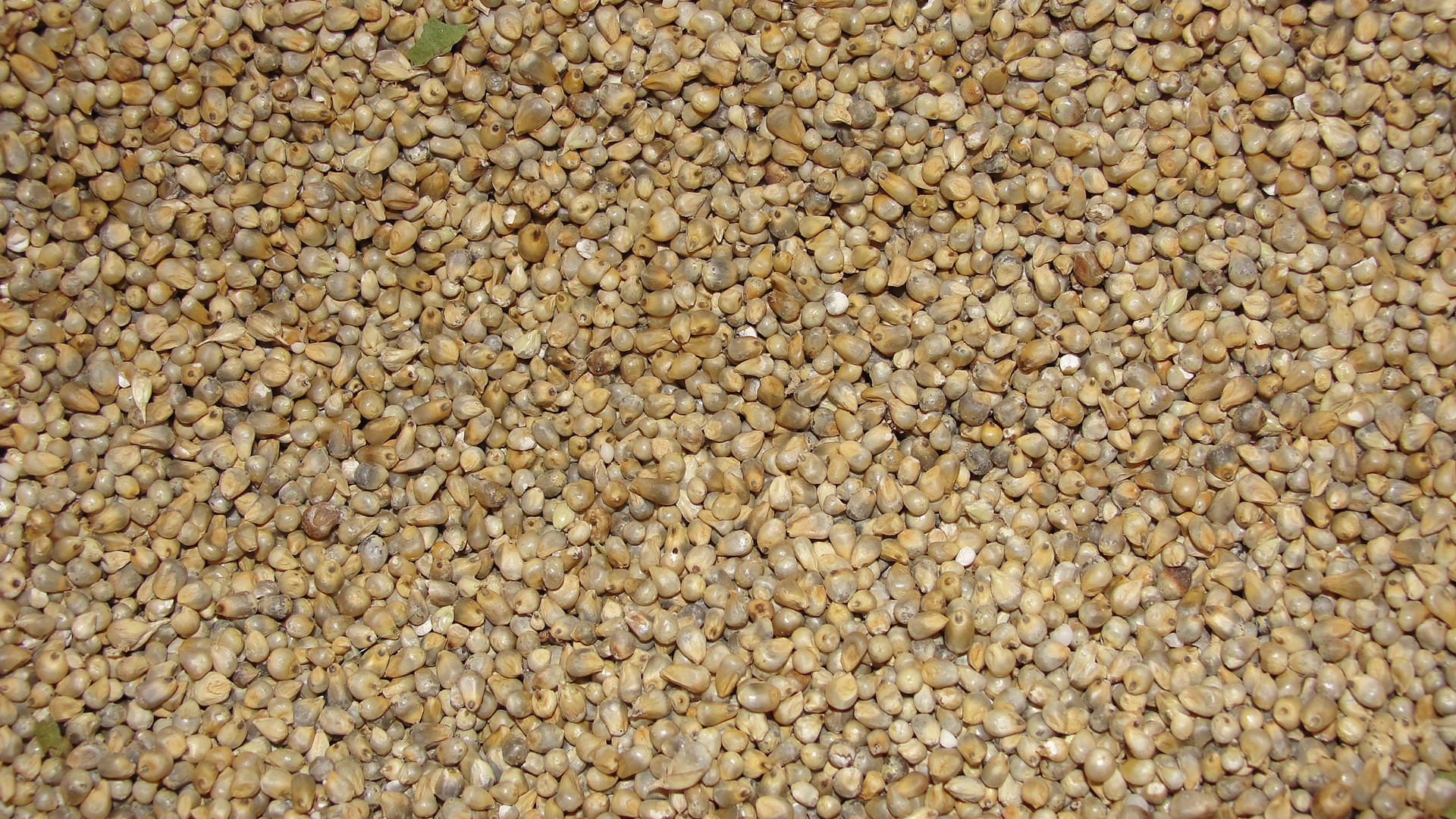

Millets are a group of small-seeded grains which are grown in semi-arid regions around the world. They have had a long history of cultivation in many regions and were a staple food crop for many communities. However, with the development of modern agriculture practices, the cultivation of millets decreased significantly. In recent years there has been a growing awareness of the environmental impact of intensive agriculture practices and the desire for more sustainable food choices. This has led to a renewed interest in millets, as they offer many benefits both for people and the planet. In this article, we explore the sustainable benefits of choosing millets as a staple food.
One of the key reasons why millets are considered sustainable is because of how they are cultivated. Unlike many modern intensive agriculture practices, millets grow well in poor soils without the need for chemical fertilizers and pesticides. This makes them ideal for small-scale farmers who do not have the resources to buy expensive inputs. Additionally, millets are drought-resistant and require less water than many other cereal crops. This means that they are better suited to semi-arid regions where water scarcity is a concern.
The cultivation of millets also has positive ecological impacts. When grown in rotation with other crops, millets can help to break pest and disease cycles in the soil, reducing the need for chemical inputs. They also have a shallow root system which helps to improve soil health by allowing better water and nutrient retention. This in turn can lead to improved yields for other crops grown in rotation.
In addition to their sustainability benefits, millets are also highly nutritious. They are rich in fiber, protein, vitamins and minerals, making them an excellent choice for a healthy diet. They are also gluten-free, making them ideal for people who have gluten sensitivities or celiac disease. With the rise in popularity of plant-based diets, millets provide a sustainable and healthy alternative to other cereal grains.
Another reason why millets are sustainable is because of their low carbon footprint. Unlike many other cereal crops, millets require minimal processing and transportation, which reduces the amount of energy needed to bring them to the market. They also grow quickly and reach maturity within a short period, which reduces the amount of time required to grow them, further contributing to a lower carbon footprint.
The consumption of millets is also a way to support sustainable agriculture practices and small-scale farmers. By choosing to buy millet-based products, consumers can help to create demand for these grains and support the cultivation of millets by small farmers. This can have a positive impact on local economies and provide an alternative income source for farmers who may be struggling with the challenges of climate change and changing agricultural practices.
In conclusion, millets offer a sustainable alternative to other cereal grains that have a positive impact on both people and the planet. They are easy to grow, highly nutritious, and have a low carbon footprint. The consumption of millets can also help to support small-scale farmers and contribute to the promotion of sustainable agriculture practices. By choosing these grains, we can move towards a food system that is healthier, more environmentally friendly, and equitable for all.
Introduction
Millets are small grains that are highly nutritious and have been a staple food in many cultures for centuries. They are gaining popularity in recent times due to their various health benefits. Moreover, the cultivation of millets has a significant impact on sustainable agriculture as they are low-input crops that require fewer resources like water and fertilizers. This article explores the benefits of choosing millets over other grains and how it can contribute positively to the environment.
Millets and Sustainable Agriculture
Millets have several ecological advantages such as low water and nutrient requirements, high drought tolerance, and the ability to grow in arid and marginal lands. Thus, they are ideal crops for dry areas and are extensively grown in developing countries. Unlike rice and wheat, millets can be grown with minimum inputs, making them affordable for smallholder farmers. They also contribute to soil health as they are nitrogen-fixing crops that improve soil fertility.
Reduced Greenhouse Gas Emissions
The cultivation of millets produces less greenhouse gas emissions compared to other grains like rice and wheat. These crops require less irrigation and do not need nitrogen fertilizers. As a result, the carbon footprint of millet cultivation is relatively lower than other grains.
Conservation of Biodiversity
Millets are significant in maintaining agro-biodiversity. They grow in different varieties that are adapted to diverse ecological regions. This diversity helps increase genetic variability which is essential for crop adaptation to changing climatic conditions. Furthermore, millet crops provide habitats for a variety of insects, birds, and small mammals, thus contributing positively to biodiversity conservation.
Health Benefits of Millets
Millets are rich in fiber, protein, vitamins, and minerals, and are gluten-free. They are suitable for people with celiac disease and provide numerous health benefits like controlling blood sugar levels, reducing cholesterol, and preventing heart diseases. Millets can be consumed by grinding into flours, making them into porridge, or using them in soups and stews.
Supports Local Agriculture and Boosts Economy
Choosing to consume millets promotes local agriculture and supports farmers. The cultivation of millets generates employment opportunities in rural areas, which boosts the economy. Furthermore, consuming locally grown products helps reduce the carbon footprint of food production and transportation.
Challenges in Promoting Millets
Despite the numerous benefits of millets, their production and consumption are declining in many countries. Factors such as lack of research and development, inadequate supply chains, and a lack of awareness and market demand contribute to this decline. Governments and organizations can support the millet industry and promote awareness on their benefits to address these challenges.
Conclusion
Millets are sustainable, nutritious, and environmentally friendly crops that have several advantages over other grains. Choosing to consume millets supports sustainable agriculture, protects the environment, and offers numerous health benefits. Governments and organizations can promote the cultivation and consumption of millets and support local farmers to upscale the millet industry.
Summary
Millets, a group of small-seeded grains grown in semi-arid regions, offer a sustainable alternative to modern intensive agriculture practices, according to an article by EcoWatch. The crops grow well in poor soils without chemical fertilisers and pesticides, and are drought-resistant, meaning they require less water than other crops. They can break pest and disease cycles in soil, resulting in better yields for other crops when grown in rotation. Millets are nutritious, high in fibre, protein and vitamins, and are gluten-free. Their low carbon footprint also puts them ahead of many other cereal crops.
FAQ
What are millets and how are they related to sustainability?
Millets are small-grained, annual cereals that have been cultivated for centuries in various parts of Asia and Africa. These grains are highly sustainable due to their low input requirements, drought tolerance, and reduced carbon footprint. Millets require minimal water for cultivation, making them ideal for arid and semi-arid areas with limited water resources. They can grow in a wide range of soil conditions, including marginal lands, thus reducing the need for irrigation and fertilization. Moreover, millets are highly nutritious and can improve food security, especially in regions where malnutrition is prevalent.
How do millets support sustainable agriculture?
Millets play a significant role in promoting sustainable agriculture. They are resilient in the face of climate change and can withstand heat, drought, and pests. Farmers can use them as a rotation crop, which improves soil fertility by fixing nitrogen and reducing soil erosion. Millets offer a viable alternative to monoculture, reducing the risk of crop failure and promoting biodiversity. Additionally, millets are affordable and accessible to small farmers, enabling them to diversify their income and reduce dependence on expensive inputs like fertilizers and pesticides.
Can consuming millets benefit the environment?
Yes, consuming millets can benefit the environment in multiple ways. First, millets are highly nutritious and have a low glycemic index, making them suitable for people with diabetes and other dietary concerns. Second, millets are gluten-free and can benefit individuals with celiac disease or gluten intolerance. Third, millets require less water and chemicals to grow, reducing the carbon footprint associated with agriculture. Choosing millets over more resource-intensive grains like wheat or rice can significantly reduce the amount of greenhouse gases emitted during cultivation and processing.
How can we incorporate millets into our diet?
Millets can be incorporated into our diet in various ways. They can be used to make porridges, puddings, bread, or pancakes. They can also be added to soups, stews, salads, or side dishes. In traditional recipes, millets are often combined with legumes or vegetables to create wholesome, nutritious meals. Millet flour can also be used in baking or used as a thickener in sauces and gravies. With their versatility, millets offer a wide range of culinary possibilities that can make a significant contribution to our health and the environment.