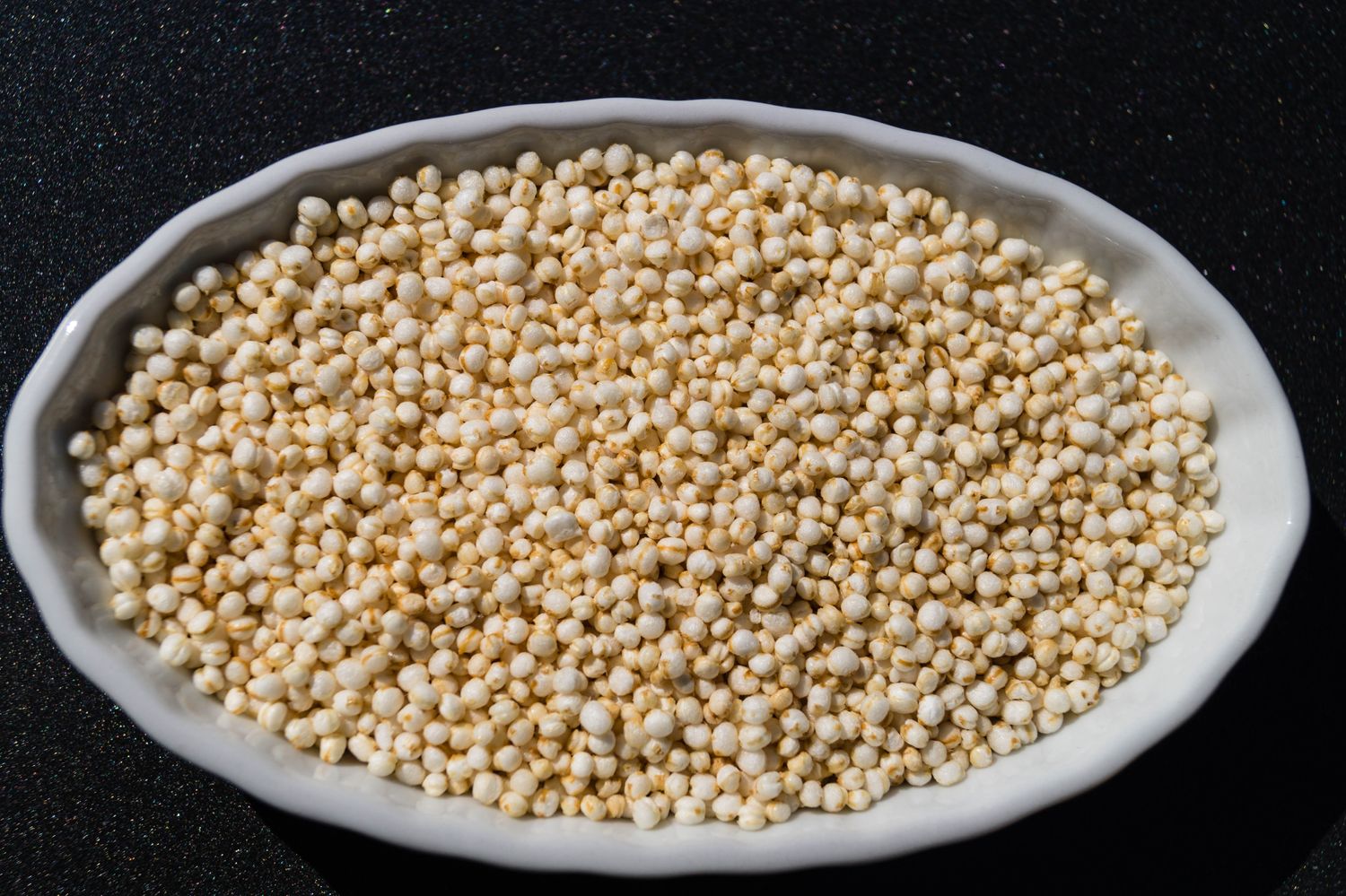

As the world grapples with the challenges of feeding a growing global population while minimizing the environmental impact of agriculture, a promising solution lies in the unassuming grains commonly known as millets. These ancient crops, often overshadowed by their more popular counterparts like rice and wheat, are quietly gaining recognition for their immense potential in sustainable agriculture. With their ability to thrive in diverse climatic conditions, resist pests and diseases, and require minimal water and fertilizers, millets offer a beacon of hope for a planet in desperate need of resilient and sustainable food production.
Delving deeper into the realm of millets, it becomes apparent that their significance transcends their role as mere crops. Millets have a rich cultural and historical heritage, deeply intertwined with the lives of countless communities across the globe. From the pearl millet of sub-Saharan Africa, long revered as a staple food, to the finger millet of the Indian subcontinent, celebrated for its nutritional value, these grains have nourished civilizations for centuries. Examining the role of millets in sustainable agriculture opens up a window into the fascinating tapestry of indigenous knowledge, traditions, and customs that have safeguarded these crops for generations.
Beyond their cultural and historical importance, millets hold immense promise in addressing pressing global challenges. As climate change continues to disrupt agricultural systems and compromise food security, the resilience of millets becomes increasingly valuable. These hardy crops possess the extraordinary ability to cope with extreme weather events, droughts, and poor soil conditions. By incorporating millets into agroecological practices, farmers can mitigate the risks associated with climate variability, reduce greenhouse gas emissions, and nurture biodiversity – thus paving the way towards a more sustainable future.
The exploration of millets’ role in sustainable agriculture also brings to light the significant impact these crops can have on rural development and poverty alleviation. Many millet-producing regions are characterized by marginal lands that are often neglected in favor of more profitable crop varieties. However, by embracing millets as a viable agricultural option, these communities can revitalize their livelihoods and enhance their resilience in the face of economic uncertainties. Millets can stimulate the growth of local economies, empower small-scale farmers, and improve food security within rural communities – ultimately fostering inclusive and sustainable development.
Furthermore, the reintroduction of millets into our diets holds tremendous potential for improving human health and nutrition. These grains are a nutritional powerhouse, containing a wealth of essential nutrients, vitamins, and dietary fiber. With mounting concerns over the rising prevalence of chronic diseases and malnutrition, the inclusion of millets in our daily meals offers an opportunity to promote healthier eating habits and combat dietary deficiencies. Embracing millets as a staple food not only contributes to individual well-being but also reduces our reliance on resource-intensive crops, conserving precious land, water, and energy resources.
By examining the role of millets in sustainable agriculture, we also confront the pervasive issue of food waste and loss that plagues our modern agricultural systems. Millets, with their long shelf life and resistance to spoilage, present a compelling solution to the staggering quantities of food that go to waste each year. Moreover, their versatility in culinary applications, ranging from stews and porridges to baked goods and snacks, challenges us to explore new and innovative ways of incorporating millets into our meals, minimizing food waste while maximizing taste and nutrition.
In conclusion, the significance of millets in sustainable agriculture extends far beyond their humble appearance. These resilient crops possess the key to a more environmentally friendly and socially just food system. By safeguarding the cultural traditions associated with millets, harnessing their resilience to climate change, empowering rural communities, promoting human health, and tackling the issue of food waste, we can unlock the true potential of these miraculous grains. It is time to shed light on millets and cultivate a future where sustainable agriculture flourishes hand in hand with the well-being of our planet and its people.
Introduction
Millets, a group of small-seeded grains widely grown and consumed in various regions of the world, have gained attention in recent years due to their significant contributions towards sustainable agriculture. In this article, we aim to analyze the role of millets in sustainable agriculture practices and understand their potential benefits for farmers, ecosystems, and food systems worldwide.
Historical Significance of Millets
Millets have a rich historical significance, being one of the earliest cultivated crops by humans. They have been staple foods in many cultures for thousands of years. Millets’ adaptation to diverse environments and low input requirements make them attractive for sustainable agricultural practices. Furthermore, their ability to withstand harsh conditions such as drought and poor soil fertility makes them a resilient choice for farmers facing climate change challenges.
Environmentally Friendly Crop
One of the key reasons for millets’ popularity in sustainable agriculture is their inherent environmental benefits. Millet cultivation requires significantly less water compared to other major crops like rice or wheat. Additionally, millets are often grown using traditional farming methods without excessive synthetic fertilizers, pesticides, or irrigation, reducing the potential negative impacts on ecosystems and water resources.
Diversification of Crop Systems
Incorporating millets into crop systems promotes diversification, which is crucial for sustainable agriculture. Growing millets alongside other crops helps reduce the risk of monoculture and enhances biodiversity. This diversification can lead to improved soil health, natural pest control, and reduced dependence on chemical inputs, ultimately contributing to long-term agricultural sustainability.
Nutritional Benefits
Millets are highly nutritious, providing essential nutrients such as vitamins, minerals, and dietary fiber. These grains are gluten-free and have a low glycemic index, making them suitable for individuals with specific dietary requirements or those managing certain health conditions. Promoting millet consumption can have positive implications for public health, addressing malnutrition and promoting well-balanced diets.
Resilience to Climate Change
As climate change poses significant challenges to global agriculture, the resilience of crops becomes crucial. Millets exhibit remarkable adaptation to adverse weather conditions, making them a valuable asset for farmers. Their ability to survive in hot and dry climates, coupled with their short growing cycles and drought tolerance, enables farmers to sustain yields under unpredictable climate patterns, contributing to food security in vulnerable regions.
Empowering Small-Scale Farmers
In many regions, millet farming is predominantly carried out by small-scale farmers. The cultivation of millets not only provides these farmers with a resilient crop but also offers numerous social and economic benefits. Millet farming can improve rural incomes, empower local communities, and enhance food sovereignty by preserving traditional farming practices and local seed varieties.
Conclusion
Millets have emerged as a promising solution to enhance sustainability in agriculture. With their multiple environmental, nutritional, and socio-economic benefits, millets play a vital role in achieving sustainable agricultural systems around the world. Encouraging the cultivation and consumption of millets ensures a more resilient, diverse, and sustainable future for both farmers and the planet.
Summary
Millets are ancient grains that are gaining recognition for their potential in sustainable agriculture. They can thrive in diverse climatic conditions, resist pests and diseases, and require minimal water and fertilizers. Millets have a rich cultural and historical heritage, and their significance goes beyond being crops. They can help address pressing global challenges such as climate change and food security. Millets can also contribute to rural development and poverty alleviation by revitalizing livelihoods in marginalized communities. Additionally, incorporating millets into our diets can improve human health and nutrition. Their long shelf life and versatility in culinary applications also make them a solution to food waste. By embracing millets, we can create a more environmentally friendly and socially just food system.
FAQ
What are millets and why are they important in sustainable agriculture?
Millets are a diverse group of small-seeded grasses that are grown as cereal crops. They include various species such as pearl millet, finger millet, foxtail millet, and many more. Millets are crucial in sustainable agriculture due to several reasons. Firstly, they are highly resilient to harsh growing conditions, such as drought, poor soil fertility, and high temperatures, making them suitable for cultivation in arid and semi-arid regions. This characteristic helps in conserving water resources and reducing the use of synthetic inputs like pesticides and fertilizers.
Secondly, millets play a vital role in enhancing biodiversity and soil health. They have a shallow root system, which minimizes soil erosion and helps in retaining moisture. Additionally, millets are known to sequester carbon dioxide from the atmosphere, mitigating the impact of climate change. Due to their short growing cycle, millets can be grown as intercrops or relay crops with other crops, which promotes crop diversification and improves soil fertility naturally. Overall, these qualities make millets an important component of sustainable agriculture systems.
How does the cultivation of millets contribute to food security and nutrition?
The cultivation of millets significantly contributes to food security and nutrition. Millets are highly nutritious, rich in dietary fiber, protein, minerals, and vitamins, making them ideal for human consumption. They are gluten-free, easily digestible, and have a low glycemic index, which is beneficial for people with specific dietary requirements, such as those with celiac disease or diabetes.
Furthermore, millets are an excellent food source for livestock, providing adequate fodder, and enhancing the livestock sector’s sustainability. As millets require fewer inputs and are resilient to climate uncertainties, farmers can grow them with minimal investment and risks. This accessibility to millets ensures food availability and affordability, especially for marginalized communities in resource-constrained regions. Moreover, promoting millet-based foods and incorporating them into people’s diets not only improves nutrition but also helps in diversifying their food consumption patterns, reducing dependency on a limited set of staple crops.
What are the environmental benefits of growing millets in sustainable agriculture systems?
Growing millets in sustainable agriculture systems brings numerous environmental benefits. Millets require fewer inputs, such as water and fertilizers, compared to other major cereal crops, reducing the pressure on natural resources. This aspect is particularly advantageous in areas prone to water scarcity and regions where nutrient-rich soils are limited. By reducing the use of synthetic chemicals, the cultivation of millets helps prevent water pollution and the degradation of soil health, ultimately promoting ecosystem resilience.
Additionally, millets have a high photosynthetic efficiency, resulting in effective carbon sequestration. As millets capture and store substantial amounts of carbon dioxide, they play a vital role in mitigating climate change and reducing greenhouse gas emissions. Moreover, millets’ shorter growing cycles allow farmers to implement crop rotation and diversification practices, which enhance soil nutrient content and promote pest and disease management. In essence, growing millets in sustainable agriculture systems contributes to climate-smart practices, conserves natural resources, and supports overall environmental sustainability.
What are the economic benefits of promoting millet cultivation in sustainable agriculture?
Promoting millet cultivation in sustainable agriculture offers several economic benefits. Firstly, millets are cost-effective crops as they require fewer inputs, such as irrigation and agrochemicals. This can significantly reduce production costs for farmers, making millets more financially viable, especially for smallholder farmers and resource-constrained regions.
Secondly, millets have the potential to create new markets and income opportunities. With the rising global demand for nutritious and sustainable food products, promoting millet-based food products, such as millet flour, flakes, or snacks, can open up avenues for entrepreneurship and income generation. This diversification of agricultural production and value-added processing can be particularly beneficial in rural areas, stimulating economic growth and reducing unemployment rates.
Moreover, by promoting millets as a climate-resilient and environmentally friendly crop, there is an increased potential for exporting these crops to international markets. This can enhance trade opportunities, contribute to foreign exchange earnings, and boost the rural economy. Overall, promoting millet cultivation in sustainable agriculture not only contributes to food security and environmental sustainability but also holds significant economic potential for farmers, entrepreneurs, and the overall agricultural sector.