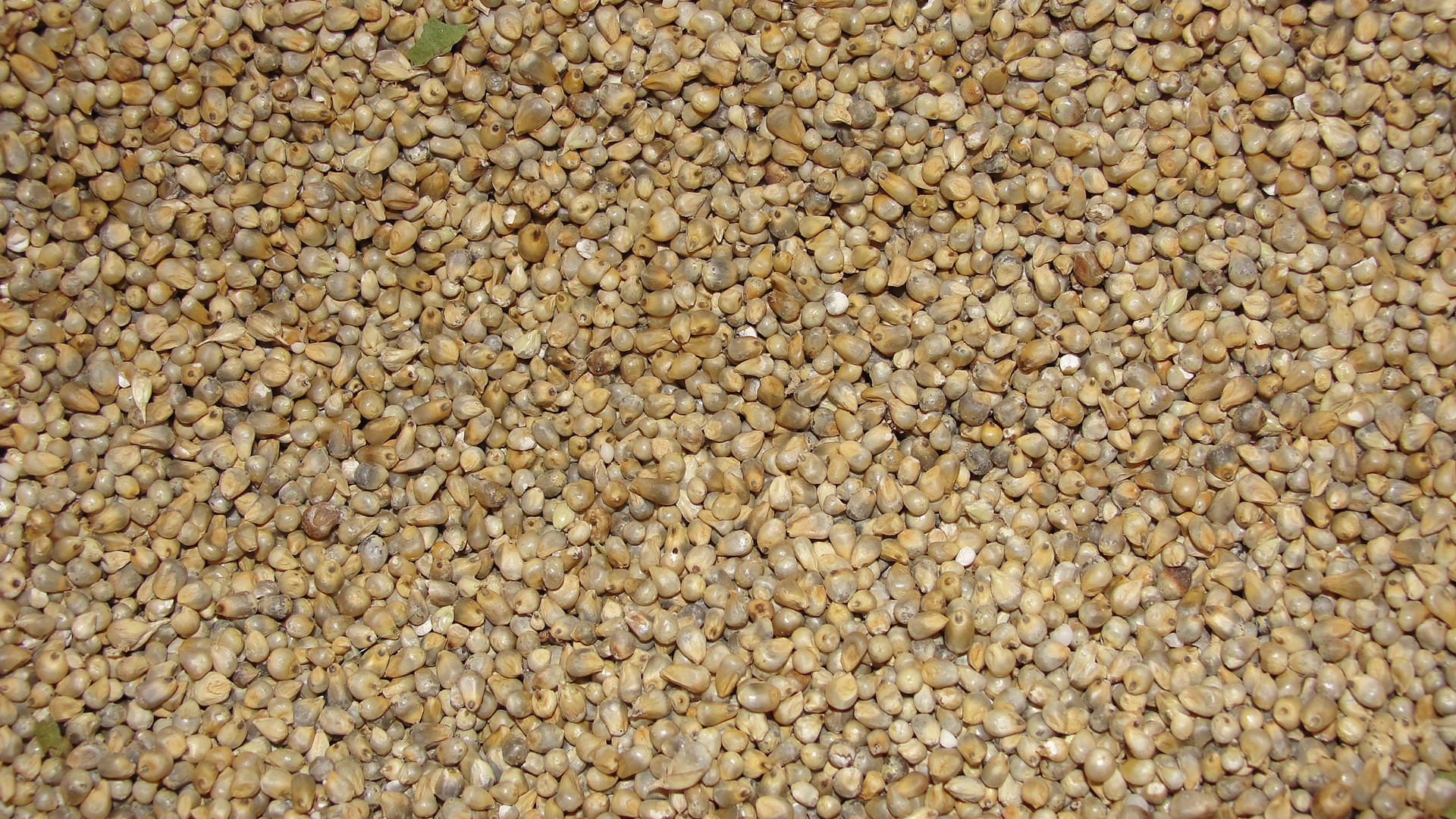
From the various crops grown in the world, millets are the most important and widely cultivated. Millets are small-seeded grasses that have been standard food sources for humans since ancient times. These cereals are offered in various forms, such as porridge, bread, and other common foods. Millets are particularly known for being nutrient-dense as they contain proteins, vitamins, and minerals that are vital for human health. In this article, we will look at the nutritional value of millets and how they can help to boost metabolism.
It is crucial to analyze the nutritional value of a food item before incorporating it into your diet. Millets are naturally gluten-free, making them a suitable option for people with celiac disease or gluten intolerance. Since they do not contain gluten, millets are becoming consumed widely across the world. These cereals are also a good source of dietary fiber, which makes them excellent for gut health. Dietary fiber is essential for maintaining intestinal microbiota, easing bowel movement, and reducing the risk of colon cancer.
Millets are also enriched with essential minerals such as calcium, iron, magnesium, and phosphorus. These minerals play an important role in maintaining bone density and strength, improving immunity, and increasing energy levels. Studies have shown that magnesium-rich foods can help reduce inflammation, lower blood pressure, and decrease the risk of stroke and heart disease. As such, incorporating millets into a balanced diet can go a long way in promoting healthy living.
One of the lesser-known benefits of millets is their ability to boost metabolism. Metabolism essentially refers to the various chemical reactions that take place in the body. These reactions play a significant role in generating energy and converting the food we eat into usable energy. Millets are rich in B vitamins, including thiamin, riboflavin, and niacin, which are essential in enhancing metabolism. The high-quality protein in millets can also boost metabolism and promote weight loss.
Millets are a great addition to any diet because they are versatile, affordable, easy to prepare, and nutritionally loaded. They have a neutral flavor profile and can be incorporated into both sweet and savory dishes. Millets are also incredibly resistant to harsh climates and can be grown with minimal water and without fertilizers or pesticides. As such, incorporating millets into your diet can promote good health while supporting environmentally friendly agricultural practices.
In conclusion, millets are an excellent source of nutrition and an easy way to boost metabolism naturally. They provide a range of healthy minerals, vitamins, and dietary fiber, all of which are essential for healthy living. You can use millets in a variety of dishes, including soups, cakes, bread, and other foods. Overall, the versatility, nutrition, and ease of preparation make millets an excellent addition to a balanced diet.
Introduction
Millet is a group of small-seeded grasses that are widely cultivated in Asia and Africa. Millets have been a staple food for humans for over 10,000 years. Millets are high in essential nutrients, such as protein, fiber, vitamins, minerals, and antioxidants, that make them a perfect food for everyone, especially those who want to improve their metabolism.
Benefits of Millets
Millets are excellent sources of protein, fiber, and minerals such as iron, magnesium, and potassium, which can help to maintain your body’s metabolism. Millets are also low in fat, which makes them an ideal food for weight management. Millets contain high amounts of antioxidants that can help to reduce the risk of chronic diseases such as heart disease, diabetes, and cancer.
Millets and Metabolism
Millets are rich in iron, which is essential for the production of hemoglobin and the transportation of oxygen to the cells. Iron is also essential for the metabolism of energy in the body. Millets are also high in magnesium, which plays a vital role in the metabolism of glucose and the production of energy in the body.
Types of Millets
There are several types of millets available such as sorghum, finger millet, pearl millet, foxtail millet, and little millet. Each type of millet has its nutritional profile and benefits. Sorghum is rich in antioxidants and fiber, finger millet is rich in calcium, and pearl millet is rich in protein.
Millets and Weight loss
Millets are low in fat and calories, which makes them an ideal food for weight loss. Millets are high in complex carbohydrates that provide sustained energy, which can help to avoid overeating. Millets also contain fiber that can help to control appetite and promote a feeling of fullness.
Millets and Digestive health
Millets are high in fiber, which promotes a healthy digestive system. Fiber helps to regulate bowel movements and can prevent constipation. Millets are also low in gluten, which makes them an ideal food for people with gluten sensitivity or celiac disease.
Incorporating Millets in your diet
There are several ways to incorporate millets into your diet. You can use millets to make porridge, bread, pancakes, muffins, salads, and soups. Millets also make an excellent substitute for rice and can be used in place of rice in a variety of dishes.
Conclusion
Millets are a healthy and nutritious food that can help to boost your metabolism. Millets are rich in essential nutrients such as protein, fiber, vitamins, minerals, and antioxidants that make them an ideal food for weight loss and digestive health. Incorporating millets into your diet can help to improve your health and wellbeing.
Summary
Millets are small-seeded grasses that have been a standard food source for humans since ancient times. They are particularly nutrient-dense, rich in dietary fiber, essential minerals such as magnesium and calcium, and B vitamins. As more people consume gluten-free foods, millets are becoming increasingly popular worldwide. They are suitable for people with gluten intolerance and can boost metabolism because of the high-quality protein and B vitamins they contain. Millets are also versatile, affordable, and easy to prepare, making them an excellent addition to any balanced diet, while supporting environmentally friendly agricultural practices.
FAQ
What are millets and how do they boost metabolism?
Millets are a group of small-seeded grasses that are commonly cultivated in India, Africa, and Asia. They are known for their high nutritional value and ability to boost metabolism. Millets are rich in fiber, protein, essential vitamins, and minerals that help to nourish the body and promote overall health. The high fiber content in millets helps to regulate the digestive system and increase metabolism, which is essential for weight loss and maintaining a healthy body.
Moreover, millets are also rich in antioxidants, which help to reduce inflammation and improve immunity. Regular consumption of millets can significantly improve metabolism and promote weight loss in the long run.
Can millets help in weight loss?
Yes, millets can help in weight loss due to their high fiber content and low glycemic index. The fiber in millets helps to keep you full for longer periods, preventing overeating and snacking on junk food. Additionally, the low glycemic index of millets helps to regulate insulin levels and glucose absorption, preventing sudden spikes and crashes in blood sugar levels.
Studies suggest that regular consumption of millets can significantly reduce body weight, BMI, and waist circumference. Moreover, millets can also improve metabolism and promote fat burning.
Are millets gluten-free and suitable for people with celiac disease?
Yes, millets are gluten-free and can be safely consumed by people with celiac disease or gluten sensitivity. Millets are an excellent substitute for wheat, barley, and rye, which are high in gluten and cause digestive problems for people with celiac disease. In fact, millets are often used in gluten-free baking and cooking due to their versatility and high nutritional value.
What are the different types of millets and how do they differ in nutritional value?
There are several types of millets, including pearl millet, finger millet, foxtail millet, and sorghum. Each type of millet has a unique nutritional profile but all are rich in fiber, protein, and essential vitamins and minerals.
Pearl millet is an excellent source of iron, calcium, and magnesium, while finger millet is high in antioxidants and protein. Foxtail millet is rich in fiber and low in fat and calories, making it an ideal food for weight loss. Sorghum is high in antioxidants and phytochemicals, which help to improve heart health and immunity. Overall, incorporating a variety of millets into your diet can provide numerous health benefits and promote overall wellness.