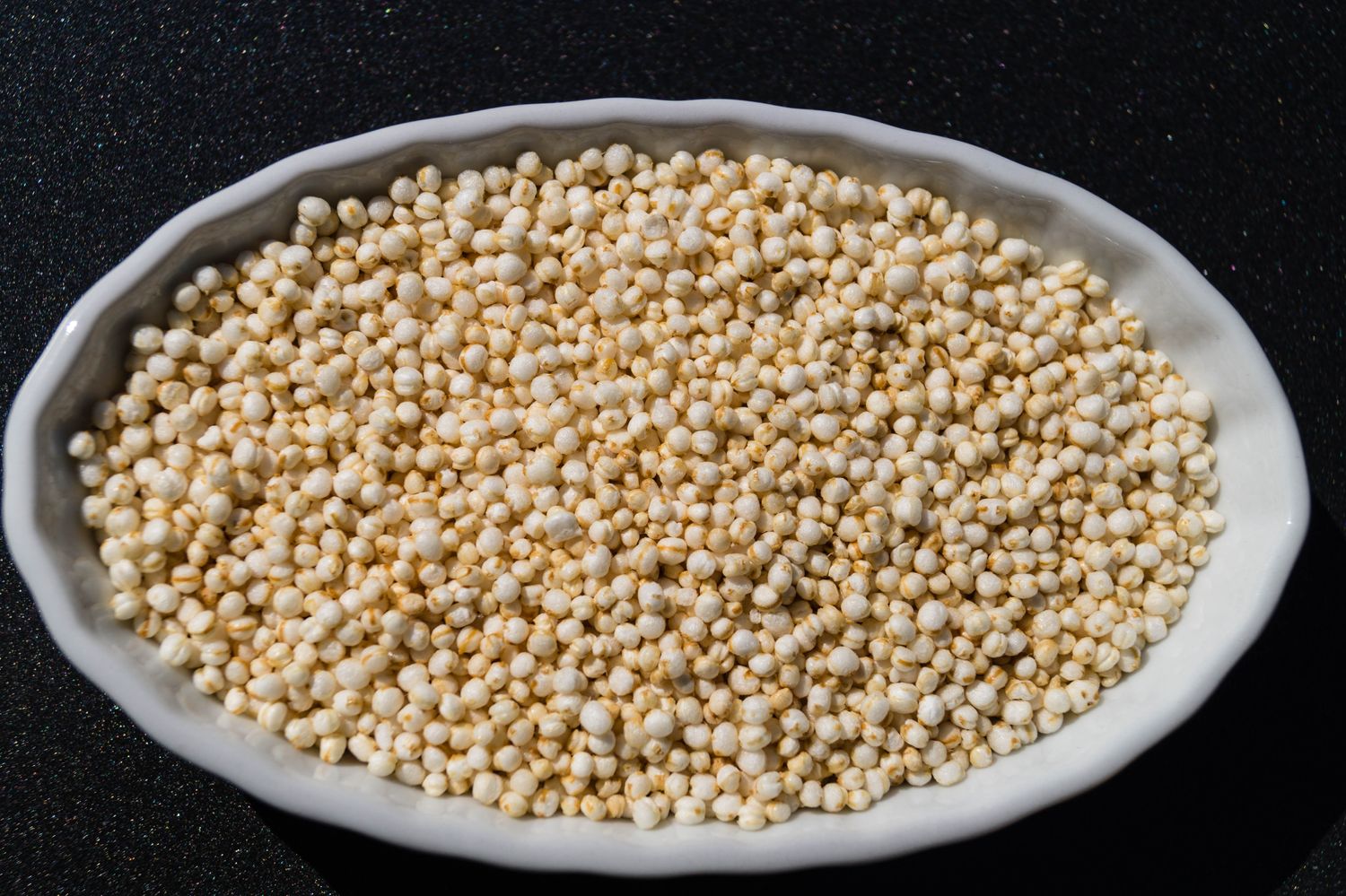

Millets are an ancient food that have been part of human diets for thousands of years. Yet, amidst the rise of modernization and mass-produced food, they were sidelined and forgotten as cheap and readily available grains took their place. However, with health and environmental concerns taking center stage, millets are slowly making a comeback as a sustainable and nutritious food option.
Millets are a group of small-seeded grasses that are rich in vitamins, minerals, and antioxidants. These grains have a low glycemic index, which means they release energy slowly, keeping blood sugar levels stable and reducing the risk of diabetes. Unlike refined grains, millets are also high in fiber, which is essential for maintaining healthy digestion and reducing the risk of chronic diseases like heart disease and cancer.
The cultivation of millets is also environmentally sustainable. These crops require minimal water and fertilizers, making them ideal for regions with low rainfall and poor soil quality. Additionally, millets are far less resource-intensive compared to other grains like rice and wheat, requiring less land and energy to produce the same amount of food.
Despite their many benefits, millets have remained largely underutilized in modern diets. This is mainly due to a lack of awareness and limited availability. However, with the increasing popularity of healthy and sustainable food choices, millets are gaining a following as a versatile ingredient that can be used in a variety of recipes, from porridges to bread, and even as a gluten-free alternative to regular flour.
The use of millets is not only limited to the kitchen. Research has shown that they also have potential in the medical field, with studies suggesting that millets may have anti-inflammatory and anti-cancer properties. Millets are also an important food source for livestock, and their conservation can help safeguard the biodiversity of farmland.
To conclude, millets are a nutritious and sustainable food option that have been neglected for too long. Their revival in modern diets can have numerous benefits, from health to the environment. The rediscovery of this ancient grain is a step towards a more conscious and sustainable food system.
What are Millets?
Millets are small seeded grains that have been cultivated and consumed for centuries. They are rich in nutrients and are widely known for their ability to adapt to harsh environments. Millets are an important source of food for millions of people around the world, but their use has declined in recent years due to the rise in popularity of other grains.
The Health Benefits of Millets
Millets offer a range of health benefits that make them the perfect food for a healthy lifestyle. They are gluten-free, high in fiber, and have a low glycemic index, making them ideal for people with diabetes. Millets are also rich in antioxidants, vitamins, and minerals, which can help prevent chronic diseases like heart disease, cancer, and Alzheimer’s.
The Sustainability of Millets
Millets are a sustainable crop that is easy to cultivate and requires fewer resources than other grains. They can grow in poor soil, require very little water, and are resistant to pests and diseases. Additionally, millets are an important crop for small-scale farmers, providing a source of income and promoting local food systems.
Millets and Climate Change
Millets are a climate-smart crop that can help mitigate the effects of climate change. They are drought-resistant, making them ideal for regions that experience water shortages. They also have a lower carbon footprint than other grains and can help reduce greenhouse gas emissions.
Millets and Food Security
Millets are an important food source for millions of people around the world, particularly in developing countries. They are affordable, nutritious, and can be stored for long periods of time. Additionally, millets are an important crop for food systems that prioritize resilience and diversity.
Millets and Culinary Diversity
Millets are a versatile ingredient that can be used in a variety of dishes. They can be ground into flour for bread and other baked goods or cooked like rice for savory dishes. Millets can also be sprouted or fermented to increase their nutritional value and add flavor.
The Challenges of Promoting Millets
Despite their many benefits, millets face several challenges in gaining widespread acceptance. They are often perceived as “poor man’s food” and are not as readily available in supermarkets as other grains. Additionally, there is a lack of awareness around the health benefits of millets, which makes it difficult to convince consumers to switch to millets.
The Future of Millets
Millets have the potential to play a significant role in promoting health and sustainability in the years to come. Increased awareness of their benefits and wider availability in supermarkets can help drive consumer demand. Additionally, more research into the health benefits of millets and their potential in different culinary traditions can help expand their use. Finally, policymakers and agricultural organizations can play a key role in promoting millets as a sustainable crop that can help address food security, climate change, and poverty.
Summary
Millets are gaining popularity as a sustainable and nutritious food option due to health and environmental concerns. Millets are small-seeded grasses that are rich in vitamins, minerals, and antioxidants, have a low glycemic index, and are high in fiber. Additionally, they require minimal water and fertilizers and are less resource-intensive than other grains. Despite a lack of awareness and availability, millets are gaining a following as a versatile ingredient that can be used in a variety of recipes. Millets also have potential in the medical field and their conservation can help safeguard biodiversity. Millets’ revival can benefit health and the environment, promoting a more conscious and sustainable food system.
FAQ
What Are Millets and Why Are They Important for Health and Sustainability?
Millets are a group of highly nutritious cereals that have been consumed by humans for thousands of years. They are grown in semi-arid regions and are highly sustainable and resilient. Millets are also easy to grow and require very little water, making them an ideal crop for regions facing water scarcity. In addition to being highly nutritious, millets are also gluten-free and rich in dietary fiber, vitamins, and minerals.
Given their nutritional and environmental benefits, millets are increasingly being seen as the future of health and sustainability. As the world grapples with issues such as climate change, food insecurity, and malnutrition, millets offer a sustainable solution that can help address these challenges.
How Can Millets Help Address Climate Change?
Millets are highly sustainable crops that require very little water and are highly resilient to drought and other extreme weather conditions. In addition, they are highly efficient in capturing carbon from the atmosphere and storing it in the soil. By growing millets, farmers can help build soil health and fertility, while also reducing greenhouse gas emissions.
Moreover, millets are highly versatile and can be grown in a range of agro-ecological conditions, making them an ideal crop for regions facing the impacts of climate change. By promoting the cultivation and consumption of millets, we can help build a sustainable and climate-resilient food system.
What Are the Nutritional Benefits of Millets?
Millets are highly nutritious and offer a range of health benefits. They are rich in dietary fiber, which promotes digestive health and can help prevent chronic diseases such as diabetes, heart disease, and obesity. Millets are also a good source of B vitamins, magnesium, and zinc, which are essential for maintaining healthy bones, muscles, and immune function.
In addition, millets are low in fat and glycemic index, making them an ideal food for those looking to maintain a healthy weight or manage blood sugar levels. Overall, incorporating millets into one’s diet can provide a range of nutritional benefits that can help promote optimal health and well-being.
How Can Millets Contribute to Food Security?
Millets are highly resilient crops that can thrive in a range of agro-ecological conditions. They are also highly productive and can yield more than other crops such as rice or wheat. As a result, millets offer a sustainable solution for addressing issues of food security and malnutrition, particularly in regions facing water scarcity, soil degradation, and other forms of environmental stress.
Moreover, millets are highly versatile and can be used to make a range of products, from traditional flatbreads and porridges to modern baked goods and snacks. By promoting the cultivation and consumption of millets, we can help build a more diverse and sustainable food system that can provide food security for all.