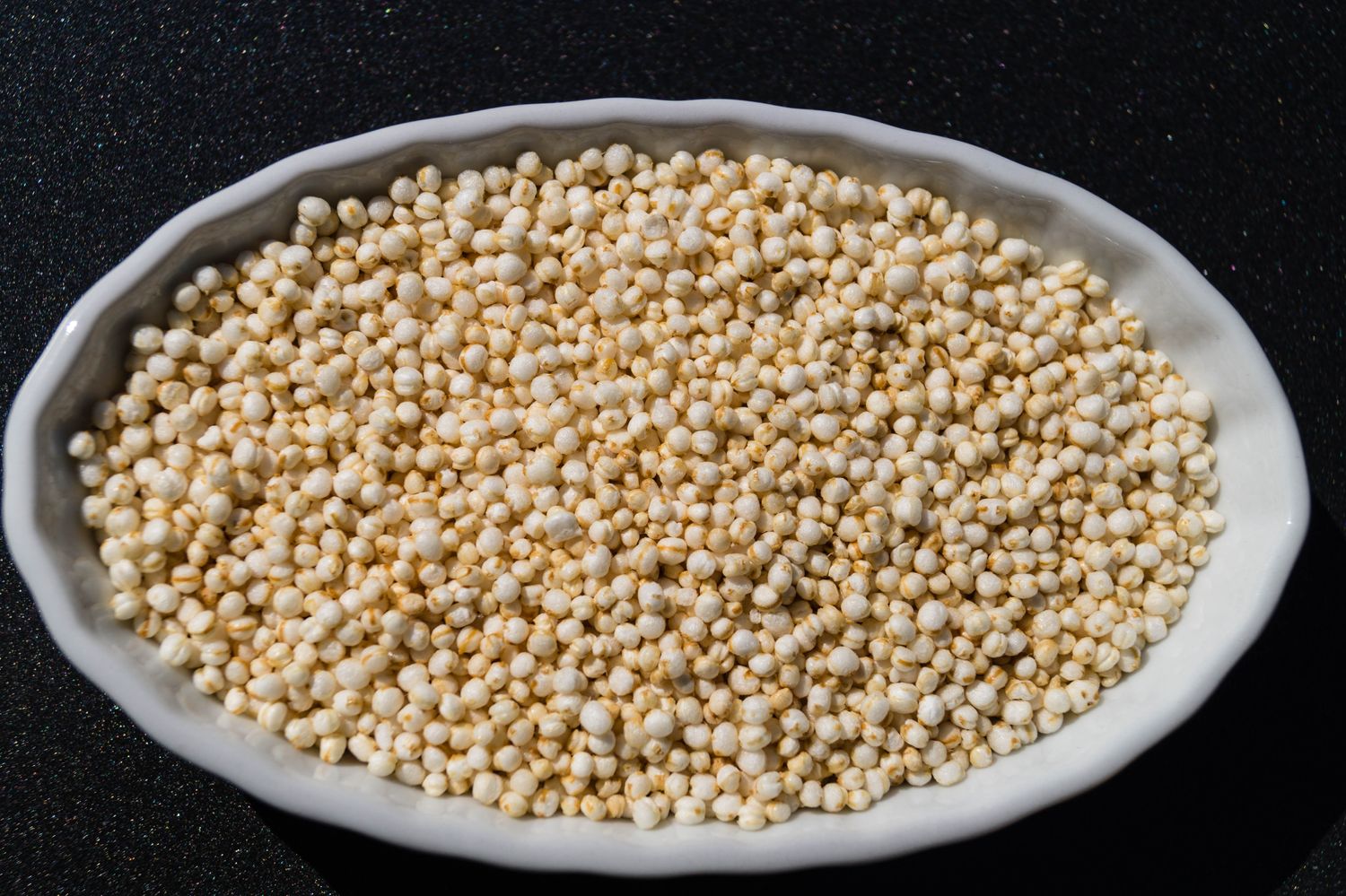
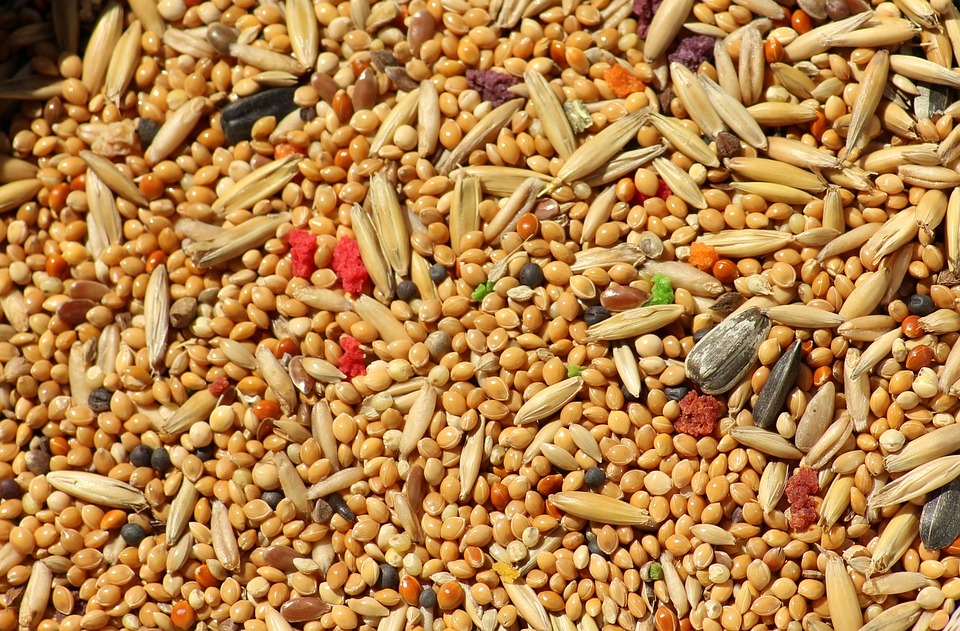
When it comes to healthy eating, people tend to stick to the same old staples like rice, wheat, and corn. However, there is an underrated superfood that has been cultivated for thousands of years and is packed with nutrients: millets. Whether you are looking for ways to boost your immune system or simply spice up your meals, incorporating millets into your diet can work wonders. In this ultimate guide, we will explore the benefits of millets and ways to incorporate them into your daily meals to promote better health.
Firstly, what are millets? Millets are a group of small, grass-like cereals that have been cultivated for thousands of years in Asia and Africa. They are gluten-free, low in fat, and high in fiber, making them a great alternative to traditional grains. Moreover, they are packed with nutrients like magnesium, potassium, and calcium, making them an excellent choice for your daily meals.
One of the most exciting things about millets is their versatility. They can be consumed as a porridge, boiled in water, or even made into flour for baking. As such, they can be incorporated into a variety of dishes from salads to desserts. Additionally, millets come in different types, including finger millet, pearl millet, sorghum, and foxtail millet, each with its unique texture and flavor.
Aside from their versatility and nutritional value, millets are also known to improve gut health due to their high fiber content. They create a favorable environment for good bacteria in the intestines, promoting optimal digestion and nutrient absorption. Thus, they can be an excellent food choice for those looking to maintain good gut health and prevent a range of digestive disorders.
Moreover, millets are known to reduce the risk of chronic diseases like diabetes and heart disease. They have a low glycemic index, which means they release sugar slowly into the bloodstream, preventing sugar spikes and crashes that can lead to insulin resistance. Additionally, they are rich in antioxidants that can neutralize free radicals and prevent oxidative stress in the body.
Finally, millets are an eco-friendly food choice. They require less water and fewer resources to cultivate than traditional grains, making them a sustainable option. By choosing millets, you can not only improve your health but also contribute to the conservation of resources and the environment.
In conclusion, incorporating millets into your diet can provide a range of benefits for your health and wellbeing. Whether you’re looking to improve your gut health, prevent chronic diseases, or simply try something new, millets are an excellent choice. In this ultimate guide, we will provide you with tips and recipes to help you incorporate millets into your daily meals and enjoy their many benefits.
What are millets?
Millets are small-seeded grasses that are grown as crops for food and fodder. They are a group of highly-nutritious, gluten-free, and alkaline grains that have been consumed by humans for thousands of years all over the world. Millets come in different varieties, including pearl millet, foxtail millet, finger millet, and sorghum.
Health benefits of eating millets
Millets are a superfood that offers a range of health benefits. They are high in fiber, protein, minerals, and vitamins, and low in gluten and fat, making them a perfect food for people with gluten intolerance, diabetes, and weight issues. Eating millets on a regular basis can help prevent heart disease, cancer, and other chronic health conditions. They also aid digestion, improve bone health, and boost immunity.
How to cook millets
Millets are easy and quick to cook. They can be cooked like rice or quinoa, boiled or steamed, and eaten as a side dish, porridge, or soup. They can also be used to make a variety of dishes like pancakes, bread, and desserts. Before cooking, millets should be soaked for a few hours or overnight to improve their digestibility.
Recipes for millet-based dishes
There are many tasty and healthy recipes that you can make using millets. Some of the popular ones include millet-vegetable soup, millet khichdi, millet porridge, millet pancakes, and millet bread. You can also use millet flour to make chapatis, dosas, and cookies. The possibilities are endless!
Buying and storing millets
Millets are available in health food stores and supermarkets. You can also buy them online. When buying millets, look for unpolished, whole-grain varieties that are free of chemicals and pesticides. Store them in a cool, dry place in an airtight container to prevent spoilage.
How much millets should you eat?
The amount of millets you should eat depends on your age, gender, and activity level. Generally, it is recommended to consume 1-2 servings of millets per day. A serving size is about 1/2 to 1 cup of cooked millets. It is important to remember that millets should not be a replacement for other whole grains, but should be part of a varied and balanced diet.
Possible side effects and precautions
Although millets are generally safe for consumption, some people may be allergic to them. Symptoms of millet allergy include skin rashes, itching, and difficulty breathing. If you experience any of these symptoms after eating millets, stop consuming them and seek medical attention. Also, millets contain goitrogens, which can inhibit thyroid function if consumed in large amounts. Therefore, people with thyroid problems should consult their doctor before adding millets to their diet.
Conclusion
Millets are a versatile, nutritious, and delicious grain that can be enjoyed by people of all ages. Eating millets on a regular basis can help improve your overall health and well-being. By following this ultimate guide to eating millets for better health, you can discover the endless possibilities of incorporating millets into your diet and explore the various recipes and cooking methods available.
Summary
Millets are a group of cereals that have been cultivated for thousands of years in Asia and Africa, which are low in fat, high in fiber, and gluten-free. They are packed with nutrients like magnesium, potassium, and calcium, making them excellent for daily meals. Millets can be incorporated into a variety of dishes from salads to desserts as they are versatile. They create a favorable environment for good bacteria in the intestines, promoting optimal digestion and nutrient absorption, and can prevent digestive disorders. Additionally, they are known to reduce the risk of chronic diseases like diabetes and heart disease and are an eco-friendly food choice requiring less water and fewer resources to cultivate than traditional grains.
FAQ
What are millets, and how are they beneficial for our health?
Millets are a group of small-seeded grasses grown in arid and semi-arid regions. They are gluten-free and packed with nutrients like protein, fiber, vitamins, and minerals. Millets have a low glycemic index, which means they are digested slowly and help maintain stable blood sugar levels. They are also rich in antioxidants and phytochemicals that help reduce inflammation, lower the risk of chronic diseases like diabetes, cancer, and heart diseases. Millets are an excellent source of energy, and they keep us full for a more extended period, aiding in weight loss management.
How can someone incorporate millets in their daily diet, and what are some popular millet-based dishes?
Millets can be used in several ways; they can be cooked like rice or used to prepare porridges, soups, salads, and even desserts. Millet flours can be used to make chapati or roti, dosa, idli, and bread. You can also add them to your smoothies or breakfast bowls. Some of the popular millet-based dishes are ragi dosa, bajra khichdi, jowar roti, kodo-millet upma, foxtail millet salad, and many more. You can replace rice or wheat with millets to make your meals healthier and more nutrient-dense.
Are there any side effects of consuming millets, and who should avoid them?
Millets are safe for most people and do not cause any side effects. However, some people may be allergic to millets, and it is essential to consult a doctor before consuming them if you have any allergy concerns. People with thyroid issues should consume millets in moderation as they contain goitrogens that can interfere with thyroid function. Pregnant women should not switch to a completely millet-based diet without consulting their healthcare providers, as millets are rich in fiber and can cause digestive discomfort.
Where can one buy millets, and how should you store them?
Millets are now available in most organic and healthy food stores. You can also buy them online. It’s essential to store millets in a dry and airtight container away from direct sunlight. Store them in a cool and dry place to prevent moisture, mold, or insect infestation. Millets have a shelf life of about six months to a year, depending on the variety. Always check the expiration date before purchasing. When using millets, wash and rinse them thoroughly before cooking to remove any impurities or dust particles.