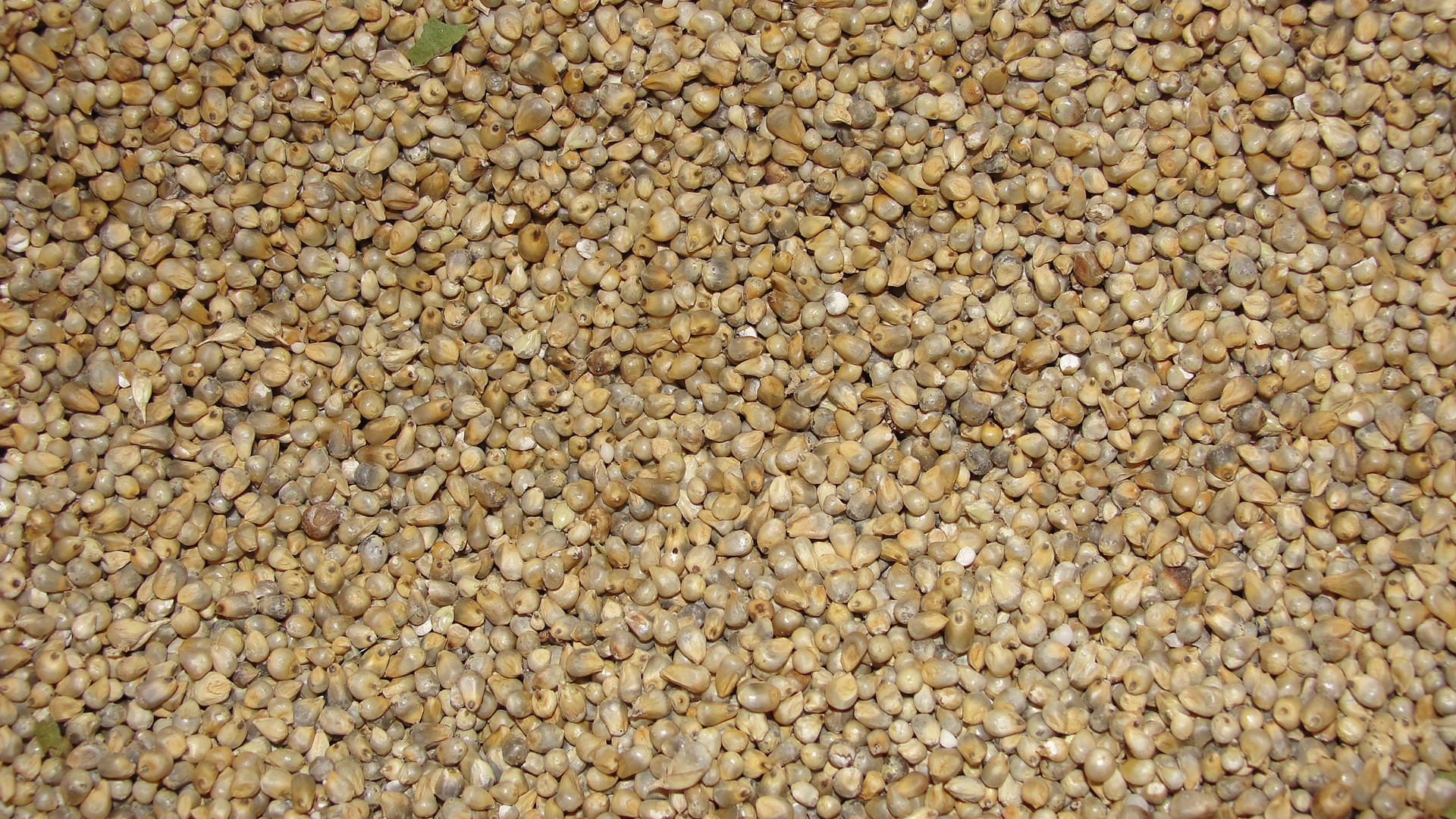
Millets have been gaining significant recognition around the world for their incredible health benefits and versatility in the kitchen. From boosting your overall well-being to providing a sustainable food source, millets have become the ultimate secret ingredient for a healthy lifestyle. In this comprehensive guide, we will walk you through everything you need to know about millets, from their origins and nutritional value to delicious recipes and tips on incorporating them into your daily routine. So, whether you are looking to diversify your diet or are simply curious about these ancient grains, join us on this millet-filled journey and discover a whole new way of nourishing yourself.
Millets hold a rich history that dates back thousands of years. Originally cultivated in Asia and Africa, these small-seeded grains were the primary staple food for ancient civilizations. Over time, their cultivation spread to various parts of the world, and millets became an integral part of diverse cuisines. As we dig deeper into their past, we unravel the unique characteristics that make millets stand out among other grains, such as their remarkable drought resistance and adaptability to different climates, making them a reliable source of food even in challenging conditions.
When it comes to nutrition, millets pack quite the punch. These tiny grains are packed with essential nutrients like protein, fiber, vitamins, and minerals. As a result, incorporating millets into your diet can help regulate blood sugar levels, improve digestive health, and support weight management. Moreover, millets are gluten-free, making them an excellent choice for those with gluten sensitivities or celiac disease. So, if you are aiming for a balanced and wholesome diet, millets can be an invaluable addition to your pantry.
One of the most exciting aspects of millets is their versatility in the kitchen. These grains can be transformed into a wide range of dishes, from savory pilafs and comforting porridges to delectable desserts. With their mild and slightly nutty flavor, millets can complement both sweet and savory flavors, offering endless culinary possibilities. Whether you choose to cook them alone or blend them with other ingredients, millets bring a unique and wholesome twist to any meal.
Incorporating millets into your daily routine may seem daunting at first. However, with a little guidance, you can easily incorporate these ancient grains into your favorite recipes. Whether you prefer breakfast smoothies, hearty salads, or indulgent baked treats, there is a millet-based dish for everyone. Throughout this guide, we will share some delicious recipes that highlight the versatility of millets and provide step-by-step instructions to help you create these culinary delights in your own kitchen.
If you are concerned about the environmental impact of your food choices, millets offer a sustainable solution. Unlike other grains, millets require minimal water and few pesticides to grow, making them an environmentally friendly crop. Additionally, their cultivation promotes biodiversity and can contribute to soil health. By embracing millets, you can not only nourish your body but also support sustainable agriculture practices and contribute to a healthier planet.
As we dive deeper into the world of millets, we hope to inspire you to explore new culinary horizons, embrace healthier food choices, and adopt a lifestyle that benefits both you and the environment. So, let’s embark on this millet-filled adventure together and unlock the secrets of these ancient grains. Get ready to savor the flavors, reap the health benefits, and discover the ultimate guide to millets for a truly wholesome and fulfilling lifestyle.
1. Introduction to Millets
Millets are a group of highly nutritious grains that have been cultivated for thousands of years. These tiny seeds are packed with essential nutrients, making them an excellent addition to a healthy lifestyle. Millets are gluten-free, rich in fiber, and have a low glycemic index, making them suitable for individuals with gluten sensitivities or those aiming to manage blood sugar levels. In this guide, we will explore the various types of millets and their numerous health benefits.
From foxtail millet to pearl millet, each variety of millet offers its unique set of advantages, such as improved digestion, enhanced heart health, and weight management. Whether you are a health-conscious individual or simply looking to diversify your grain intake, incorporating millets into your diet can be a great choice.
2. Understanding the Health Benefits of Millets
Millets offer several health benefits that contribute to an overall healthy lifestyle. Firstly, their high fiber content aids digestion and prevents constipation. These grains also contain various vitamins and minerals, including magnesium, phosphorus, and iron, which are crucial for maintaining optimal bodily functions.
Additionally, millets are rich in antioxidants, which help fight against free radicals and reduce the risk of chronic diseases, such as heart disease and certain types of cancer. With their low glycemic index, millets release sugar into the bloodstream gradually, preventing sudden spikes and crashes in blood sugar levels. This property makes them an ideal grain for individuals with diabetes or those seeking better blood glucose control.
3. Exploring the Different Types of Millets
There are several types of millets available, each possessing its unique flavor and nutritional profile. Foxtail millet, known for its rich protein content, is suitable for vegans and vegetarians. Furthermore, barnyard millet, with its high fiber and mineral content, aids in weight management and boosts energy levels. Little millet, finger millet, and pearl millet are also popular choices due to their diverse health benefits.
Understanding the characteristics of each type of millet allows you to select the ones that align with your dietary needs and preferences. By incorporating a variety of millets into your meals, you can enjoy a wider range of nutrients and flavors while elevating the nutritional value of your diet.
4. Millets as a Gluten-Free Alternative
For individuals with gluten intolerance or celiac disease, finding suitable alternatives can be challenging. Millets, being naturally gluten-free, offer a wonderful solution. By substituting wheat or barley with millets, individuals with gluten sensitivities can still enjoy a balanced and nutritious diet.
Moreover, as millets provide ample amounts of fiber and essential nutrients, including them in a gluten-free diet promotes gut health and reduces the risk of nutrient deficiencies. By experimenting with millet-based recipes, those with gluten sensitivities can add diversity to their meals, making their eating experience both enjoyable and healthy.
5. Including Millets in Your Daily Cooking
Adding millets to your daily cooking shouldn’t be a daunting task. These versatile grains can be used in various dishes, ranging from porridges and salads to baked goods and side dishes. Millets can be cooked and consumed just like rice or incorporated into flours for bread and chapati-making.
Experimenting with different millet recipes allows you to explore their unique flavors and textures. By replacing a portion of your regular grain intake with millets, you can enhance the overall nutritional value of your meals while enjoying their delicious taste.
6. Tips for Buying and Storing Millets
When purchasing millets, it is important to ensure their quality. Look for organic millets to avoid pesticide residues and opt for brands with a good reputation. Prioritize whole and unpolished varieties as they retain higher nutrient content compared to their processed counterparts.
In terms of storage, store millets in sealed containers in a cool, dry, and dark place to retain their freshness and prevent infestation. Proper storage practices ensure that millets can be enjoyed over a more extended period without any compromise in taste or nutritional value.
7. Millets in Traditional and International Cuisines
Millets have long been a staple in traditional cuisines around the world. In India, various states have their traditional millet-based dishes, such as Ragi Mudde from Karnataka and Bajre ki Roti from Rajasthan. Meanwhile, countries like Africa and China also incorporate millets into their culinary traditions.
Exploring traditional and international millet recipes expands your culinary horizons while allowing you to appreciate and celebrate the diverse uses of millets worldwide. From comfort foods to gourmet meals, millets play a versatile role in a range of cuisines.
8. Millets for a Sustainable Future
Beyond their nutritional benefits, millets have gained attention for their contribution to environmental sustainability. These crops require minimal water and cultivation inputs, making them more eco-friendly than some other grains. By including millets in your diet, you actively participate in promoting sustainable food choices, reducing the carbon footprint, and supporting local farmers who cultivate these grains.
Embracing millets not only benefits your personal well-being but also helps in building a more sustainable and environmentally conscious future for everyone.
Summary
Millets are gaining recognition worldwide for their health benefits and versatility in cooking. They have a rich history and were a staple food for ancient civilizations. Millets are highly nutritious, packed with protein, fiber, vitamins, and minerals, and can help regulate blood sugar levels, improve digestive health, and support weight management. They are gluten-free and can be used in a variety of dishes, from savory pilafs to desserts. Millets are also environmentally friendly, requiring minimal water and pesticides to grow. Embracing millets can contribute to sustainable agriculture practices. This guide provides recipes and tips for incorporating millets into your daily routine.
FAQ
What are millets and why are they considered a healthy choice for a lifestyle change?
Millets are a group of small-seeded grasses that have been cultivated for thousands of years. They are highly nutritious and offer a wide range of health benefits. Millets are rich in essential nutrients, including fiber, proteins, vitamins, and minerals. They are gluten-free and have a low glycemic index, making them suitable for individuals with gluten sensitivity or diabetes. Due to their high fiber content, millets promote healthy digestion and can aid in weight management. Additionally, the antioxidants present in millets help fight against free radicals and reduce the risk of chronic diseases, such as heart disease and cancer. Incorporating millets into your diet can also help maintain a healthy blood sugar level, improve immunity, and support overall well-being.
How can millets be included in a daily diet?
Including millets in your daily diet is a simple and rewarding way to improve your overall health. Millets can be used in various forms, such as whole grains, flour, flakes, or puffed millets. They can be cooked and used as a replacement for rice or other grains in dishes like pulao, khichdi, or upma. Millet flour can be used to make rotis, bread, pancakes, or cookies. Millet flakes make a nutritious and delicious breakfast by simply adding milk or yogurt and fruit. Puffed millets can be enjoyed as a light snack or added to trail mixes and granola bars. It is recommended to start by incorporating small amounts of millets into your diet and gradually increasing the quantity. Experiment with different millet varieties to explore a variety of flavors and textures.
Are there any precautions or considerations to keep in mind when consuming millets?
While millets are generally safe and well-tolerated by most individuals, there are a few considerations to keep in mind. People with pre-existing thyroid disorders should consult their healthcare provider before consuming large quantities of millets, as they contain goitrogens, which may interfere with thyroid function. Additionally, individuals with kidney issues should moderate their intake of millets, as they contain moderate levels of oxalates. It is also important to wash millets thoroughly before cooking, as they may contain sand or impurities. Lastly, some individuals may experience digestive discomfort when first incorporating millets into their diet due to their high fiber content. It is recommended to increase millet consumption gradually and ensure adequate hydration to ease any potential digestive issues.
Are millets suitable for individuals following a gluten-free diet?
Yes, millets are an excellent choice for individuals following a gluten-free diet. Millets are naturally gluten-free and do not contain the proteins found in wheat, barley, or rye that can trigger gluten-related disorders. This makes millets a safe and nutritious alternative to wheat, providing essential nutrients without causing any gluten-related complications. Millets can be used as a substitute for gluten-containing grains in various recipes, allowing individuals with celiac disease or gluten sensitivity to enjoy a wide range of dishes while maintaining a healthy lifestyle. However, it is important to ensure that the millets and millet products you purchase are certified gluten-free, as cross-contamination may occur during processing or packaging.