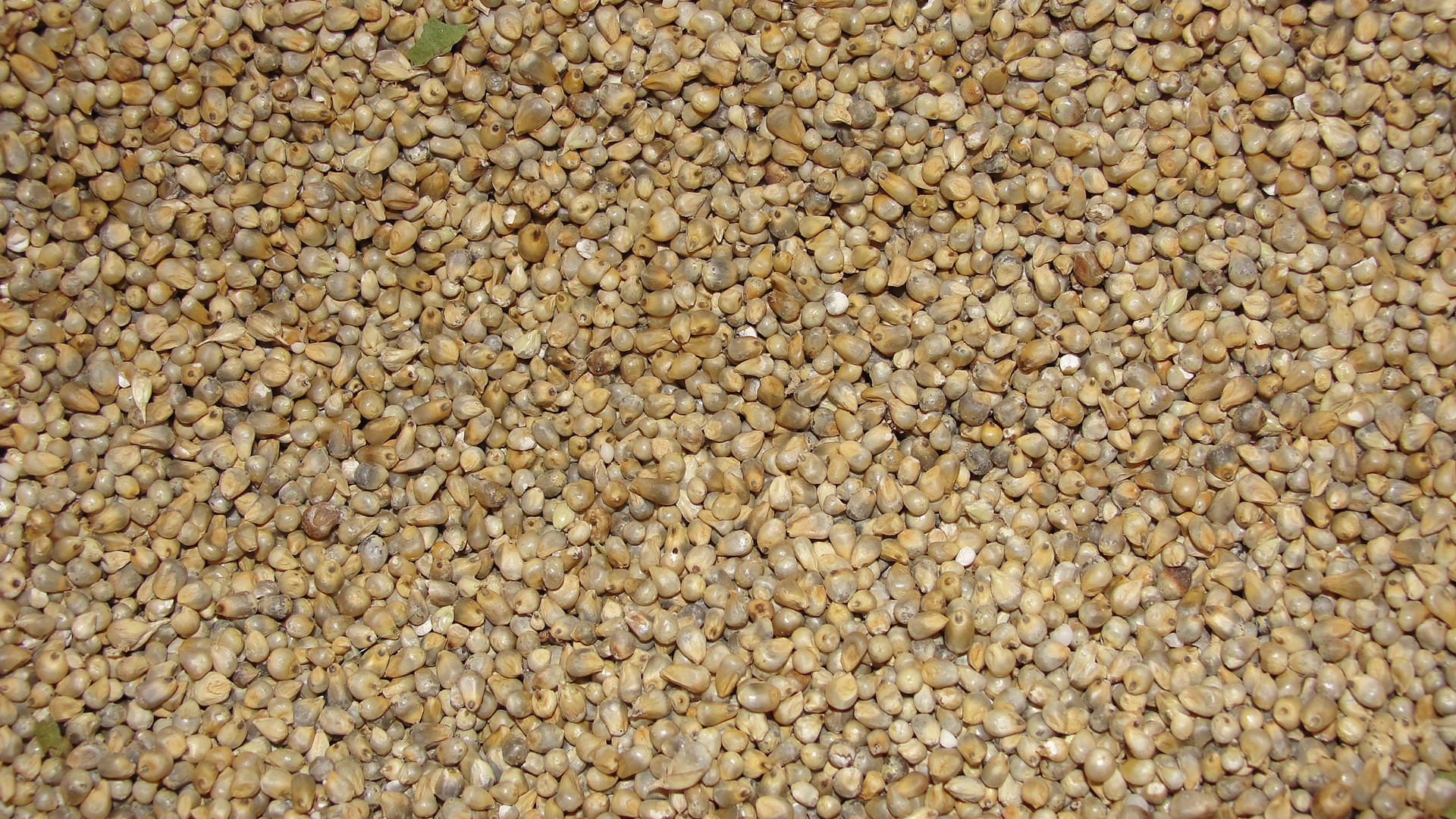
Rich in nutrients, millets have played a significant role in the world’s diet for thousands of years. In recent times, these grains are becoming popular in the health community for their many benefits. They’re a group of small-seeded grasses that are gluten-free, cholesterol-free, and low in GI. Millets are an excellent choice for anyone looking for a healthy alternative to wheat, rice, and corn. That’s partly due to their high nutrient content, which includes vitamins, minerals, essential nutrients, and phytochemicals. With their immense advantages, millets are the perfect addition to your healthy eating plan.
Incorporating millets to your diet offers a variety of choices with different nutritional benefits. You can pick pearl millets or bajra, foxtail millets, barnyard millets, finger millets, or any other millet that catches your fancy. Each one of them offers specific nutritional properties that can enhance your overall well-being. For instance, finger millet is exceptionally rich in calcium, making them an excellent choice for lactose intolerant. Foxtail millets are an excellent source of essential amino acids and minerals, while sorghum, popularly known as jowar, is a great source of antioxidants.
There’s a vast range of health benefits you can enjoy by making millets a part of your diet. They’re packed with dietary fibers that promote healthy digestion, weight loss, and reduce the risk of colon cancer. Millets also have a low GI, which helps to prevent blood sugar spikes, making them an ideal option for people with diabetes. Additionally, they’re rich in iron, magnesium, calcium, and potassium, which work together to improve heart health, fight fatigue, and boost your immune system. Plus, they’re gluten-free, making them an excellent choice for people who suffer from celiac disease or gluten intolerance.
Incorporating millets to your diet is easy and incredibly versatile. You can prepare a vast range of dishes from savory to sweet, based on your preferences. You can make pancakes, porridges, idlis, dosas, soup, salads, ladoos, and other delightful treats that your palate will love. You can also substitute millets for rice, pasta, or other grains. So, whether you’re looking to lose weight or get all the essential nutrients, incorporating millets into your diet is an excellent start to healthy eating.
The most significant benefit of including millets into your diet is that it supports the environment. Unlike conventional grain such as wheat and rice, millets need just a little water and no pesticides or fertilizers, which is beneficial to the soil, farmers, nature, and people as they lead healthier lives. Moreover, growing millets requires less fuel, making them more energy-efficient than other grains. It doesn’t cause any harm to the environment while in production, and it’s a promise to sustainable eating which can help future generations sustain the planet.
In conclusion, millets are the perfect addition to your healthy eating plan. They are nutritious, gluten-free, versatile, and easy to cook. Whether you’re looking for weight loss, improved digestion, or better heart health, there’s a millet out there that can help you meet your goals. Millets are also environmentally friendly, making them a superfood for the planet. So, get creative with your dishes, and elevate your healthy eating game with millets.
Introduction
Millets have been around for centuries and have been the staple food for many
cultures. In recent years, millets have gained renewed interest for their health benefits and nutritional value. They are gluten-free, high in fiber and contain essential vitamins and minerals that are vital for overall health.
Rich in Nutrients
Millets are one of the most nutrient-dense grains available. They contain high amounts of protein, fiber, and essential minerals like calcium, magnesium, and potassium. They are also rich in antioxidants, which help to protect the body from various diseases and disorders.
Low in Calories
Millets are one of the best options for people who are trying to lose weight. They are low in calories and contain very little fat. They are also high in fiber, which helps to keep you feeling full for longer periods of time, making it less likely for you to snack on unhealthy foods between meals.
Good for Digestion
Millets are also great for digestion. They are high in soluble fiber, which helps to regulate bowel movements and prevent constipation. They also aid in the growth of beneficial bacteria in the gut, which helps to keep the digestive system healthy.
Low Glycemic Index
Millets have a low glycemic index, which means that they don’t cause a rapid spike in blood sugar levels. This makes them an ideal food for people with diabetes or those who have problems with blood sugar regulation.
Good for Heart Health
Millets contain essential amino acids and healthy fats that are great for heart health. They help to reduce cholesterol levels, lower blood pressure, and reduce the risk of heart disease.
Versatility in Cooking
Millets are incredibly versatile and can be used in a variety of dishes. They can be used as a replacement for rice or wheat in various dishes like porridge, bread, or even as a base for salads or soups.
Conclusion
Millets are a great addition to your healthy eating plan. They are rich in nutrients, low in calories, aid in digestion, have a low glycemic index, are good for heart health, and are versatile in cooking. So, add millets to your diet and experience the goodness of this ancient grain.
Summary
Millets, small-seeded grasses that have been a significant part of the world’s diet for thousands of years, are becoming more popular in the health community due to their nutritional benefits. They are gluten-free, low GI, and packed with vitamins, minerals, essential nutrients, and phytochemicals. Incorporating millets into your diet is easy and versatile as each type offers specific nutritional benefits. Millets are also environmentally friendly, requiring less water, no pesticides or fertilizers, and less fuel, making them more energy-efficient than conventional grains. Millets promote healthy digestion, weight loss, heart health, and reduce the risk of colon cancer, making them a perfect addition to a healthy eating plan.
FAQ
What are millets and why are they a good addition to a healthy eating plan?
Millets are small-seeded grasses that have been cultivated for thousands of years as a staple food in many parts of the world, including Africa and Asia. They are highly nutritious and rich in fiber, vitamins and minerals, making them a great addition to a balanced diet. Millets are also low in fat and gluten-free, making them a good choice for people who are sensitive to gluten or who are trying to reduce their fat intake.
Including millets in your diet can help you maintain a healthy weight, reduce the risk of chronic diseases like diabetes and heart disease, and improve digestion and overall health. They are versatile and can be used in a variety of recipes, from salads and soups to main dishes and desserts. Millets are also relatively affordable and easy to find in most health food stores and supermarkets.
How do millets help in maintaining a healthy digestive system?
Millets are packed with dietary fiber, which is essential for maintaining good digestive health. Fiber helps to regulate the digestive system by promoting bowel movements, reducing constipation, and preventing the build-up of harmful waste products in the intestines. This is because fiber adds bulk to the stool, which makes it easier to pass through the digestive tract.
In addition to this, millets also contain prebiotics, which are compounds that nourish the beneficial bacteria in the gut. These bacteria play a crucial role in maintaining the health of the digestive system, and by including millets in your diet, you can help to keep your gut flora healthy and balanced.
Are millets easy to cook and incorporate into meals?
Millets are extremely versatile and can be incorporated into a wide variety of dishes. They are also very easy to cook, with most varieties requiring just a 2:1 ratio of water to millet. Simply bring the water to a boil, add the millet, and simmer for 15-25 minutes, until the grains are tender and the water has been absorbed.
Millets can be used as a healthy substitute for rice or couscous, and can be added to soups, stews, and salads. They can also be used in baking, to add texture and nutrients to breads, muffins, and other baked goods. Millets are an excellent addition to any healthy eating plan, and can help to add variety and flavor to your meals.
How can millets benefit people with health conditions like diabetes and heart disease?
Millets have a low glycemic index, which means that they release sugar into the bloodstream slowly, and prevent rapid spikes in blood sugar levels. This makes them an ideal food for people with diabetes or those at risk of developing the condition. Additionally, their high fiber content helps to slow the absorption of sugar in the bloodstream, further reducing the risk of blood sugar spikes.
Millets are also rich in nutrients like magnesium and potassium, which play a key role in maintaining heart health. Magnesium helps to regulate blood pressure, while potassium helps to reduce the risk of stroke and heart disease. By including millets in your diet, you can help to support your heart health and reduce your risk of developing chronic diseases.