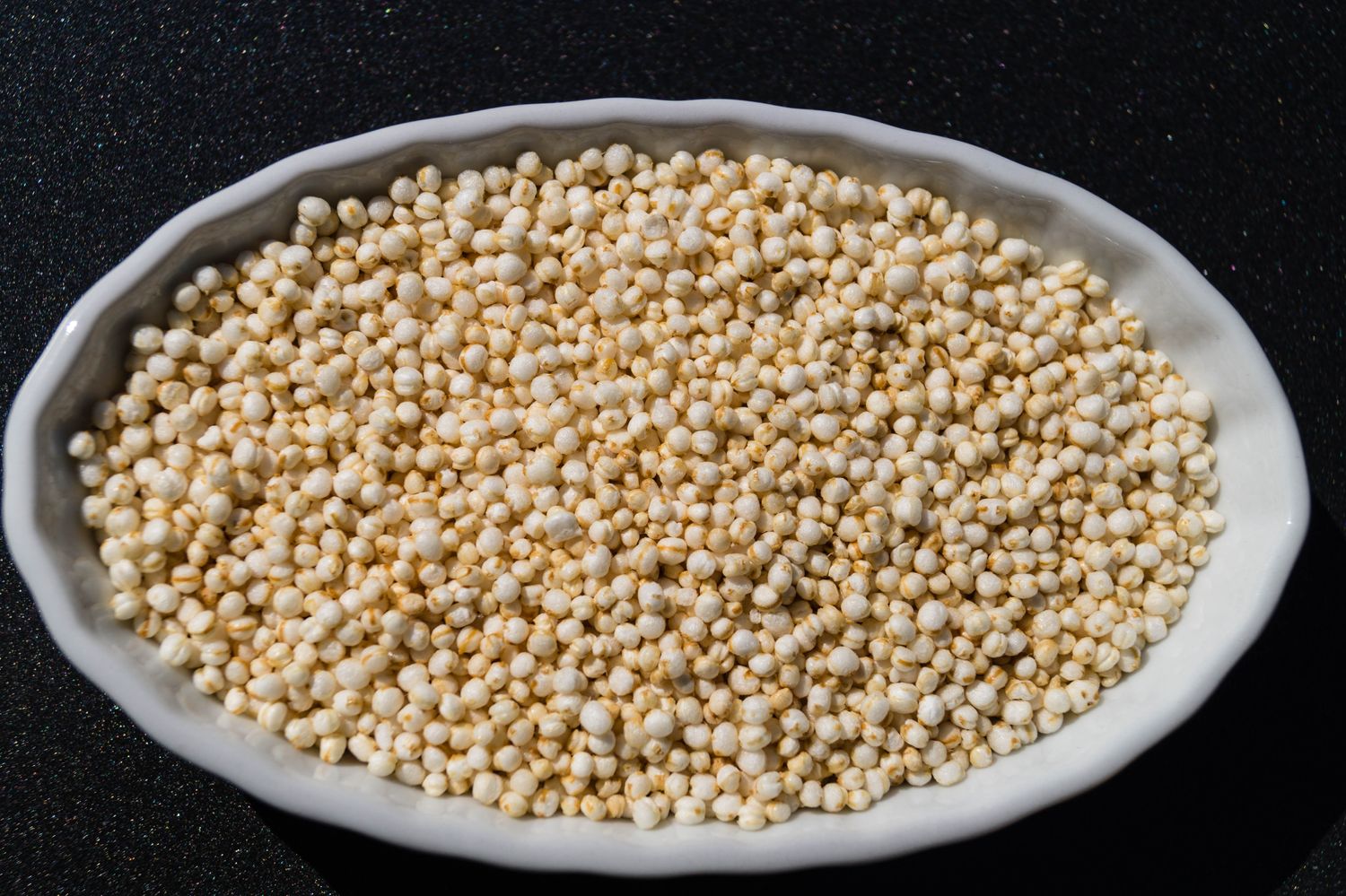
Millet is a type of grain that has been used for thousands of years and is a staple food in many parts of the world. In recent years, millet consumption has gained popularity among health-conscious individuals due to its many promising benefits. Millet is a versatile and nutritious grain that is easy to incorporate into your diet.
One of the benefits of millet consumption is that it is a great source of fiber. Fiber is essential for maintaining healthy digestive function and can help prevent a range of conditions, including constipation, IBS, and colon cancer. Millet is also rich in antioxidants, which are essential for neutralizing free radicals that can cause cellular damage and contribute to the development of diseases like cancer.
Millet is a good source of protein, which is essential for building and repairing tissues in the body. Protein is also important for maintaining healthy skin, hair, and nails. Millet is also a gluten-free grain, making it an excellent choice for people with gluten sensitivities or celiac disease.
Consuming millet may also have a positive impact on blood sugar levels. This grain has a low glycemic index, which means that it does not cause a significant spike in blood sugar levels after consumption. This is important for people with diabetes as they need to carefully monitor their blood sugar levels.
Millet consumption may also be beneficial for weight management. This grain is low in calories and contains healthy fats that can help keep you feeling full and satisfied for longer periods of time. This can help prevent overeating and snacking, which can lead to weight gain.
Another promising benefit of millet consumption is its impact on heart health. This grain is high in magnesium, which plays a crucial role in maintaining healthy blood pressure levels and reducing the risk of heart disease. Millet also contains potassium, which is essential for the proper functioning of the heart.
Overall, the benefits of millet consumption are numerous and promising. Whether you are looking to improve your digestive health, manage your weight, or protect yourself against disease, incorporating millet into your diet may be a wise choice. With its versatility and delicious taste, millet is an excellent addition to any healthy eating plan.
Millet: A Nutritional Powerhouse
Millet is an ancient grain that has gained significant popularity in recent years due to its impressive nutritional value. Known for being gluten-free and high in protein, millet is an excellent source of essential minerals such as magnesium, phosphorus, and potassium. Furthermore, millet is rich in antioxidants and is an excellent source of fiber, making it an ideal choice for those looking to improve their digestive health.
Weight Management
Consumption of millets has been linked to improved weight management by helping individuals feel fuller for longer periods. Millet is a low-glycemic index food that does not cause blood sugar spikes, reducing hunger cravings and the risk of overeating. Additionally, healthy digestion resulting from the high fiber content increases metabolism, thus, assisting those looking to lose weight.
Regulation of Cholesterol
Research has shown that millet helps regulate cholesterol levels in the body. The antioxidants found in millet reduce oxidative stress in cells which causes damage to the blood vessels. Millet further reduces cholesterol levels by binding with bile acids in the gut and excreting them out of the body, which stimulates the liver to produce more bile acid, further reducing cholesterol.
Diabetes Management
Millet has a low glycemic index, making it an ideal food for individuals with diabetes. The slow digestion of carbohydrates in millet leads to a gradual release of sugar into the bloodstream, preventing blood sugar spikes. The high fiber content in millet also aids in regulating blood sugar levels.
Supports Cardiovascular Health
Millet is an excellent source of magnesium, which is essential for cardiovascular health. Magnesium helps maintain a healthy heart rhythm and aids in relaxing blood vessels, promoting healthy blood flow. The high fiber content also lowers blood pressure and reduces the risk of heart disease.
Improved Cognitive Function
Millet is a rich source of B vitamins, which are critical for brain function. Niacin, in particular, found in millet, helps improve cognitive function and reduce the risk of Alzheimer’s disease.
Enhanced Skin and Hair Health
Millet is rich in antioxidants, promoting healthy skin and hair. The selenium content present in millet helps maintain the elasticity of the skin, aiding in the prevention of premature aging. Additionally, millet is a rich source of protein, promoting healthy hair growth.
The Future of Millets
Millet has gained immense popularity across the world and is now widely seen as a future superfood. Given their nutritional value and benefits to overall health, it’s no surprise that more consumers are turning to millets as a dietary staple. Furthermore, the cultivation of millets is environment-friendly as they consume less water and are drought-resistant. Therefore, incorporating millet into your diet can help you improve your health while supporting sustainable farming practices.
Summary
Millet is a versatile grain that has been popular as a staple food in different parts of the world for a long time. Recently, people have started consuming millet for its various health benefits. Millet is an excellent source of dietary fiber, antioxidants, protein, and is gluten-free. Consuming millet may improve digestive health, blood sugar levels, heart health, and aid in weight management. Thus, incorporating millet into your diet can help you reap its numerous benefits while enjoying its delicious taste.
FAQ
What are the health benefits of consuming millet?
Millet is considered a superfood due to its numerous health benefits. It is high in protein, fiber, antioxidants, vitamins, and minerals that promote a healthy lifestyle. Millet has a low glycemic index, which helps in regulating blood sugar levels and preventing diabetes. It is also rich in magnesium which helps in maintaining blood pressure, bone health, and muscle function. Millet consumption reduces the risk of heart disease, cancer, and obesity. It is gluten-free and easy to digest, making it suitable for people with celiac disease and digestive disorders.
How can millet help in maintaining a healthy weight?
Millet is a low-calorie food that can help in maintaining a healthy weight. It is high in fiber which helps in reducing appetite and providing a feeling of fullness. This reduces the urge to overeat, leading to weight loss. Millet is also low in fat and has a low glycemic index, preventing spikes in blood sugar levels that cause cravings. Moreover, the protein in millet helps in building lean muscles that boost metabolism and burn calories in the body.
Are there any side effects of consuming millet?
Millet is generally safe for consumption and does not cause any harmful side effects. However, some people may experience an allergic reaction to millet, causing rashes, itching, or swelling. It may also contain antinutrients that interfere with the absorption of minerals in the body. To overcome this, soak millet overnight before cooking it or consume it in moderation. Additionally, millet is rich in minerals that can cause mineral imbalances if consumed in excess. Therefore, it is important to consume millet in moderation and balance it with other foods in the diet.
How can millet be incorporated into daily meals?
Millet is a versatile food that can be incorporated into various meals. It can be used as a grain in salads, soups, and stews. It can also be ground into flour and used in baking bread, muffins, and pancakes. Millet can be cooked like rice and used as a side dish with vegetable curry. It can be roasted and used as a topping for yogurt and breakfast cereal. Millet can also be used to make porridge, desserts, and energy bars. Millet is easy to cook and can be flavored with spices, herbs, and vegetables to enhance its taste and nutrients.