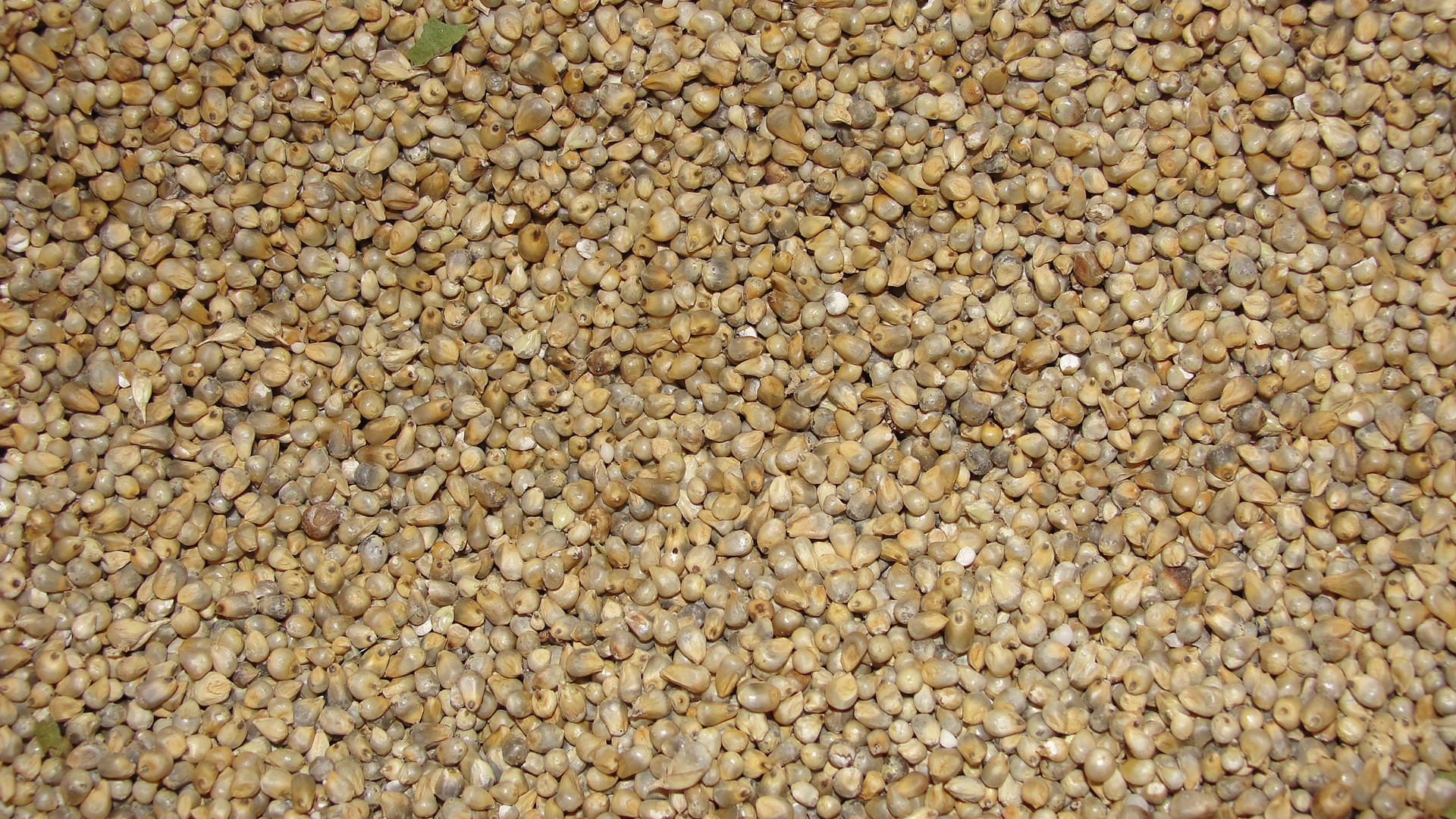
Millet, often referred to as a “forgotten grain,” is making a glorious comeback as people are increasingly embracing healthy eating. This versatile grain has been cultivated for thousands of years and has served as a staple food for many civilizations across the globe. Millet comes in a variety of forms, each with its unique characteristics and benefits. In this article, we will delve into the world of millet, exploring its various varieties and the incredible advantages it offers for a wholesome lifestyle.
One of the most notable aspects of millet is its remarkable diversity. From pearl millet to finger millet, foxtail millet to proso millet, there is a type of millet to suit every taste and nutritional need. Each variety possesses its own distinct flavor, texture, and cooking method, making the exploration of millet a delightful culinary adventure. Additionally, millet is an excellent alternative for those with gluten sensitivities or celiac disease, providing a grain option that is naturally gluten-free.
Aside from its impressive versatility, millet is also packed with numerous health benefits. For starters, this tiny grain is a rich source of fiber, aiding in digestion and promoting a healthy gut. It is also abundant in essential minerals such as iron, magnesium, phosphorus, and zinc, which play crucial roles in maintaining overall well-being. Moreover, millet is known for its high antioxidant content, which helps combat free radicals and reduce the risk of chronic diseases.
Incorporating millet into your diet brings forth a myriad of advantages that extend beyond mere nutrition. Its hearty and satisfying nature makes it an excellent choice for weight management, as it keeps you feeling full for an extended period. Millet is also a low glycemic index food, meaning it causes a slow and steady rise in blood sugar levels, making it suitable for individuals with diabetes or those aiming to maintain stable blood sugar levels.
Exploring the various millet varieties can also be an exciting endeavor due to the immense cultural significance attached to this grain. Millet has been a dietary staple for centuries in regions such as Africa, Asia, and even North America. By incorporating millet into our meals, we not only adopt a healthier lifestyle but also embrace the traditions and flavors of diverse cultures.
Furthermore, millet cultivation aligns well with sustainable agricultural practices. As a drought-tolerant crop, millet requires minimal water and has the ability to grow in extreme climates. This resilient grain also enriches the soil, making it a valuable asset for farmers and the environment. By choosing millet, we contribute to a sustainable food system that prioritizes both our health and the planet’s well-being.
In conclusion, millet offers a world of possibilities for those seeking a wholesome lifestyle. Beyond its flavorsome varieties and culinary versatility, millet provides numerous health benefits and is a gluten-free option for individuals with dietary restrictions. From aiding digestion to supporting stable blood sugar levels, this ancient grain proves to be a nourishing addition to our diets. Moreover, exploring millet allows us to appreciate the cultural importance attached to this grain and align ourselves with sustainable agricultural practices. So let us embark on a journey through the world of millet, discovering its incredible varieties and the endless possibilities it holds for an enriching and holistic lifestyle.
Millet Varieties
Millets are a diverse group of small-seeded grasses that have been cultivated for thousands of years. Some of the most popular millet varieties include pearl millet, finger millet, foxtail millet, and proso millet. Each variety has its unique characteristics and nutritional profile, making them a great addition to any diet.
Pearl millet, known for its high protein and fiber content, is a staple crop in many developing countries. Finger millet, on the other hand, is rich in calcium and iron, making it an excellent choice for individuals with deficiencies in these minerals. Foxtail millet is gluten-free and suitable for those with gluten sensitivities or celiac disease. Lastly, proso millet is versatile and can be used in various recipes, including bread, porridge, and pilaf.
Nutritional Benefits
Millets are not only versatile but also packed with essential nutrients. They are a good source of carbohydrates, dietary fiber, and plant-based protein. Additionally, millets contain a variety of vitamins and minerals such as iron, calcium, magnesium, and phosphorus. The fiber content in millets aids digestion and promotes a healthy gut. Due to their low glycemic index, they help regulate blood sugar levels, making them suitable for diabetics. Furthermore, millets are rich in antioxidants, which can help protect against chronic diseases and boost the immune system.
Including millets in your diet can contribute to weight management as they provide a feeling of satiety and help curb unnecessary cravings. Moreover, the various vitamins and minerals present in millets support overall health and well-being. Whether you’re aiming to lose weight, improve your heart health, or increase nutrient intake, incorporating millets into your daily meals can be a beneficial and delicious choice.
Culinary Uses
Millets offer a wide range of culinary possibilities, catering to various tastes and preferences. They can be cooked as whole grains, ground into flour, or used in combination with other flours for baking. Millet flour is an excellent gluten-free alternative that adds a unique nutty flavor and texture to baked goods. Millet grains can be used to prepare porridge, pilaf, risotto, or added to soups and stews for additional nutrients and thickness.
Millets can also be sprouted and used in salads or added to bread dough for extra crunch. Some varieties, like foxtail millet, can be popped and used as a healthy snack. With their versatility, millets allow for culinary experimentation and give you the opportunity to explore new flavors and textures while enjoying their numerous health benefits.
Environmentally Friendly Crop
Millet cultivation has several environmental advantages compared to other major cereal crops. Millets require less water and are highly resistant to drought conditions, making them suitable for arid regions. They are also known to have low fertilizer requirements and can grow in poor soil conditions, reducing the need for synthetic fertilizers. Additionally, millet plants are highly efficient at photosynthesis, contributing to lower carbon emissions. By choosing millets, individuals can indirectly contribute to sustainable agriculture and help mitigate the effects of climate change.
The cultivation of millets encourages sustainable farming practices and supports local communities, particularly in rural areas where millets have been traditionally grown. Consuming millets not only benefits your own health but also has a positive impact on the environment and local economies.
Potential Allergies and Precautions
While millets offer numerous health benefits, it’s essential to be mindful of potential allergies or sensitivities. Some individuals may experience digestive discomfort or allergic reactions when consuming millets. If you’re trying millets for the first time, it’s advisable to start with small portions to assess your body’s response.
Furthermore, individuals with pre-existing conditions, such as kidney stones, should consume millets in moderation due to the oxalate content present in some varieties. As with any dietary change, it’s recommended to consult with a healthcare professional or nutritionist to ensure millets are suitable for your specific needs and health conditions.
Easy Ways to Incorporate Millets
Adding millets to your diet doesn’t have to be complicated. Start by substituting rice or refined flour with millet-based alternatives. For example, you can replace white rice with foxtail millet in pilaf or use millet flour instead of wheat flour in baking recipes.
Additionally, experiment with different millet varieties to diversify your meals and explore new flavors. Mix cooked millets with vegetables, spices, and herbs for a wholesome and nutritious salad. You can also prepare millet porridge with your choice of fruits, nuts, and honey for a hearty and satisfying breakfast.
Conclusion
Millets offer a wide range of health benefits, including high nutritional content, versatility in the kitchen, and positive environmental impact. Whether you’re looking to enhance your overall well-being, manage your weight, or support sustainable agriculture, incorporating millets into your diet can be an excellent choice. With their various varieties and culinary possibilities, millets enable a wholesome and enjoyable eating experience. So why not explore the diverse world of millets and pave your way to a healthier and more sustainable lifestyle?
Summary
Millet, a versatile and often overlooked grain, is gaining popularity as people embrace healthy eating. It comes in various forms, each with unique characteristics and benefits. Millet is gluten-free, making it a great alternative for those with gluten sensitivities. It is rich in fiber, essential minerals, and antioxidants, promoting digestion and overall well-being. Millet helps with weight management and is suitable for individuals with diabetes due to its low glycemic index. By incorporating millet into our diets, we not only improve our health but also embrace diverse cultures and sustainable agricultural practices. Millet offers endless possibilities for a wholesome lifestyle.
FAQ
What are the different millet varieties available and what are their benefits for a wholesome lifestyle?
Millet is a versatile grain, and there are several varieties to choose from. Some common millet varieties include pearl millet, finger millet, foxtail millet, and sorghum. Each variety has its own unique nutritional profile and health benefits. Pearl millet, for example, is rich in fiber, protein, and minerals like iron and calcium. Finger millet is known for being gluten-free and high in antioxidants, making it a great choice for those with gluten sensitivities or looking to boost their antioxidant intake. Foxtail millet is a good source of B vitamins and essential amino acids, while sorghum is packed with phytochemicals that have been linked to several health benefits.
Incorporating these different millet varieties into your diet can help promote a wholesome and balanced lifestyle. They are rich in nutrients, high in fiber, and low in fat, making them a healthy option for weight management. Additionally, millets are often considered a good source of complex carbohydrates, which provide sustained energy throughout the day. They also have a low glycemic index, which means they promote better blood sugar control. Including millets in your diet can potentially aid in reducing the risk of chronic diseases such as diabetes, heart disease, and certain types of cancer.
How can millets be included in a daily diet and what are some easy recipes to try?
Millets can be a versatile addition to your daily diet and can be incorporated into various recipes. One simple way to include millets is by replacing refined grains like white rice or semolina with millets in your meals. Millet grains can be cooked just like rice, and you can use them as a base for a variety of dishes such as pilafs, grain bowls, or even as a side dish to accompany curries or stir-fries.
If you prefer a breakfast option, you can make millet porridge by boiling millets with milk or plant-based alternatives and adding sweeteners like honey or fruits for added flavor. Millet flour can also be used in baking bread, pancakes, or muffins, offering a nutritious alternative to wheat flour. Additionally, millet flakes can be used as a substitute for oats in overnight oats or granola recipes.
Are millets suitable for people with dietary restrictions like gluten intolerance or diabetes?
Millet varieties are often a great choice for people with dietary restrictions. For individuals with gluten intolerance or celiac disease, millets like finger millet and sorghum are naturally gluten-free. This makes them an excellent alternative to wheat, barley, or rye, which contain gluten. Using millet flour or incorporating millet-based products into gluten-free baking can provide a safer and healthier option for those with gluten sensitivities.
Similarly, millets can be beneficial for individuals with diabetes. Since millets have a low glycemic index, they are digested more slowly, preventing sudden spikes in blood sugar levels. This makes millets suitable for including in a diabetic-friendly diet. However, it is important to remember that portion control and overall dietary balance are crucial for managing diabetes, so it is advisable to consult with a healthcare professional for personalized advice.
Is it necessary to cook or soak millets prior to consumption?
While it is generally recommended to cook millets before consuming them, soaking is not always necessary. Soaking millets can help reduce cooking time and enhance their digestibility. Soaking grains for a few hours or overnight can also help release certain anti-nutrients that interfere with nutrient absorption. However, many individuals find it convenient to skip the soaking step and proceed directly to cooking millets to save time.
The cooking method for millets is similar to that of rice. Rinse the millets thoroughly, add the desired amount of water or broth, bring it to a boil, and then simmer until the grains are tender. The cooking time may vary depending on the millet variety, so it’s important to refer to specific instructions provided on the packaging.
Overall, while soaking can offer certain benefits, it is not absolutely necessary for consuming millets. Cooking them thoroughly will ensure their optimal texture and digestibility, allowing you to enjoy their nutritional benefits.