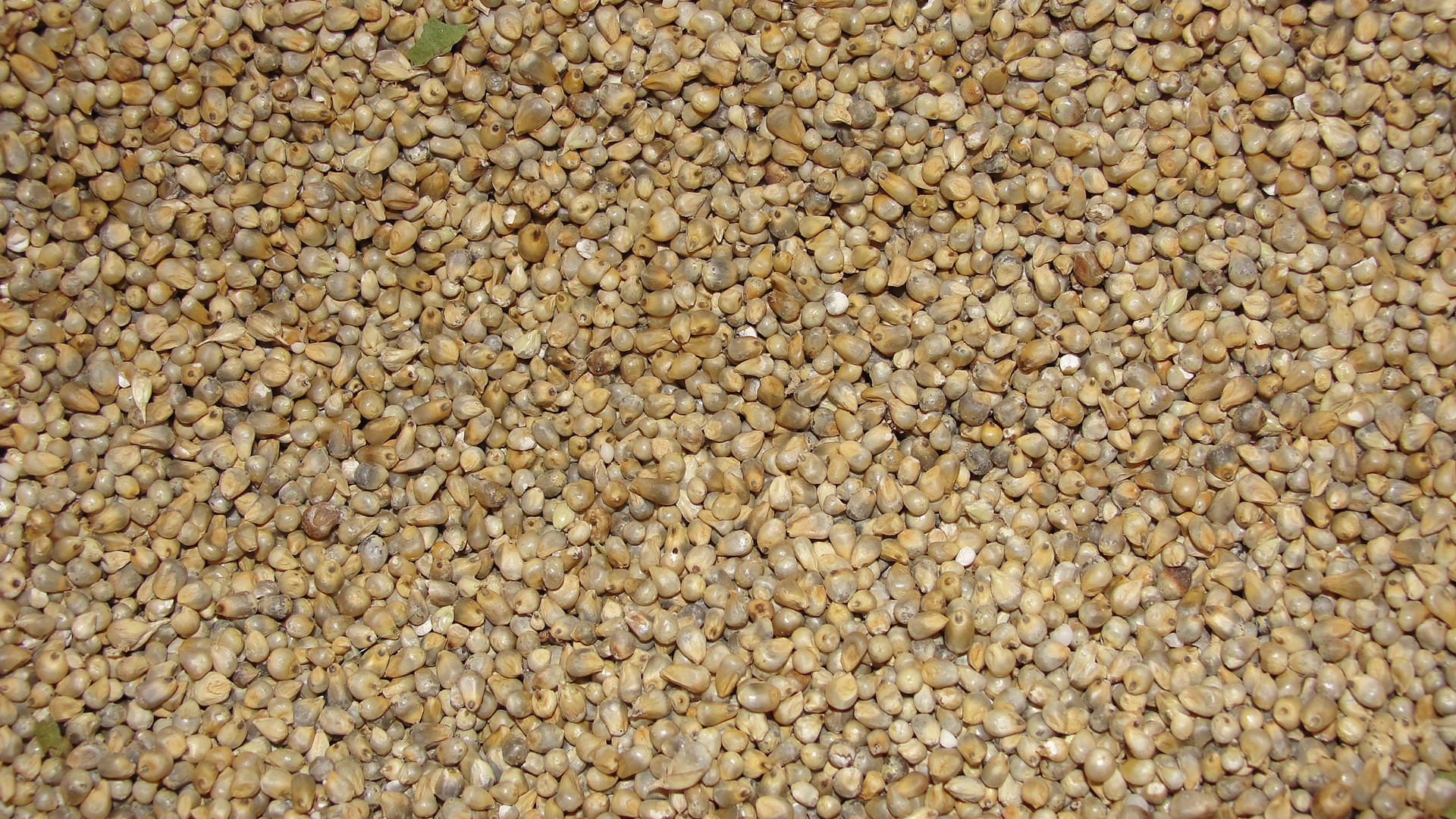
Millets, once largely considered as traditional and forgotten grains, are making a significant comeback in the world of health and sustainability. These small-seeded grasses, often referred to as “nutri-cereals,” are packed with numerous health benefits that cannot be overlooked. From being gluten-free and rich in essential nutrients to having a positive impact on our planet, millets have garnered attention from nutritionists, environmentalists, and food enthusiasts alike. In our pursuit of a balanced and sustainable lifestyle, it is essential to explore and embrace the power of millets.
As more individuals become health-conscious and strive for a well-rounded diet, millets have become a staple food ingredient that offers numerous health advantages. As a nutrient-dense grain, millets are packed with dietary fiber, essential minerals, and vitamins. They are known to help lower cholesterol levels, control blood sugar, and boost digestion. These incredible grains are also rich in antioxidants, which play a vital role in preventing chronic diseases and promoting overall wellness. By incorporating millets into our daily meals, we can unlock their potential to fuel our bodies with the necessary nutrients for a healthy lifestyle.
Beyond their nutritional benefits, millets are champions of sustainability. These drought-resistant grains require significantly less water compared to crops like rice or wheat, making them a wise choice for regions facing water scarcity. Additionally, millets are naturally pest-resistant, reducing the need for chemical pesticides. The low-input requirements of millet cultivation make it an environmentally friendly choice, promoting biodiversity and decreasing the carbon footprint of agriculture. As global awareness of the impact of food production on the environment grows, millets offer a sustainable solution to nourish the planet while protecting its resources.
Culturally, millets have a deep-rooted history, especially in countries like India, where they have been cultivated for centuries. Millets are an integral part of traditional cuisines, adding diversity and flavor to a wide range of dishes. By rediscovering and embracing the culinary heritage of millets, we not only enrich our meals but also contribute to the preservation of local food traditions and cultural identity. This reconnection can create a sense of pride and appreciation for our diverse culinary heritage while offering an opportunity to cultivate a better understanding of the food systems that sustain us.
Furthermore, millets have the potential to play a crucial role in addressing the global food security challenge. Their ability to adapt to various climatic conditions and low-resource requirements make them an excellent choice for small-scale farmers in developing countries. As the world faces unpredictable weather patterns and increasing pressure on agricultural systems, the resilience of millets offers a glimmer of hope. Supporting and promoting the cultivation and consumption of millets can contribute to a more secure and sustainable food future for all.
As we delve deeper into the potential of millets, it becomes evident that these grains are far more than just ingredients on our plates. They hold immense power to transform both our health and our planet. By unlocking the potential of millets and integrating them into our diets, we embark on a journey towards a balanced and sustainable lifestyle. Let us explore the paths paved by these humble grains and uncover the solutions they offer for our well-being and the harmony of our environment.
In conclusion, the revival of millets as superfoods brings together various aspects of our lives, from nourishing our bodies with essential nutrients to mitigating climate change and preserving cultural heritage. By acknowledging and harnessing the power of millets, we take a step towards creating a healthier, more sustainable world. The time has come to unlock the potential of these humble grains and embrace their splendid attributes, shaping our future filled with balanced diets and a thriving planet.
Introduction
Introduce the concept of unlocking the power of millets for a balanced and sustainable lifestyle. Highlight the growing interest in millets as a nutritious and environmentally friendly food choice. Explain the purpose of the article.
Explain what millets are and their significance in different cultures. Discuss the nutritional benefits of millets, including their high fiber, protein, and mineral content. Briefly mention how millets are naturally gluten-free and have a low glycemic index, making them suitable for various dietary needs and health conditions.
Environmental Sustainability
Discuss the environmental advantages of incorporating millets into our diets. Explain how millets are hardy crops that require less water, fertilizers, and pesticides compared to conventional grains. Emphasize that millet cultivation can help combat climate change and reduce pressure on freshwater resources.
Explain the role of millets in promoting biodiversity and enhancing soil health. Highlight how millets offer an eco-friendly alternative to conventional grains, as they can be grown in diverse agro-ecological zones, reducing monoculture farming practices and the associated environmental risks.
Health Benefits
Outline the numerous health benefits of consuming millets regularly. Discuss their positive impact on weight management, as millets are low in calories and have a high satiety value. Mention how millets have been linked to a reduced risk of chronic diseases, including diabetes, cardiovascular conditions, and certain types of cancer.
Highlight the role of millets in supporting digestive health due to their rich fiber content. Discuss how millets can aid in regulating blood sugar levels and promoting a healthy gut microbiome. Talk about the potential benefits for individuals with gluten sensitivity or celiac disease, as millets are naturally gluten-free.
Versatility in Cooking
Highlight the culinary possibilities of millets and their versatility in various recipes. Mention that millets can be used to prepare a wide range of dishes, from breakfast cereals and side dishes to main courses and baked goods. Discuss the different types of millets available, such as pearl millet, foxtail millet, and finger millet, and their unique characteristics.
Provide examples of popular millet-based recipes, such as millet pulao, dosa, upma, and porridge. Encourage readers to experiment with incorporating millets into their favorite recipes and explore the diverse flavors and textures these grains can offer.
Promoting Food Security
Explain how millets can contribute to food security and resilience, particularly in regions prone to droughts or other climate-related challenges. Discuss the importance of promoting millet cultivation as a sustainable and economically viable option for small-scale farmers.
Highlight initiatives and programs aimed at increasing the cultivation, processing, and consumption of millets at both the local and global levels. Discuss the potential economic benefits for farmers and the overall community, as millet-based industries and markets continue to grow.
Preserving Culinary Heritage
Discuss the cultural significance of millets in different regions and their role in preserving culinary heritage. Explain how millets have been staple foods in many traditional diets for centuries, with unique recipes and cooking methods passed down through generations.
Talk about the importance of reviving interest in traditional food practices and the role of millets in reconnecting with our cultural roots. Highlight efforts to promote millets through food festivals, cooking workshops, and educational campaigns that celebrate the diversity and richness of traditional millet-based cuisines.
Conclusion
Summarize the key points discussed in the article, emphasizing the potential of millets in promoting a balanced and sustainable lifestyle. Encourage readers to consider incorporating millets into their diets as a nutritious and environmentally friendly choice. Highlight that by unlocking the power of millets, individuals can contribute to their own well-being and the well-being of the planet.
End with a motivating statement, urging readers to join the millet movement and explore the endless possibilities millets offer for a healthier and more sustainable future.
Summary
Millets are making a comeback as they are packed with health benefits and are sustainable. They are gluten-free and rich in essential nutrients, helping lower cholesterol and control blood sugar. Millets are also high in antioxidants, aiding in preventing chronic diseases. They require less water and pesticides compared to other crops, making them environmentally friendly. Culturally, millets have a long history and are a part of traditional cuisines, contributing to the preservation of local food traditions. Additionally, millets can play a crucial role in addressing global food security challenges. By embracing millets, we can lead a balanced and sustainable lifestyle.
FAQ
What are millets and how can they contribute to a balanced and sustainable lifestyle?
Millets are a group of small-seeded grasses that have been cultivated for thousands of years. They are highly nutritious and offer numerous health benefits. Millets are rich in fiber, protein, vitamins, and minerals, making them an excellent alternative to refined grains. Additionally, millets are gluten-free, which makes them suitable for individuals with gluten sensitivities or celiac disease.
By incorporating millets into our diet, we can enjoy a balanced and sustainable lifestyle. Millets have a low glycemic index, which helps regulate blood sugar levels and prevents spikes, making them an ideal choice for individuals with diabetes or those looking to manage their weight. Millets are also known for their high antioxidant content, which helps fight off free radicals and reduces the risk of chronic diseases. Moreover, these crops require minimal water and can grow in diverse climates, making them a sustainable choice for farmers and promoting environmental preservation.
How can I include millets in my daily diet?
Including millets in your daily diet is straightforward. You can replace refined grains like rice or wheat with millets in a variety of dishes. Millets, such as foxtail millet, little millet, or pearl millet, can be cooked and enjoyed as a flavorful and nutritious replacement for rice. They can also be ground into flour and used for baking or making rotis (flatbread).
Adding millets to your diet goes beyond just replacing grains. You can incorporate them into various recipes such as porridges, pilafs, salads, and desserts. Mixing millets with vegetables, lentils, and spices can result in delicious and wholesome meals. It is also worth exploring millet-based snacks, cereals, and beverages available in the market. Taking small steps like substituting refined grains with millets can contribute significantly to a balanced and sustainable lifestyle.
Are there any potential allergenicity or side effects associated with consuming millets?
Generally, millets are well-tolerated and do not pose significant allergenic risks. They are considered safe for consumption by most individuals. However, as with any new ingredient, it is essential to monitor how your body reacts to millets, especially if you have a history of food allergies or sensitivities. Some individuals may experience digestive issues, such as bloating or gas, when they first introduce millets into their diet. This is usually temporary as the body adjusts to the new food.
It is also advisable to consume millets in moderation. While they are highly nutritious, excessive consumption may lead to a high intake of certain minerals, such as iron or phosphorus. Individuals with specific health conditions may need to consult a healthcare professional before incorporating millets into their diet. Overall, millets are safe and offer numerous health benefits when consumed in appropriate quantities.
How do millets contribute to the sustainability of our food system?
Millets play a crucial role in promoting a sustainable food system. These crops are known for their ability to grow in dry and arid regions with minimal water requirements, making them resilient to climate change. By cultivating and consuming millets, we can diversify our food sources and reduce reliance on water-intensive crops like rice or wheat. This diversification can help reduce pressure on water resources and mitigate the impact of water scarcity in regions prone to droughts.
Furthermore, millets have a short growing cycle and require less time to mature compared to many other major crops, enabling multiple harvests within a year. This quality allows farmers to maximize their land usage and increase crop yields, ultimately improving their livelihoods. Millets also possess high nutritional value, contributing to food security and combating malnutrition in regions where they are widely consumed. By recognizing the power of millets and promoting their cultivation and consumption, we can establish a more sustainable and resilient food system for the future.