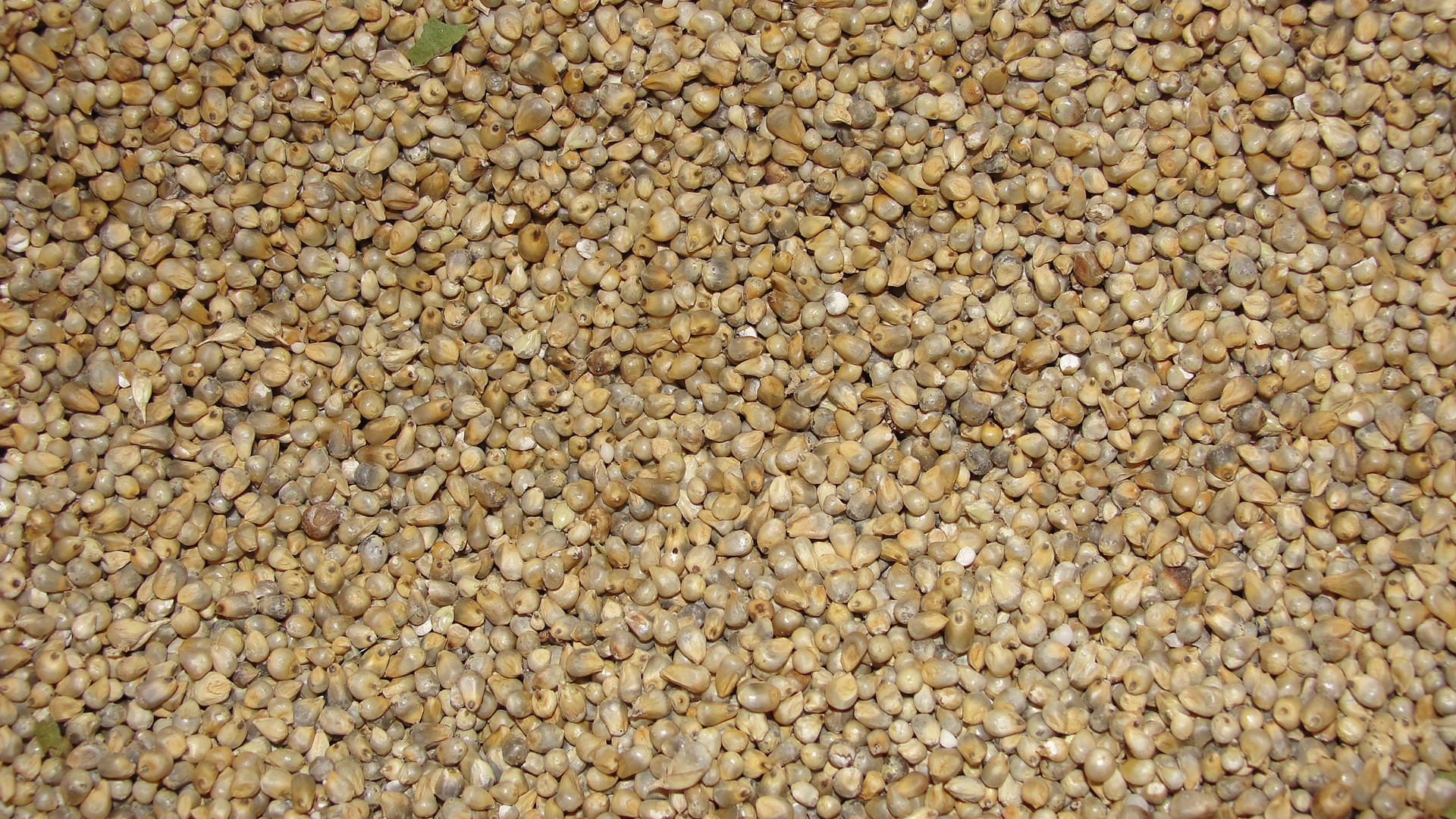
As we navigate the complexities of our modern world, one key issue looms large: sustainability. How can we lead lives that are both fulfilling and nurturing to the planet we call home? This question has sparked a global movement towards embracing sustainable practices in various aspects of our lives, including the food we consume. Many are now turning to an ancient grain that holds immense potential in fostering a sustainable lifestyle – millets. These humble and often overlooked grains have been cultivated by civilizations around the world for thousands of years, yet their remarkable benefits are only now gaining recognition. In this article, we will take a journey from farm to table, exploring the vital role that millets play in promoting sustainability and how they can transform our diets for the better.
The farm is where it all begins – a patchwork of earth teeming with life. Millets thrive in diverse climates, requiring fewer pesticides and fertilizers than conventional crops. With their resilience to harsh environments, millets can be grown in regions where other grains struggle. Their drought tolerance and short growing period make them a perfect choice for farmers in arid regions, where water scarcity is a pressing challenge. By choosing to cultivate millets, farmers can combat climate change, protect biodiversity, and reduce their ecological footprint.
But the significance of millets doesn’t end on the farm. Upon reaching our tables, they offer a compelling alternative to commonly consumed grains such as wheat and rice. Nutritionally dense, these tiny grains pack a powerful punch. Millets are rich in fiber, vitamins, and minerals, and also possess a low glycemic index. Incorporating millets into our diets can have positive effects on our health, helping to prevent conditions such as obesity, diabetes, and heart disease. Moreover, millets offer a gluten-free alternative for those with celiac disease or gluten sensitivities, expanding the options for a diverse and inclusive diet.
Beyond their nutritional value, millets have the inherent ability to address larger global challenges. As a highly adaptable crop, millets are resilient to climate change, making them a crucial tool in ensuring food security for future generations. They require minimal water and can be grown using organic and regenerative farming methods, reducing the use of harmful chemicals and their impact on the environment. By promoting the cultivation and consumption of millets, we can build a more sustainable and resilient global food system.
Furthermore, the cultivation of millets offers a promising solution for rural development and poverty alleviation. These grains provide small-scale farmers with a viable and profitable crop that requires minimal capital investment. Through their cultivation and trade, millets can foster local economic growth, create job opportunities, and empower marginalized communities. Embracing millets means supporting a sustainable livelihood for farmers, contributing to social equity, and strengthening local food systems.
The time has come for us to rediscover and embrace the versatility of millets in our daily lives. By making conscious choices about the food we eat, we can make a profound impact on our environment, health, and society as a whole. As we dive deeper into the topic, we will explore the various types of millets, their unique characteristics, and discover innovative recipes that incorporate these nutritious grains. Join us on this journey from farm to table, as we uncover the immense potential of millets in shaping a sustainable lifestyle for a healthier and greener future.
Introduction
Millets, a group of small-seeded grains, have been a staple food in various parts of the world for thousands of years. However, these ancient grains are making a comeback in modern diets due to their numerous health benefits and their positive impact on sustainable living. This article explores the journey of millets from farm to table and highlights the role they play in promoting a sustainable lifestyle.
Understanding Millets
Millets are a diverse group of cereal crops that are incredibly hardy and can grow in arid and semi-arid regions, requiring minimal water and resources compared to other crops. These grains are rich in essential nutrients, vitamins, and minerals, making them an excellent choice for a balanced diet.
Climate Resilience and Water Conservation
One of the key reasons millets contribute to sustainable living is their climate resilience. Millets are known for their ability to withstand dry and harsh conditions, making them ideal crops for regions facing water scarcity and climate change challenges. By cultivating and consuming millets, individuals and communities can conserve water resources and adapt to changing climatic conditions.
Biodiversity and Ecosystem Preservation
Millets promote biodiversity and ecosystem preservation as they are typically grown using traditional and sustainable farming methods. These farming practices support the cultivation of diverse crops, preserve soil fertility, and reduce reliance on synthetic fertilizers and pesticides. In turn, this helps maintain a balanced and healthy ecosystem while preserving native flora and fauna.
Fighting Malnutrition and Ensuring Food Security
Millets are highly nutritious and contain essential dietary fibers, vitamins, and minerals, making them an effective weapon against malnutrition. Due to their affordability and accessibility, millets are considered an essential crop for fighting hunger and ensuring food security, especially in developing countries. By incorporating millets into diets, especially for vulnerable populations, we can improve overall nutrition and reduce the risk of chronic diseases.
Sustainable Farming and Rural Development
When farmers grow millets, they engage in sustainable and environmentally friendly agricultural practices. The cultivation of these ancient grains establishes a stronger connection to traditional farming methods, encourages the use of organic fertilizers, and reduces dependence on external agricultural inputs. This not only contributes to rural development by providing employment opportunities but also preserves cultural heritage and traditional knowledge.
Food Diversity and Culinary Innovation
Millets offer a wide range of culinary possibilities as they come in various types, including sorghum, pearl millet, finger millet, and others. Integrating millets into our diets brings diversity to our plates and promotes culinary innovation. By exploring new recipes and incorporating millets into our meals, we can enhance the flavor and nutritional aspects of our food while supporting sustainable agriculture.
Conclusion
Millets have a crucial role to play in creating a sustainable lifestyle by promoting climate resilience, water conservation, biodiversity, food security, sustainable farming, and culinary diversity. By recognizing and embracing the potential of millets, we can contribute to building a more sustainable and resilient food system that benefits both our health and the environment.
Summary
In this article, the focus is on the importance of sustainability and how millets can play a significant role in achieving it. Millets are ancient grains that have been cultivated for thousands of years and are now gaining recognition for their sustainable qualities. They require fewer pesticides and fertilizers, can be grown in diverse climates, and are resilient to harsh environments, making them suitable for arid regions. Millets are also highly nutritious, with high fiber, vitamin, and mineral content, and can have positive health effects, such as preventing obesity and diabetes. Furthermore, the cultivation of millets can contribute to addressing global challenges like climate change, food security, and poverty alleviation. Embracing millets in our diets and supporting their cultivation can lead to a more sustainable and resilient global food system, while also benefiting local economies and marginalized communities.
FAQ
What are millets and why are they important in a sustainable lifestyle?
Millets are a group of small-seeded grasses that have been cultivated for thousands of years as staple crops around the world. They include varieties such as finger millet, pearl millet, sorghum, and foxtail millet. Millets are highly resilient to harsh climates, require less water compared to major grains like rice and wheat, and have a shorter growing period. These characteristics make them a crucial part of sustainable agriculture as they reduce the strain on environmental resources. Moreover, millets are highly nutritious, rich in proteins, dietary fiber, vitamins, and minerals. Including millets in a diet can help improve food security and address malnutrition, especially in regions prone to drought or other climate-related challenges.
How can millets be incorporated into a sustainable diet?
Millets can be consumed in various forms, including whole grains, flour, flakes, and as an ingredient in baked goods and snacks. They have a nutty flavor and a versatile texture that makes them suitable for both sweet and savory dishes. For a sustainable diet, millets can be used as a substitute for rice or wheat in dishes like pilafs, salads, porridges, and even as a gluten-free alternative in baked goods. In addition to their nutritional benefits, millets also have a low glycemic index, meaning they release sugar more slowly into the bloodstream. This property makes millets a suitable choice for individuals with diabetes or those looking to regulate blood sugar levels.
Are millets readily available and affordable?
While millets have been traditionally consumed in many parts of the world, their popularity and availability have decreased with the advent of modern agriculture. However, there has been a resurgence of interest in millets due to their sustainable and nutritional properties. Millets are now becoming more widely available in specialty health food stores, organic markets, and online platforms. Additionally, some agricultural initiatives and farming communities are working towards reintroducing millets into mainstream agriculture to make them more accessible and affordable. By supporting local farmers and seeking out alternative food sources, consumers can contribute to the availability and affordability of millets.
Can incorporating millets into a diet support sustainable farming and combat climate change?
Absolutely! By incorporating millets into our diets, we contribute to the demand for sustainable farming practices. Millets are generally hardy crops that require fewer chemical inputs, pesticides, and fertilizers compared to other grains. This reduces the environmental impact associated with conventional agriculture. Additionally, millets have a lower carbon and water footprint as they require less water for cultivation and require shorter growing periods, thereby helping to conserve precious resources. By embracing millets and other sustainable food sources, we can promote climate-resilient farming practices, reduce greenhouse gas emissions, and work towards achieving food security while mitigating climate change.