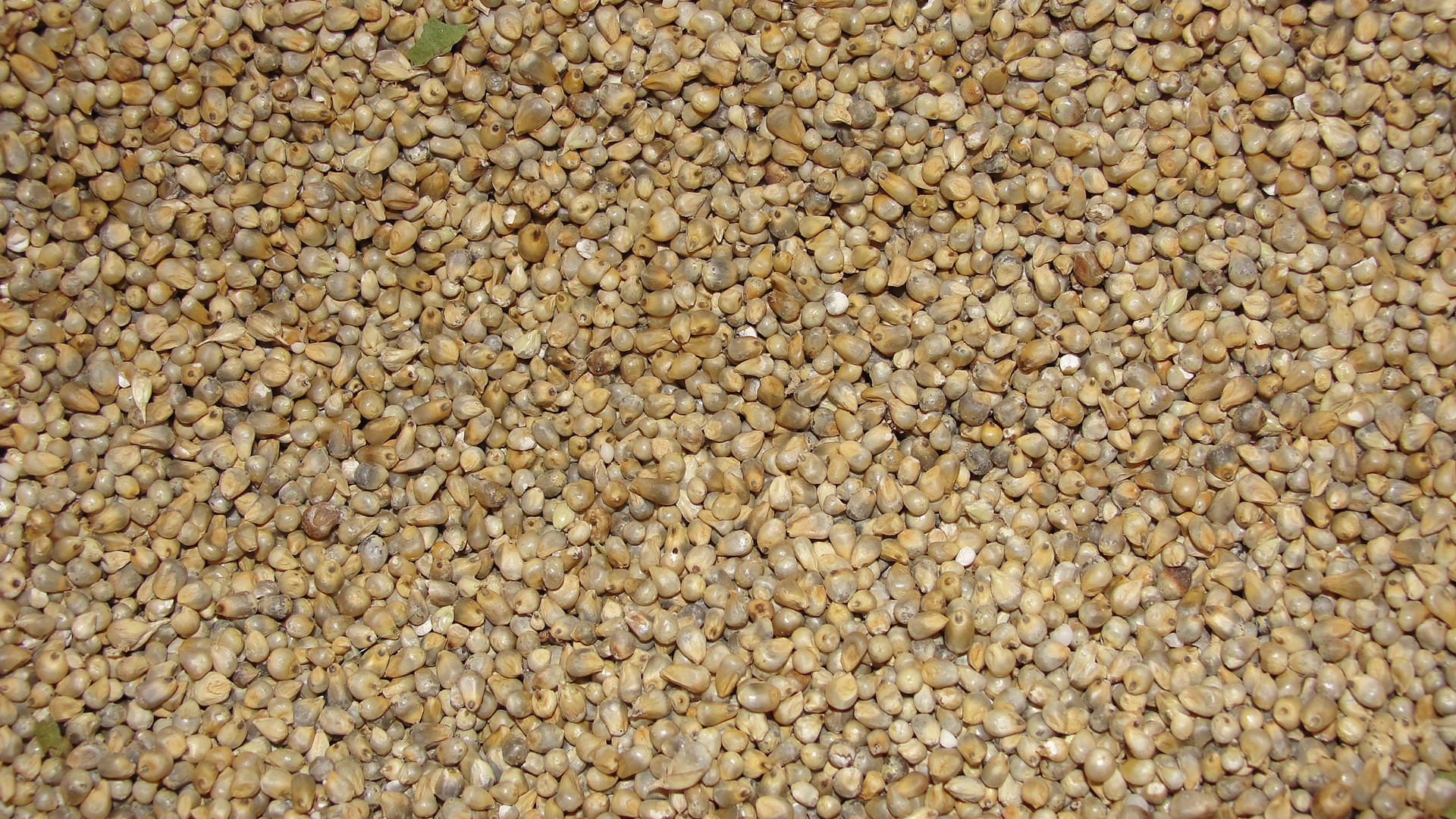
Are you searching for a simple and effective way to fuel your life and enhance your overall well-being? Look no further than the humble millet. These ancient grains, known for their exceptional nutritional value and versatile culinary options, have been helping civilizations thrive for thousands of years. From the indigenous communities of Africa to the bustling cities of Asia, millets have stood the test of time and emerged as the key to a vibrant lifestyle. In this article, we will delve deep into the world of millets and explore why they are gaining popularity worldwide. Discover the numerous health benefits, sustainable farming practices, and mouthwatering recipes that can transform the way you eat and live.
Millets have finally begun receiving the recognition they deserve in the wellness sphere, and for good reason. These tiny grains are powerhouses of nutrition, packed with an abundance of vitamins, minerals, and fiber. By incorporating millets into your diet, you can nourish your body with essential nutrients like magnesium, iron, and B vitamins that support cardiovascular health, boost energy levels, and strengthen your immune system. Moreover, their high fiber content aids digestion and helps maintain healthy blood sugar levels, making them an excellent option for individuals with diabetes or those seeking to manage their weight.
Not only are millets a nutritional goldmine, but they also offer numerous environmental advantages. As climate change becomes an increasingly urgent concern, sustainable farming practices are crucial for protecting our planet. Millet crops require far less water and resources compared to other grains, making them an eco-friendly choice. Their ability to thrive in diverse climatic conditions, even in poor soils, ensures the preservation of natural resources and promotes a more sustainable farming system that is vital for our planet’s future.
In addition to their health benefits and environmental impact, millets are surprisingly versatile in the kitchen. Whether you are a devoted baker, an adventurous chef, or simply someone looking to incorporate more whole foods into your diet, millets offer a wide range of culinary possibilities. From fluffy pancakes and nutrient-rich porridges to savory pilafs and gluten-free baking, millets can be transformed into a variety of mouthwatering dishes that cater to all tastes and dietary preferences.
Embarking on a millet-infused culinary journey not only enhances your lifestyle but also connects you with cultures and traditions worldwide. These grains have been a staple in many cultures, from the ancient civilizations of Africa to the rural communities of India, where they are still revered as sacred foods. By exploring millet-based recipes and dishes from different regions, you can embrace a world of flavors and tap into the rich culinary heritage of diverse societies, fostering a deeper appreciation for cultural diversity.
As we immerse ourselves in the realm of millets, it is important to dispel any misconceptions surrounding these grains. While they may be less familiar to some, millets are not a novelty but have been a fundamental part of human civilization for thousands of years. Recognizing the importance of these grains and incorporating them into our modern lifestyles is an essential step towards promoting both personal and planetary well-being.
So join us on this enlightening journey where we uncover the secrets of millets, harness their incredible potential, and unlock the key to a vibrant lifestyle. From their nutritional value to their sustainable production methods and enticing recipes, we will explore every aspect of these extraordinary grains that have sustained generations before us. Buckle up and get ready to embark on a transformative experience as we discover the power of fueling our lives with millets.
1. Introduction
Introduce the topic of millets and their significance in a healthy lifestyle. Briefly explain their growing popularity and mention their versatile nature as a food source.
Millets are a group of small-seeded grasses that have been cultivated for centuries. In recent years, they have gained significant recognition worldwide due to their numerous health benefits and nutritional value. These power-packed grains have become a staple ingredient in several cuisines and are praised for their versatility, affordability, and ability to thrive in drought-prone regions.
2. Nutritional Value
Highlight the nutritional value of millets and why they are considered a healthy choice. Discuss their high fiber content, rich mineral composition, and their low glycemic index, which makes them suitable for people with diabetes or those seeking weight management.
Millets are a nutritional powerhouse, packed with essential nutrients. They are a great source of dietary fiber, enabling better digestion and promoting gut health. Millets are also rich in vitamins and minerals such as iron, magnesium, and phosphorus. Moreover, their low glycemic index prevents sudden blood sugar spikes, making them an excellent choice for individuals with diabetes or those aiming for weight loss.
3. Improved Heart Health
Explore how including millets in your diet can contribute to improving heart health. Emphasize their high levels of antioxidants and their role in reducing the risk of cardiovascular diseases.
Research has shown that incorporating millets into your diet can have significant benefits for heart health. They are a rich source of antioxidants, which help in neutralizing harmful free radicals and reducing inflammation. Regular consumption of millets has been associated with a reduced risk of cardiovascular diseases, including heart attacks and strokes.
4. Gluten-Free Alternative
Discuss the gluten-free nature of millets and how they serve as an excellent alternative for individuals with gluten intolerance or celiac disease.
For people with gluten intolerance or celiac disease, millets present an ideal gluten-free alternative. Millets are naturally gluten-free and can be used in various gluten-free recipes to create delicious and wholesome meals without compromising on taste or nutritional value.
5. Sustainable Farming and Environmental Benefits
Explain how millet farming is sustainable and environmentally friendly. Describe their resilience in adverse conditions and their ability to conserve water, making them an eco-conscious crop choice.
Millet farming has proven to be sustainable and environmentally friendly. These resilient crops require minimal water and are capable of thriving in arid regions, reducing stress on freshwater supplies. Additionally, millets provide excellent ground cover, preventing soil erosion and improving soil fertility. They are a climate-smart crop that requires fewer pesticides and fertilizers compared to other grains, contributing to a healthier environment.
6. Culinary Versatility
Showcase the culinary versatility of millets and the various ways they can be incorporated into meals. Mention different millet varieties and how they can be used in savory dishes, baked goods, and even beverages.
Millets offer an exciting range of culinary possibilities. With numerous varieties like foxtail, finger, and pearl millet, they can be used to create delectable dishes ranging from traditional porridges, bread, and dosas to cookies and muffins. These grains can also be transformed into nutritious beverages like millet milk or smoothies, adding a unique twist to your daily diet.
7. Global Millet Movement
Discuss the growing global awareness and movement towards millets, including initiatives and campaigns promoting their consumption. Highlight their potential in addressing food security and nourishing communities worldwide.
The global recognition of millets has spurred the emergence of various initiatives, campaigns, and organizations advocating for their consumption. These movements aim to raise awareness about the nutritional benefits of millets and promote their cultivation and consumption, particularly in developing countries. By embracing millets, we can work towards enhancing food security, promoting sustainable agriculture, and nourishing communities worldwide.
8. Conclusion
Summarize the significance of millets in maintaining a vibrant lifestyle and encourage readers to incorporate them into their diets for enhanced overall well-being.
In conclusion, millets serve as an excellent key to a vibrant lifestyle. Their rich nutritional value, health benefits, versatility, and eco-friendly cultivation practices make them a perfect choice for those seeking a healthy and sustainable diet. By incorporating millets into our daily meals, we can fuel our lives with their nutritional goodness and contribute to a healthier planet.
Summary
Millets, the ancient grains known for their nutrition and versatility, are gaining popularity worldwide. Packed with vitamins, minerals, and fiber, millets can support cardiovascular health, boost energy levels, aid digestion, and help maintain healthy blood sugar levels. Additionally, millets offer environmental advantages as they require less water and resources compared to other grains. In the kitchen, millets can be used to make a variety of delicious dishes, catering to different dietary preferences. Exploring millet-based recipes also allows for a connection with diverse cultures and traditions. Incorporating millets into our modern lifestyles is essential for personal and planetary well-being.
FAQ
Why should I consider incorporating millets into my diet?
Millets are a group of highly nutritious grains that are rich in essential nutrients, including vitamins, minerals, and fiber. They offer numerous health benefits, such as aiding in digestion, preventing chronic diseases like diabetes and heart disease, and even promoting weight loss. Unlike refined grains, millets have a low glycemic index, meaning they release sugar into the bloodstream at a slower rate, providing a steady source of energy and preventing blood sugar spikes. Additionally, millets are gluten-free, making them an excellent option for individuals with gluten intolerance or celiac disease. Incorporating millets into your diet can help you maintain a balanced lifestyle and support your overall wellbeing.
How can I include millets in my daily meals?
Including millets in your daily meals is easy and versatile. Millets can be cooked and used just like rice or couscous, providing a grainy texture and mild flavor. They can be used as a base for pilafs, salads, or soups or ground into flour for making baked goods like bread, muffins, or pancakes. If you enjoy grains for breakfast, try substituting oats with millet porridge or adding cooked millet to your granola and yogurt. You can also experiment with different millet varieties like foxtail, finger, pearl, or sorghum millet to add variety and nutrients to your meals. With a little creativity, millets can become a staple in your diet.
Are millets suitable for everyone, including children and older adults?
Yes, millets are an excellent dietary choice for people of all age groups, including children and older adults. Their high nutritional content makes them a valuable addition to any diet. Millets are easy to digest, making them suitable for children and older adults who may have more sensitive digestive systems. Additionally, the fiber content in millets can help regulate bowel movements, maintaining good gut health for individuals of all ages. Millets also provide a steady release of energy, which can benefit children in their growth and development and support older adults in maintaining an active lifestyle.
Where can I find millets, and how do I store them?
Nowadays, millets are readily available in most grocery stores and health food markets. You can find them either in the grain section or the organic foods aisle. If you have difficulty finding them locally, consider checking online retailers who provide a wide range of millet options. When storing millets, it is crucial to keep them in a cool, dry, and airtight container to maintain their freshness and prevent moisture absorption. Stored properly, millets can last for several months. It’s important to note that due to their high oil content, millets may turn rancid if exposed to excessive heat or humidity. Hence, it’s advisable to only purchase the quantity needed and store them appropriately to enjoy their benefits over an extended period.