
Millets, the ancient grains that have been cultivated for thousands of years, are making a grand comeback in the world of nutrition and wellness. With their exceptional health benefits, these nutrient-dense grains are proving to be the key to a happier and healthier lifestyle. From aiding in weight management to promoting heart health, the countless advantages of millets are now being recognized and embraced by health-conscious individuals across the globe. However, incorporating millets into our daily diet can be quite a challenge, especially for those who are new to this culinary treasure. In this article, we will explore unique and delicious ways to effortlessly incorporate millets into our meals, helping us pave our way towards a more nourishing and fulfilling existence.
One of the simplest and most versatile ways to incorporate millets into our diet is by swapping rice or wheat with these ancient grains. Whether it’s a comforting bowl of millet-based khichdi or a flavorful pilaf, the substitution adds an exciting twist to our usual mealtime routine. Moreover, millets can also be ground into flour and used to create an array of mouthwatering bread, cookies, and cakes. By opting for millet-based flours, we not only diversify our daily carbohydrate intake but also enjoy the unique nutty flavor and added nutritional value these grains bring to our baked goods.
For those who love their morning oatmeal, millets provide an excellent alternative that takes our breakfast game to a whole new level. By cooking millets with milk or water and adding our favorite toppings such as fruits, nuts, and honey, we can create a delightful and nutritious breakfast porridge. The creamy texture and delicate taste of millet porridge make it an ideal choice for those seeking a comforting and energy-boosting start to their day. We can even experiment with flavors by infusing the porridge with warm spices such as cinnamon or cardamom to create a deliciously wholesome breakfast experience.
Salads, known for their refreshing and light nature, can be transformed into satisfying meals by incorporating millets. By simply cooking millets and tossing them with an assortment of vegetables, herbs, and dressings, we can elevate our salad game to a whole new level. The earthy and slightly nutty flavor of millets pairs exceptionally well with a range of ingredients, including vibrant greens, juicy tomatoes, and creamy avocados. The addition of millets not only adds a delightful crunch but also provides a substantial source of protein, fiber, and essential nutrients, making our salads not only delicious but also incredibly nourishing.
For those who crave a bit of indulgence, incorporating millets into our favorite desserts can be an absolute game-changer. With their natural sweetness and nutty undertones, millets seamlessly blend with a variety of dessert recipes, offering a healthier alternative without compromising on taste or texture. From creamy rice pudding or rich chocolate mousse to delectable millet-based cookies and brownies, the possibilities are endless. By experimenting with millet-based desserts, we can delight our taste buds while simultaneously embracing a healthier and more balanced approach to our sweet cravings.
In addition to being a versatile and nutritious addition to our everyday meals, millets also have the potential to revamp our snacking habits. Whether it’s in the form of crispy puffed millet snacks, savory millet-based granola bars, or even a batch of homemade millet crackers, these grainy marvels cater to our midday hunger pangs while providing a wholesome alternative to processed snacks. By incorporating millets into our snacking routine, we ensure that every bite is packed with fiber, vitamins, and minerals, making our snacking experience guilt-free and satisfying.
As we embark on this journey towards a happier and healthier lifestyle, the incorporation of millets into our daily diet offers a multitude of benefits. From enhancing our nutrition intake to diversifying our culinary experiences, millets unlock a world of possibilities that cater to our taste buds and nurture our bodies. So, let’s embrace these ancient grains and embark on a flavorful adventure that brings us closer to a more nourished and fulfilled existence.
The Rise of Millets
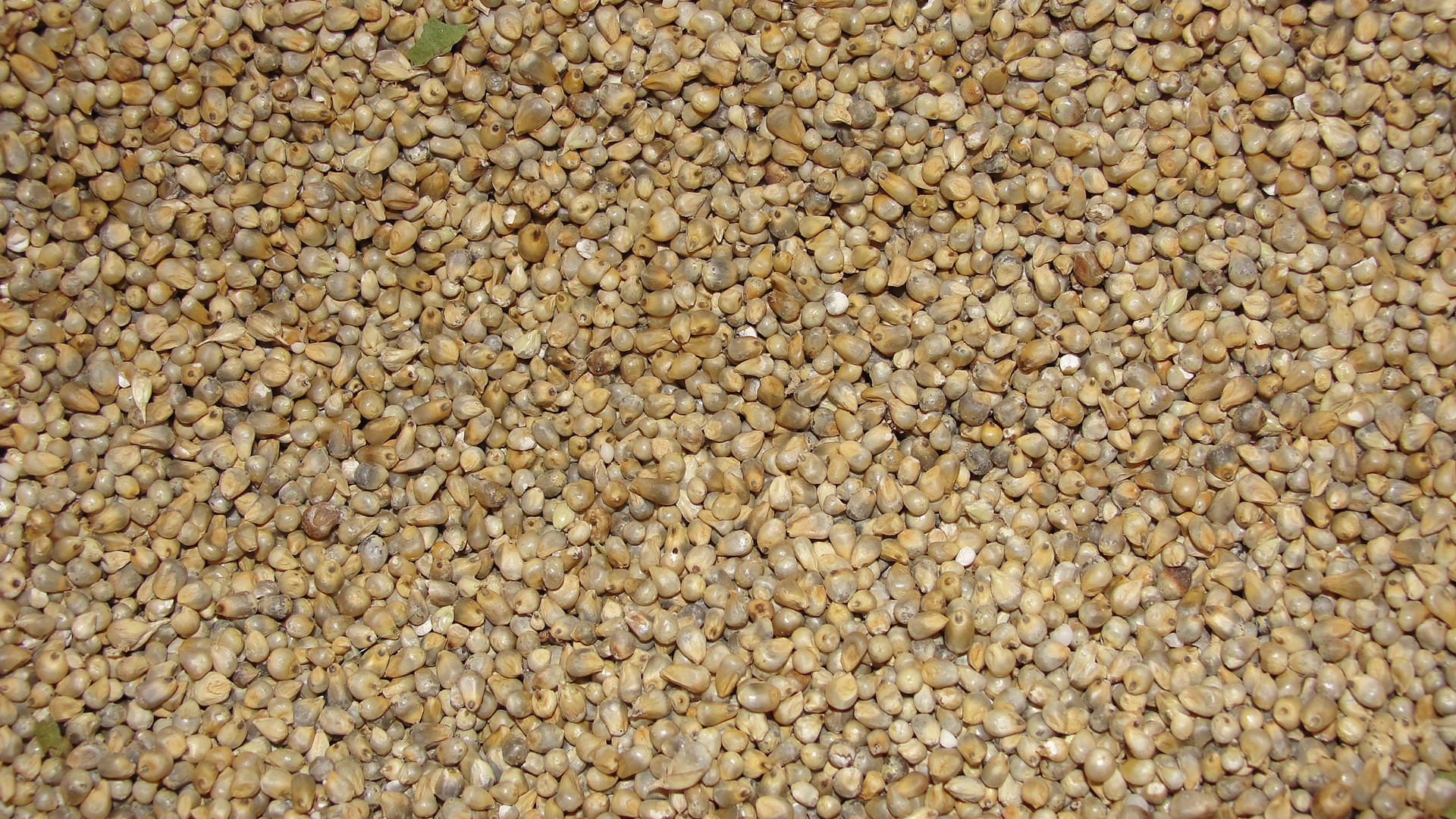
Millets, a group of small-seeded grains, are gaining popularity as a superfood due to their numerous health benefits. These tiny powerhouses are gluten-free, highly nutritious, and have a low glycemic index. Unlike other grains, millets are environmentally sustainable as they require minimal water and fertilizers to grow. With an ancient history dating back thousands of years, millets are now making a glorious comeback in today’s health-conscious society.
Rich in fiber, antioxidants, vitamins, and minerals, millets can play a pivotal role in promoting a happy and healthy lifestyle. Their versatility allows for unique culinary experiences that surpass the traditional grain-based dishes. Whether you are a fitness enthusiast, a home cook, or simply someone looking to improve their overall well-being, incorporating millets into your diet should be on the top of your to-do list.
Millets in Breads and Baked Goods
Millets can be an excellent alternative to traditional flour when it comes to baking. Adding millet flour or millet flakes to bread, cookies, muffins, and other baked goods not only enhances the taste and texture but also boosts nutritional value. Millet flour imparts a mild, nutty flavor that enhances the overall profile of your favorite baked goods.
Moreover, making millet-based bread is straightforward. By combining millet flour with other gluten-free alternatives like almond or coconut flour, you can create delicious bread that caters to various dietary needs. Don’t be afraid to experiment with different types of millets, like finger millet or pearl millet, to add a distinct twist to your baked treats.
Millets for an Energy-Packed Breakfast
Starting your day with a nourishing breakfast sets the tone for a productive day. Millets can provide a hearty and energy-packed breakfast that keeps you full and satisfied for longer periods. Swap your regular cereal or oats with millet porridge for a refreshing change.
Millet porridge is easy to prepare and can be customized to your taste preferences. Cook millet grains with milk or a plant-based alternative, and add your favorite fruits, nuts, and sweeteners to create a wholesome morning meal. This fiber-rich dish will provide sustained energy and essential nutrients to kickstart your day on the right note.
Millets in Salads and Grain Bowls
Incorporating millets in salads and grain bowls is a fantastic way to introduce variety and nutrition to your everyday meals. With their unique textures and flavors, millets can take your salads to the next level, making them more filling and satisfying.
Cooked millets can easily replace rice or couscous in grain bowls, adding a delightful crunch and nutty flavor. Toss in some colorful vegetables, protein-rich legumes, and a flavorful dressing, and you’ll have a delicious and wholesome meal in minutes. Millet-based salads and grain bowls are not only a treat for your taste buds but also a well-balanced option for a healthier lifestyle.
Millets: Versatility in Indian Cuisine
In India, millets have been an integral part of traditional cuisine for centuries. From savory dishes like idlis, dosas, and upma to sweet delicacies like kheer and ladoo, millets have transcended regional boundaries and become a staple across the country.
With their versatility, millets can be incorporated into various Indian dishes, offering a healthier twist. Grinding millets into flour for making rotis, parathas, or pancakes not only adds nutrition but also enhances the taste. Similarly, using millet flakes to prepare savory snacks or mixing millet grains into pilafs and biryanis creates a unique blend of flavors.
Millets for Nutrient-Rich Soups and Stews
Millets can transform simple soups and stews into wholesome and nourishing meals. Be it a comforting winter soup or a hearty stew, adding millets can significantly enhance the nutritional value of your dish. Their inherent properties of slow digestion and high fiber content contribute to improved gut health and a feeling of satiety.
Consider incorporating millet grains, such as foxtail millet or barnyard millet, into your favorite soup recipes. These grains tend to absorb the flavors of the soup while adding a delightful texture. Moreover, millets can effectively replace other starches like potatoes or pasta, making your soup healthier without compromising on taste.
Millets: A Crunchy Twist in Snacks
Looking for a healthier alternative to your usual snacks? Millets can come to your rescue! Their small size and light nature make them perfect for creating crunchy snacks that are both tasty and nutritious.
You can make your own millet-based snacks like roasted millet murukku, millet granola bars, or even spicy millet popcorn. By adding these wholesome snacks to your daily routine, you can curb those mid-meal hunger pangs while reaping the benefits of added vitamins, minerals, and fiber.
Millets in Desserts: A Guilty Pleasure, Made Healthier
Who said desserts can’t be guilt-free? With millets, you can satisfy your sweet tooth without compromising on health. These versatile grains can effortlessly blend into various dessert recipes, offering a healthier alternative to processed ingredients like refined flour and sugar.
Experiment with millet-based cakes, cookies, and puddings, using millet flour or millet flakes as a substitution. Their natural sweetness and nutty flavor elevate the taste while retaining the moistness of the desserts. Indulging in millet-based desserts not only ensures a happier sweet treat but also provides an array of nutrients.
Summary
Millets, ancient grains with exceptional health benefits, are making a comeback in the world of nutrition. They aid in weight management, promote heart health, and offer countless advantages. Swapping rice or wheat with millets in meals adds variety. Millets can also be ground into flour for bread, cookies, and cakes. They make a delicious alternative to oatmeal for breakfast and can be infused with different flavors. Millets can transform salads into satisfying meals, adding a delightful crunch and essential nutrients. They can also be incorporated into desserts for a healthier option. Millets make great snacks, offering a wholesome alternative to processed snacks. Incorporating millets into daily diet nourishes the body and adds culinary variety.
FAQ
Why should I incorporate millets into my diet for a happier and healthier lifestyle?
Millets are nutrient-dense grains that offer numerous health benefits. They are a great source of fiber, vitamins, minerals, and antioxidants, which can help improve digestion, boost immunity, and protect against chronic diseases. Millets are also a good option for weight management as they have a low glycemic index, meaning they release glucose slowly into the bloodstream, keeping you fuller for longer. Moreover, millets are gluten-free, making them an excellent choice for those with gluten sensitivities or celiac disease. By incorporating millets into your diet, you can enhance your overall well-being and lead a happier, healthier lifestyle.
How can I incorporate millets into my daily meals?
There are numerous creative ways to incorporate millets into your daily meals. You can use millet flour to make gluten-free pancakes, crepes, or bread. Replace rice or couscous with millet in pilafs, salads, or stir-fries. Millet can also be used as a base for porridge, replacing oats or other grains. You can cook millet and use it as a stuffing for vegetables like bell peppers or tomatoes. Another option is to pop millet like popcorn and enjoy it as a healthy and crunchy snack. With millets, the possibilities are endless, and by experimenting with different recipes, you can add variety to your meals and easily incorporate them into your daily diet.
Are millets suitable for people with dietary restrictions or specific health conditions?
Yes, millets are suitable for people with various dietary restrictions and specific health conditions. As mentioned earlier, millets are gluten-free, making them an excellent choice for individuals with gluten sensitivities or celiac disease. Additionally, millets have a lower carbohydrate content compared to rice and wheat, making them suitable for individuals following a low-carb or diabetic-friendly diet. Millets are also a good source of protein, making them beneficial for vegetarians and vegans looking to increase their protein intake. However, it is always advisable to consult a healthcare professional or a registered dietitian before making any major dietary changes, especially if you have specific health conditions or concerns.
Can I replace all other grains with millets in my diet?
While millets offer many health benefits, it is crucial to maintain a balanced and varied diet. You can incorporate millets into your diet by replacing some portions of other grains like rice, wheat, or oats, but it is not recommended to completely replace all other grains. Each grain offers a unique set of nutrients, and by diversifying your food choices, you can ensure a well-rounded intake of essential vitamins and minerals. Variety is key to a healthy diet, so it’s best to enjoy millets alongside other grains, fruits, vegetables, legumes, and proteins. Remember to listen to your body, experiment with different combinations, and find what works best for your individual needs and preferences.