Do you ever find yourself searching for a delicious and healthy alternative to the usual staples in your diet? Look no further than the millet lifestyle, a culinary journey that promises both mouthwatering flavors and exceptional nutritional benefits. Embracing this lifestyle means opening yourself up to a world of diversity, as millet takes center stage as the hero ingredient of your meals. Whether you are a health enthusiast or someone simply seeking to expand your culinary horizons, this article will introduce you to the wonders of millet and guide you on a delightful journey towards a healthier and more gratifying lifestyle.
Grown in regions across the globe, millet is a small yet mighty grain that has been serving as a dietary staple for centuries. With its mild and nutty taste, it effortlessly incorporates into a wide variety of dishes, seamlessly blending flavors to create meals that are both satisfying and nourishing. From creamy porridges to fragrant pilafs, the versatility of millet knows no bounds, making it suitable for all taste preferences and dietary requirements. By embarking on this millet-centric adventure, you will not only discover a refreshing and exciting world of culinary possibilities but also unleash an abundance of nutrients that contribute to a balanced and wholesome diet.
Delving deeper into the health benefits of millet, it becomes evident that this grain is a nutritional powerhouse. Packed with essential amino acids, vitamins, minerals, and dietary fiber, millet offers a holistic approach to nourishment that supports overall well-being. Its low glycemic index ensures stabilized blood sugar levels, a factor particularly beneficial for those with diabetes or those looking to maintain a steady energy supply throughout the day. Furthermore, millet is naturally gluten-free, making it an excellent choice for individuals with gluten sensitivities or celiac disease. By embracing the millet lifestyle, you are not only making an enjoyable culinary choice but also investing in your long-term health and vitality.
One of the most remarkable aspects of the millet lifestyle is its potential for cultivating sustainable food habits. Millet is a resilient crop that requires significantly less water and fewer resources to grow compared to other grains, making it an eco-friendly choice. Embracing the millet lifestyle means embracing a more environmentally conscious approach to food, allowing you to contribute positively to the health of our planet. By incorporating millet into your daily meals, you are actively participating in the fight against food scarcity and climate change, making a significant impact through your culinary choices.
As we journey together on this millet-inspired adventure, it is essential to remember that embracing the millet lifestyle is not about restriction or sacrificing flavor. On the contrary, it is an invitation to explore the rich tapestry of culinary delights that millet has to offer. Through this article, we will showcase a diverse array of millet-based recipes, highlighting the ways in which this grain can be incorporated seamlessly into your favorite dishes. From hearty breakfast bowls to delectable snacks and mouthwatering main courses, you will uncover a treasure trove of recipes that will captivate your taste buds and nourish your body.
In the coming sections, you will discover the simplicity of incorporating millet into your daily routine. We will take you on a flavorful journey, exploring various cooking techniques, exploring unique flavor combinations, and providing helpful tips for maximizing the nutritional benefits of millet. Whether you are a seasoned chef or a novice in the kitchen, this guide will equip you with the necessary tools to embark on a delectable and healthy journey with millet as your trusted companion.
So, join us as we embark on this millet-filled adventure, where nutrition, flavor, and sustainability intertwine harmoniously. Through delicious recipes, expert advice, and fascinating insights into millet’s cultural significance, you will soon discover that embracing the millet lifestyle is not only a culinary choice but a transformative experience that will nourish your body and tantalize your taste buds. Get ready to embark on a journey towards a healthier and more gratifying way of life—you won’t be disappointed.
1. What is the Millet Lifestyle?
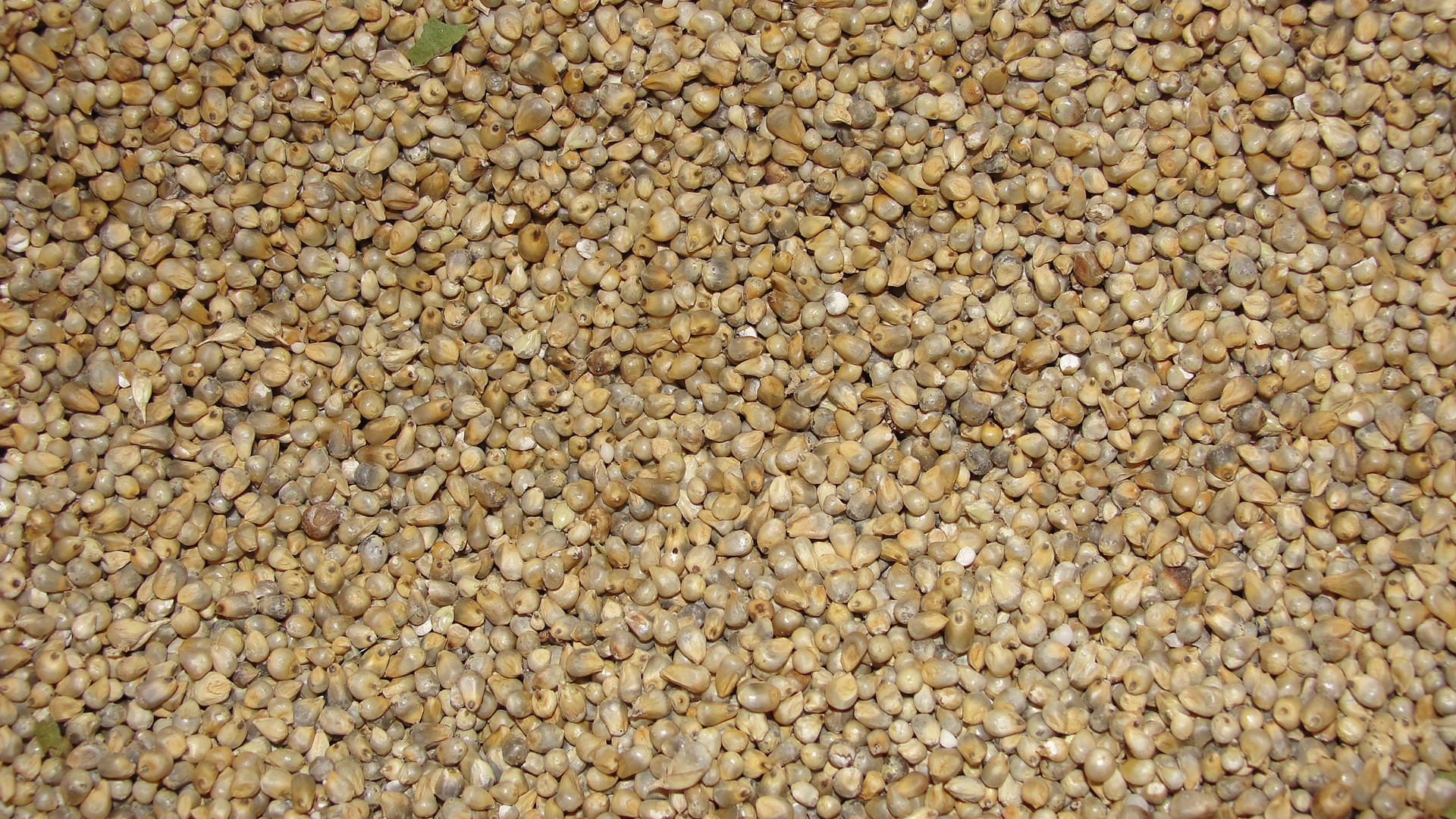
Millet is a small, nutrient-rich grain that has been a staple food in many cultures for centuries. Embracing the Millet Lifestyle means incorporating millet and millet-based products into your daily diet and reaping the many health benefits it offers. Millet is gluten-free, easy to digest, and rich in fiber, protein, vitamins, and minerals.
Millet can be prepared in various ways, including as a side dish, in soups, salads, and even as a breakfast porridge. Its mild, nutty flavor makes it a versatile ingredient that can be enjoyed in both sweet and savory dishes.
2. Health Benefits of Millet
Incorporating millet into your diet can have numerous health benefits. Firstly, millet is rich in fiber, which aids digestion, prevents constipation, and promotes a healthy gut. Additionally, millet is a great source of protein, making it an excellent option for vegetarians and vegans looking to meet their daily protein requirements.
Millet is also packed with essential minerals such as magnesium, phosphorus, and manganese, which support healthy bones and promote optimal brain function. The grain is gluten-free, making it an excellent alternative for individuals with gluten intolerance or celiac disease. Lastly, millet is low in calories and has a low glycemic index, making it suitable for maintaining healthy blood sugar levels and aiding weight management.
3. Millet Recipes to Try
There are numerous delicious and nutritious millet recipes to explore. One popular option is millet salad, which combines cooked millet with fresh vegetables, herbs, and a tangy dressing. This refreshing salad is not only colorful but also provides a burst of flavors and textures.
Another fantastic way to enjoy millet is by trying a millet and vegetable stir-fry. Sauté your favorite vegetables with cooked millet, herbs, and spices for a quick and healthy weeknight dinner. You can also experiment with millet flour as a gluten-free alternative in baking. Millet flour can be used to make bread, pancakes, and muffins, providing a nutty and wholesome flavor.
4. Millet as a Sustainable Food Choice
Embracing the Millet Lifestyle also aligns with sustainable food practices. Millet is a resilient crop that requires less water and fertilizer compared to other grains. Its minimal environmental impact and drought-resistant nature make it an excellent choice for sustainable agriculture.
In addition, millet can be grown in various regions with less reliance on synthetic inputs, reducing the carbon footprint associated with food production. By choosing millet as a primary grain in your diet, you are making a positive contribution towards a more sustainable and eco-friendly food system.
5. Millet as a Cultural Heritage
Millet holds tremendous cultural and historical significance in many regions. It has been grown and consumed by diverse communities throughout history, from ancient China and India to Africa and Europe. By embracing the Millet Lifestyle, you are not only improving your health but also connecting with a rich cultural heritage that spans centuries of traditions and culinary customs.
By exploring millet-based recipes from different cultures and cuisines, you can appreciate the unique flavors and culinary techniques that have been passed down through generations. This journey into the Millet Lifestyle allows you to celebrate diversity and gain a deeper understanding of the integral role food plays in our cultural identities.
6. The Future of the Millet Lifestyle
The Millet Lifestyle is gaining traction as more people recognize the health benefits and sustainability of incorporating millet into their diets. As global food trends shift towards healthier and more sustainable choices, millet is poised to become a key player in the culinary world.
Millet-based products, such as millet flour, snacks, and breakfast cereals, are increasingly available in supermarkets, catering to the growing demand for nutritious alternatives. Additionally, chefs and home cooks are experimenting with millet in innovative ways, showcasing its versatility and delicious possibilities.
7. Overcoming Challenges and Misconceptions
Despite its many benefits, the Millet Lifestyle may face certain challenges and misconceptions. One common misconception is that millet is bland or difficult to cook. However, with the right recipes and cooking techniques, millet can be transformed into delightful dishes bursting with flavors.
Another challenge is the limited availability of millet in some regions. However, with the increasing popularity of this grain, its accessibility is improving, and online marketplaces offer a wide variety of millet-based products for delivery worldwide.
8. Final Thoughts
Embracing the Millet Lifestyle can be a flavorful and health-conscious journey. By incorporating millet into your diet, you are not only nourishing your body but also supporting sustainable agriculture and connecting with cultural traditions worldwide. So, embark on this delicious adventure and discover the wonders of millet for yourself!
Summary
The millet lifestyle offers a delicious and healthy alternative to traditional staples in your diet. Millet is a versatile grain that can be used in a variety of dishes and is suitable for all taste preferences and dietary requirements. It is also a nutritional powerhouse, packed with essential amino acids, vitamins, minerals, and dietary fiber. Additionally, millet is a sustainable choice, requiring fewer resources to grow compared to other grains. Embracing the millet lifestyle means exploring a world of culinary delights while making a positive impact on the planet. This article provides recipes and tips for incorporating millet into your daily routine.
FAQ
What are the benefits of embracing the millet lifestyle?
Embracing the millet lifestyle comes with numerous benefits for your health and overall well-being. Millets are highly nutritious grains that are packed with essential vitamins, minerals, and dietary fiber. Their high content of antioxidants helps in boosting the immune system and reducing the risk of chronic diseases such as heart disease, diabetes, and certain types of cancer. Additionally, millets are gluten-free, making them an excellent choice for those with gluten sensitivities or celiac disease. These whole grains also have a low glycemic index, which means they help control blood sugar levels, making them suitable for individuals with diabetes. Furthermore, millets support healthy digestion and weight management due to their high fiber content. By embracing the millet lifestyle, you can enjoy delicious meals while reaping the benefits of improved health and vitality.
How can I incorporate millets into my daily diet?
Incorporating millets into your daily diet is easy and versatile. You can substitute millets for rice or wheat in many recipes, such as pilafs, salads, soups, and porridges. Millet flour can be used as a gluten-free alternative for baking bread, cookies, and pancakes. Millet grains can also be sprouted and added to sandwiches, wraps, or mixed with vegetables for a hearty stir-fry. Experimenting with millet in your favorite recipes can bring a new level of taste and texture to your meals. Additionally, you can explore traditional millet-based dishes from various cuisines around the world for inspiration. By being creative and open-minded, embracing the millet lifestyle can add a healthy and delicious twist to your daily meals.
Can I follow the millet lifestyle if I have dietary restrictions or allergies?
Yes, the millet lifestyle can be easily adapted to accommodate dietary restrictions or allergies. Millets themselves are naturally gluten-free, making them suitable for individuals with gluten sensitivities or celiac disease. Millet grains and flours are also plant-based, which makes them a suitable source of nutrients for vegan and vegetarian diets. Furthermore, millets are considered non-allergenic, making them unlikely to cause allergic reactions. However, if you have any specific allergies, it’s important to ensure that the millet products you choose are processed in an allergen-free facility. Always read product labels and consult with your healthcare provider or dietitian if you have concerns about allergies or restrictions.
Are there any potential challenges in transitioning to the millet lifestyle?
Transitioning to the millet lifestyle may come with some initial challenges, particularly if you are used to a diet centered around refined grains or processed foods. The taste and texture of millets may be different from what you are accustomed to, requiring a period of adjustment. It’s important to be patient and open-minded during this transition phase. Experiment with different millet varieties and cooking methods to find the ones that suit your preferences. Additionally, millets may be less readily available in some regions compared to other grains. However, with increasing awareness and demand for healthier alternatives, you can often find millet products in well-stocked supermarkets, health food stores, or through online retailers. By being prepared and determined, you can overcome any potential challenges and fully embrace the millet lifestyle.