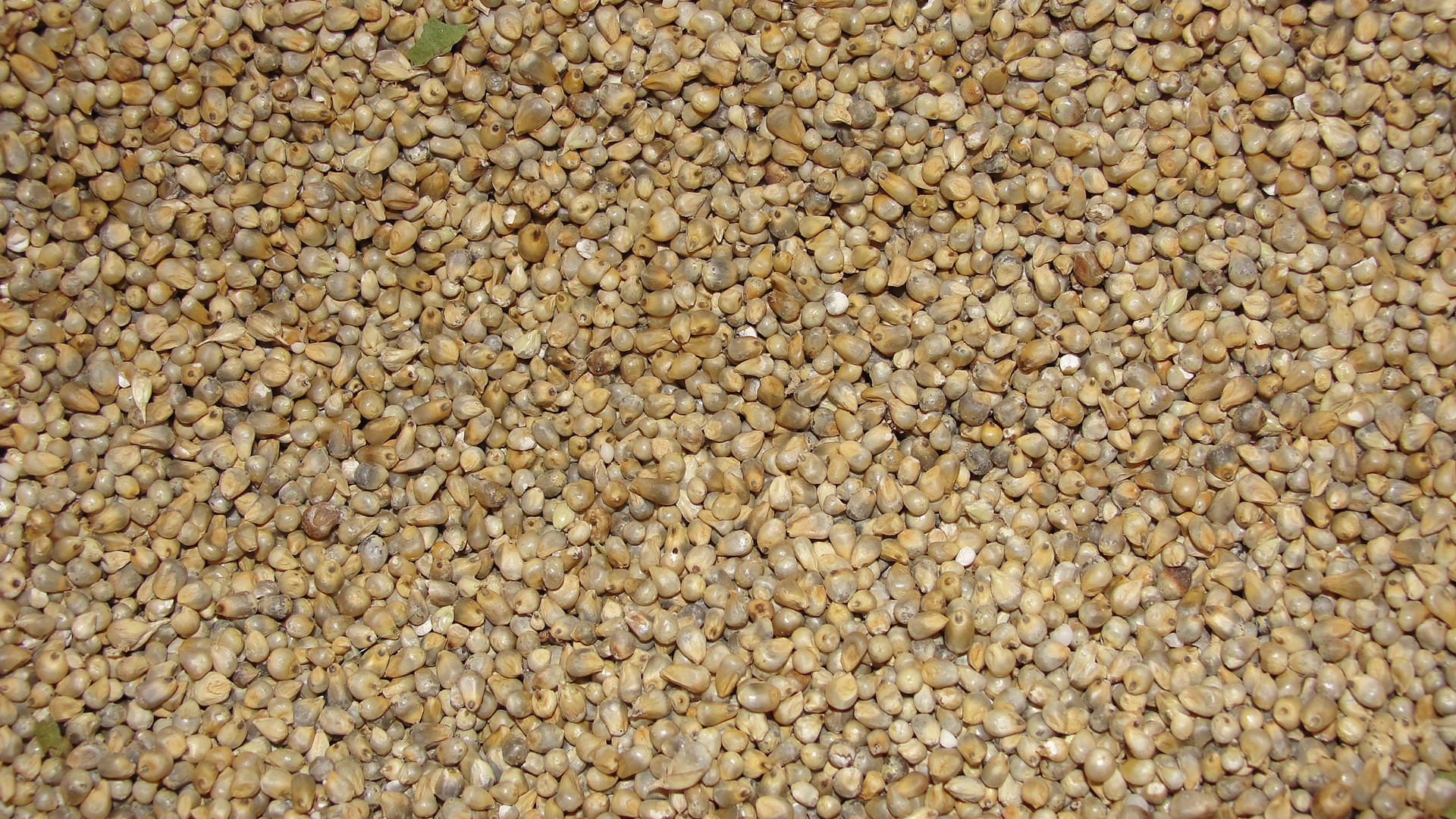
Millets and mindfulness, two seemingly unrelated concepts, hold the secret to cultivating a truly balanced lifestyle. In our fast-paced modern world, where stress runs high and unhealthy habits prevail, it is important to reconnect with ancient wisdom and explore alternative practices that can bring harmony to our lives. Millets, the humble and underappreciated ancient grains, have made a resurgence in recent years due to their immense nutritional value and sustainable cultivation methods. Similarly, the practice of mindfulness, derived from centuries-old traditions, offers a path to tranquility and self-awareness in our chaotic lives. By intertwining the principles of mindful living with the benefits of millet consumption, we can foster physical and mental well-being, while also nurturing the environment we inhabit.
Millets, often referred to as “forgotten grains,” have been staple foods for centuries in various parts of the world. Rich in essential nutrients, such as fiber, protein, and minerals, these ancient grains provide a wholesome and nourishing base for a balanced diet. Additionally, their low glycemic index makes them an ideal choice for those seeking to manage blood sugar levels, making millets a suitable alternative to refined grains for individuals with diabetes or those on a weight loss journey. By incorporating millets into our meals, we can boost our overall health and well-being, supporting our bodies with nature’s bounty while savoring the unique flavors and textures these grains offer.
Paired with millets, the practice of mindfulness allows us to deepen our connection to the present moment, fostering a sense of calm, clarity, and gratitude. Mindfulness encourages us to slow down, savor each bite, and truly appreciate the nourishment that food provides. By engaging our senses, we can fully experience the flavors, textures, and aromas of our millet-based meals, enhancing our overall satisfaction and connection to the food we consume. Moreover, mindfulness extends beyond the act of eating itself, enabling us to cultivate a mindful approach to our entire lives. We can learn to be fully present in each moment, whether it involves sowing millet seeds, cooking wholesome meals, or simply enjoying the company of loved ones.
Beyond the personal benefits, the combination of millets and mindfulness holds tremendous potential for cultivating a more sustainable lifestyle. The cultivation of millets requires fewer resources compared to other grains, such as wheat or rice, making them an eco-friendly choice that supports the preservation of our planet’s resources. Furthermore, by embracing mindfulness, we become more attuned to the impact our actions have on the environment. As we consciously choose the food we consume, we can opt for locally sourced, organic millets, thereby reducing our carbon footprint and supporting local farmers. This mindful approach to our food choices extends beyond the dinner table and into other aspects of our lives, allowing us to make more ecologically responsible decisions.
As we delve into the world of millets and mindfulness, we embark on a journey of rediscovery and self-nurturing. By incorporating these ancient grains into our diets and embracing the practice of mindfulness, we open ourselves to a world of physical and mental benefits. Millets provide us with the necessary nutrition, while mindfulness empowers us to appreciate each moment and make conscious choices that shape our overall well-being. Together, they offer a powerful combination that can guide us towards a more balanced and harmonious lifestyle, enabling us to nourish ourselves, care for the environment, and find inner peace amidst the chaos of modern life.
The Power of Millets
Millets, ancient grains that have been cultivated for thousands of years, are making a remarkable comeback in the modern world. These small-seeded grasses are highly nutritious and offer numerous health benefits. Packed with essential nutrients like fiber, protein, vitamins, and minerals, millets provide a sustainable source of energy, aid in digestion, and promote overall well-being.
What makes millets even more remarkable is their versatility. From millet rice to flour and even beverages, these grains can be easily incorporated into various cuisines, catering to different dietary preferences. Whether you’re a vegan, vegetarian, or have specific dietary restrictions, millets can be your perfect partner in embracing a healthier lifestyle.
Mindfulness in Eating
Eating mindfully is a practice that involves focusing on the present moment and paying full attention to the act of eating. It involves consciously enjoying each bite, savoring the flavors, and being aware of the body’s hunger and fullness cues. By incorporating mindfulness into our eating habits, we can establish a more balanced relationship with food and develop a greater appreciation for the nourishment it provides.
Incorporating millets into a mindful eating practice can be a transformative experience. The subtle nutty flavors and textures of millets make each mouthful a delightful sensory adventure. By truly savoring the taste of millets and appreciating the effort behind their cultivation, we cultivate a deeper connection not only with our food but also with the very essence of sustainability and ancient wisdom that these grains represent.
Millets as a Mindful Cooking Ingredient
Integrating millets into our cooking routines encourages creativity and mindfulness in the kitchen. Experimenting with millet recipes allows us to explore new flavors, textures, and culinary techniques. From wholesome millet salads to comforting soups and delectable desserts, the possibilities are endless.
Moreover, the process of cooking millets requires patience and mindfulness. As they simmer and absorb the flavors of the accompanying ingredients, we are reminded to slow down and appreciate the transformation taking place in the pot. This act of cooking millets not only nourishes our bodies but also brings a sense of calm and contentment, making every meal a meditative experience.
The Environmental Impact of Millet Cultivation
Choosing millets over conventional grains can contribute to a more sustainable and eco-friendly lifestyle. Millets require significantly less water, fertilizers, and pesticides compared to other grain crops, making them an ideal choice for responsible consumers. By opting for millets, we can actively participate in conserving water resources, reducing greenhouse gas emissions, and promoting biodiversity.
Additionally, supporting millet farmers by purchasing their produce helps preserve traditional farming practices, protect indigenous knowledge, and sustain rural economies. By incorporating millets into our diet, we forge a connection with the earth’s rhythms and honor the profound wisdom embedded in our ancient agricultural heritage.
The Holistic Health Benefits of Millets
Beyond their nutritional value, millets offer a range of health benefits that contribute to our overall well-being. Millets are naturally gluten-free, making them an excellent alternative for individuals with gluten sensitivities or celiac disease. Their high fiber content promotes healthy digestion, regulates blood sugar levels, and supports weight management.
Moreover, the abundance of antioxidants present in millets helps neutralize harmful free radicals in the body, reducing the risk of chronic diseases such as heart disease and certain types of cancer. The rich combination of vitamins and minerals found in millets strengthens our immune system, promotes healthy skin, hair, and nails, and enhances cognitive function, ensuring our holistic health is nurtured.
Embracing Millets: A Sustainable Lifestyle Choice
By consciously choosing millets as part of our dietary habits, we embrace a sustainable lifestyle that honors our health, the environment, and our cultural heritage. Millets offer nourishment not only for our bodies but also for our minds and souls through the practice of mindfulness and connection with nature.
Let us cultivate a balanced lifestyle by incorporating millets into our meals and savoring each moment mindfully. Together, we can empower ourselves and contribute to a more harmonious world, rooted in ancient wisdom and guided by sustainable choices.
Summary
Millets and mindfulness are two concepts that can help us create a balanced lifestyle in our fast-paced world. Millets, often forgotten grains, are nutritious and sustainable, making them a great addition to our diets. They are rich in nutrients and can help manage blood sugar levels and aid weight loss. Pairing millets with mindfulness allows us to appreciate and savor our meals, fostering a sense of calm and gratitude. Mindfulness also extends beyond eating, helping us live a more mindful life overall. This combination is not only beneficial for our personal well-being but also for the environment, as millets require fewer resources to cultivate and mindfulness encourages eco-friendly choices. By embracing millets and mindfulness, we can nurture ourselves, support the environment, and find inner peace in our chaotic lives.
FAQ
What are millets and why are they considered ancient grains?
Millets are a group of small-seeded grasses that have been cultivated for thousands of years as a staple food in various regions around the world. They are considered ancient grains because they have been grown and consumed by humans for centuries, tracing back to ancient civilizations. Millets have strong adaptability to different environments and can thrive in poor soils and dry conditions, making them an essential crop for communities facing food insecurity. They offer numerous nutritional benefits as they are rich in dietary fiber, vitamins, minerals, and antioxidants, making them a valuable addition to a balanced diet.
How can millets contribute to a balanced lifestyle?
Millets can contribute to a balanced lifestyle in several ways. Firstly, they have a low glycemic index, which means they release energy slowly, promoting better blood sugar control and reducing the risk of diabetes. Additionally, their high fiber content aids in digestion, keeping you full for longer periods and preventing overeating. Millets are also gluten-free, making them an excellent alternative for those with gluten intolerance or celiac disease. Including millets in your diet can lead to improved heart health due to their cholesterol-lowering properties. Moreover, their diverse range of vitamins, minerals, and antioxidants help boost the immune system and promote overall well-being.
Is mindfulness connected to the consumption of millets?
Yes, mindfulness is closely connected to the consumption of millets. Mindfulness, in its essence, refers to being present and fully engaged in the current moment. Cultivating mindfulness while consuming millets means being aware of the flavors, textures, and nutritional benefits they offer. By practicing mindfulness during meals, you can develop a deeper connection with the food you consume, appreciate its origin, and savor the experience. Millets, being ancient grains, carry a sense of cultural heritage and can be a reminder of our connection to the earth and the sustenance it provides. This connection can enhance the quality of our meals and the overall experience of nourishing our bodies.
How can we incorporate millets into our daily routine?
Incorporating millets into your daily routine can be done in various ways. Millet flour can be used as a substitute for wheat flour in baking, making it suitable for bread, muffins, cookies, or pancakes. Millets can also be cooked and used as a base for savory dishes like pilafs, salads, and stir-fries. They can replace rice in many recipes, adding a unique texture and flavor to the dishes. Millet flakes can be used as an alternative to oats in breakfast recipes such as porridge or granola. Moreover, millet grains can be popped and enjoyed as a healthy snack. By exploring millet recipes and gradually incorporating them into your meals, you can diversify your diet and embrace the nutritious benefits they offer for a well-rounded lifestyle.