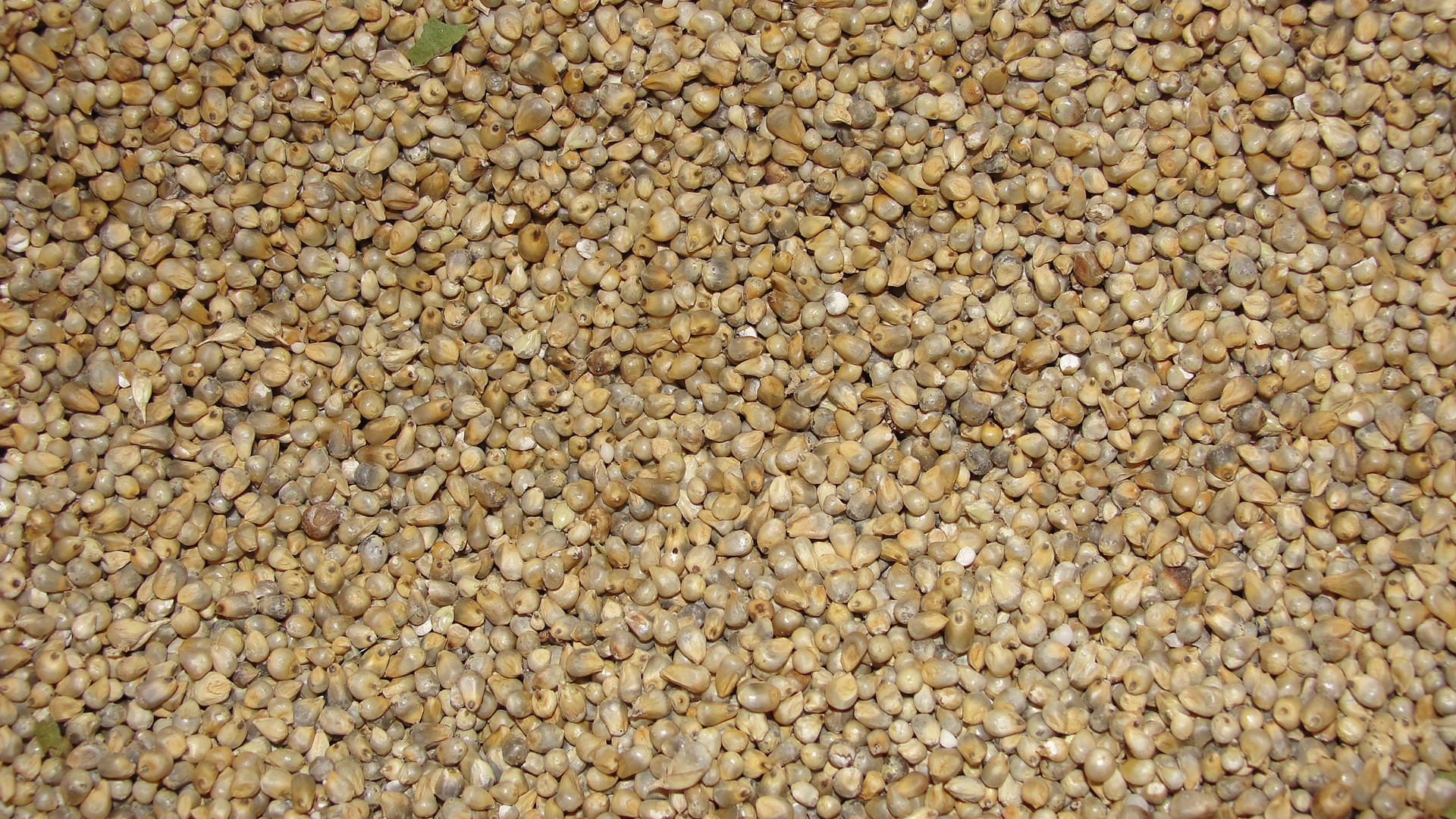
The urgency to adopt sustainable practices has become more evident than ever, as our planet’s resources continue to rapidly deplete at an alarming rate. In this quest for a greener lifestyle, it’s essential to embrace environmentally friendly choices that not only benefit our personal well-being but also the longevity of the Earth. One such choice, often overlooked, is the inclusion of millets in our daily diets. Millets, a group of small-seeded grasses, have been nourishing communities across the globe for centuries, proving to be a reliable and sustainable source of nutrition. By exploring the many advantages of millets, we can unlock a world of possibilities that contribute to a sustainable future.
At the forefront of embracing millets is their exceptional nutritional value. Packed with essential nutrients, including fiber, protein, and vitamins, millets offer a well-rounded dietary option that rivals even the most celebrated grains like wheat and rice. Moreover, millets are naturally gluten-free, making them a great choice for individuals with gluten intolerance or celiac disease. With the rising concerns about obesity, diabetes, and other dietary-related diseases, incorporating millets into our meals offers a remarkable solution to improve overall health and well-being.
One crucial aspect of millets that sets them apart from other grains is their adaptability and resilience to changing climatic conditions. Unlike the water-intensive cultivation of rice or the harsh chemical requirements of wheat, millets are hardy crops that can thrive in less fertile soils and with minimal water resources. Their ability to withstand droughts and adapt to diverse agro-climatic conditions makes millets an attractive crop option in regions facing water scarcity and uncertain climate patterns. By embracing millets, we can play a substantial role in mitigating the impact of climate change and promote sustainable agriculture practices.
In recent years, the negative ecological impact of industrialized agriculture has become increasingly apparent. The excessive use of chemical fertilizers and pesticides, as well as the vast amounts of land required for monoculture farming, have resulted in soil depletion and habitat loss for countless species. By cultivating millets, we can shift towards a more sustainable and nature-friendly agricultural system. Millets, being hardy crops, require fewer chemical inputs, thereby reducing the release of harmful chemicals into the environment. With their shorter growing cycles and ability to grow in small plots, millets encourage small-scale farming techniques and support biodiversity conservation.
Beyond their remarkable nutritional and environmental benefits, millets offer economic advantages to farmers and rural communities. Often referred to as “poor man’s food,” millets have been an integral part of subsistence agriculture for generations. The revival of millet cultivation not only supports sustainable livelihoods but also strengthens local economies. By promoting the consumption and trade of millets, we can empower small-scale farmers, create employment opportunities, and reduce rural-urban migration. Embracing millet production and consumption can have far-reaching positive impacts on agriculture-dependent societies worldwide.
The versatility and culinary possibilities that come with millets are yet another reason to welcome them into our lives. From savory dishes to baking delights, millets offer a broad range of applications in the kitchen. Whether you’re indulging in a comforting millet porridge, experimenting with millet-based bread, or savoring a flavorsome millet salad, there are countless ways to enjoy the rich, nutty taste of these tiny grains. By embracing millets in our cooking, we not only diversify our palates but also promote local and traditional cuisines that have nourished cultures for centuries.
To successfully embrace millets and promote a sustainable lifestyle, education and awareness play a crucial role. While the benefits of millets are vast, their consumption and cultivation have significantly declined in several regions due to various reasons, including the lack of knowledge and misinformation regarding their value. By shedding light on the advantages of millets, we can inspire individuals, communities, and policymakers to recognize their immense potential in fostering a greener future. Through awareness campaigns, educational workshops, and local initiatives, we can collectively create a movement that embraces millets and paves the way for a sustainable and resilient world.
1. Introduction
With the increasing concern about climate change and the need for sustainable living, individuals and communities are looking for ways to adopt a greener lifestyle. Embracing millets, an ancient grain group, has emerged as a sustainable and environmentally friendly choice for those seeking healthier and more sustainable food options.
Millets are drought-resistant and require significantly less water and chemical inputs compared to other staple crops. Additionally, they are rich in essential nutrients, gluten-free, and have a low glycemic index, making them an ideal choice for diverse dietary needs.
2. The Environmental Impact of Millets
Millets are inherently sustainable crops due to their low water requirements and capability to grow in arid and semi-arid regions. Their cultivation does not contribute to water scarcity or excessive pressure on natural resources. By embracing millets, we can significantly reduce the carbon footprint associated with conventional staple crops, leading to a more sustainable food system.
The minimal use of chemical fertilizers and pesticides in millet cultivation makes it a healthier choice for the environment, minimizing soil degradation and water pollution. Moreover, millet crops act as a natural hedge against climatic variability, preserving soil health and biodiversity.
3. Health Benefits of Millets
Millets are highly nutritious, packed with essential vitamins, minerals, and dietary fiber. They offer numerous health benefits, including reduced risk of diabetes, heart diseases, and obesity. Their low glycemic index ensures a slow and steady release of glucose, preventing sudden blood sugar spikes.
These ancient grains are also rich in antioxidants, which help combat oxidative stress and strengthen the immune system. Millets are gluten-free, making them suitable for individuals with gluten intolerance or those following a gluten-free diet.
4. Millet Cultivation Methods
Millets can be cultivated using traditional and organic farming methods, reducing the dependency on synthetic fertilizers and chemicals. Organic millet farming practices promote ecological balance, conserve biodiversity, and maintain soil fertility. Crop rotation and mixed cropping with legumes are common techniques employed in millet cultivation.
These methods not only contribute to sustainable farming practices but also enable farmers to generate higher incomes and increase their resilience to climate change, thus improving their livelihoods.
5. Millets in Culinary Applications
Millets offer versatile culinary options with their nutty flavor and unique texture. They can be used in various recipes, including porridges, salads, bread, and even desserts. Millet flour is a great alternative to wheat flour, making it suitable for baking. The diverse range of millet varieties adds excitement to culinary experiences while providing essential nutrients.
By incorporating millets into our meals, we not only consume healthier food but also add flavor and diversity to our diets, supporting local farmers and preserving traditional food cultures.
6. Millets as a Key to Food Security
Given their resilience to drought and their ability to grow in marginal lands, millets play a significant role in ensuring food security, especially in regions prone to climate change-induced challenges. By promoting millet consumption and initiating sustainable farming practices, we can strengthen food systems, improve nutrition, and secure livelihoods for millions.
Investing in millet-centric agricultural systems can enhance overall food availability, accessibility, affordability, and utilization, leading to a sustainable and resilient future.
7. Spreading Awareness and Promoting Millet Consumption
While the benefits of millets are manifold, awareness about their advantages remains limited among the general population. It is crucial to spread awareness about millets through educational campaigns, workshops, and demonstrations showcasing their nutritional value, culinary applications, and positive environmental impact.
Collaboration among policymakers, farmers, researchers, and consumers can drive the widespread adoption of millets, ensuring a sustainable and greener future for generations to come.
8. Conclusion
Embracing millets is a crucial step towards a greener lifestyle and sustainable food choices. By incorporating millets into our diets, we contribute to environmental conservation, support local farmers, and promote our well-being. Let us choose millets, a small but significant change that can have a substantial impact on building a sustainable future for the planet and ourselves.
Summary
The urgent need for sustainable practices has become apparent as our planet’s resources continue to deplete rapidly. One solution that is often overlooked is incorporating millets into our diets. Millets are small-seeded grasses that have been a reliable and sustainable source of nutrition for centuries. They offer exceptional nutritional value, are gluten-free, and can help improve overall health and well-being. Millets are also adaptable and resilient to changing climate conditions, making them an attractive crop option in regions facing water scarcity. Cultivating millets promotes sustainable and nature-friendly agriculture, supports local economies, and offers culinary versatility. Education and awareness are crucial in embracing millets and promoting a sustainable future.
FAQ
Why should I consider embracing millets as part of my diet?
Embracing millets as part of your diet is a sustainable choice for a greener lifestyle for several reasons. Firstly, millets are highly nutritious and offer numerous health benefits. They are rich in fiber, vitamins, and minerals, and have a low glycemic index, making them a great option for individuals with diabetes or those looking to manage their weight. Secondly, millets require considerably less water, pesticides, and chemical fertilizers compared to other grains, making them an environmentally friendly food choice. By consuming millets, you can contribute towards reduced water usage in agriculture and help combat climate change. Additionally, millets are adaptable crops that can grow in various climates and can be easily incorporated into different cuisines, making them a versatile and sustainable choice for everyone.
Are millets suitable for people with dietary restrictions or food allergies?
Millets are highly suitable for people with dietary restrictions or food allergies, as they are naturally gluten-free and easy to digest. Unlike wheat, barley, or rye, millets do not contain gluten proteins, making them an excellent alternative for individuals with celiac disease or gluten sensitivity. Millets have a unique composition of proteins, including essential amino acids, which makes them a valuable source of plant-based protein. They are also suitable for individuals with nut or soy allergies, providing a safe and nutritious food option. Whether you follow a vegan, vegetarian, or gluten-free lifestyle, millets can be easily incorporated into a wide range of dishes, including bread, pasta, porridge, and even desserts.
How can I incorporate millets into my daily meals?
Incorporating millets into your daily meals is easy and versatile. Millets can be cooked in a similar way to rice, quinoa, or couscous, and can be used in various recipes. You can start by substituting rice or wheat with millets in dishes such as pilaf, stir-fries, salads, and soups. Millet flour can be used to make gluten-free bread, pancakes, or cookies. You can also add millet flakes or puffed millets as a crunchy topping for your yogurt, smoothie bowls, or breakfast cereals. With their mild, nutty flavor, millets complement both sweet and savory dishes, making them a great addition to your diet. Experimenting with different millet varieties such as foxtail, finger, pearl, or barnyard millet can add a delicious twist to your meals and expand your culinary horizons.
Are millets easily accessible and affordable?
Millets are becoming increasingly accessible and affordable in many regions. With the rising global demand for sustainable and nutritious alternatives to traditional grains, millets are now often available in health food stores, supermarkets, and even online platforms. In some regions, you might also find millets in local farmers’ markets or specialty stores. Since millets are highly adaptable crops, they can be grown in various climates, including arid regions where other grains struggle to survive, thus reducing transportation costs. This accessibility and adaptability contribute to their affordability. While the price might vary depending on your location and the type of millet, overall, millets are a cost-effective choice compared to some other specialty grains. By supporting the growing demand for millets, you can help increase their availability and affordability, making them accessible to more people and promoting a greener lifestyle for all.