The Millet Revolution: Elevating Your Lifestyle to New Heights with Ancient Grains
Have you ever wondered about the power of ancient grains and their ability to transform your lifestyle? Prepare to embark on a culinary journey that merges tradition with modernity, as we delve into the world of millets. These exceptional grains, once overshadowed by their more popular counterparts, are now staging a remarkable comeback thanks to their unmatched nutritional value and versatility in both savory and sweet dishes.
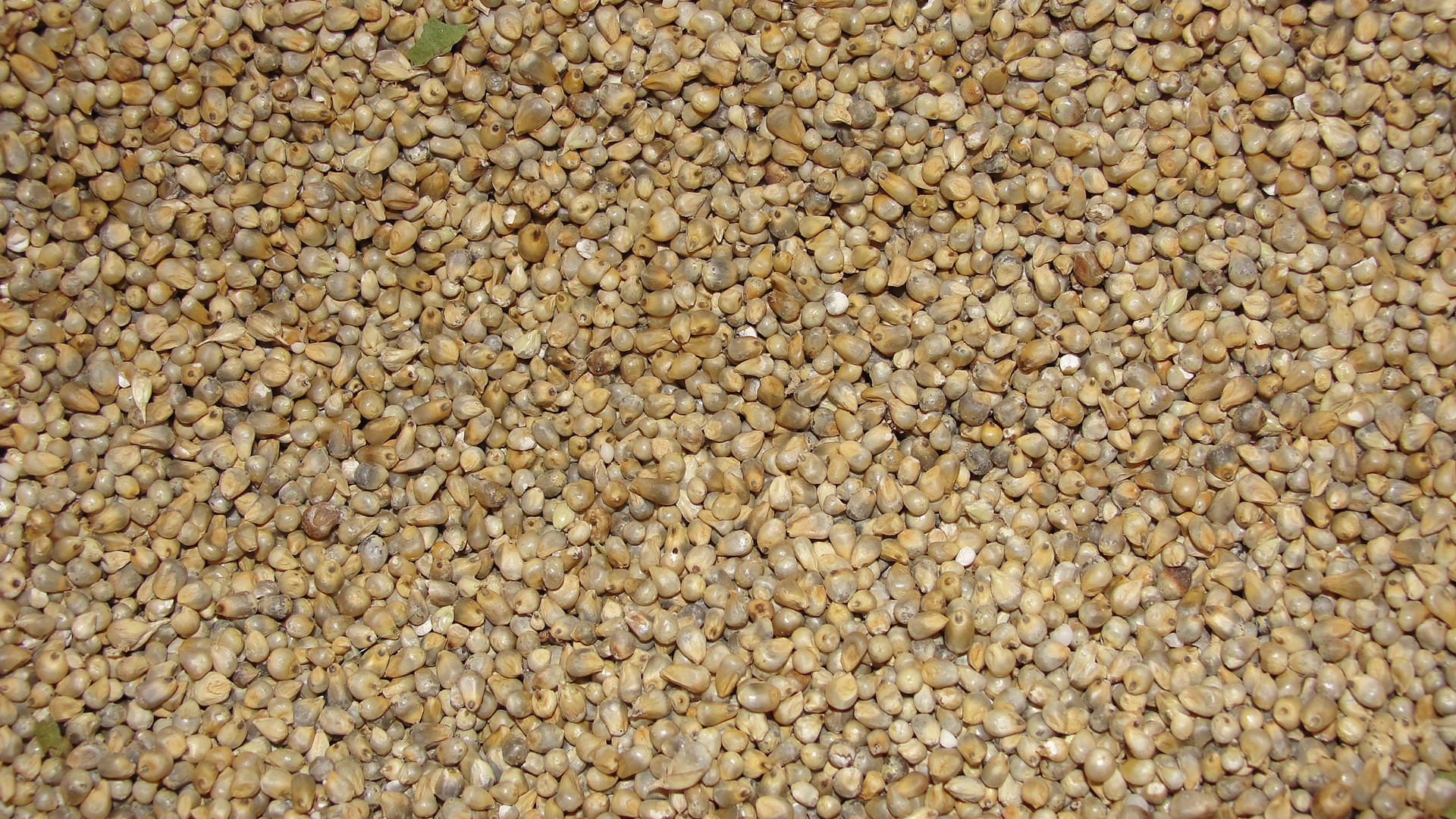
Step into any health-conscious kitchen today, and you’re likely to find a variety of millets lining the pantry shelves. From the delicate texture of foxtail millet to the subtle nuttiness of pearl millet, these grains are captivating palates across the globe. But what makes millets truly extraordinary are their long-forgotten health benefits. Packed with essential nutrients, fiber, and antioxidants, these ancient grains have the potential to revolutionize our approach to sustaining a healthy lifestyle.
The millet revolution not only promises exceptional nourishment but also opens doors to culinary creativity. Picture yourself savoring a bowl of creamy millet porridge, gently flavored with hints of cinnamon and honey, or biting into a heavenly millet chocolate chip cookie, where the slight crunch of millet grains creates an unparalleled texture. As our taste buds become increasingly adventurous, millet-infused dishes are becoming a staple on menus of trendy cafes and restaurants, adding a touch of both nostalgia and innovation to our culinary experiences.
Beyond their culinary delights, millets have the undeniable potential to address global issues such as food security and agricultural sustainability. These drought-tolerant grains require minimal water and can grow in even the most challenging environments. By adopting millets into our diets, we not only nurture our well-being but also contribute to a greener and more sustainable planet, recognizing and respecting the wisdom of our ancestors.
As we embark on this millet revolution, we are not simply embracing a fleeting trend; we are reclaiming our roots and connecting with the age-old wisdom of civilizations gone by. By reintegrating these ancient grains into our modern lives, we honor a rich culinary heritage while paving the way for a healthier, more vibrant future. So, get ready to elevate your lifestyle to new heights with the magical millets that promise nourishment, creativity, and a taste of history.
1. Introduction
Ancient grains like millet have been gaining traction in recent years, as people seek healthier and more sustainable food options. These grains, once treasured by civilizations such as the Egyptians and the Greeks, are making a comeback due to their numerous health benefits, versatility, and eco-friendliness. In this article, we will explore the millet revolution and how incorporating millet into your diet can elevate your lifestyle to new heights.
The journey to rediscovering the power of ancient grains starts with understanding the nutritional value they offer. Millet is packed with essential nutrients, including fiber, protein, vitamins, and minerals. Additionally, this gluten-free grain has a low glycemic index, making it an excellent choice for individuals who need to manage their blood sugar levels.
2. Millet’s Culinary Potential
One of the most exciting aspects of the millet revolution is the discovery of its culinary potential. Millet can be prepared in various ways, such as in porridge, as a rice substitute, or as a flour for baking. Its mild and slightly nutty flavor adds a delightful taste to dishes, making it a perfect choice for both sweet and savory recipes. From millet-based breakfast bowls to millet pilaf, the options are endless.
Millet’s versatility makes it an ideal ingredient for those looking to explore new flavors and expand their culinary repertoire. Its ability to adapt to different cuisines and cooking techniques allows for creative and innovative dishes that can transform any meal into a wholesome and enjoyable experience.
3. Health Benefits of Millet
Beyond its culinary allure, millet offers a wide range of health benefits. Its high fiber content helps promote good digestion and prevents constipation. Regular consumption of millet may also reduce the risk of chronic diseases, including heart disease and certain types of cancer.
Millet is also rich in antioxidants, which protect the body against harmful free radicals, aiding in the prevention of oxidative stress and inflammation. Furthermore, this ancient grain is known to have prebiotic properties, supporting the growth of beneficial gut bacteria and contributing to a healthy gut microbiome.
4. Sustainable Farming and Millet
Millet’s resurgence is not only beneficial for our health but also for the environment. Compared to conventional grain crops, millet requires fewer resources, such as water and pesticides, to grow. Its short growing season and drought tolerance make it an excellent option for regions with limited water availability.
Additionally, millet cultivation promotes biodiversity, as it provides habitats for a variety of birds, insects, and microorganisms. By incorporating millet into your diet, you contribute to sustainable farming practices and reduce your carbon footprint.
5. Millet: A Staple for a Gluten-Free Diet
For individuals with gluten sensitivities or those following a gluten-free diet, millet is a perfect staple. Its naturally gluten-free composition makes it suitable for celiac patients or those with gluten-related disorders.
Furthermore, millet adds diversity to gluten-free diets, as it offers a different set of nutrients compared to traditional gluten-free substitutes, such as rice or maize. Including millet in gluten-free recipes ensures a well-rounded and balanced diet.
6. Millet’s Economic Impact
The millet revolution goes beyond personal health benefits and environmental sustainability. By supporting the cultivation, processing, and distribution of millet, we contribute to the economic growth of communities involved in this ancient grain’s production.
In regions where millet is a traditional crop, the revival of its popularity brings economic stability, providing livelihoods for farmers and preserving traditional agricultural practices. By actively choosing millet, we make a tangible difference in the lives of those who grow and depend on this nutritious grain.
7. Millet Recipes and Inspiration
Ready to embark on your millet revolution? Check out our collection of delicious millet recipes that will inspire you to incorporate this ancient grain into your cooking. From fluffy millet pancakes to zesty millet salads, these recipes will tantalize your taste buds and nourish your body.
Experiment with millet and let your creativity shine in the kitchen. Discover new flavors, textures, and combinations that will revolutionize the way you approach food and nutrition.
8. Conclusion
The millet revolution is about empowering ourselves to make conscious choices that elevate our lifestyles to new heights. By embracing the nutritional benefits, culinary potential, and positive environmental impact of millet, we promote a healthier, more sustainable future for ourselves and the planet. Join the revolution and explore the world of ancient grains – an adventure that brings nourishment, flavor, and a deeper connection to our culinary heritage.
Summary
The article discusses the “millet revolution” and the power of ancient grains to transform lifestyles. Millets, once overshadowed by other grains, are now becoming popular due to their nutritional value and versatility in cooking. Millets are packed with essential nutrients, fiber, and antioxidants, making them an excellent choice for a healthy diet. They can be used in both sweet and savory dishes, adding a unique texture and flavor. Additionally, millets have the potential to address global issues such as food security and agricultural sustainability. By incorporating millets into our diets, we not only nourish ourselves but also contribute to a greener planet.
FAQ
What are the benefits of incorporating millet into my diet for an elevated lifestyle?
Incorporating millet into your diet can have numerous benefits for your overall lifestyle. Millet is a nutrient-dense ancient grain that is rich in important minerals like magnesium, phosphorus, and manganese. It is also a great source of fiber and protein, making it a highly satisfying and filling addition to your meals. The high fiber content can help regulate blood sugar levels and promote healthy digestion. Additionally, millet is gluten-free, making it a suitable option for those with gluten sensitivities or celiac disease. By including millet in your diet, you can boost your energy levels, support weight management, and improve overall digestive health.
How can I incorporate millet into my everyday meals and elevate my culinary experience?
There are several delicious ways to incorporate millet into your everyday meals, adding an exciting twist to your culinary experience. Millet can be used as a substitute for rice or quinoa, serving as a base for a variety of dishes such as stir-fries, grain bowls, or pilafs. It can also be ground into flour to make gluten-free baked goods like bread, muffins, or cookies. Millet can be cooked and added to salads for an extra crunch or combined with vegetables and herbs to create flavorful patties or fritters. Additionally, millet can be popped like popcorn and enjoyed as a healthy and nutritious snack. Experimenting with millet in your recipes will not only enhance the taste and texture but also elevate your lifestyle by introducing new and wholesome flavors to your meals.
Is millet suitable for those following a vegetarian or vegan lifestyle?
Absolutely! Millet is an excellent option for those following a vegetarian or vegan lifestyle. As a plant-based grain, it provides a good source of protein, which is essential in a meat-free diet. Millet contains all nine essential amino acids, making it a complete protein source. It can be a valuable addition to dishes like stews, casseroles, or plant-based protein bowls, satisfying your nutritional needs. Moreover, millet offers a natural versatility in the kitchen, making it easy to incorporate into a variety of vegetarian or vegan recipes. With its nutty flavor and texture, it adds depth and substance to vegetarian and vegan meals, enhancing the overall dining experience.
Can millet be a part of a weight loss or weight management journey?
Yes, millet can be a valuable ally in weight loss or weight management journeys. As a whole grain, millet is rich in fiber, which can help promote a feeling of fullness and satiety, reducing overeating and aiding in weight management. The high fiber content also slows down digestion, leading to a gradual release of energy and preventing sudden spikes in blood sugar levels. Millet’s low glycemic index ensures a steady release of energy, which can help control cravings and promote stable blood sugar levels. Additionally, millet is a nutrient-dense grain, providing essential minerals and vitamins to support overall health during weight loss or maintenance periods. By incorporating millet into your meals, you can enjoy its weight management benefits while adding variety and flavor to your diet.