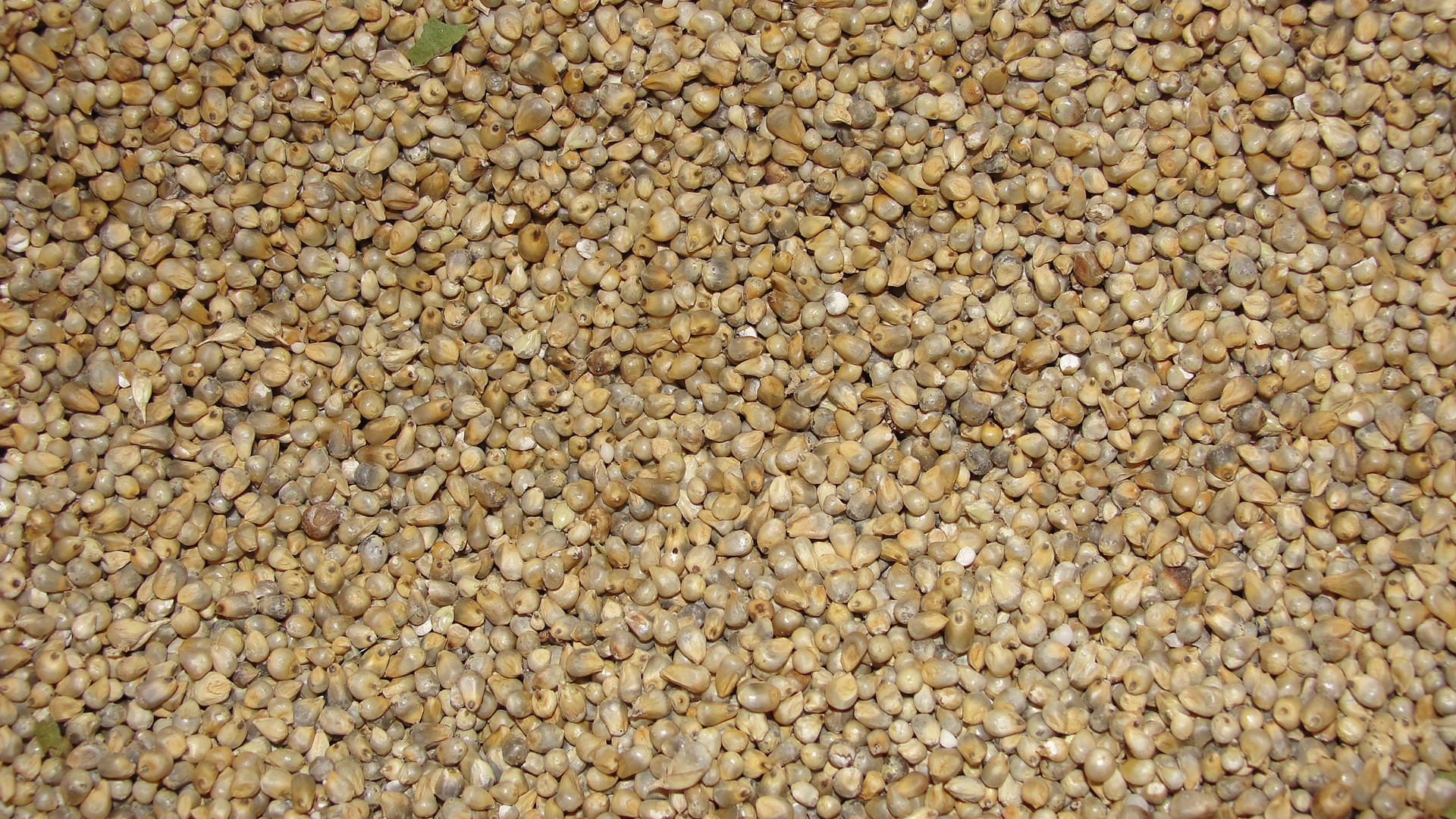
Millets have been an important staple food in Asia and Africa for thousands of years. However, with changing times, people have started moving away from this nutritious and versatile grain. But now, with the growing awareness of healthy eating and sustainable living, millets are regaining their popularity. They are gluten-free, rich in fiber, protein, and various nutrients, and are easy to cook. Moreover, they are environment-friendly as they require less water and pesticides than other grains. The question is, how can we incorporate millets into our daily lives? Here are five ways to do that.
The first way to incorporate millets into your daily life is by using them in your breakfast. You can make dosa, idli, upma, or porridge with millet instead of rice, semolina, or oats. Millet porridge is a simple and healthy breakfast option that you can customize according to your taste. You can add fruits, nuts, or spices to it. It will keep you full and energetic throughout the morning.
The second way is by using millets in baking. Yes, you read it right. You can substitute wheat flour with millet flour in your cakes, cookies, and bread. It will give a nutty flavor and a light texture to your bakes. You can also mix different kinds of millet flours to make your own healthy flour mix. It is a smart way to increase the nutritional value of your baked goodies.
The third way is by making millet salads. Millets are perfect for summer salads as they are light, crunchy, and refreshing. You can mix cooked millets with veggies, fruits, or herbs to make colorful and nutritious salads. You can also add a dressing of your choice, like lemon, honey, or olive oil. It is an excellent way to have a filling yet healthy lunch or dinner.
The fourth way is by making millet snacks. You can make healthy and tasty snacks like murukku, chakli, or laddu with millet flour. These snacks are perfect for tea-time or for munching on the go. You can also make a savory or sweet trail mix with roasted millet and nuts. It will keep your hunger pangs at bay and give you an energy boost.
The fifth and final way to incorporate millets into your daily life is by making millet drinks. Yes, millets are not only good for cooking but also for drinking. You can make millet milk, which is a vegan and lactose-free alternative to cow’s milk. You can also make millet-based energy drinks or smoothies with fruits, nuts, or seeds. These drinks are perfect for pre or post-workout snacks.
In conclusion, there are countless ways to incorporate millets into our daily lives. With a little experimentation, we can make our meals healthier, tastier, and more sustainable. Let’s give millets a chance and enjoy the benefits of this ancient grain.
What are millets and why should you incorporate them into your daily life?
Millets are a group of highly nutritious, gluten-free grains that have been grown all around the world for thousands of years. They are rich in fiber, minerals, and vitamins, and can help improve your digestion, heart health, and blood sugar levels. Moreover, they are sustainably farmed, affordable, and versatile in cooking, making them a great addition to your diet. Here are five ways to incorporate them into your daily life.
Add millets in your breakfast
Millets can be used in various breakfast dishes such as porridges, pancakes, and smoothies. You can replace your usual oatmeal with millet porridge, which has a lighter texture and a nuttier flavor. To make millet pancakes, mix millet flour, yogurt, eggs, and baking powder, and cook them on a non-stick pan until golden brown. Another idea is to add millet flakes to your morning smoothie for extra protein and fiber. By incorporating millets in your breakfast, you’ll start your day with a healthy and satisfying meal that will keep you energized for hours.
Use millets in your lunch and dinner
Millets are incredibly versatile in cooking, and can be used in many savory dishes such as salads, stews, and stir-fries. You can add cooked millet to your favorite salad for extra crunch and nutrients, or use it to make veggie burgers or meatballs. Millets also make a great base for stews and curries, as they absorb flavors well and create a creamy texture. You can also use millet flour to make gluten-free wraps, pasta, or bread. By incorporating millets in your lunch and dinner, you’ll add more variety and nutrition to your meals, and also support sustainable farming practices.
Snack on millets
Millets make a great snack option, as they are crunchy, tasty, and filling. You can roast millet seeds in a pan with some spices and nuts for a healthy and delicious snack that can be stored for later. Millet crisps and puffs are also available in most health food stores, and can be a tasty alternative to potato chips or popcorn. You can also use millet flour to make sweet treats such as cookies, muffins, and cakes. By snacking on millets, you’ll avoid unhealthy options, boost your energy, and support local farmers.
Drink millet-based beverages
Millets can also be used to make various beverages such as smoothies, shakes, and tea. You can make a millet smoothie by blending cooked millets, fruit, and milk or yogurt, and add some honey or cinnamon for sweetness. Another idea is to make a millet shake with millet flour, almond milk, ice cream, and vanilla extract. Millet tea, on the other hand, is a traditional drink in many cultures, and is known for its soothing and digestive properties. By consuming millet-based beverages, you’ll hydrate your body, satisfy your cravings, and discover new flavors.
Experiment with different types of millets
Millets come in various types and colors, each with their own texture and flavor. Some popular types are pearl millet, finger millet, sorghum, and teff, which can be used interchangeably in most recipes. You can also try different flavors by adding spices, herbs, and sauces to your millet dishes. For example, you can make a spicy sorghum stir-fry with ginger, garlic, and soy sauce, or a sweet teff porridge with raisins, almonds, and maple syrup. By experimenting with different types of millets, you’ll expand your culinary skills, satisfy your taste buds, and support biodiversity.
Conclusion
By incorporating millets in your daily life, you’re not only improving your health and wellbeing, but also supporting sustainable agriculture and cultural diversity. Whether it’s in your breakfast, lunch, dinner, snack, or beverage, millets can add more nutrition, variety, and flavor to your diet. So, start exploring the world of millets today, and discover the many benefits they offer.
Summary
Millets are making a comeback as a nutritious and sustainable staple food. They are gluten-free, rich in fiber, protein, and nutrients, and require less water and pesticides to grow compared to other grains. There are several ways to incorporate millets into daily life, such as using them in breakfast dishes like porridge, substituting millet flour in baked goods, making millet salads, preparing millet snacks, and even making millet-based drinks like milk or energy drinks. By experimenting with these options, it’s easier to enjoy the benefits of this ancient grain in modern times.
FAQ
What are millets, and why should I incorporate them into my daily life?
Millets are a group of small-seeded grasses that are highly nutritious and versatile. They have been a staple food for centuries in many parts of the world, including India, Africa, and China. Millets are a rich source of fiber, protein, vitamins, and minerals, and they are gluten-free. They can help to lower cholesterol, manage blood sugar levels, and improve digestion. Incorporating millets into your diet can provide numerous health benefits and help you to achieve a balanced diet.
What are some easy ways to incorporate millets into my daily diet?
There are several ways to incorporate millets into your daily diet. You can use millets to replace rice or wheat in your regular meals, such as by cooking millet porridge or using millet flour to make flatbreads. Millet can also be used as a base for salads, soups, and stews. You can also use millet to make a healthier version of your favorite desserts, such as millet pudding. Experiment with different recipes and see what works best for you.
Where can I buy millets, and what types of millets are available?
You can find millets at most grocery stores or health food stores. There are several types of millets available, including foxtail millet, pearl millet, finger millet, and sorghum. Each type has its unique flavor and nutritional profile. You can also purchase millets online or in bulk from organic farmers’ markets. Be sure to check the label and ensure that you are buying pure millets without any additives or preservatives.
How can I make millets a part of my daily routine?
To make millets a part of your daily routine, start by incorporating them into one or two meals each day. You can start with simple recipes, such as millet porridge or millet khichdi, and gradually incorporate millets into other meals. Plan your meals in advance and keep a stock of millets in your pantry. Millets can take longer to cook than some other grains, so plan accordingly. You can also join online communities or groups to get more recipe ideas and tips on how to incorporate millets into your daily life.