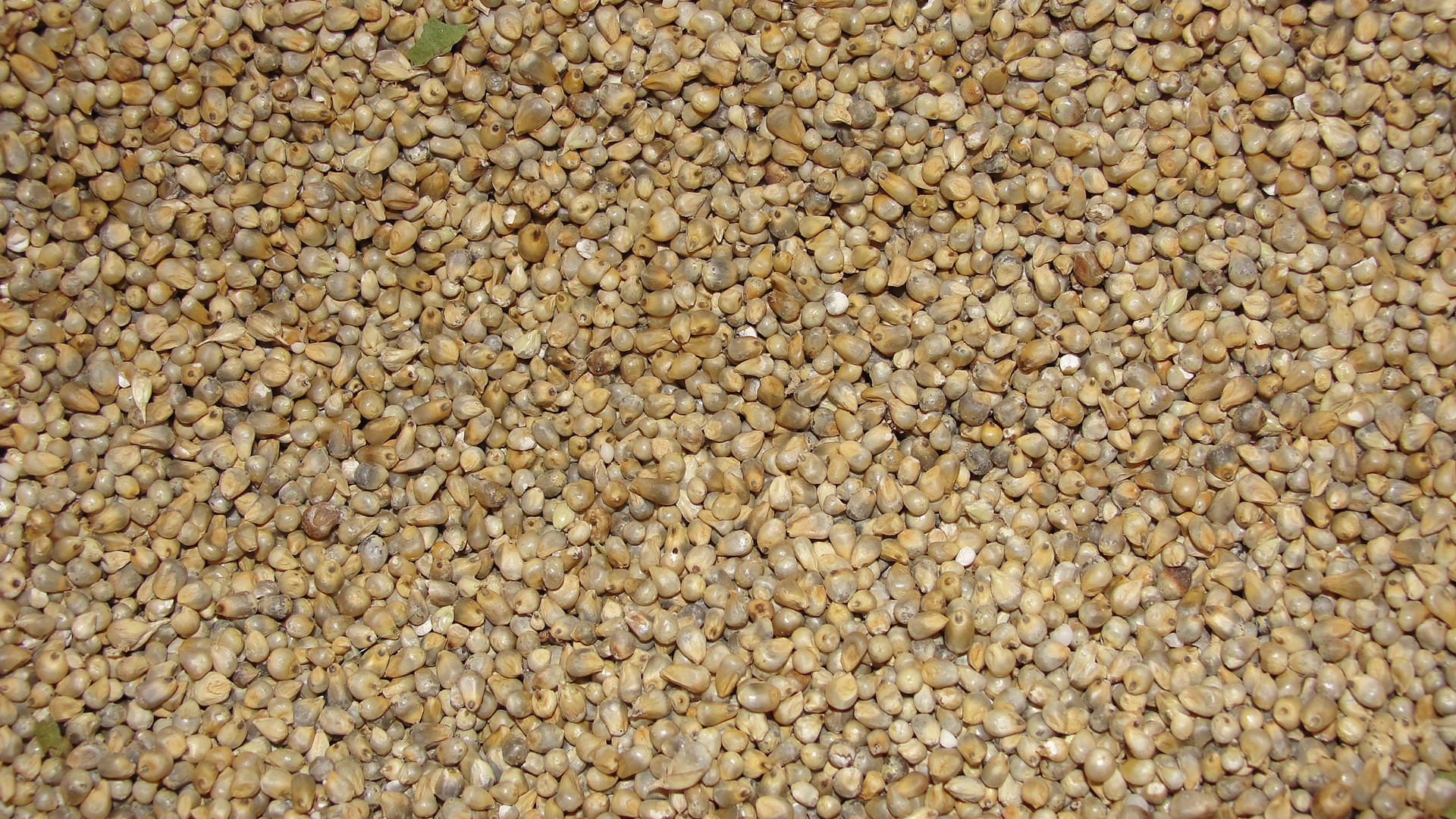
When it comes to our diets, it’s easy to get caught up in the latest superfood or diet trend. But what about the humble millet? This ancient grain has been cultivated for thousands of years, yet it’s often overlooked in modern diets. And that’s a shame, because millet has a lot to offer. From its impressive nutrition profile to its sustainable growing practices, millet has benefits that we should all be taking advantage of.
So why don’t we hear more about millet? For one thing, it’s often associated with birdseed or animal feed, which is hardly appetizing to humans. But that’s a misconception – millet is just as delicious and versatile as any other cereal grain. It can be used in everything from soups and stews to pilafs and salads, and it has a pleasantly nutty flavor.
But the benefits of millet go beyond taste. For one thing, it’s a highly nutritious grain. It’s high in fiber, which means it can help keep you feeling full and satisfied. It’s also high in protein, making it a great choice for vegetarians and vegans. And millet is rich in essential minerals like magnesium and phosphorus, which are important for bone health.
But perhaps most importantly, millet is a sustainable crop. Unlike many other grains, it requires very little water to grow, making it a good choice for regions with limited water resources. It’s also relatively easy to grow and harvest, which means it can be a good crop for small farmers. And because it’s a hardy crop, it can be grown without the need for synthetic fertilizers or pesticides, which can be harmful to the environment and to farm workers.
So if millet has so much to offer, why don’t we hear more about it? One reason may be that it’s been overshadowed by other, more heavily marketed grains like quinoa and farro. But millet deserves a place at the table too. With its impressive nutrition profile and sustainable growing practices, it’s an ingredient that we should all be incorporating into our diets. Whether you’re looking to eat more sustainably or simply expand your culinary horizons, millet is an excellent choice.
Introduction
Millets are a group of small-seeded cereals, which are a rich source of essential macronutrients and micronutrients. They have been cultivated for thousands of years and offer several sustainable advantages when compared to other staple crops.
Nutritional Benefits of Millets
Millets are an excellent source of protein, dietary fiber, vitamins, and minerals. They are gluten-free and therefore suitable for people with celiac disease. Millets are also low glycemic index foods, which means that they release glucose slowly and steadily into the bloodstream, thereby helping to manage diabetes.
Sustainable Farming Practices
Millets are drought-tolerant, pest-resistant, and require less water and fertilizers compared to other popular cereal crops. These attributes make millets ideal for cultivating in regions with low rainfall, poor soil quality, and high temperature. Millet farming practices also promote biodiversity, as millets can be intercropped with other crops and often require minimal tillage.
Reducing Carbon Footprint
Millets require fewer inputs like fertilizers, pesticides, and herbicides, and are therefore less energy-intensive compared to other cereal crops. Since millets are drought-tolerant, they require minimal irrigation and are suitable for rain-fed farming, thereby reducing the overall carbon footprint of millet farming.
Supporting Local Economies
Millets are usually grown in smallholder farms, which helps to boost local economies and provide livelihoods for rural communities. Millet-based small and medium enterprises can also generate employment opportunities, raise income levels, and promote sustainable agriculture.
Diversifying Food Choices
Adding millets to the diet can help to diversify food choices and improve overall nutrition in both urban and rural populations. Millets can be used to prepare a variety of dishes, including flatbreads, porridges, soups, and salads.
Promoting Food Security
Millets are a suitable crop for food-insecure regions, where they can provide a source of nourishment and income. Millets are also sturdy, easy to store, and therefore can be stored for long periods without spoilage.
Conclusion
In conclusion, millets offer several sustainable advantages, including nutrition, reduced environmental impact, and support for local communities, and can contribute to achieving sustainable production and consumption patterns. Therefore, there is a need for increased awareness, advocacy, and support for promoting millet cultivation, consumption, and value chain development.
Summary
Millet, an ancient grain, is often overlooked in modern diets despite its impressive nutrition profile and sustainable growing practices. Millet is highly nutritious, high in fiber and protein, and rich in essential minerals like magnesium and phosphorus. It requires less water to grow than many other grains, making it a sustainable crop for regions with limited water resources, and can be grown without the need for synthetic fertilizers or pesticides. Millet has a pleasantly nutty flavor and can be used in a variety of dishes. It deserves a place at the table alongside other marketed grains like quinoa and farro.
FAQ
What are millets?
Millets are a group of small-seeded grasses that have been grown for centuries in many parts of the world. They are highly nutritious and have a low glycemic index which makes them a good option for people with diabetes. Millets are gluten-free and are a great source of protein, fiber, antioxidants, vitamins, and minerals. They can be consumed in the form of flour, flakes, or whole grains, and can be used to make various dishes.
What are the sustainable benefits of millets?
Millets require less water and are less reliant on synthetic fertilizers and pesticides compared to other grains, which makes them an excellent option for sustainable agriculture. They are also easy to grow in harsh environments and can be grown using traditional farming practices, which are effective when compared to modern agricultural methods. Due to their small size, millets can also be stored for longer periods, making them ideal for areas where food storage is a concern.
Are millets suitable for everyone?
Yes, millets are suitable for everyone. They are gluten-free and highly nutritious, making them an excellent option for people with celiac disease or gluten intolerance. They are also packed with fiber which aids in digestion and helps in weight management. Additionally, millets are a good source of iron, which makes them ideal for individuals who have iron-deficiency anemia.
How can millets be incorporated into daily meals?
Millets can be easily incorporated into daily meals as they are versatile and can be used in a variety of dishes. They can be used to make chapatis, dosas, porridges, and even desserts. Millet flour can be used to make bread, cakes, and biscuits. Millets can also be cooked with vegetables, beans, and lentils to make a wholesome meal. Overall, millets are a versatile and highly nutritious option that can be easily included in daily meals.