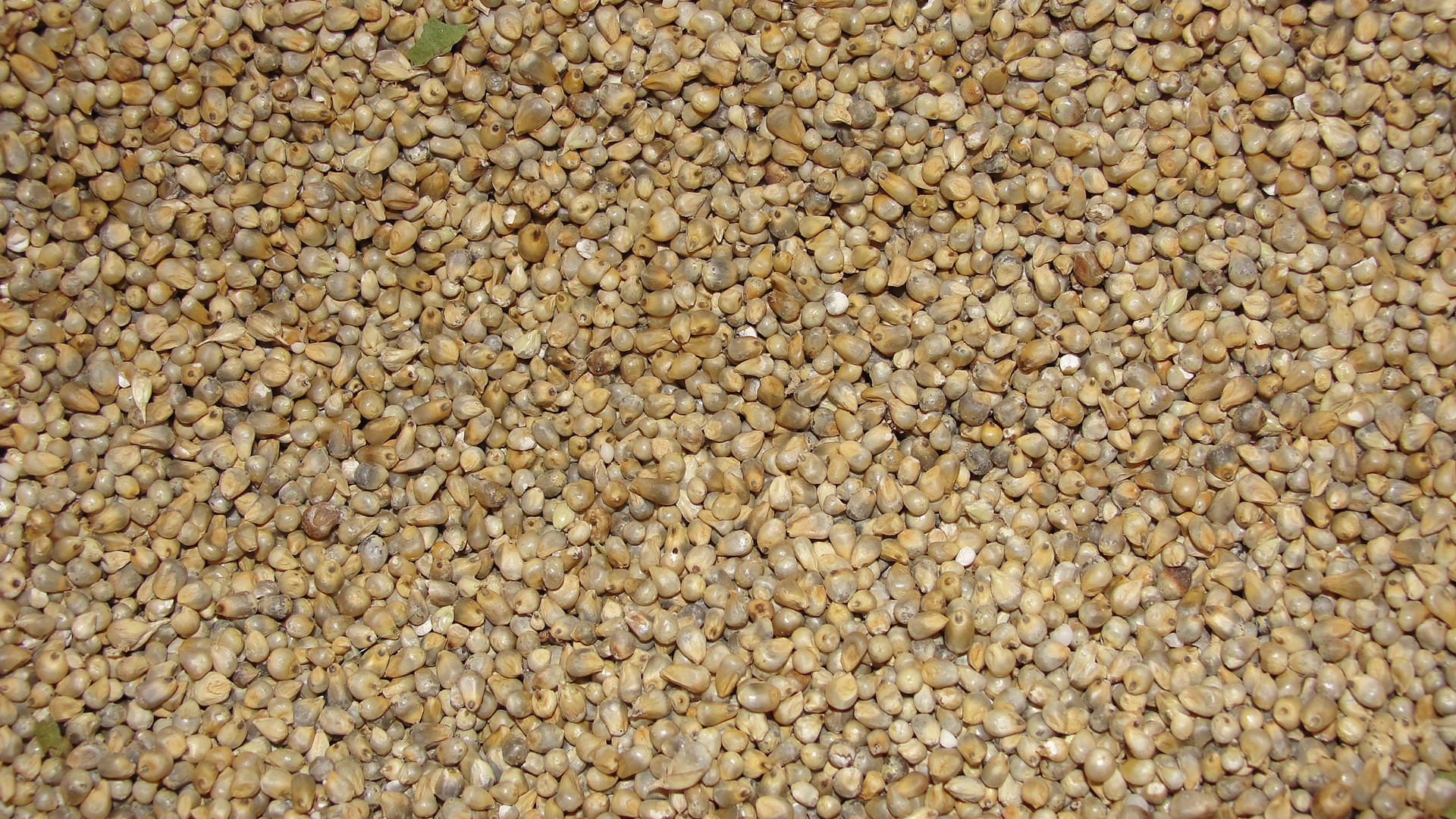
Millets have rapidly made their way from ancient grain to modern diet staple, captivating health enthusiasts worldwide. These nutrient-dense, gluten-free grains have gained immense popularity for their remarkable health benefits. From combating chronic diseases to promoting weight loss, millets are positioned as a lifestyle choice for those seeking to enhance their overall well-being. Not only are they incredibly nutritious, but their cultivation and consumption also have substantial environmental benefits. Millets have a minimal ecological footprint, making them an eco-friendly choice for sustainable agriculture practices. So, let’s embark on a journey from farm to table, exploring the various aspects of this new food phenomenon and why millets have become the go-to option for health-conscious individuals.
Millets have been cultivated for thousands of years, with their origins dating back to ancient civilizations. These small grains flourished in regions with arid or semiarid climates such as Africa, Asia, and the Middle East. However, due to the influx of modern agricultural practices and the rise of more commercially valuable crops, millets gradually lost their prominence. But recently, there has been a resurgence of interest in these ancient grains because of their exceptional nutritional value. Unlike refined grains, millets are rich in fiber, protein, minerals, and antioxidants, making them an ideal addition to a balanced diet.
Besides their impressive nutritional profile, millets are also known for their disease-fighting properties. Studies have shown that consuming millets regularly can lower the risk of diabetes, heart disease, and certain types of cancers. The high fiber content in millets aids in maintaining healthy blood sugar levels, while the presence of antioxidants helps protect against oxidative stress and inflammation. Additionally, the diverse range of nutrients found in millets contributes to overall wellness, boosting the immune system and supporting optimal bodily functions.
While the health benefits of millets alone are enough to captivate health enthusiasts, their environmental impact further solidifies their appeal. The cultivation of millets requires significantly less water compared to other grains such as rice or wheat. This water efficiency, combined with their ability to grow in harsh climatic conditions, makes millets an excellent option for sustainable farming. Moreover, millets are resilient crops, requiring fewer chemical inputs, thus posing less harm to the environment. Therefore, by choosing millets, health-conscious individuals are not only nourishing their bodies but also minimizing their carbon footprint.
Transitioning from farm to table, the versatility of millets makes them adaptable to a wide range of culinary creations. From replacing rice in traditional dishes to adding a nutritious twist to baked goods, millets can be easily incorporated into various recipes. Moreover, as more people discover the health benefits of these ancient grains, food companies and restaurants are also taking notice. Millet-based products like bread, pasta, and snacks are now readily available, providing health enthusiasts with delicious alternatives to conventional processed foods.
Overall, the journey from farm to table showcases how millets have emerged as a lifestyle choice for health enthusiasts. Not only are they nutrient powerhouses with remarkable health benefits, but they also promote sustainable agriculture practices. With their ability to grow in challenging conditions and minimal environmental impact, millets offer a viable solution for those seeking to make conscious choices. So, let’s embrace the millet revolution, savoring their delicious flavors, and reaping the many rewards they have to offer.
1. Introduction
Millets have been part of the human diet for thousands of years and are now gaining popularity as a healthy alternative to other grains. These small-seeded cereals are known for their high nutritional value and ability to grow in diverse climates. They are not only gluten-free but also naturally rich in fiber, essential minerals, and antioxidants. Millets offer a range of health benefits, including improved digestion, weight management, and reduced risk of chronic diseases.
With the increasing demand for organic and nutritious food options, millets are making a comeback as a lifestyle choice for health enthusiasts. From farm to table, millets offer an environmentally friendly and sustainable option to promote personal well-being. Let’s explore how millets are grown, processed, and consumed, and why they are becoming a popular choice among health-conscious individuals.
2. Millet Farming and Harvesting
Millets are versatile crops that can thrive in both rain-fed and arid regions, making them a sustainable choice for farmers across the globe. They require minimal water, fertilizers, and pesticides, reducing the environmental impact. Millets are often intercropped with legumes or other plants, helping to improve soil fertility and prevent pests and diseases naturally.
Once mature, the stalks are harvested, and the millet grains are separated from the plant. Traditional methods involve threshing and winnowing the grains to remove the husks. Today, modern machinery is used to streamline the process and ensure high-quality millet grains for consumption.
3. Processing and Nutritional Value
After harvesting, millet grains undergo various processing techniques to make them suitable for consumption. These include cleaning, dehusking, and grinding. The process ensures that the grains are free from impurities and retain their nutritional value.
Compared to refined grains, millets have a higher fiber content, providing a feeling of fullness and aiding digestion. They are also a good source of protein, essential amino acids, vitamins, and minerals. Their low glycemic index makes them suitable for individuals with diabetes or those looking to manage their blood sugar levels.
4. Diverse Millet Varieties
Millets come in several varieties, each with its own unique flavor, texture, and culinary applications. Some popular millet varieties include pearl millet, finger millet, foxtail millet, and barnyard millet. These grains can be cooked as a staple dish, ground into flour for baking, or even used to make beverages like millet-based smoothies or traditional porridge.
The wide range of millet options provides a versatile and exciting way to incorporate them into a daily diet, appealing to individuals with different taste preferences.
5. Millets in the Kitchen: Recipes and Culinary Uses
Millets can be used in a variety of culinary creations, from breakfast to dinner and snacks to desserts. They can be cooked like rice or used in pilafs, salads, and soups. Millet flour can be used as a healthy alternative in baking bread, cookies, and pancakes. Millets also work well as thickeners in sauces or as a crunchy topping for salads and roasted vegetables.
With their mild nutty flavor and ability to absorb different spices and seasonings, millets offer endless culinary possibilities, allowing health enthusiasts to enjoy a diverse and wholesome diet.
6. Eco-Friendly Farming and Sustainability
Millets are an excellent choice for individuals concerned about the environmental impact of food production. Due to their efficient water usage and resistance to pests, millets require fewer chemical inputs compared to other grains. The cultivation of millets also promotes biodiversity, as they can be grown alongside various crops without competition for resources.
Moreover, millet cultivation helps in carbon sequestration and soil preservation, contributing to sustainable farming practices. By choosing millets, health enthusiasts can reduce their carbon footprint and support a more eco-friendly agricultural system.
7. Health Benefits of Millets
The consumption of millets is associated with numerous health benefits. As a low-glycemic index grain, millets help regulate blood sugar levels and prevent sudden spikes. Their high fiber content aids digestion and promotes a healthy gut. Millets are also beneficial for heart health due to their ability to lower cholesterol levels and maintain blood pressure.
In addition, millets contain an array of essential minerals such as magnesium, iron, phosphorus, and potassium, which are vital for the proper functioning of the body. These grains also offer antioxidants that help protect against chronic diseases and support overall well-being.
8. Embracing Millets for a Healthier Lifestyle
As the demand for healthier food options increases, millets are becoming a lifestyle choice for health enthusiasts. From their sustainable farming practices to their diverse culinary applications and impressive nutritional profile, millets offer a well-rounded solution for those seeking to improve their health and well-being.
By choosing millets, individuals can support sustainable agriculture, promote their own health, and indulge in a wide range of delicious and nutritious recipes. Embracing millets opens doors to a vibrant and wholesome lifestyle that benefits both the individual and the environment.
Summary
Millets have become a popular choice for health-conscious individuals due to their exceptional health benefits and minimal environmental impact. These ancient grains, cultivated for thousands of years, are rich in fiber, protein, minerals, and antioxidants, making them ideal for maintaining a balanced diet and fighting chronic diseases. Millets also require less water and chemical inputs compared to other grains, making them sustainable for farming. Their versatility in various recipes has led to the availability of millet-based products in the market. Overall, millets offer a viable option for those looking to improve their overall well-being while making conscious choices for the environment.
FAQ
What are millets and why are they considered a lifestyle choice for health enthusiasts?
Millets are a group of small-seeded grains that have been cultivated for thousands of years. They are gluten-free, highly nutritious, and rich in fiber, vitamins, minerals, and antioxidants. Millets are known for their low glycemic index, which means they release glucose slowly into the bloodstream, helping to maintain stable blood sugar levels. This makes them an excellent choice for people with diabetes or those looking to manage their weight.
Health enthusiasts embrace millets as a lifestyle choice because of their numerous health benefits. Regular consumption of millets has been associated with improved digestion, reduced risk of chronic diseases such as heart disease and cancer, and enhanced immune function. Millets are also environmentally friendly as they require less water and are less resource-intensive to grow compared to other grains. Additionally, including millets in your diet can promote sustainable farming practices and support local farmers, contributing to a healthier and more sustainable food system.
How can I incorporate millets into my diet for optimal health benefits?
There are several ways to incorporate millets into your diet and enjoy their health benefits. Millets can be cooked and used as a substitute for rice, added to soups, stews, or salads, or ground into flour for baking. Some popular millet varieties include pearl millet, foxtail millet, finger millet, and sorghum.
To start, you can try replacing some of your regular rice or wheat-based dishes with millets. For example, you can cook millets as a pilaf or use them in place of oats for a hearty breakfast porridge. Millet flour can be used for making rotis or added to baked goods like bread, cookies, or pancakes. Experimenting with millets in different recipes can add variety and nutritional value to your meals while incorporating this healthy grain into your daily routine.
Are millets suitable for individuals with gluten intolerance or celiac disease?
Yes, millets are an excellent alternative for individuals with gluten intolerance or celiac disease. Being gluten-free, millets can serve as a nutritious grain option for those with specific dietary restrictions. Millets provide a range of nutrients that are often lacking in a gluten-free diet, such as fiber, iron, magnesium, and B vitamins.
However, it is essential to ensure that the millets and millet-based products you choose are certified gluten-free, especially if you have celiac disease. Cross-contamination may occur during processing or packaging, so selecting products specifically labeled gluten-free can help to avoid any potential risks. By incorporating millets into your gluten-free diet, you can enjoy their nutritional benefits while exploring a wide range of delicious and healthy food options.
Can millets be part of a weight loss diet?
Yes, millets can be a valuable addition to a weight loss diet. Millets are high in fiber, which aids in digestion, helps you feel fuller for longer, and can prevent overeating. Their low glycemic index also means they are digested more slowly, providing sustained energy and reducing the likelihood of blood sugar spikes and cravings.
By replacing refined grains like white rice or pasta with millets, you can increase your nutrient intake while cutting down on calories. Millets can be versatile in weight loss meal plans, such as using them as a base for colorful salads, mixing them with vegetables for pilafs, or incorporating them into hearty soups. However, it’s important to maintain a balanced diet and portion control when pursuing weight loss goals. Combining millets with fruits, vegetables, lean proteins, and healthy fats can create a well-rounded and satisfying meal plan that supports your weight loss journey effectively.