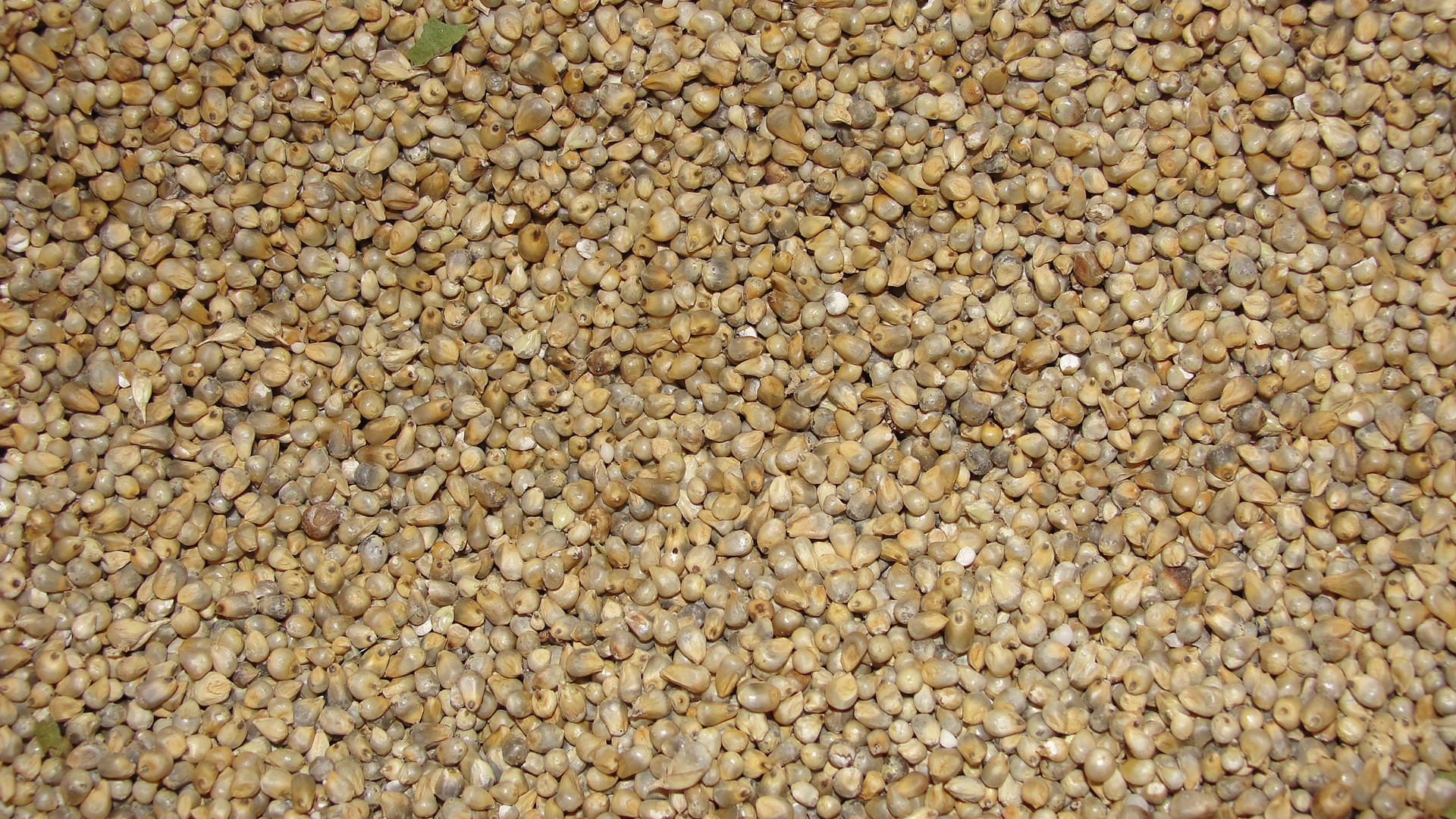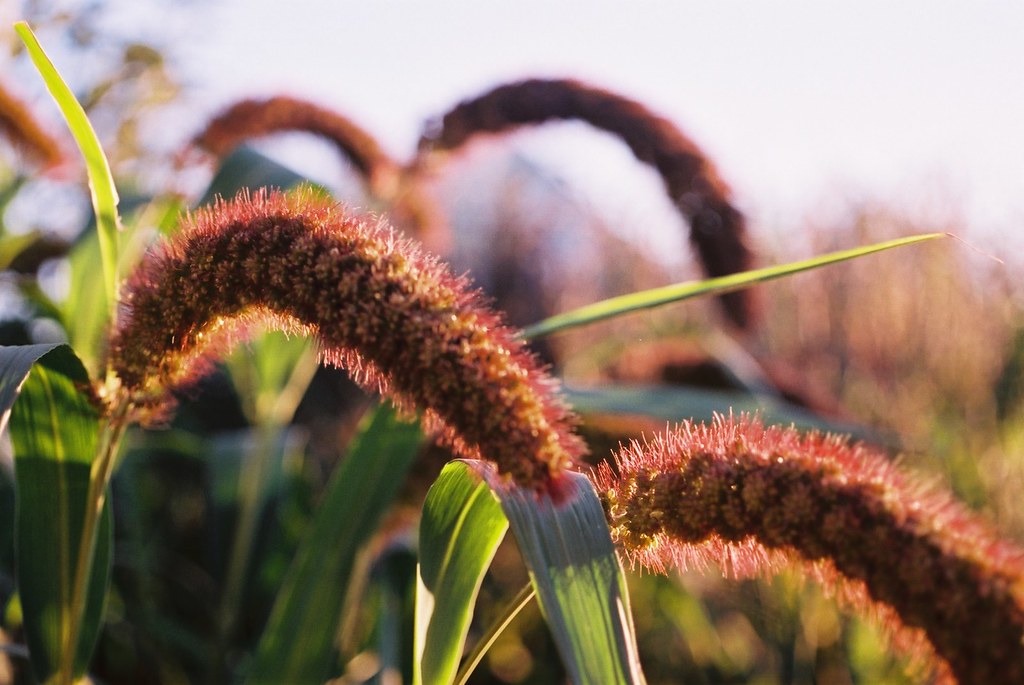
In a world where modern lifestyles are dominated by processed foods and refined grains, there is a shift in attention towards an ancient yet revolutionary source of nutrition – millets. Breaking free from the grain, millets are making a remarkable comeback as people seek healthier, more sustainable alternatives. Originating in Africa and spreading to India, these nutritious grains have captured the attention of health-conscious individuals and sustainability advocates alike. From being considered “poor people’s food” to now being hailed as a superfood, millets are redefining our perception of what a healthy diet entails.
As we navigate the complexities of our modern lives, we often forget the wisdom of our ancestors. Millets have been cultivated and consumed for thousands of years, providing sustenance to civilizations long before the advent of refined grains. With their humble yet powerful nutrient profile, millets offer a plethora of health benefits. Rich in fiber, vitamins, and minerals, they contribute to better digestion, weight management, and improved overall well-being. Moreover, millets are gluten-free, making them an excellent choice for individuals with gluten sensitivities or celiac disease.
Beyond the individual health benefits, millets also hold enormous potential to reshape our food systems and foster sustainability. Unlike conventional grains like wheat and rice, millets require significantly less water and fertilizer, making them a more climate-resilient crop. They can grow in harsh conditions and tolerate drought, making them an ideal choice for regions facing water scarcity and unpredictable climates. Additionally, millets also enrich the soil, enhancing its fertility and reducing the need for synthetic fertilizers. By embracing millets, we can cultivate a more sustainable and environmentally conscious future.
Millets’ impact goes beyond health and sustainability – they hold the promise of reviving local economies. In many farming communities, millets have been neglected in favor of high-yield, monoculture crops. However, as awareness grows about the benefits of millets, there is a rekindled interest in their cultivation. This resurgence not only supports small-scale farmers but also strengthens food security at a local level. By embracing millets as a staple in our diets, we can create a ripple effect that revitalizes traditional agriculture and fosters economic empowerment in rural communities.
From the kitchen to the dining table, millets are finding their place in modern culinary adventures. No longer confined to porridges and gruel, millets are now celebrated for their versatility and ability to adapt to various cuisines. From creamy risottos to crunchy cookies, millets can be incorporated into a wide array of dishes, bringing their unique texture and nutty flavor to the forefront. As more chefs and home cooks experiment with millet-based recipes, they are demonstrating that healthy eating doesn’t have to compromise on taste.
As you embark on this journey into the world of millets, prepare to be amazed at their revolutionary impact on modern lifestyles. These humble grains are not only transforming our diets but also challenging our attitudes towards food production, sustainability, and cultural heritage. Join the movement towards a more nourishing, resilient, and inclusive food system. Together, let us break free from the grain and embrace the millet revolution.
1. Rediscovering Ancient Grains
Millets, ancient grains that have been cultivated for thousands of years, are making a powerful comeback in modern diets. These nutrient-rich grains were once the staple food for several civilizations, but had been overshadowed by more popular and widely marketed grains such as wheat and rice. With growing concerns about health, sustainability, and food security, millets are being rediscovered for their numerous benefits and versatility.
Millets possess several key attributes that make them unique. First, they are highly adaptable crops capable of thriving in poor soil conditions and under low-water availability, making them resilient in the face of climate change and capable of sustainable cultivation. Moreover, millets are naturally gluten-free, making them an ideal grain for individuals with gluten sensitivities. Their balanced nutritional profile, low glycemic index, and abundance of dietary fiber further bolster their appeal. As a result, they now hold immense potential in transforming modern dietary choices for a healthier and more sustainable future.
2. Nutritional Powerhouses
One of the reasons behind millets’ revolutionary impact is their impressive nutritional content. These grains are packed with essential nutrients, including proteins, dietary fiber, vitamins, and minerals. For instance, finger millet (ragi) is rich in calcium, iron, and amino acids, while pearl millet (bajra) offers a good source of phosphorus, magnesium, and potassium. This nutritional richness not only helps combat malnutrition and micronutrient deficiencies but also promotes overall well-being.
Millets are also particularly beneficial for individuals with specific dietary requirements or health concerns. Their low glycemic index ensures slower release of sugars into the bloodstream, making them suitable for individuals with diabetes or those aiming to maintain consistent blood sugar levels. Furthermore, millets’ high dietary fiber content aids digestion, prevents constipation, and contributes to weight management. Incorporating millets into the modern diet can provide a wide range of health benefits, helping individuals lead healthier and more balanced lives.
3. Culinary Versatility
Another aspect fueling millets’ revolutionary impact is their culinary versatility. From savory dishes to sweet treats, millets can be incorporated into a wide array of recipes across various cuisines. Their naturally nutty and earthy flavors add a unique taste to dishes, enhancing the overall culinary experience. Additionally, millets can be ground into flour to make bread, rotis, and pastas, or used as whole grains in soups, salads, and porridges.
Millets’ versatility extends to beverages as well. For example, foxtail millet can be used to brew alcoholic beverages, while pearl millet is the main ingredient in traditional drinks like “bajra raab.” The ability to include millets in both everyday cooking and specialized dishes makes them an interesting alternative that can bring diversity and excitement to one’s diet.
4. Supporting Small-Scale Farmers
The revival of millets has brought significant economic and social benefits to small-scale farmers. Millet cultivation requires fewer inputs and is less reliant on chemical fertilizers and pesticides compared to other grains. Consequently, farmers who grow millets can reduce their expenses, increase profits, and cultivate crops in a more sustainable manner, resulting in improved socio-economic conditions.
Furthermore, as the demand for millets rises, small-scale farmers also gain access to new markets and opportunities. This promotes agricultural diversification, reduces dependence on monoculture farming, and enhances the resilience of farming communities against climate change and market uncertainties. By supporting millet cultivation, consumers contribute to empowering farmers and fostering sustainable agriculture.
5. Environmental Sustainability
Millets’ revolutionary impact also lies in their immense contribution to environmental sustainability. These crops require minimal water, making them a more sustainable choice compared to water-intensive crops like rice. By cultivating millets, farmers can mitigate water scarcity issues, conserve precious water resources, and promote ecological balance.
Moreover, the cultivation of millets often involves traditional practices that preserve soil health and enhance biodiversity. Such practices include intercropping, organic farming methods, and the use of traditional seeds. These contribute to soil fertility, prevent soil erosion, and maintain a diverse ecosystem. Incorporating millets into modern lifestyles can play a vital role in combating climate change, reducing greenhouse gas emissions, and ensuring long-term environmental sustainability.
6. Advocating Food Security
With volatile climatic conditions and global population growth, ensuring food security has become a pressing concern. Millets offer a promising solution to this challenge. These crops are highly resilient to harsh conditions, including drought, heat, and pests. They can withstand unpredictable weather patterns and grow in diverse agro-ecosystems. Hence, promoting millet cultivation and consumption can contribute significantly to achieving food security.
Millets’ short growing cycles also allow for multiple harvests per year, further enhancing their food security potential. By diversifying crop choices and reducing dependence on a limited set of grains, communities can create a more robust and secure food system. Encouraging the consumption of millets helps ensure that nutritious and affordable food is accessible to all, even in regions prone to food insecurity.
7. Encouraging Global Collaboration
The revolutionary impact of millets is not limited to localized communities – it has the potential to foster global collaboration in food and agriculture. As millets gain recognition for their nutritional value and sustainability, international organizations, governments, and research institutions are joining forces to explore the benefits of these crops.
Through collaborative efforts, knowledge exchange, and research partnerships, the potential of millets can be unlocked on a global scale. Sharing best practices, developing new technologies, and promoting millet-based products globally can bring substantial improvements to the well-being of individuals, communities, and the planet. Breaking free from the grain and embracing millets together can pave the way for a more sustainable and secure future.
8. Embracing a Millet Future
Millets’ revolutionary impact on modern lifestyles is undeniable. From health benefits to environmental sustainability and food security, these ancient grains offer a holistic solution to various challenges we face today. By incorporating millets into our diets and supporting their cultivation, we can foster a more sustainable, resilient, and inclusive food system.
It is high time we break free from conventional grains and embrace millets for their remarkable potential. The journey towards a millet future begins with awareness, appreciation, and action. Let us seize this opportunity to revolutionize our diets and shape a better future for ourselves and generations to come.
Summary
Millets are gaining attention as a nutritious and sustainable alternative to processed grains. Originating in Africa and spreading to India, millets are being recognized as a superfood and are redefining what a healthy diet entails. They offer numerous health benefits, including improved digestion and weight management, and are gluten-free. Millets also have the potential to reshape food systems by requiring less water and fertilizer, making them climate-resilient. They can also revive local economies and strengthen food security. Millets are versatile and can be incorporated into various cuisines, challenging the perception that healthy food lacks taste. Embracing millets can create a more nourishing and inclusive food system, breaking free from refined grains.
FAQ
What are millets and why are they gaining popularity in modern lifestyles?
Millets are a group of small-seeded grasses that have been cultivated for thousands of years for their nutritional benefits and hardy nature. They are gluten-free and rich in essential nutrients like fiber, protein, vitamins, and minerals. Millets have gained popularity in modern lifestyles due to their numerous health benefits and suitability for various dietary preferences, including gluten-free, vegan, and vegetarian diets. They are known for their low glycemic index, which means they release sugar into the bloodstream at a slower rate, helping maintain steady energy levels and prevent blood sugar spikes. Millets’ ability to thrive in diverse environmental conditions, high nutritional value, and sustainable farming practices have made them a preferred choice for those seeking healthier and more environmentally-friendly options.
Are millets suitable for individuals with certain dietary restrictions or health conditions?
Yes, millets are suitable for individuals with dietary restrictions and specific health conditions. Millets are naturally gluten-free, making them an excellent alternative to wheat and other grains for people with gluten intolerance or celiac disease. They are also highly digestible and have a lower risk of causing allergies compared to other grains. Moreover, millets are a rich source of dietary fiber, aiding in digestion, weight management, and reducing the risk of chronic diseases, such as obesity, diabetes, and cardiovascular conditions. Their high protein content makes them a valuable inclusion in vegetarian and vegan diets as an alternative protein source. However, as with any dietary change or specific health condition, it is advisable to consult with a healthcare professional or nutritionist to ensure millets are suitable for individual needs.
How can one incorporate millets into their daily diet?
There are multiple ways to incorporate millets into the daily diet. Millets can be used in several recipes, such as porridges, salads, desserts, bread, and as a substitute for rice or other grains in various dishes. For example, replacing rice with millets in traditional dishes like pulao, biryani, or risotto can enhance nutritional value while adding a unique texture and taste. Millet flour can also be used to make pancakes, bread, and muffins. Additionally, millet-based cereals and snacks are readily available in the market for a convenient way to include millets in the daily routine. Experimenting with different millet varieties, such as foxtail, finger, pearl, or sorghum, can add versatility and diversity to the diet while reaping the nutritional benefits.
Are millets environmentally friendly and sustainable?
Millets are considered an environmentally friendly and sustainable crop due to several factors. First, millets are highly resilient and can grow in poor soil conditions, requiring minimal water, chemical fertilizers, or pesticides compared to other grains. This makes them a preferred option for sustainable agriculture and small-scale farmers, reducing the overall ecological impact. Additionally, millets are generally cultivated on a rain-fed basis, reducing the reliance on irrigation and conserving water resources. Furthermore, the cultivation of millets promotes biodiversity as they support the growth of various beneficial plants and insects. The increased demand for millets is also encouraging farmers to adopt organic farming practices and conserve traditional seed varieties. Overall, millets contribute to sustainable farming practices, promote biodiversity, and have a minimal environmental footprint, making them an eco-friendly choice for modern lifestyles.