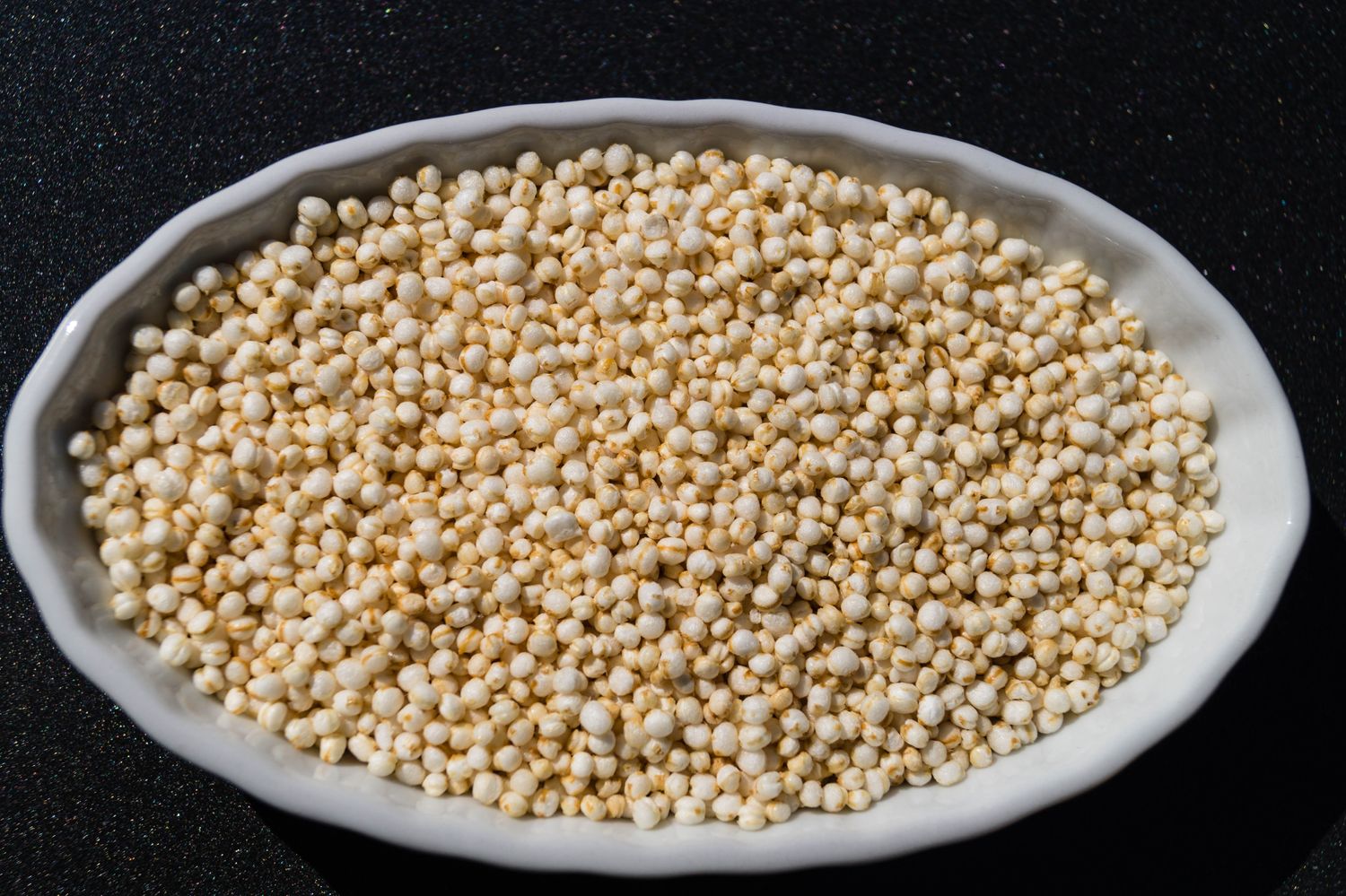
Millet for Diabetics: A Healthy Grain Alternative
When it comes to managing diabetes, one crucial aspect is making wise dietary choices that help regulate blood sugar levels effectively. And that’s where millet, a versatile and nutrient-rich grain, steps in as a promising alternative. Millet has been consumed for centuries in various parts of the world, especially in Africa and Asia, and has now gained recognition globally for its numerous health benefits. With its impressive nutritional profile, including high fiber content and a low glycemic index, millet provides diabetic individuals with an excellent option to explore for their everyday meals.
The remarkable thing about millet is its ability to keep blood sugar levels under control. This grain has a low glycemic index, meaning it doesn’t cause a sudden spike in blood sugar levels after consumption. This slow release of glucose into the bloodstream prevents the unwanted rapid rise and fall in glucose levels, which can be detrimental for individuals with diabetes. By including millet in their diet, diabetics have the opportunity to enjoy a satisfying and nourishing meal without compromising their health.
Not only does millet help manage blood sugar, but it also offers an array of essential nutrients. This grain is an excellent source of fiber, which aids in digestion, regulates bowel movements, and contributes to a feeling of fullness. Additionally, millet is rich in magnesium, an essential mineral that plays a crucial role in maintaining normal blood sugar levels and supporting overall heart health. By incorporating millet into their diet, diabetics can ensure they’re nourishing their bodies with the necessary nutrients.
For those looking to add variety and flavor to their diabetic-friendly meals, millet proves to be a versatile grain that can be enjoyed in numerous ways. Whether cooked as a fluffy side dish, used as an ingredient in salads or soups, or even ground into flour for baking, millet adds a unique texture and taste to any recipe. Its mild nutty flavor provides a pleasant base for various herbs, spices, and sauces, making it a versatile grain that adapts well to different culinary traditions and preferences.
Another notable advantage of millet is its gluten-free nature, making it an excellent choice for individuals with celiac disease or gluten sensitivities. Gluten-free options can sometimes lack the desired taste and texture, but millet offers a great alternative that doesn’t compromise on flavor or quality. Diabetics who also face gluten-related challenges can embrace millet as a safe and healthy grain choice, allowing them to enjoy a diverse range of delicious meals that cater to their specific dietary needs.
Incorporating millet into a diabetic-friendly diet plan is not only beneficial for blood sugar management but also promotes overall well-being. Millet is known to support heart health, aid in weight management, and contribute to lower cholesterol levels. By choosing millet as a staple grain, individuals with diabetes can take control of their health while enjoying a varied, satisfying, and nourishing diet.
In conclusion, millet presents itself as a valuable grain alternative for individuals with diabetes who seek to manage their blood sugar levels effectively. With its low glycemic index, exceptional nutrient content, versatility in cooking, and gluten-free nature, millet becomes a compelling choice for diabetic individuals looking to improve their overall well-being without compromising on taste and satisfaction. By embracing millet as an integral part of their diet, individuals with diabetes can make a positive impact on their health, one meal at a time.
Introduction
Millet, a gluten-free ancient grain, is increasingly gaining popularity as a nutritious alternative to traditional grains. For individuals with diabetes or those at risk of developing the condition, incorporating millet into their diet can offer numerous health benefits. Packed with essential nutrients, low in carbohydrates, and with a low glycemic index, millet can help stabilize blood sugar levels and contribute to a healthier lifestyle.
Nutritional Value
Millet is a nutritional powerhouse, containing a diverse range of essential nutrients. It is a rich source of dietary fiber, protein, and important minerals such as magnesium, phosphorus, and iron. Furthermore, it is packed with antioxidants and various vitamins, including niacin, B vitamins, and vitamin E. The combination of these nutrients in millet contributes to better blood sugar control, improved digestion, enhanced energy levels, and overall health.
Low Glycemic Index
One of the key advantages of millet for diabetics is its low glycemic index (GI). The GI is a measure of how quickly carbohydrates are broken down into glucose and absorbed by the body. Foods with a low GI release glucose gradually, preventing spikes in blood sugar levels. Millet has a low GI, which means that it helps maintain stable blood sugar levels and prevents sudden sugar surges. This property makes it an excellent choice for individuals managing diabetes or striving to prevent it.
Carbohydrate Content
In addition to having a low GI, millet is also relatively low in carbohydrates compared to other grains. For diabetics, monitoring carbohydrate intake is crucial for managing blood sugar levels. Millet contains complex carbohydrates, which are slowly digested and absorbed, providing a steady release of energy over time. This slow release helps prevent sudden blood sugar spikes and crashes, allowing for better glucose control.
Fiber-Rich Grain
Millet also stands out as a fiber-rich grain. Dietary fiber plays a vital role in regulating blood sugar levels and improving overall glycemic control. The high fiber content in millet slows down digestion, promoting a gradual release of glucose into the bloodstream. Additionally, fiber aids in maintaining a healthy weight, reducing the risk of obesity and associated complications, such as insulin resistance. Including millet in a diabetic diet can contribute to improved blood sugar management and better long-term health outcomes.
Versatile and Delicious
Millet is not only a healthy grain alternative but also delicious and versatile. It can be cooked as a side dish, used in salads, added to soups, stews, or even ground into flour for baking various diabetic-friendly recipes. Its slightly nutty flavor adds a unique taste to dishes while providing a plethora of health benefits. Experimenting with millet in your meals can make managing diabetes enjoyable and help diversify your diet.
Conclusion
In conclusion, millet provides an excellent option for diabetics seeking a healthy grain alternative. Its nutritional value, low glycemic index, reasonable carbohydrate content, and rich fiber content make it a great addition to a diabetic diet. By incorporating millet into your meals, you can improve blood sugar control, enhance digestion, and boost overall health while enjoying its versatile and delicious nature. Make a conscious choice to include millet in your diet and embrace the benefits it brings!
Summary
Millet is a healthy alternative grain for individuals with diabetes. With its low glycemic index, it helps regulate blood sugar levels and prevents rapid spikes. It is also high in fiber and magnesium, aiding in digestion and maintaining normal blood sugar levels. Millet is versatile and can be used in various recipes, providing flavor and texture to meals. It is also gluten-free, making it suitable for those with celiac disease or gluten sensitivities. Incorporating millet into a diabetic-friendly diet plan promotes overall well-being, supporting heart health, weight management, and lower cholesterol levels.
FAQ
Is millet suitable for individuals with diabetes?
Yes, millet is considered a healthy grain alternative for individuals with diabetes. Millet has a low glycemic index, which means it does not cause a rapid increase in blood sugar levels compared to other grains. This is particularly beneficial for individuals with diabetes as it helps regulate blood sugar levels and prevents sudden spikes. Millet is also rich in dietary fiber, which aids in slowing down digestion and the absorption of glucose, thereby assisting in maintaining stable blood sugar levels. Additionally, millet is a good source of essential nutrients like vitamins, minerals, and antioxidants, making it a nutritious choice for individuals with diabetes.
How can millet be included in a diabetic-friendly diet?
There are several ways to incorporate millet into a diabetic-friendly diet. Millet can be cooked similar to rice or quinoa and used as a side dish, replacing refined grains like white rice. It can also be used as a base for salads, stir-fries, or Buddha bowls, providing a wholesome and filling meal option. Millet flour can be used as a substitute for wheat flour in baking recipes, allowing individuals with diabetes to enjoy bread, muffins, or pancakes. Moreover, millet can be added to soups, stews, and porridges to enhance their nutritional value. Overall, there are numerous ways to add millet to one’s diet, often without compromising on taste or variety.
Are there any potential health benefits of consuming millet for individuals with diabetes?
Yes, consuming millet can provide several health benefits for individuals with diabetes. Firstly, millet is rich in dietary fiber, which aids in maintaining proper digestion, preventing constipation, and promoting overall gut health. This is particularly advantageous for individuals with diabetes who may experience digestive issues due to fluctuating blood sugar levels. Secondly, millet contains high amounts of magnesium, a crucial mineral that helps regulate blood sugar levels and improve insulin sensitivity. This can be beneficial in managing diabetes and reducing the risk of complications associated with the condition. Additionally, millet is a good source of antioxidants that help protect against oxidative stress and inflammation, both of which are linked to the development and progression of diabetes.
Can millet replace rice and other grains completely in a diabetic diet?
While millet can be a healthy grain alternative for individuals with diabetes, it is not necessary to completely replace rice and other grains in the diet. It is important to focus on overall dietary balance and variety. Including a combination of different grains, including millet, in appropriate portions can provide a wider range of nutrients and flavors. Additionally, each individual’s dietary needs and preferences may vary, so it is recommended to consult with a healthcare professional or a registered dietitian who specializes in diabetes management to create a personalized meal plan. They can guide and recommend the best ways to incorporate millet and other grains into a balanced diet that meets specific nutritional needs while managing diabetes effectively.