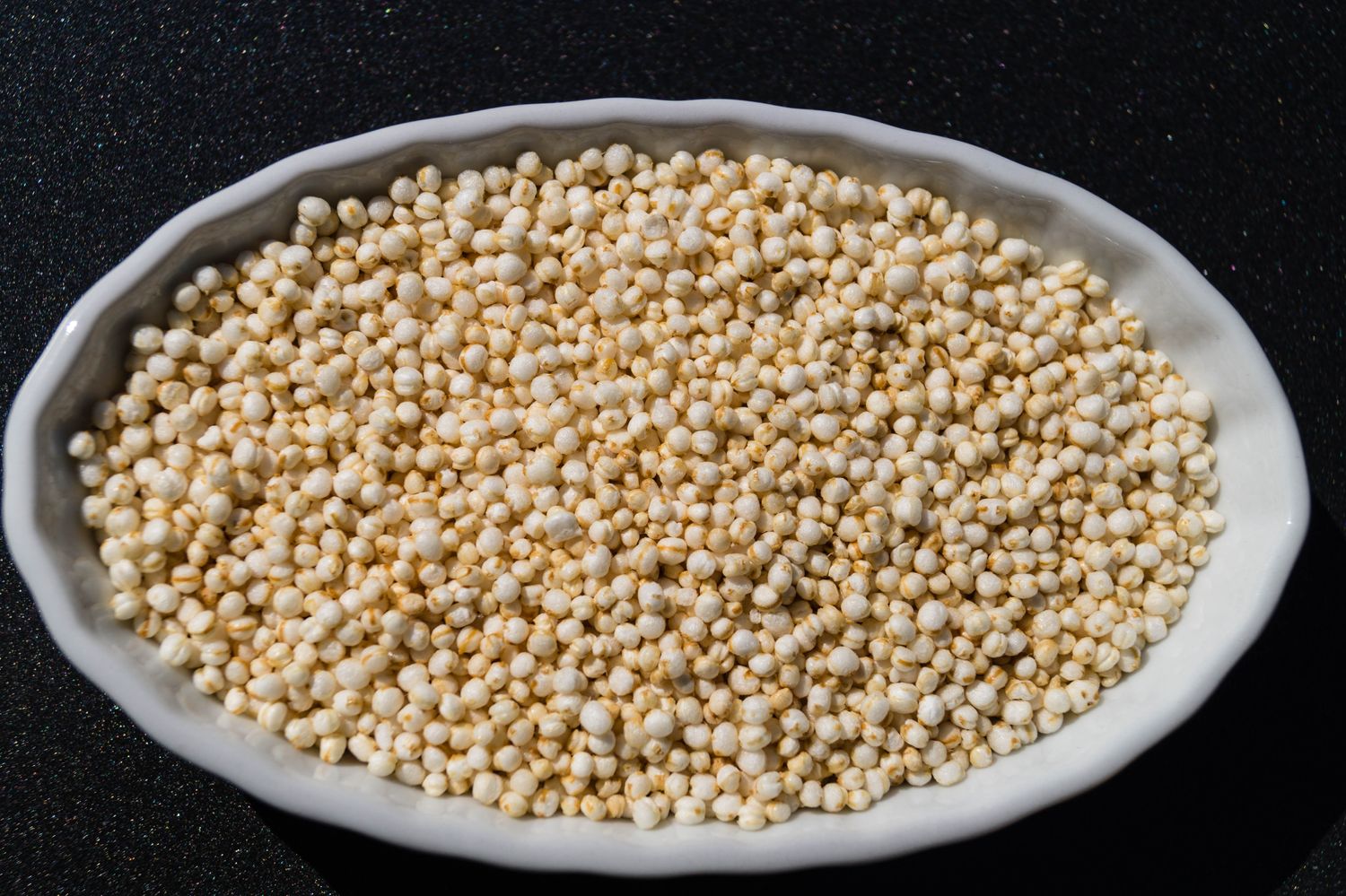
Millets and other grains have long been the foundation of diets around the world, providing essential nutrients and sustenance for centuries. Today, as our global food landscape continues to evolve, the debate over which grains are superior has gained momentum. From rice and wheat to quinoa and oats, there is no shortage of options when it comes to selecting grains for our meals. However, one group of grains that has recently surged in popularity is millets. These ancient grains, often hailed as superfoods, have captivated the attention of health enthusiasts and food scientists alike. Now, the question arises: should we embrace millets and replace our reliance on traditional grains?
To make an informed decision, it is essential to understand the nutritional profiles of both millets and other grains. While traditional options like rice and wheat offer familiar flavors and versatility, millets bring to the table a remarkable nutrient density. Packed with fiber, minerals, and antioxidants, millets offer a host of health benefits that go beyond basic nourishment. Their high protein content, particularly in comparison to rice, makes them an attractive choice for those seeking plant-based sources of this essential macronutrient.
Beyond their nutritional composition, millets also have the advantage of being environmentally sustainable. As climate change becomes an increasingly urgent concern, the agricultural industry is under pressure to find more sustainable practices. Here, millets shine. These hardy crops require minimal water and can thrive in a variety of adverse conditions, making them a more resilient and eco-friendly choice than water-intensive staples like rice. By adopting millets as a staple grain, one can contribute to greater sustainability and lessen the strain on our planet.
While millets may boast impressive nutritional and environmental benefits, it is crucial to consider their taste and versatility in the kitchen. Traditional grains such as rice and wheat have long been embedded in cultural cuisines worldwide, offering a comforting and familiar taste. However, millets bring their own unique flavor profiles to the table. From nutty to earthy, their varied taste profiles can add depth and complexity to your culinary creations. Additionally, as millets are available in several forms, such as whole grains, flour, and flakes, they can be used as a substitute for traditional grains in a myriad of recipes.
Ultimately, the choice between millets and other grains boils down to personal preferences and dietary needs. While some may opt to stick with familiar grains due to taste or cultural reasons, others may embrace the diversity and nutritional benefits that millets bring to the table. For those looking to enhance their health and environmental consciousness, incorporating millets into their diets can be a promising option. Nonetheless, it is essential to strike a balance, as a varied diet that includes a mix of grains is key to obtaining a broad spectrum of nutrients. So, the next time you find yourself standing in the grain aisle, take a moment to consider the potential of millets and how they might shape your culinary journey.
As the world population grows, the demand for food is increasing. Grains are becoming more important in our diet, and there is an ongoing debate about which grains are the best. In recent years, there has been a growing interest in millets as alternative grains to the more traditional grains. Here is an analysis of the different grains and why you might choose millets over other grains.
Nutritional Value
A significant factor in choosing grains is their nutritional value. Millets are known for their high protein, fiber, and mineral content, making them a nutritious alternative to more traditional grain staples such as wheat and rice. They are especially high in magnesium, which is known to improve heart health and blood sugar control. Additionally, millets are gluten-free, making them a good option for those with gluten sensitivities.
Dietary Preference
Another factor to consider is the dietary preferences of consumers. If you are a vegan or vegetarian, you may prefer millets to other grains because they are rich in protein. Millets can also be a good option for those following a ketogenic or low-carb diet as they have a low glycemic index, which means they do not cause spikes in blood sugar levels. In contrast, rice has a high glycemic index, which can cause blood sugar imbalances and insulin resistance over time.
Sustainability
Millet is widely regarded for its production benefits and is considered an excellent option for sustainable agriculture. The plants are low-input crops, which means they require little fertilization or pesticide application. They can grow in low water conditions and can survive extreme heat, making them adaptable to many different environments. By choosing millets over other grains, consumers are supporting environmentally friendly agriculture practices and helping to reduce greenhouse gas emissions.
Availability
One of the biggest drawbacks for many consumers when it comes to millets is their availability. Millets are often not as widely available in supermarkets as other grains such as rice and wheat. However, as their popularity grows, that is changing, and many health food stores and specialty shops now carry a range of millet-based products. Additionally, millets can be purchased online, making them accessible to a broader range of consumers.
Cooking Benefits
When looking at cooking benefits, millets can be a great option for those who want a grain that is easy to cook and versatile in different dishes. They can be boiled, steamed or even roasted. They can be used as a rice alternative, as a side dish, or as a porridge. They can be combined with lentils, vegetables, and spices to make flavorful dishes. Millets have a mild, nutty flavor, and can be substituted for rice or quinoa in most recipes.
Taste Preferences
When it comes to taste preferences, millets have a unique nutty flavor that some people prefer over other grains. However, some consumers may prefer the taste of other grains, depending on their palate. This can be a subjective preference and may depend on individual taste preferences, cultural cuisine, and personal experience.
Pricing
Finally, consumers may consider pricing when choosing between millets and other grains. Depending on the specific type of millet and the region in which it is purchased, millets can be more expensive than other grains such as rice or wheat. On the other hand, the high nutrient and fiber content make it a nutrient-dense option, meaning it can provide more value for money than other grains.
Conclusion
Millets can be a nutritious, sustainable, and versatile alternative to more traditional grains such as wheat and rice. However, their availability, taste preferences, and pricing may be subjective and may depend on individual preferences. Ultimately, the best grain for you will depend on your dietary preferences, taste buds, and budget.
Summary
Millets, ancient grains hailed as superfoods, are gaining popularity as an alternative to traditional grains. They are nutrient-dense, high in fiber, minerals, and antioxidants, making them a healthy option. Millets also have environmental advantages, requiring less water and thriving in adverse conditions compared to water-intensive grains like rice. However, taste and versatility should be considered when incorporating them into meals. Traditional grains offer familiar flavors, while millets add unique nutty or earthy tastes. Ultimately, the choice between millets and other grains depends on personal preference and dietary needs, but incorporating millets can enhance health and sustainability.
FAQ
What are millets and how do they differ from other grains?
Millets are a group of small-seeded grasses that have been cultivated for thousands of years. They come in various types, including pearl millet, finger millet, sorghum, and foxtail millet. Unlike traditional grains like wheat and rice, millets are highly nutritious and gluten-free. They are rich in fiber, vitamins, and minerals, making them a great choice for those with dietary restrictions or seeking healthier options. Millets also have a low glycemic index, which means they release energy slowly, making them suitable for people with diabetes.
How do millets compare to other grains in terms of health benefits?
When it comes to health benefits, millets often outperform other grains. They are high in antioxidants, which can help combat oxidative stress and protect against chronic diseases. Millets are also a good source of protein, offering a complete amino acid profile, including important nutrients like iron and magnesium. Additionally, millets are known to promote better digestion and gut health due to their high fiber content. Some studies have even suggested that including millets in your diet may help manage weight, reduce the risk of heart disease, and support overall well-being.
Are there any downsides to choosing millets over other grains?
While millets offer numerous health benefits, there are a few considerations to keep in mind. Millets tend to have a stronger flavor and texture compared to more familiar grains like rice or wheat. This might require some adjustment in terms of taste and cooking methods. Millets are also not as widely available in regular grocery stores, so you may need to visit specialty stores or purchase them online. As with any dietary change, it’s important to listen to your body and observe any possible allergic reactions or digestive issues that may occur when introducing millets.
How can I incorporate millets into my daily diet?
There are various ways to include millets in your meals. Millet grains can be cooked and used as a side dish, a replacement for rice or couscous, or even as an ingredient in salads, porridge, or pilafs. You can also find millet-based flours, which can be used for baking or making gluten-free bread, chapatis, and other baked goods. Experimenting with recipes and adding millets to your favorite dishes can help you discover new flavors and reap the nutritional benefits. It’s a good idea to start with small amounts and gradually increase your intake of millets to allow your body to adjust to the change in diet.