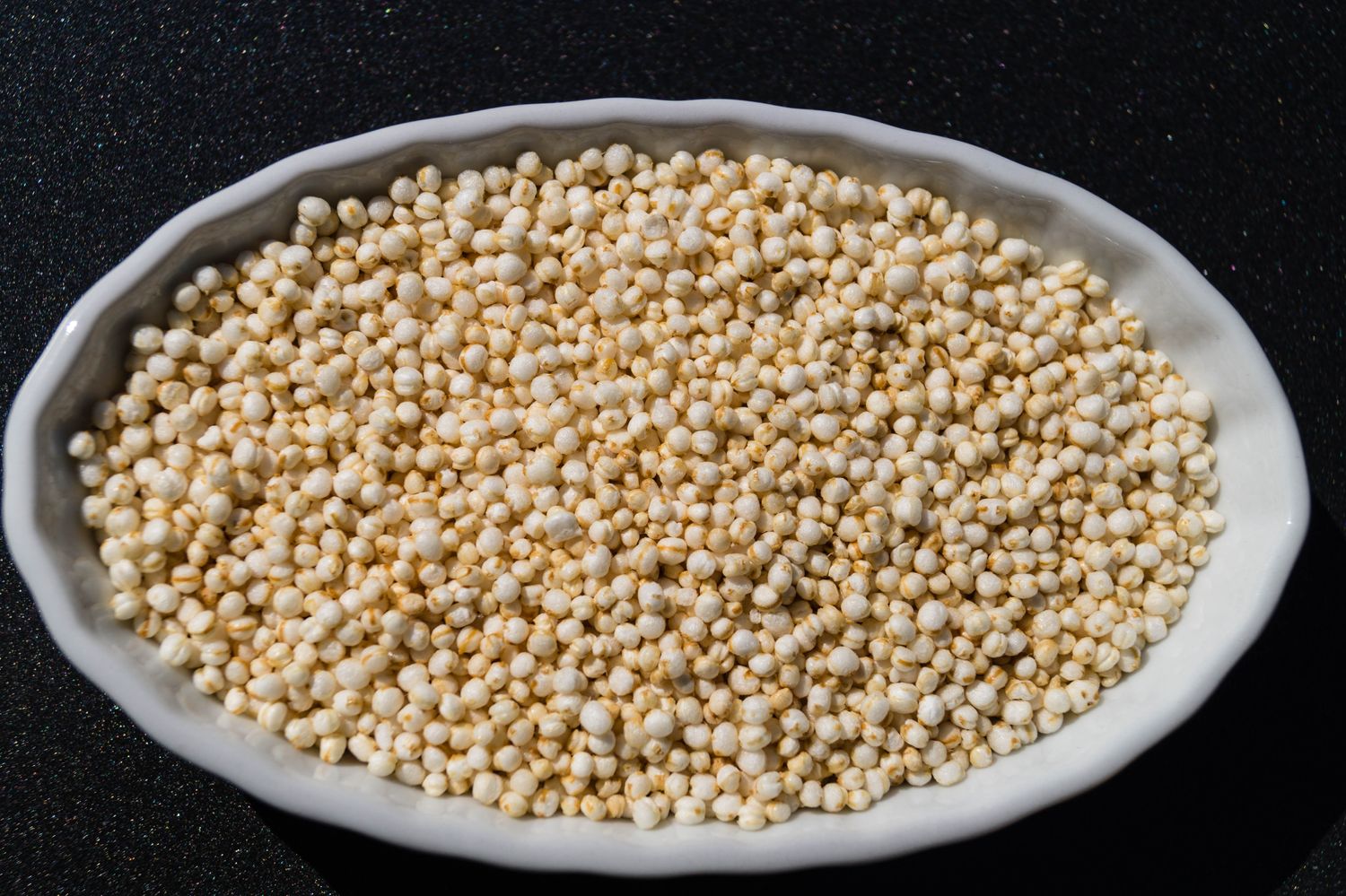
The quest for healthier eating is never-ending, as we constantly seek out the latest superfood to grace our plates. And nestled within this whirlwind of nutritional exploration lies a true gem — millets. These tiny grains, often overlooked amidst the frenzy for quinoa or chia seeds, boast an array of surprising health benefits that will undoubtedly leave you astounded. So, if you’re ready to discover the wonders of these humble grains, join us on a delightful journey through the top five unexpected perks of incorporating millets into your diet.
Picture this: a piping hot bowl of millet porridge, its comforting aroma wafting through the air as you slowly savor each spoonful. Little did you know that this hearty breakfast could aid in weight management! Yes, you heard right. Millets are high in dietary fiber, which not only keeps you feeling fuller for longer but also help regulate blood sugar levels. Such an effortless way to achieve your weight loss goals, isn’t it? So, bid farewell to those frustrating fad diets and embrace the satiating powers of millets.
But it doesn’t stop there. The wonders of millets extend to your heart health too. These grains are packed with an impressive lineup of nutrients that work together to promote cardiovascular well-being. Rich in magnesium and potassium, millets help regulate blood pressure levels, reducing the risk of hypertension and heart disease. So, forget those love-hate relationships with the treadmill and embrace the heart-loving effects of millets instead.
Think bone health is solely reliant on endless cartons of milk? Think again. Millets, with their abundant reserves of calcium and phosphorus, prove to be a fortifying ally for your precious skeletal framework. These minerals work hand in hand to strengthen bones and prevent age-related ailments like osteoporosis. A delicious and nutritious alternative to popping supplement pills, don’t you agree?
Ladies, rejoice! Millets have something special in store for us too. As we navigate through those dreaded days of the month, millets can provide some much-needed relief. These grains contain lignans, which possess estrogenic properties that can help alleviate menstrual cramps and discomfort. Finally, a natural solution to help us conquer those monthly battles!
Perhaps one of the most intriguing aspects of millets is their ability to bolster your cognitive prowess. Packed with B vitamins such as niacin and thiamine, millets contribute to the production of neurotransmitters — the messengers of our brain. By nourishing your brain cells, these grains help foster optimal neurological function, enhancing memory, concentration, and overall mental sharpness. A simple ingredient that can boost brainpower? Count us in!
Now that we’ve uncovered some of the remarkable health benefits of millets, it’s time to seize the day and embrace these minuscule nutritional powerhouses. From weight management and heart health to bone strength and female well-being, these unassuming grains hold the key to a healthier, more vibrant you. So, swap out the overhyped superfoods for a simple bowl of millets and watch your body flourish with newfound vitality. It’s time to embark on this delectable journey towards optimal health. Are you ready?
1. Excellent Source of Nutrients
Millets, such as foxtail millet, pearl millet, and finger millet, are incredibly nutritious grains that provide a wide range of essential nutrients. These tiny grains are packed with protein, dietary fiber, vitamins, and minerals like iron, magnesium, and calcium. Millets are particularly rich in antioxidants, which help protect the body against harmful free radicals. Regularly including millets in your diet can support overall health and provide the necessary nutrients for optimal bodily functions.
Furthermore, millets are gluten-free, making them an excellent alternative for those with gluten intolerance or celiac disease. They offer a great source of energy and are low in fat, making them suitable for weight management and maintaining a balanced diet. By incorporating millets into your meals, you can ensure that you are getting a healthy dose of essential nutrients.
2. Promotes Heart Health
Consuming millets as part of a balanced diet has been linked to improved heart health. These grains are rich in dietary fiber, which aids in lowering cholesterol levels in the body. High cholesterol is a significant risk factor for heart disease, but by incorporating millets into your diet, you can effectively reduce cholesterol levels and maintain a healthy heart.
Moreover, millets contain essential nutrients like magnesium, which has been associated with a lower risk of heart disease. Magnesium helps relax blood vessels, thus reducing blood pressure levels. By selecting millets as a dietary staple, you are taking a significant step towards promoting optimal heart health and reducing the risk of cardiovascular diseases.
3. Supports Digestive Health
One of the remarkable health benefits of consuming millets is its positive impact on digestive health. Millets are rich in dietary fiber, which aids in digestion and prevents conditions like constipation. The fiber content helps regulate bowel movements, promoting a healthy digestive system.
Additionally, millets contain prebiotics that support the growth of beneficial gut bacteria. These bacteria contribute to a healthy gut microbiome, which plays a crucial role in digestion, nutrient absorption, and immune function. Including millets in your diet can help maintain a healthy digestive system and promote overall gut health.
4. May Aid in Diabetes Management
Research suggests that incorporating millets into a diabetic diet plan could be beneficial for managing blood sugar levels. Millets have a lower glycemic index compared to other staple grains, meaning they cause a slower and more gradual increase in blood sugar levels after consumption.
The high fiber content in millets also contributes to better blood sugar control. Fiber slows down the absorption of glucose, preventing sudden spikes in blood sugar levels. By consuming millets as part of a balanced diabetic-friendly diet, individuals with diabetes may have more control over their blood sugar levels and experience improved glycemic management.
5. Provides Energy and Boosts Immunity
Millets are an excellent source of complex carbohydrates, which provide sustained energy throughout the day. The slow release of energy from millets aids in maintaining stable blood sugar levels, preventing energy crashes commonly associated with consuming simple carbohydrates.
Furthermore, millets contain important vitamins and minerals that play a crucial role in supporting immune function. These grains are rich in antioxidants, which help neutralize harmful free radicals and strengthen the body’s defense against infections and diseases. By including millets in your diet, you can boost your immune system and enhance overall vitality.
Summary
Millets, often overshadowed by popular superfoods like quinoa, offer surprising health benefits. High in dietary fiber, they aid in weight management and regulate blood sugar levels. Millets also promote cardiovascular well-being by regulating blood pressure. They are a good source of calcium and phosphorus, making them beneficial for bone health. Millets contain lignans, which can alleviate menstrual cramps. Additionally, they contribute to optimal neurological function, enhancing memory and concentration. By incorporating millets into your diet, you can achieve a healthier and more vibrant lifestyle.
FAQ
What are millets, and why are they considered beneficial for health?
Millets are a group of versatile cereal grains, primarily grown in semiarid regions of the world. They have gained popularity due to their impressive nutritional profile and numerous health benefits. Millets are naturally gluten-free, making them a great alternative for individuals with gluten sensitivity or celiac disease. These grains are rich in fiber, vitamins, minerals, and antioxidants, supporting overall health and wellbeing. The consumption of millets has been linked to improved digestion, reduced risk of chronic diseases such as diabetes and heart disease, and enhanced weight management.
How can millets contribute to better digestion and gut health?
Millets are known to possess prebiotic properties, meaning they promote the growth of beneficial gut bacteria. They contain resistant starch, a type of fiber that resists digestion in the small intestine and reaches the colon intact. Once in the colon, resistant starch acts as food for probiotics, the good bacteria in our gut. This fermentation process helps in producing short-chain fatty acids, which nourish the cells lining the colon and contribute to a healthy gut environment. Additionally, the high fiber content in millets supports regular bowel movements and prevents constipation, ultimately improving digestion and gut health.
Can consuming millets help with weight management?
Yes, millets can be an excellent addition to a weight management diet. These grains have a relatively low glycemic index, meaning they release glucose into the bloodstream at a slower pace. This characteristic helps in maintaining stable blood sugar levels and prevents sudden spikes. The high fiber content in millets provides a feeling of fullness and reduces hunger cravings, thus aiding portion control and preventing overeating. Furthermore, millets are packed with essential nutrients, offering a satisfying and balanced diet while limiting calorie intake. Regular consumption of millets combined with a healthy lifestyle, including physical activity, can contribute to gradual and sustainable weight loss.
How can millets support heart health?
Millets have been associated with several heart-healthy benefits. Firstly, these grains are rich in magnesium, which plays a crucial role in maintaining normal heart rhythm and blood pressure. Consuming an adequate amount of magnesium can help reduce the risk of cardiovascular diseases. Additionally, millets contain plant compounds like phytochemicals and antioxidants known to have a positive impact on heart health. The fiber-rich nature of millets aids in reducing cholesterol levels, particularly LDL or “bad” cholesterol, while promoting the increase of HDL or “good” cholesterol. This positive effect on blood lipid profile can help prevent plaque buildup in arteries and reduce the risk of heart attacks and strokes.