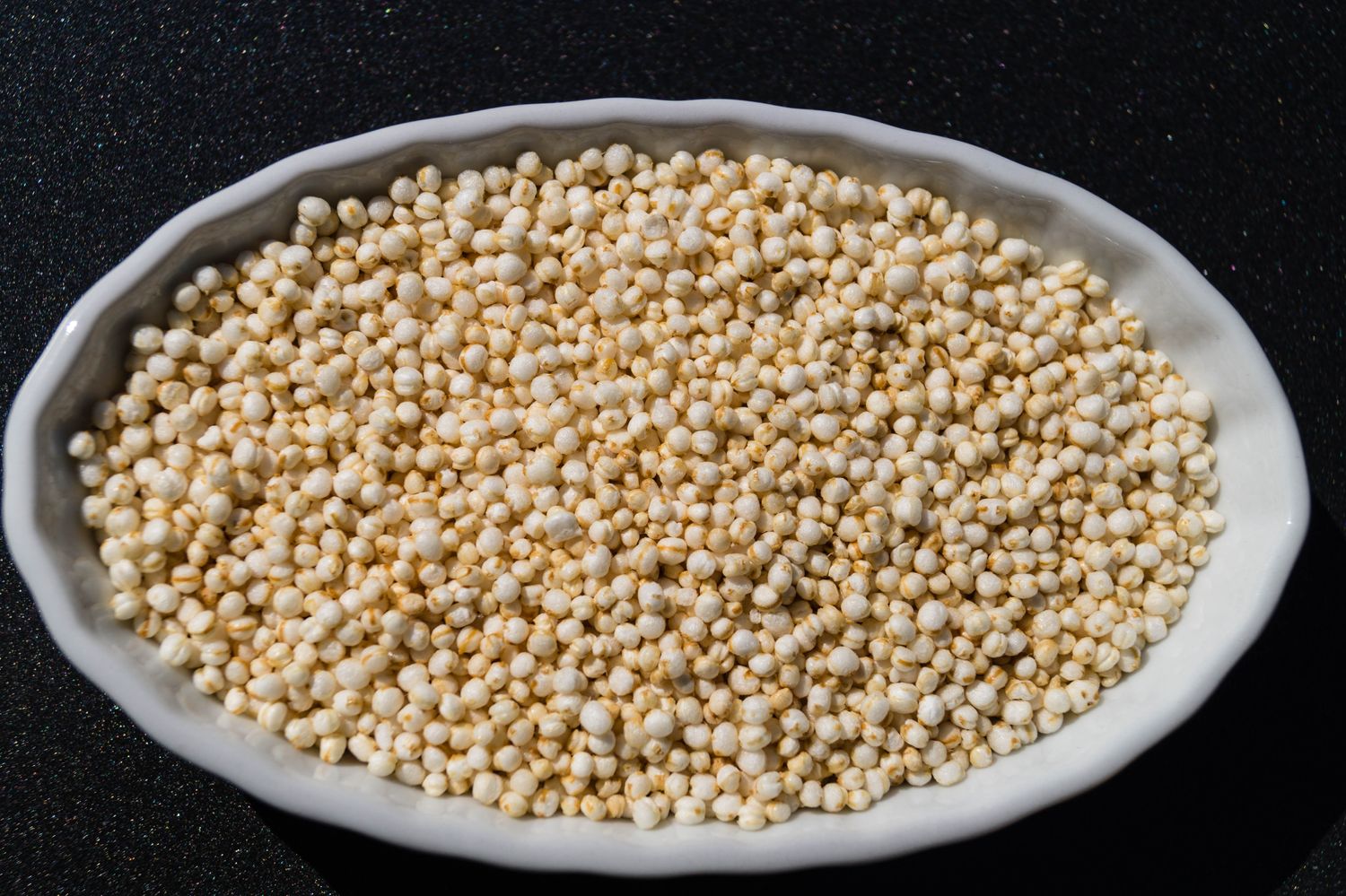

Millets have been around for thousands of years and are one of the oldest cultivated grains in the world. Originating in Africa, millet has been a staple food for many civilizations throughout history. Interestingly, while they never gained much popularity in the western world, millets have been a source of sustenance for a myriad of cultures in Asia and Africa since ancient times.
Although previously relegated to animal feed, millets are now starting to gain popularity as a superfood, thanks to their impressive nutritional value. In fact, it is no secret that millets are one of the healthiest grains on the planet. With a high fiber content and a low glycemic index, they aid in weight loss, control blood sugar, and help prevent chronic diseases.
But despite their many benefits, millets have been overlooked for far too long. As a result, they are slowly disappearing from our diets, replaced by other, less nutritious grains. However, the good news is that the tide seems to be turning, with more and more people realizing the crucial role that millets can play in our diets.
Additionally, millet is gluten-free, which makes it an excellent alternative for people with celiac disease or gluten intolerance. Its benefits go beyond dietary needs, including crop rotation, environmental conservation, and biodiversity preservation. It grows in almost any climate and soil type, making it a relatively low-risk crop and an ideal crop for small farmers.
Overall, the ancient grain’s vital role in feeding humans and livestock throughout history, combined with its fantastic dietary and environmental benefits, demonstrate the importance of incorporating millets into our diets today. In the following paragraphs, we will delve deeper into the history, types, and nutritional value of this ancient and beloved superfood that has long sustained human civilization.
Introduction
Millets have been consumed in India for centuries, and their popularity is increasing globally due to their many health benefits. They are packed with essential nutrients, easy to cook, and environmentally friendly. In this article, we will dive into the rich history of millets and the significance they hold in our diets.
Early origins of millets
Millets were cultivated in several parts of the world, from China to Africa, for over 7000 years. According to archeological studies, it is believed that millets were the first cereal grains that humans consumed. Millets were one of the primary staples in India before the arrival of rice and wheat. Millets such as sorghum, foxtail, finger millets, pearl millets, and barnyard millets were cultivated in India for thousands of years.
Decline in millets consumption
The Green Revolution marked the beginning of the decline of millets in the Indian subcontinent. The use of synthetic fertilizers and hybrid seeds helped boost the productivity of wheat and rice crops, which gradually replaced millets. Also, a perception that millets were only for the poor and lacked status began to emerge.
Modern resurgence of millets
Millets are now making a comeback due to their various health benefits. Millets are free from gluten and contain high amounts of dietary fiber, antioxidants, and essential minerals. Due to their low glycemic index, they are also suitable for people with diabetes, and their satiating ability helps in weight management.
Importance of millets in our diet
Millets are an excellent source of protein and micronutrients, making them a vital part of a healthy diet. The consumption of millets helps in maintaining excellent heart health, preventing cancer, and boosting immunity due to their high antioxidant properties.
Culinary uses of millets
Millets have various culinary uses from baking bread to preparing savory dishes for breakfast, lunch, and dinner. Millets can be cooked in many ways, such as boiling, roasting, or fermenting. Millets also have a distinct flavor and texture, which can be used to add diversity to meals.
Availability of millets
Millets are now readily available in many supermarkets and online stores, making it easy to include them in our diets. Many farming communities in India are promoting the cultivation of millets, which is also helping to improve their economy.
Conclusion
Millets have come a long way since their early origins, and their importance in our diets cannot be overstated. Their high nutrient profile makes them an excellent choice for anyone looking to improve their overall health. With their easy accessibility these days, it’s easier to switch from white rice to millets in our daily meals.
Summary
Millets, one of the oldest cultivated grains in the world, have been a staple food for many civilizations throughout history, particularly in Asia and Africa. They are now gaining popularity as a superfood due to their impressive nutritional value, including high fiber content and a low glycemic index, which help with weight loss, blood sugar control, and disease prevention. Millet is also gluten-free, making it an excellent alternative for people with celiac disease or gluten intolerance. In addition to its dietary benefits, millet is ideal for crop rotation, environmental conservation, and biodiversity preservation, making it an essential crop for small farmers.
FAQ
What are millets and what is their history?
Millets are a group of small-seeded grasses that have been cultivated for thousands of years. They were some of the earliest crops domesticated by humans and have been important in many traditional agricultural systems. Millets are also known for their resilience to drought and other environmental stresses, making them ideal for cultivation in many regions where other crops may struggle. There are many different types of millets, including pearl millet, finger millet, foxtail millet, and proso millet.
Why are millets important in our diets?
Millets are highly nutritious, being rich in a variety of vitamins and minerals, as well as dietary fiber and protein. They are also gluten-free, making them a good option for people with celiac disease or gluten intolerance. In many regions of the world, millets are a staple food item, and they have recently gained popularity as a health food in many Western countries. Incorporating millets into our diets can also have environmental benefits, as millets require less water and fewer resources to grow than many other crops.
How have millets been used in traditional cuisines?
Millets have been used in a wide range of traditional cuisines all over the world. In India, for example, ragi (finger millet) is used to make a variety of dishes, including porridges, flatbreads, and cakes. In Africa, pearl millet is often used to make a porridge known as “pap”, which is a staple food in many parts of the continent. In many regions of the world, millets have also been used to make alcoholic beverages. In addition to these traditional uses, millets can be used in modern cooking in a variety of ways, such as in salads, soups, and stews.
Why did the popularity of millets decline in modern times?
With the rise of industrial agriculture and the global food industry in the 20th century, many traditional food crops, including millets, began to fall out of favor. This was due in part to the fact that millets are more difficult to process and transport than larger, more mechanized crops like wheat and corn. Additionally, as diets became more modernized, many people began to favor processed and refined foods over whole, minimally processed grains like millets. However, in recent years there has been a renewed interest in millets as people look for more sustainable and nutritious food options.