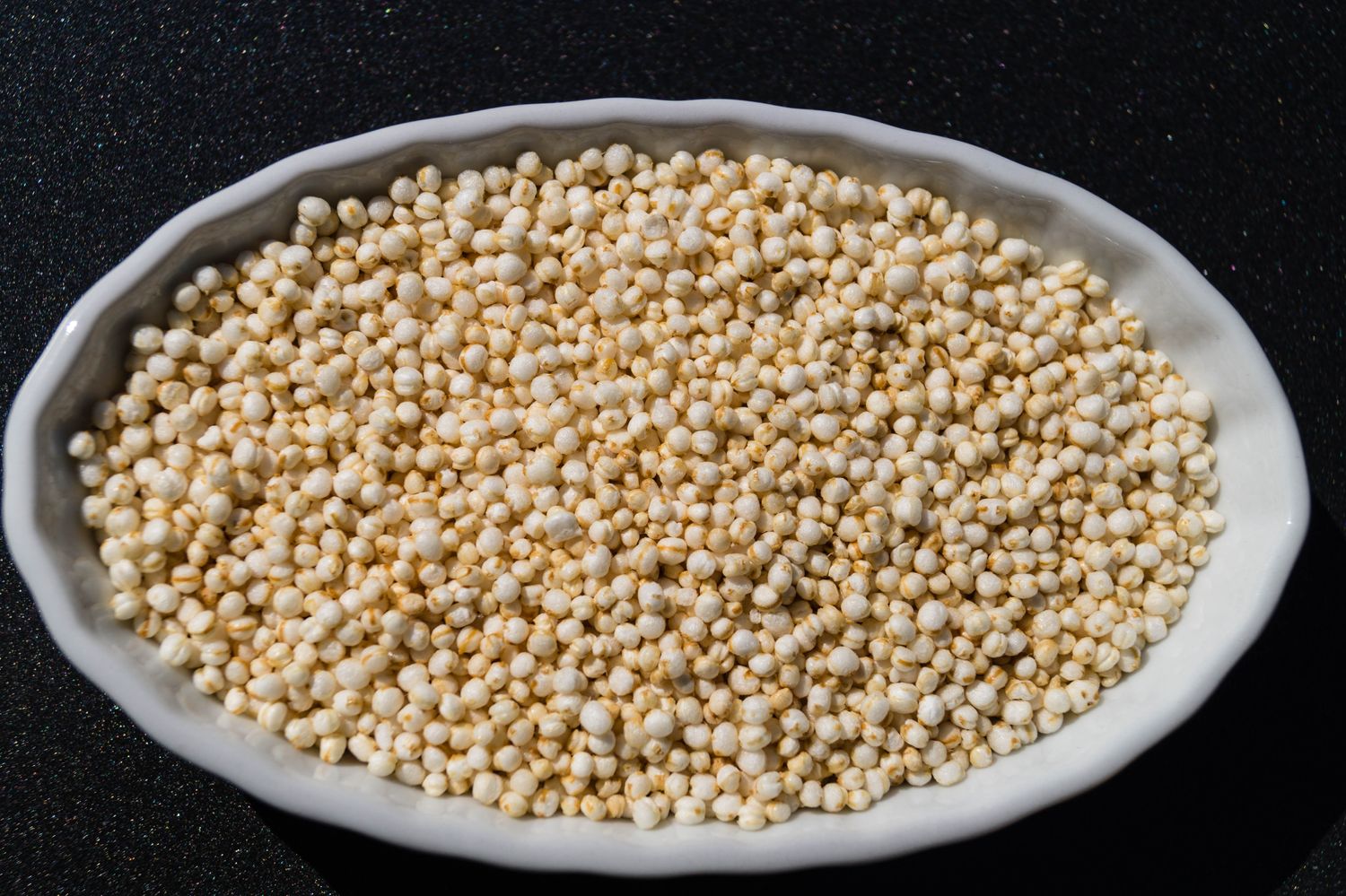
Millets have been around since ancient times in India and Africa. These small-seeded grasses were a staple food for humans and animals alike for centuries. They are nutritious, gluten-free, and easy to grow, making them an ideal crop for drylands. However, due to urbanization and modern agricultural practices, millets lost their popularity and were replaced by wheat, rice, and corn. But now, they are making a comeback as a superfood, thanks to their exceptional health benefits.
If you think of millets as the forgotten superfood, you are not alone. Despite being gluten-free and packed with nutrients, millets have been ignored for a long time. However, if you are looking for an environmentally friendly and healthy alternative to wheat, rice or corn, millets are definitely worth considering. What’s more, they are versatile in the kitchen and can be used in various forms such as flour, flakes, or whole grains.
Sometimes it’s necessary to look to the past to move forward, and millets are living proof of this statement. These ancient grains have been successfully cultivated for over 10,000 years and offer many health benefits such as managing diabetes, reducing inflammation, and improving overall digestion. It’s not surprising that they are getting attention from nutritionists and food enthusiasts alike for their unmatched nutritional value.
While millets may be a new addition to your pantry, they have a long and rich history. They were originally cultivated in Africa and then spread to India, where they become a staple food. Millets come in many varieties, including pearl, foxtail, finger, proso, and barnyard, each with its unique texture and taste. They are not only nutritious but also relatively low-cost, making them an accessible option for everyone.
Living a healthy lifestyle doesn’t mean you have to compromise on taste or variety. Millets are versatile and can be used in many dishes, from breakfast to dinner, and can be used in sweet or savory dishes. These ancient grains have a nutty flavor and a chewy texture that will satisfy your taste buds and keep you full. You can use them in salads, soups, stews or even make your bread.
If you are interested in natural remedies or eco-friendly lifestyle, millets could be a fantastic addition to your life. They are not only good for your health and the planet, but they also have a fascinating history. While they may not be the most popular grain, they are an excellent alternative to wheat, rice, or corn. So go ahead, try some millet recipes, and take your first step towards living a healthy and sustainable life.
Millets have been gaining popularity in recent years for their nutritional value and versatility. These ancient grains are not only gluten-free but also packed with nutrients such as fiber, protein, and essential vitamins and minerals. From baked goods to breakfast bowls, millets can be used in a variety of recipes, making them a staple in many cuisines around the world.
In this beginner’s guide, we will explore what millets are, their health benefits, the different types available, how to cook them and where to find them. If you’re looking to add more whole grains to your diet, or simply curious about these versatile grains, read on!
What are millets?
Millets are a group of small-seeded grasses that have been cultivated for thousands of years. They are believed to have originated in Africa and Asia, and have been a staple food in many cultures for centuries. There are many different types of millets, each with their unique taste and texture. Some of the most popular millets include pearl millet, foxtail millet, finger millet, and sorghum.
What are the health benefits of millets?
Millets are an excellent source of complex carbohydrates, which provide sustained energy throughout the day. They are also rich in dietary fiber, which promotes digestion and helps maintain healthy blood sugar levels. Additionally, millets are a good source of protein, B vitamins, and minerals such as iron, magnesium, and zinc.
What types of millets are available?
There are several types of millets available, each with its unique nutritional profile and texture. Pearl millet, for example, is the most widely consumed millet in India and is known for its nutty flavor and fluffy texture. Finger millet, also known as ragi, is a popular grain in South India that is known for its high calcium content. Foxtail millet is another type of millet that is gluten-free and has a slightly sweet taste.
How do you cook millets?
Cooking millets is simple and similar to cooking rice. To cook millets, simply rinse them thoroughly in water and then add them to a pot with the appropriate amount of water or broth. Bring the mixture to a boil, then reduce the heat to low and cover the pot. Cook for 15-20 minutes, or until the millets are tender and all the liquid has been absorbed.
Where can you find millets?
Millets can be found in most health food stores or supermarkets that carry whole grains. They are also widely available online through retailers like Amazon, Bob’s Red Mill, and Thrive Market. Additionally, many specialty food stores and ethnic markets may also carry a wide variety of millets.
How can you use millets in recipes?
Millets can be used in a variety of recipes, including porridges, salads, soups, and stews. They can also be ground into flour and used in baked goods, such as bread, muffins, and pancakes. Adding millets to your diet is an easy way to boost the nutritional value of your meals while adding a delicious, nutty flavor and unique texture.
What are some tips for cooking with millets?
When cooking with millets, it’s important to use the appropriate cooking method based on the type of millet you are using. Some millets, like pearl millet, require more water to cook than others, while some, like foxtail millet, require less. Additionally, soaking millets before cooking can help reduce cooking time and improve their digestibility. Finally, be creative with your recipes! Millets can be used in place of rice or other grains in most recipes, making them a versatile and delicious addition to any meal.
Summary
Millets are an ancient, nutritious, gluten-free grain that were a staple food in India and Africa for thousands of years, but were replaced by wheat, rice, and corn due to modern agricultural practices. Now, millets are making a comeback as a superfood. They are versatile in the kitchen and can be used in various forms, such as flour, flakes, or whole grains. Millets offer many health benefits such as managing diabetes, reducing inflammation, and improving overall digestion. Millets have a nutty flavor and a chewy texture and can be used in sweet or savory dishes. They are an excellent alternative to wheat, rice, or corn, as they are accessible, low-cost, and environmentally friendly.
FAQ
What are millets and why are they considered ancient grains?
Millets are a group of small-seeded grasses that have been cultivated for thousands of years in various parts of the world. They are considered ancient grains because they have been used as staple foods since ancient times, dating back to the Neolithic era. Today, millets are still widely consumed in many parts of Asia and Africa.
Millets are highly nutritious and are packed with vitamins, minerals, and fiber. They are also gluten-free, making them a great alternative for people who are sensitive to gluten. Millets are versatile and can be cooked in a variety of ways, from being used as a base for porridges, to being cooked like rice or quinoa.
Are all millets the same, or are there different types of millets available?
There are several types of millets available, each with its own unique nutritional profile and flavor. Some of the most common types of millets include finger millet, pearl millet, foxtail millet, proso millet, and barnyard millet. Each type of millet has different nutritional benefits, such as being high in protein, fiber, or iron.
When choosing millets to cook with, it’s important to consider what type of dish you’re making, as each type of millet has a different texture and taste. For example, finger millet is often used to make porridges, while pearl millet is commonly used to make flatbreads.
How do you cook millets and what are some popular millet recipes?
Millets can be cooked in several ways, depending on the type of millet and the dish you’re making. Some popular millet recipes include millet porridge, millet dosa, millet salad, and millet risotto.
To cook millets, rinse them thoroughly in cold water, then add them to a pot with the appropriate amount of water or broth. Bring the liquid to a boil, then reduce the heat to low and cover the pot. Allow the millets to simmer for 15-25 minutes, or until they are tender and the liquid has been absorbed.
What are the health benefits of including millets in your diet?
Millets are highly nutritious and offer several health benefits. They are an excellent source of fiber, which can promote digestive health and help regulate blood sugar levels. Millets are also high in protein and iron, two important nutrients that are essential for maintaining a healthy body.
In addition, millets are gluten-free, making them a great alternative for people with celiac disease or gluten intolerance. They are also low in fat and calories, making them a great food option for people who are trying to lose weight. Overall, including millets in your diet can help you stay healthy and feel great.