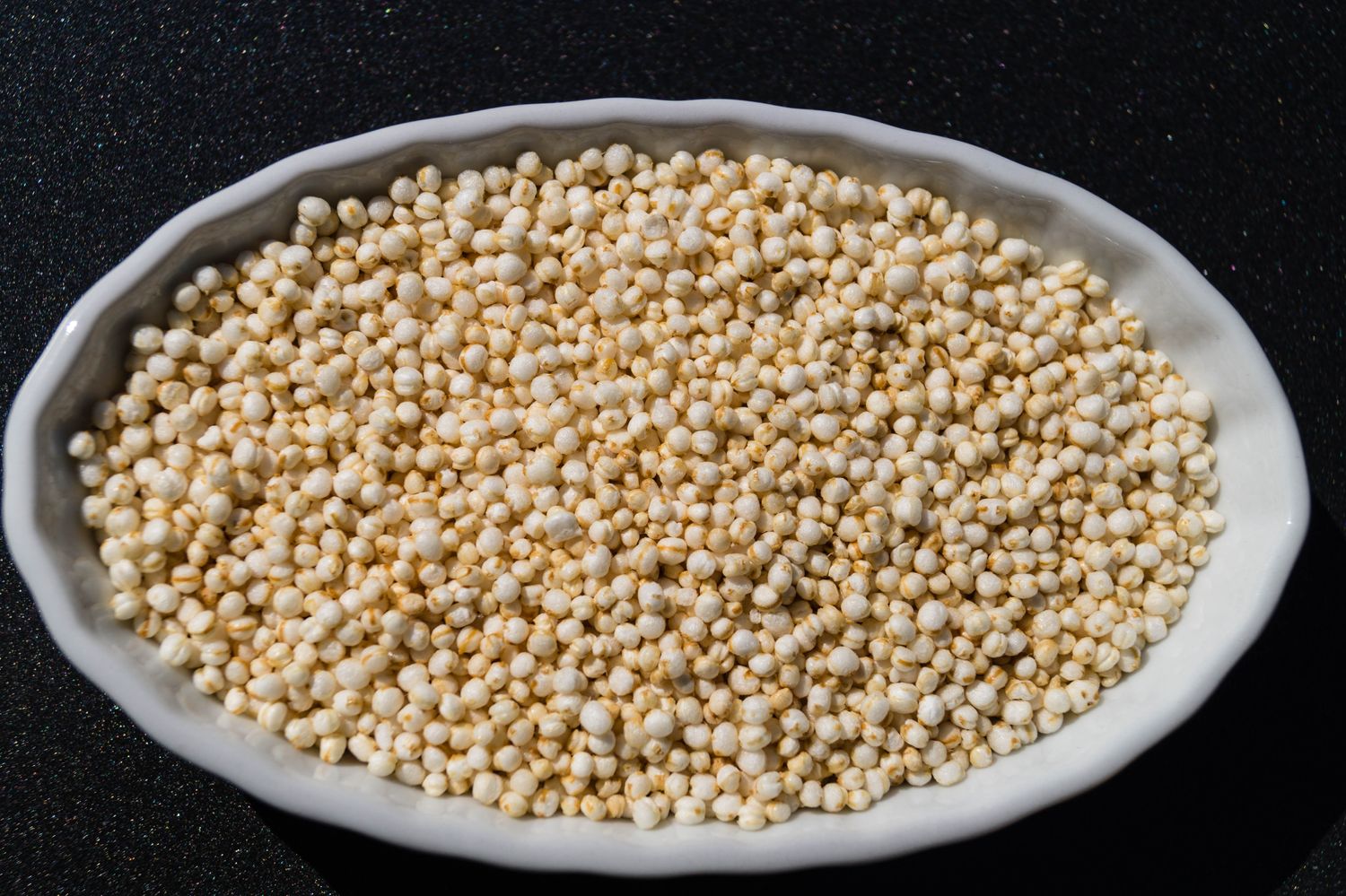
Millet is often referred to as a superfood by nutrition experts because of its immense health benefits. Millets are a rich source of vitamins, minerals, and dietary fiber. Additionally, millets are gluten-free, low in glycemic index, and high in protein. All these factors have made millets a popular ingredient in the diet of health-conscious people across the world. However, despite knowing the benefits of millets, many people struggle to cook them and often end up with a poorly-cooked and tasteless dish. In this article, we will discuss how to cook millets for optimal nutrition so that you not only get the health benefits but also savour a delicious meal.
When it comes to cooking millets, the first thing to keep in mind is their unique texture. Unlike rice, millets have a more grainy and coarse texture. You should soak millets for at least half an hour before cooking them. This not only improves the texture of millets but also helps in the digestion of complex carbohydrates. One mistake that people often make is overcooking millets, which makes them tasteless and mushy. Millets should be cooked until they are just tender and retain their shape. To achieve this, you should cook millets on low to medium heat and avoid stirring them too often.
Another important thing to consider while cooking millets is the water-to-millet ratio. The ideal ratio should be between 2:1 to 3:1, depending on the type of millet. If you are using whole millets, you may need to add more water than if you are using broken millets. The water should be added gradually and stirred in, allowing the millets to absorb it. If you are using a pressure cooker, you may need to adjust the amount of water, as the pressure cooker tends to release steam, which can reduce the moisture content.
Apart from the water-to-millet ratio, seasoning is also essential to enhance the taste and nutritional value of millets. You can use a variety of spices and herbs to add flavor to millets, such as cumin, coriander, turmeric, and cinnamon. Adding vegetables like carrots, peas, and onions can not only add taste and nutrition but also make the dish more colorful and appealing. If you like a creamy texture, you can also add coconut milk or almond milk. However, be mindful of the quantity to avoid oversweetening the dish.
Finally, the cooking method you choose can also affect the nutritional value of millets. Boiling, pressure cooking, or steaming are preferred over frying or roasting, as the latter methods can reduce the nutrient content. By boiling or pressure cooking millets, you can retain their nutritional value and get the maximum benefits. Also, you can experiment with different cooking methods to find what works best for you and your taste buds.
In conclusion, millets are a fantastic addition to any diet, and if cooked correctly, they can provide optimal nutrition and exquisite taste. Remember to soak the millets before cooking, keep the water-to-millet ratio between 2:1 to 3:1, season the millets with herbs and spices, add vegetables, and choose the cooking method according to your preferences. By following these simple tips, you can cook millets with ease and enjoy a healthy and delicious meal.
Introduction
Millets have been a part of traditional diets in many countries for centuries. These small-seeded grains are packed with nutrients and can be cooked in a variety of ways. In this article, we will discuss how to cook millets for optimal nutrition so that you can reap the health benefits of these grains.
Choosing the right type of millet
There are several types of millets available in the market such as finger millet, foxtail millet, pearl millet, and sorghum. Each millet has a unique nutritional profile and cooking time. Choosing the right type of millet for your recipe is important to ensure that you get the maximum nutrition from it.
Soaking millets before cooking
Soaking millets before cooking is important to remove the antinutrients present in them. Antinutrients are substances that interfere with the absorption of nutrients in your body. Soaking millets for a few hours can help to reduce the level of antinutrients and make the nutrients more bioavailable.
Ratio of millets and water
The ratio of millets and water for cooking depends on the type of millet you are using. Generally, the ratio is 1:2 or 1:3, which means one cup of millets requires two or three cups of water for cooking. However, some millets might require less or more water. It is important to read the instructions on the packaging before cooking.
Cooking millets on a stovetop
One of the easiest ways to cook millets is on a stovetop. Rinse the millets thoroughly and soak them for a few hours if required. Add the millets and water to a pot and bring it to a boil. Reduce the heat, cover the pot, and let it simmer for the recommended time. Once the millets are cooked, fluff them with a fork and let them rest for a few minutes before serving.
Cooking millets in a pressure cooker
Cooking millets in a pressure cooker can save time and energy. Rinse the millets and add them to the pressure cooker along with the required amount of water. Close the lid and cook for the recommended time. Once the pressure has released, open the lid and fluff the millets with a fork before serving.
Adding flavor to millets
Millets have a mild flavor, which makes them a versatile ingredient in many dishes. You can add herbs, spices, and vegetables to enhance the flavor of millets. You can also cook millets in vegetable or chicken broth instead of water to add more depth of flavor.
Conclusion
Cooking millets for optimal nutrition is easy and can be done in various ways. By choosing the right type of millet, soaking them before cooking, and using the correct ratio of millets and water, you can ensure that you get the maximum health benefits from these grains. So go ahead and experiment with millets to add a nutritious and delicious twist to your meals.
Summary
Millet is a superfood with immense health benefits, being rich in vitamins, minerals, and dietary fiber, as well as being gluten-free, low in glycemic index, and high in protein. The unique texture of millets should be considered when cooking, and they should be soaked for at least half an hour to improve their texture and aid digestion. Millets should be cooked on low to medium heat and not overcooked to avoid it becoming tasteless and mushy. The ideal water-to-millet ratio should be between 2:1 to 3:1, and seasoning is essential to enhancing the taste and nutritional value of millets. Finally, boiling, pressure cooking, or steaming are preferred over frying or roasting.
FAQ
Why should I cook millets for optimal nutrition
Millets is known for its high fiber and protein content, as well as being gluten-free, and is considered a healthier alternative to refined grains. By cooking millets in a healthy and nutritious way, you can maximize their nutritional value and reap many health benefits. Millets are also a good source of vitamins and minerals, such as magnesium, copper, and iron, which may help lower the risk of heart disease, improve digestion, and boost immunity.
What are the best cooking methods for millets?
Millets are an incredibly versatile grain that can be cooked in various ways, including boiling, steaming, and roasting. One of the easiest ways to cook millets is to boil it in a ratio of 1:2 to 1:3 with water or vegetable broth. You can also use a pressure cooker to cook millets, which reduces cooking time and helps retain its nutrients. Another healthy method is to soak the millets overnight before cooking to reduce cooking time and make them more digestible.
Are there any nutritional benefits I can obtain by combining millets with other foods?
Combining millets with other whole grains, legumes, or vegetables can increase their nutritional value and provide a complete source of protein. For example, mixing millets with lentils, beans, or peas can provide all nine essential amino acids that our body needs. Adding vegetables, such as spinach, kale, or tomatoes, to your millet dishes can also provide an abundance of vitamins and minerals, such as vitamin K, vitamin C, and beta-carotene.
Are there any tips to make the millet dish tastier?
Millets can often have a bland taste and texture, which can be improved by adding spices, herbs, or nuts. Incorporating spices like cumin, coriander, chili powder, or turmeric can add flavor and aroma to your millet dishes. You can also experiment with adding fresh herbs like basil or cilantro, or roasted nuts like almonds or cashews to add more depth and texture to your meal. Finally, you can also try using vegetable broths or coconut milk instead of water to enhance the flavor of your millet dishes.