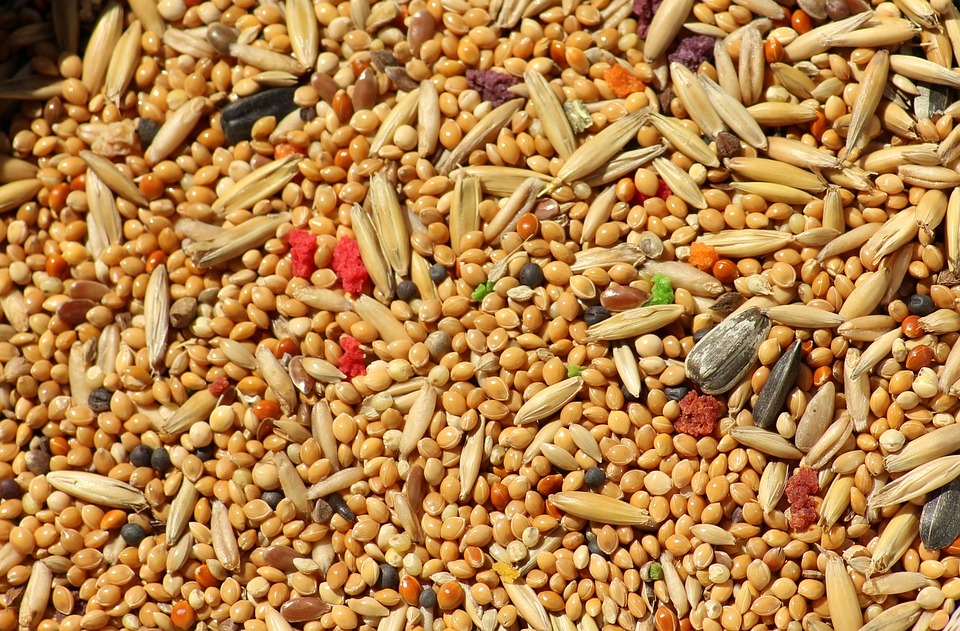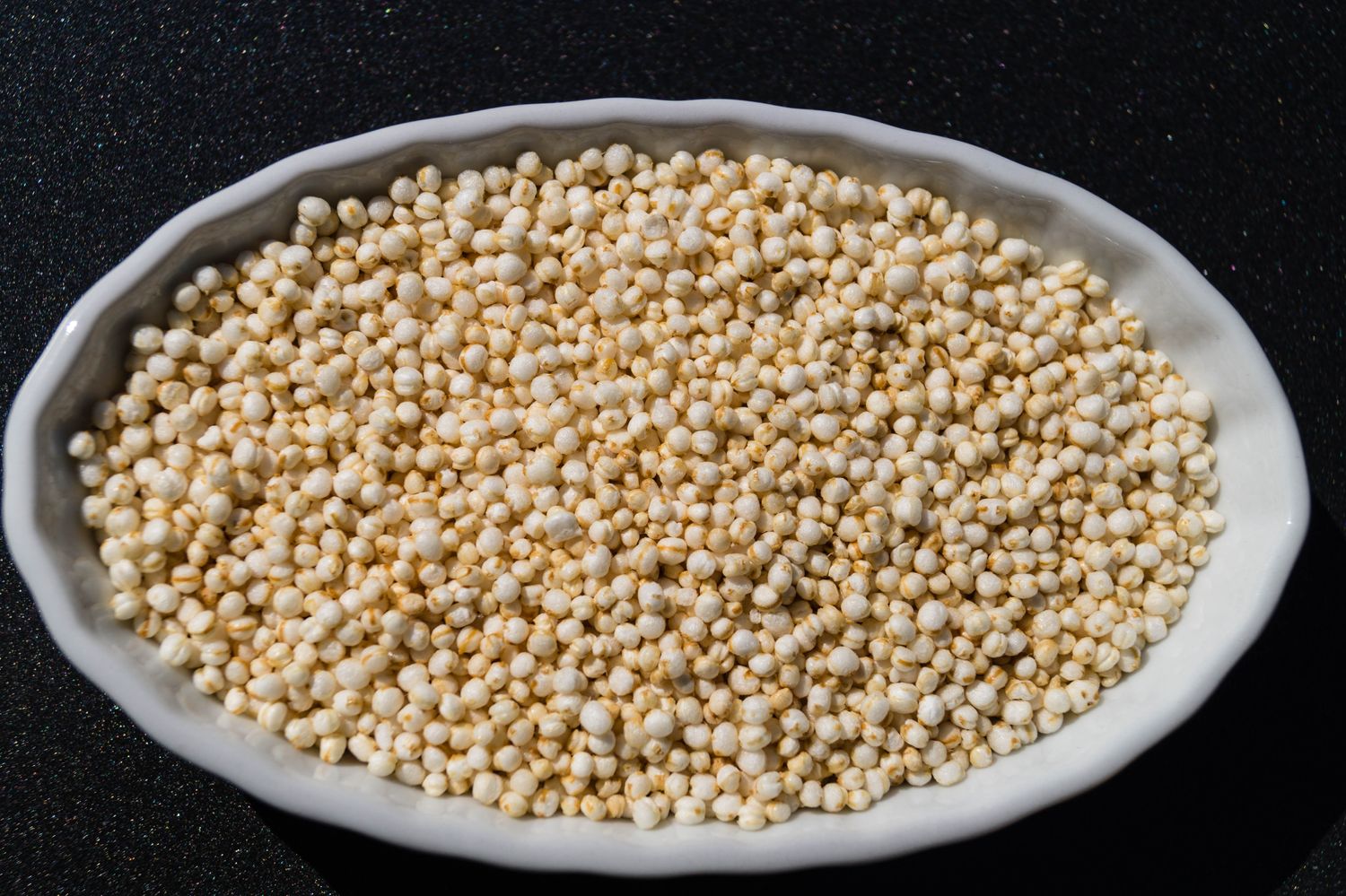
As the world becomes more health conscious and environmentally aware, there has been a simultaneous growing interest in whole grains and ancient cereals. Among these, millets have been gaining significant recognition, for good reason. These ancient grains are loaded with essential nutrients and are incredibly versatile in the kitchen. They are also budget-friendly and easy to cultivate, making them ideal for sustainable agriculture. If you are looking to add more whole grains to your diet or are simply curious about these wonder grains, this guide will provide you with all the information you need to know about millets.
Millets are a group of grains that include many different varieties, such as foxtail, finger, proso, and pearl millet, just to name a few. These grains have been cultivated for thousands of years in Africa and Asia and were once the staple food of many ancient civilizations. One of the best things about millets is that they can adapt to almost any climate and soil, making them an ideal crop for many parts of the world. Today, millets are used for a range of purposes, from livestock feed to beer brewing, but they are also finding their way into kitchens as a delicious and nutritious ingredient in a variety of recipes.
When it comes to nutrition, millets are a powerhouse of essential minerals and vitamins. They are rich in dietary fiber, protein, and antioxidants, which are essential for maintaining a healthy heart and a strong immune system. Being gluten-free and low in glycemic index, they are also an excellent choice for people with celiac disease or diabetes. Due to the high nutritional value of millets, they have been dubbed as “nutri-cereals” by the Food and Agriculture Organization of the United Nations (FAO).
If you are worried that millets might not taste great or that it’s difficult to include them in your daily meals, there’s good news. Millets have a mild, nutty flavor that complements both sweet and savory dishes. They can be used in a variety of recipes, from warming soups to hearty stews, from breakfast porridges to delicious desserts. They can also be used in baking, replacing some portion of wheat flour to make cakes, bread, and other baked goods.
One of the best things about millets is their versatility in the kitchen. They can be cooked in a variety of ways, including boiling, steaming, roasting, and popping. Popped millet makes an excellent snack, while boiled millet can be used as a base for salads or made into pilafs. Roasted millet can be added to granolas or used as a crunchy topping. With so many possibilities, millets can easily become a staple in your pantry.
In this guide, we will explore the benefits of millets in more detail, along with some of the most popular types of millets available. We’ll also discuss how to cook millets perfectly and share some delicious and easy-to-make recipes that will inspire you to add this powerhouse grain to your meals. With this ultimate guide, you’ll be able to discover the many benefits of adding millets to your diet and enjoy their unique flavor and nutrition in a range of delicious dishes.
write an article outline in 8 sub-headings on the topic “The Ultimate Guide to Millets: Benefits, Uses, and Recipes” in the format of HTML sub-heading followed by 2 paragraphs of explanation but don’t give any labels or prefix to these paragraphs like “Paragraph 1”, “Paragraph 2” etc. Each paragraph should be 150-200 words.
Summary
Millets are ancient grains that have been gaining recognition for their versatility in the kitchen, nutritional value, and suitability for sustainable agriculture. They can adapt to almost any climate and soil, making them an ideal crop for many parts of the world. Millets are rich in dietary fiber, protein, and antioxidants, making them an excellent choice for maintaining a healthy heart and a strong immune system. Millets have a mild, nutty flavor that complements both sweet and savory dishes and can be cooked in a variety of ways. This guide provides information on the benefits of millets, popular types, and recipes to inspire incorporating this powerhouse grain into meals.
FAQ
What are millets, and what are their benefits?
Millets are a group of small-seeded grasses that have been cultivated for thousands of years. They are a nutritious and gluten-free alternative to other grains. Millets are rich in fiber, vitamins, and minerals, making them a great source of nutrients for people who are looking to improve their diet. Some of the benefits of millets include improved digestion, lower blood sugar levels, and increased energy levels.
What are some uses of millets?
Millets can be used in a variety of ways. They can replace rice or other grains in recipes, or they can be used to make porridges, bread, or even beer. Millets can also be ground into flour to make gluten-free baked goods. Additionally, millets are used as animal feed and are a valuable component of sustainable farming practices.
What are some popular millet recipes?
There are many delicious millet recipes out there to try. One popular recipe is millet porridge, which can be made sweet or savory. Other popular recipes include millet pilaf with vegetables, millet bread, and millet pancakes. Millets can also be used in soups, stews, and salads. Millet flour can replace wheat flour in recipes, making it possible to create gluten-free baked goods like cookies and muffins.
Where can I buy millets, and how should they be stored?
Millets can be found in most grocery stores, health food stores, and online retailers. They are often sold in bulk or as packaged grains. When storing millets, it is important to keep them in an airtight container in a cool, dry place. They can be stored for up to a year. If the millets have been ground into flour, they should be stored in the refrigerator or freezer to prevent spoilage.