
Millets are a group of small-seeded grains that grow to be tall and sturdy in semi-arid regions. They have been grown for centuries and form the primary food source for millions of people across Asia and Africa. Millets also offer a rich reserve of nutrients, vitamins, and minerals that boost health while also aiding in weight loss. But one hidden benefit of millets that’s often overlooked is the exploration of millets in the kitchen. By experimenting with the variety of textures and flavors that millets offer, you can create an endless array of delectable, healthy, and sustainable dishes.
There is no denying that cooking with millets is a revelation. The diversity of these grains allows you to play around with different combinations and cooking methods, resulting in unique and exciting dishes that you can savor with every bite. From breakfast porridges, soups, stews, salads, and desserts to flours, snacks, and more, millets are extremely versatile, making them a must-have ingredient in your kitchen. For the adventurous cook, millets offer a world of possibilities that can be explored endlessly.
Millets offer a wide range of flavor profiles, from earthy and nutty to grassy and sweet, making them an appropriate choice of ingredient for any cuisine, be it Indian, Asian, or Western. Millets can stand on their own in simple preparations, such as porridge or as a side dish, or can be used interchangeably with other grains, such as rice, quinoa, bulgur, and barley, for more complex preparations. By embracing the diversity of millets, you can elevate your cooking skills and impress your guests with innovative and healthy dishes that are both delicious and sustainable.
Cooking with millets is not just about exploring new flavor profiles; it is also about promoting a healthy lifestyle. Millets are incredibly nutrient-dense, containing high fiber, protein, vitamins B and E, and minerals such as iron, calcium, magnesium, and zinc. Additionally, millets have a low glycemic index, which means they help regulate blood sugar levels, making them a boon to people with diabetes or obesity. By incorporating millets into your diet, you can improve your overall health and well-being while still enjoying delicious food – what’s not to love about that?
In addition to their culinary and health benefits, millets also have a social and environmental impact. Millets are drought-resistant crops, which makes them suitable for cultivation in areas with low water availability. They are resilient against pests and diseases, making them a low-maintenance crop that requires minimum pesticides or fertilizers compared to other grains such as rice and wheat. By incorporating millets into your diet, you can support sustainable farming practices, reduce your carbon footprint, and contribute to a healthier planet.
In conclusion, cooking with millets is a fantastic way to elevate your culinary repertoire while also promoting a healthy lifestyle and a sustainable future. With the vast array of flavors and textures they offer, millets provide endless opportunities for experimentation and innovation in the kitchen. So why not take the first step towards discovering the wonders of cooking with millets today? Your taste buds – and your body – will thank you!
Introduction:
Cooking with millets has become an increasing trend nowadays. Due to its exceptional nutritional benefits, millets have been gaining immense popularity among the health-conscious people. In this article, we’ll explore the wonders of cooking with millets.
What are millets?
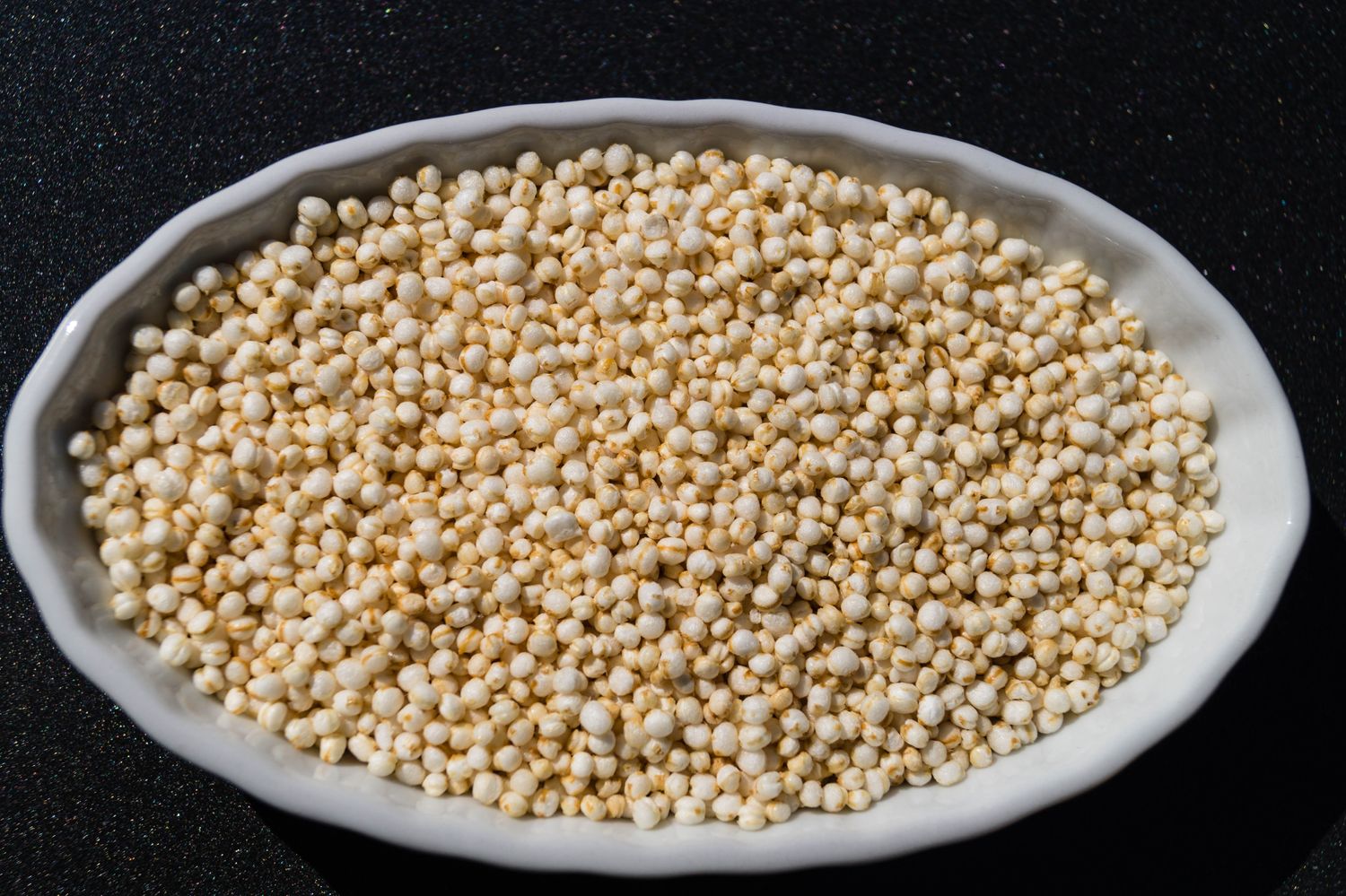
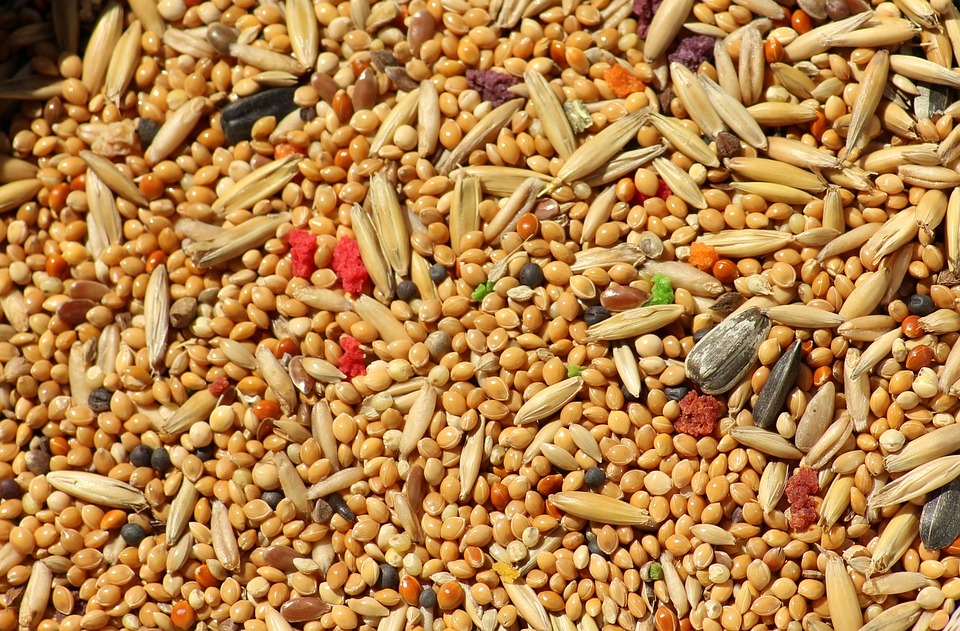
Millets are small-seeded grasses that are similar to rice and wheat in appearance. They are gluten-free and offer various health benefits. Millets come in different colors, such as white, gray, red, and yellow, and have a unique flavor and texture. They are used in a variety of dishes ranging from porridges to snacks.
Health benefits of cooking with millets
Millets are a rich source of essential nutrients like iron, magnesium, and B vitamins. They are also high in fiber and antioxidants, which help in preventing chronic diseases like diabetes, cancer, and heart disease. Additionally, millets are known for their low glycemic index, which means they keep blood sugar levels stable, making them an ideal food for people with diabetes.
Types of millets to cook with
There are several types of millets available in the market, including finger millet, pearl millet, sorghum, foxtail millet, and many more. Each millet has a unique nutritional profile, texture, and flavor. For instance, pearl millet and sorghum have a mild flavor, while finger millet and foxtail millet have a nutty taste.
Cooking with millets: Tips and tricks
Cooking with millets is easy and straightforward. You can use millets in various dishes such as kheer, pulao, and dosa. Pre-soaking the millets before cooking helps in reducing the cooking time and improves the digestibility of millets. Additionally, you can also roast the millets before cooking to enhance their flavor.
Millets as a substitute for other grains
Millets can be a great substitute for other grains like rice and wheat. Due to their remarkable nutritional profile and low glycemic index, millets are an ideal food for people with gluten intolerance, diabetes, and other chronic health conditions.
Delicious millet recipes to try at home
There are numerous delicious recipes that you can make using millets, such as millet upma, millet salad, and millet khichdi. These recipes are not only healthy but also easy to make and can be enjoyed by the whole family.
Conclusion
Cooking with millets is a wonderful way to enjoy delicious and nutritious food. With its significant health benefits and versatile uses, millets are a great addition to any diet. Try adding some millets to your next meal and experience the wonders of this diverse and healthful grain.
Summary
Millets are a group of small-seeded grains that have been grown for centuries across Asia and Africa, forming the primary food source of millions. They offer a rich source of nutrients, vitamins, and minerals, and are a great aid in weight loss while also supporting overall health. In addition to their health benefits, cooking with millets offers culinary benefits, as they are diverse and offer a wide range of flavor profiles, making them an appropriate addition to any cuisine. Millets are also a sustainable crop, requiring low water and pesticide use, and incorporating them into your diet can support sustainable farming practices and reduce your carbon footprint.
FAQ
What are millets, and why should I include them in my cooking?
Millets are a group of small-grain cereals that have been cultivated for thousands of years. They are grown all over the world, and are known for their high nutritional value, gluten-free nature, and low glycemic index, which makes them an ideal food for people with diabetes or those trying to lose weight. Including millets in your diet can help you meet your daily protein, fiber, and antioxidant requirements, while providing you with a range of health benefits.
Cooking with millets is also an excellent way to explore different textures, flavors, and culinary traditions, from Italian polenta to Indian dosa to African porridge. There are many types of millets to choose from, such as foxtail, finger, and pearl millet, and you can use them in a variety of dishes, such as salads, soups, stews, and baked goods. By discovering the wonders of cooking with millets, you can expand your culinary horizons and enjoy delicious and healthy meals.
Are millets hard to cook, and how do I incorporate them into my meals?
Millets are relatively easy to cook, and can be prepared in a similar way to rice, quinoa, or couscous. Depending on the type of millet and the desired texture, you can soak or rinse the grains beforehand, or cook them directly in water or broth. Millets have different cooking times and water ratios, so it’s important to follow the instructions on the package or adjust the recipe accordingly.
To incorporate millets into your meals, you can start by replacing some or all of the rice, pasta, or bread in your recipes with millet grains or flour. For example, you can make a millet pilaf with sautéed vegetables and herbs, a millet salad with beans and nuts, or a millet porridge with fruits and spices. You can also use millet flour to make gluten-free pancakes, waffles, bread, or crackers. Millets can add a nutty, slightly sweet flavor and a crunchy or creamy texture to your dishes, depending on how you cook them.
Are there any health benefits of cooking with millets, and who can benefit from including them in their diet?
There are many health benefits of cooking with millets, both for the body and the environment. Millets are rich in fiber, protein, vitamins, and minerals, and can help regulate blood sugar, cholesterol, and digestion. Millets are also gluten-free, which makes them a safe choice for people with celiac disease or gluten intolerance. Moreover, millets are drought-resistant, low-input crops that require less water and pesticides than other cereals, and can be grown in diverse agro-ecological settings, which makes them a sustainable food option.
People who can benefit from including millets in their diet include those who seek to improve their cardiovascular health, manage their weight, prevent or control diabetes, boost their immunity, or reduce their carbon footprint. Millets are suitable for all ages and lifestyles, and can be adapted to different dietary preferences, such as vegetarian, vegan, or paleo. By cooking with millets, you can nourish your body and the planet at the same time.
Where can I find millets, and how do I store and cook them?
Millets are available in most health food stores, supermarkets, or online shops that carry whole grains or specialty flours. Millets can be sold in bulk, pre-packaged, or as flour, and can be organic or conventional. When buying millets, look for fresh, dry, and clean grains that have no signs of mold, insects, or debris. You can also buy millets from local farmers’ markets or agricultural cooperatives, if available in your area.
To store millets, keep them in an airtight container in a cool and dry place, away from sunlight or moisture. Millets can last for several months if stored properly. Before cooking millets, rinse them in cold water and remove any impurities or debris. Then, follow the cooking instructions on the package or the recipe, and adjust the seasoning and texture to your liking. Millets can be reheated and used for leftovers, or frozen and defrosted for future use. By learning how to store and cook millets, you can enjoy their nutritional and gastronomic benefits all year round.