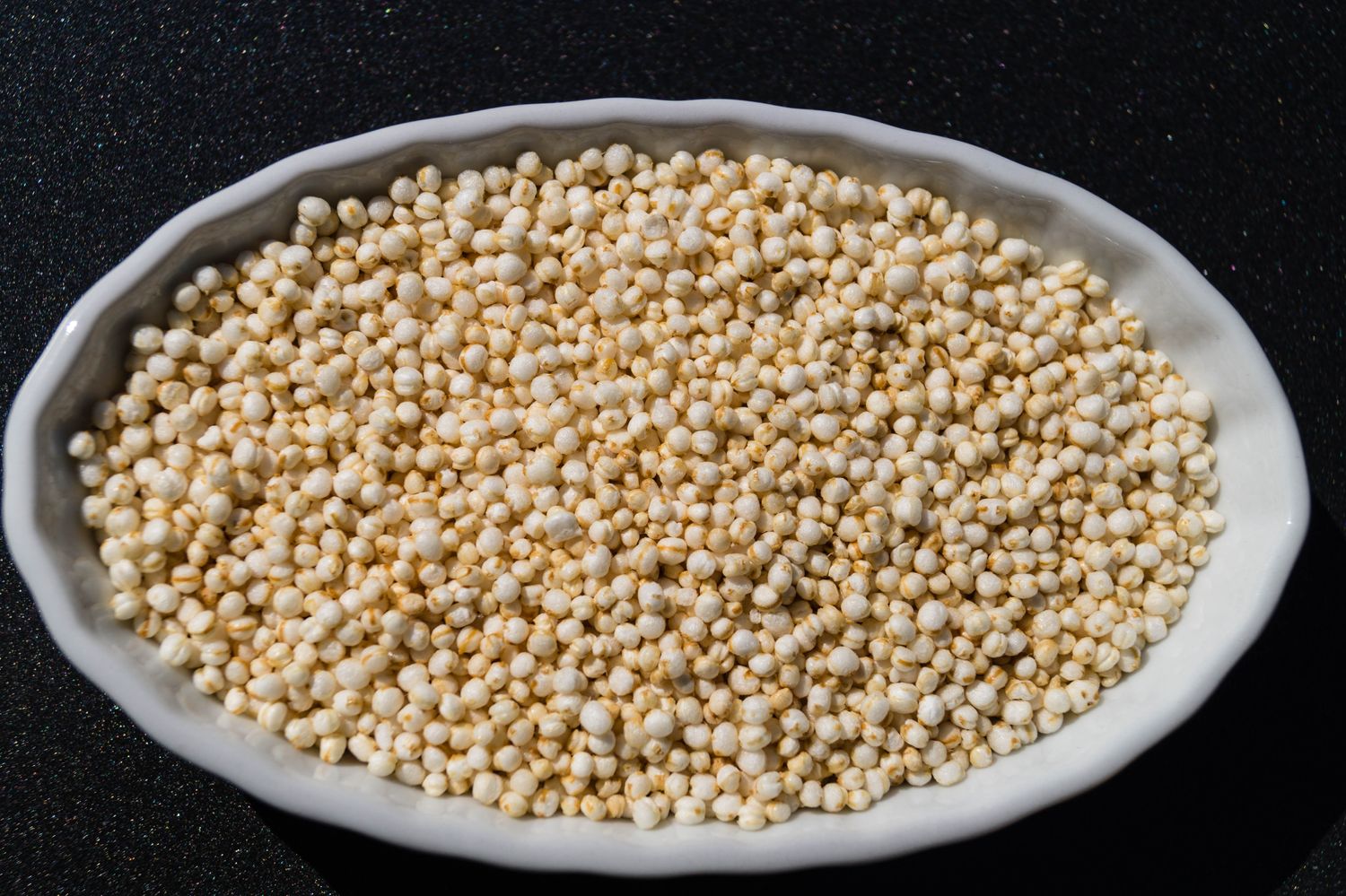
Millets have been an integral part of traditional culinary practices in many cultures around the world. These ancient grains have sustained communities for centuries, providing them with nutrition, flavor, and a sense of cultural identity. While modern food trends have often overshadowed the significance of millets, it is crucial to recognize their importance in preserving our cultural food heritage.
These resilient grains have adapted to diverse climates and environments, making them a valuable staple in many regions. From the African continent to Asian countries like India, millets have been cultivated and consumed in various forms, showcasing their versatility in the kitchen. They have been ground into flour, cooked as porridge, incorporated into bread, and enjoyed in a multitude of savory and sweet dishes. However, the shift towards Western diets and the industrialization of agriculture have led to a decline in millet production and consumption, posing a threat to our cultural food heritage.
As we continue to witness the homogenization of diets across the globe, it is crucial to appreciate the unique flavors and nutritional benefits that millets offer. Not only are these grains gluten-free and rich in essential vitamins and minerals, but they also possess a distinct earthy taste that adds depth to any dish. By rediscovering millets and incorporating them into our modern culinary practices, we can ensure the preservation of our cultural food heritage and celebrate the diversity of tastes and traditions that millets represent.
Furthermore, the cultivation of millets promotes sustainable farming practices and contributes to food security in regions with challenging agricultural conditions. These resilient crops require minimal water and can withstand harsh climates, making them a viable option for small-scale farmers in arid regions. By embracing millets, we support local economies and encourage the preservation of traditional farming methods that have thrived for generations.
Although the modern food industry has provided convenience and accessibility, it has also pushed traditional culinary practices to the fringes. By understanding the cultural significance of millets and their connection to our heritage, we can take a step towards reclaiming our food culture. Through education and awareness, we can inspire a revival of interest in millets and encourage a return to our roots, embracing the rich tapestry of flavors that traditional culinary practices offer.
In conclusion, millets play an invaluable role in preserving our cultural food heritage. By rediscovering these ancient grains and incorporating them into our modern diets, we can ensure the continuation of diverse culinary traditions that have been passed down for generations. Let us embrace the versatility, sustainability, and uniqueness of millets, and celebrate the flavors and memories they bring to our tables. Together, we can preserve our cultural food heritage and guarantee its transmission to future generations.
1. Introduction
Millets have been an integral part of traditional culinary practices across various cultures around the world. With a rich history spanning thousands of years, these highly versatile grains have nourished communities, shaped cultural identities, and played a crucial role in preserving food heritage.
The aim of this article is to highlight the significance of millets in traditional culinary practices and emphasize the importance of preserving this cultural food heritage for future generations.
2. Historical Significance of Millets
Millets have been cultivated since ancient times, and their consumption can be traced back to civilizations like the Indus Valley, Mesopotamia, and China. These small-seeded grains served as dietary staples and provided sustenance to communities, especially in regions with arid or marginal agricultural conditions.
Due to their resilience and nutrient-rich composition, millets have become an intrinsic part of traditional cuisines in countries like India, Africa, and many parts of Asia, imparting unique flavors and textures to local delicacies.
3. Nutritional Value and Health Benefits
Millets are powerhouses of nutrition, packed with essential nutrients like fiber, vitamins, and minerals. They offer numerous health benefits, including improved digestion, reduced risk of chronic diseases, and enhanced overall well-being. Incorporating millets in our daily diet can contribute to a healthier lifestyle.
Furthermore, millets are gluten-free, making them suitable for those with gluten sensitivities or celiac disease. Their low glycemic index also assists in managing blood sugar levels—a crucial factor in combating diabetes and maintaining weight.
4. Cultural Significance of Millets
For generations, millets have been an inseparable part of cultural traditions and festivities. From religious offerings and rituals to family gatherings and celebrations, millet-based dishes hold immense cultural significance, connecting communities with their roots and heritage.
Passing down traditional millet recipes from one generation to another not only ensures the preservation of cultural food practices but also reinforces a sense of identity and belonging within communities.
5. Threats to Millet Cultivation
Despite their rich cultural and nutritional value, millets have faced significant challenges over the years. The adoption of modern farming practices, the allure of processed foods, and the shift towards mono-cropping have resulted in a decline in millet cultivation.
In addition, the lack of awareness regarding millet’s benefits and limited availability in mainstream markets have hindered its potential for growth and recognition.
6. Conservation and Promotion Efforts
To preserve and promote millets in traditional culinary practices, various efforts have been undertaken globally. Initiatives like awareness campaigns, farmer support programs, and the establishment of millet-based enterprises play a crucial role in reviving the cultivation and consumption of millets.
Furthermore, collaborations between agricultural organizations, government bodies, and culinary experts are essential in creating platforms that educate, document, and rediscover age-old millet recipes.
7. Modern Culinary Innovations with Millets
The resurgence of millets in recent years has led to several culinary innovations, blending traditional practices with modern trends. Chefs and food enthusiasts are experimenting with millets to create innovative recipes that cater to diverse palates while still preserving the essence of traditional cuisines.
From millet-based bread, pasta, and snacks to fusion dishes, the versatility of these grains opens up a world of possibilities, propelling millets into contemporary food culture.
8. Conclusion
Millets, with their historical, nutritional, and cultural significance, are a treasure trove of traditional culinary practices. Preserving the heritage associated with millets not only safeguards our cultural diversity but also honors the wisdom of our ancestors and ensures a sustainable and healthier future.
It is imperative that we appreciate, embrace, and promote millets as a vital component of our food heritage, passing on the torch to future generations and enabling them to savor the rich tapestry of flavors and traditions imbibed in these remarkable grains.
Summary
Millets have been a significant part of traditional cuisines in many cultures worldwide, providing nutrition and cultural identity. However, modern food trends and industrialized agriculture have led to a decline in millet production and consumption. It is important to appreciate the unique flavors and nutritional benefits of millets. They are gluten-free, rich in vitamins and minerals, and have an earthy taste. Cultivating millets promotes sustainable farming practices and food security in challenging agricultural conditions. By understanding the cultural significance of millets and incorporating them into our diets, we can reclaim our food culture and preserve our culinary heritage.
FAQ
What are millets and how do they contribute to traditional culinary practices?
Millets are a type of small-seeded grasses that have been cultivated for thousands of years and are integral to traditional culinary practices in many cultures. These nutrient-rich grains are highly versatile and can be used to prepare a wide range of dishes, such as porridge, bread, pancakes, and even fermented beverages. Millets are known for their high fiber content, antioxidants, and various minerals, making them a healthy alternative to refined grains. Their unique flavors, textures, and nutritional benefits have allowed millets to play a significant role in preserving cultural food heritage.
How does the consumption of millets help in preserving cultural food heritage?
The consumption of millets is a great way to preserve cultural food heritage as these grains have been a staple in many traditional diets for centuries. By embracing and incorporating millets into modern cooking practices, we acknowledge and appreciate the culinary traditions of our ancestors. Furthermore, the cultivation and consumption of millets provide economic opportunities for farmers and the promotion of sustainable agriculture. By actively choosing to include millets in our diets, we not only support local farmers but also contribute to the preservation of cultural diversity and sustainable food systems.
Are millets suitable for people with dietary restrictions or health conditions?
Yes, millets are suitable for people with various dietary restrictions or health conditions. They are naturally gluten-free and can be consumed by individuals with celiac disease or gluten sensitivity. Millets are also low glycemic index (GI) foods, which means they release glucose slowly, making them beneficial for individuals with diabetes or those looking to manage blood sugar levels. Additionally, millets are highly nutritious and can provide essential nutrients for individuals with nutrient deficiencies. However, as with any dietary changes, it is recommended to consult with a healthcare professional or registered dietitian for personalized advice.
How can one incorporate millets into their everyday meals?
Incorporating millets into everyday meals can be done in several creative ways. Millet flour can be swapped for wheat flour in baking recipes, allowing you to enjoy bread, pancakes, and cookies made with millets. You can also use millets as a base for salads, stews, and stir-fries, providing a nutrient-rich alternative to rice or pasta. Millet grains can be cooked and used as a side dish, similar to rice or couscous. Experimenting with different spices and vegetables can help create delicious and diverse millet-based meals. Furthermore, incorporating millets into traditional recipes, such as dosas or porridge, helps keep the cultural heritage alive while adding a nutritious twist.