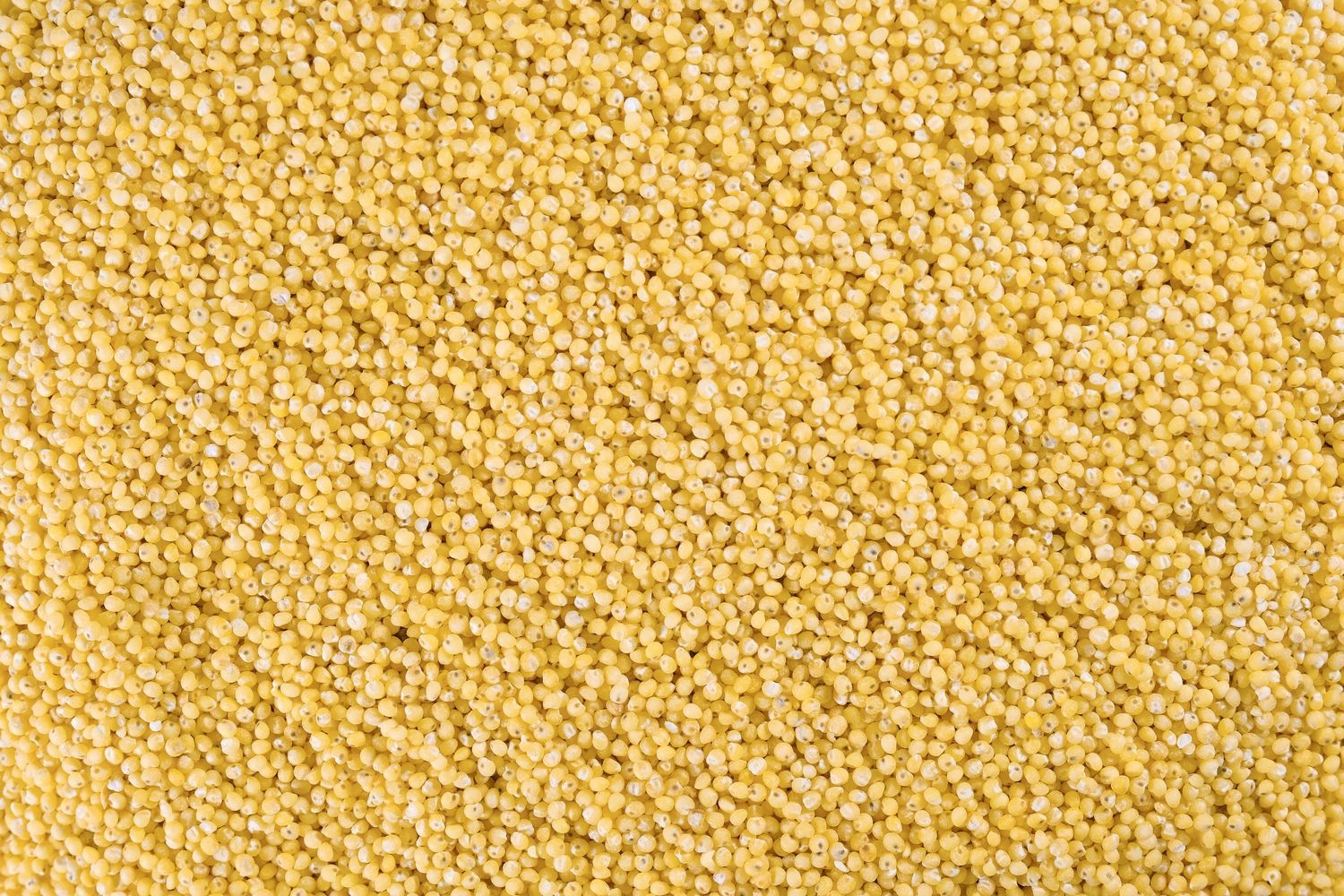

In our fast-paced world, the need for sustainable agricultural practices has become more pressing than ever before. One promising solution lies in an ancient crop that has been cultivated for thousands of years: millet. This hardy grain, often overlooked in favor of more popular crops like rice and wheat, holds tremendous potential in reducing our carbon footprint while simultaneously addressing global food security challenges.
At its core, millet agriculture is an environmentally friendly practice that demands less of our planet’s resources. Unlike water-intensive crops like rice, millet requires far less water for cultivation. This makes it an ideal choice for regions prone to drought, where water scarcity presents a significant obstacle in conventional agriculture. By opting for millet, farmers can effectively reduce their water consumption while still producing a nutritious and reliable food source.
But the benefits of millet agriculture extend far beyond just water conservation. Its production is also exceptionally efficient, requiring less land compared to other staple crops. This means that more can be grown in smaller spaces, allowing for increased yield without further encroaching on natural habitats. By optimizing land utilization, millet offers a promising solution to reducing deforestation and preserving biodiversity, making it an attractive option for sustainable farming practices.
Furthermore, millet agriculture has the potential to address another pressing global issue: climate change. As a drought-resistant crop, millet thrives in harsh weather conditions, including high temperatures and limited rainfall. Unlike other grains, millet is known for its resilience to climate variability, meaning that it can provide farmers with a more stable and reliable harvest in the face of weather fluctuations brought about by the changing climate.
Not only does millet have a remarkable ability to adapt to different climates, but it also exhibits a high tolerance for poor soil conditions. This remarkable characteristic allows farmers to cultivate millet in regions where conventional agriculture would be impossible or economically unviable. By utilizing millet as a food and feed crop in these marginalized areas, we can promote agricultural productivity and lift communities out of poverty while mitigating the detrimental environmental impacts of conventional farming practices.
Moreover, millet is a versatile grain with a wide range of culinary applications. From hearty porridges to gluten-free flours and even brewed beverages, millet offers a diverse array of possibilities for food innovation. By incorporating millet into our diets, we can not only diversify our cuisine but also reduce our reliance on resource-intensive crops such as wheat and corn, both of which contribute significantly to our carbon emissions.
As individuals, businesses, and governments increasingly recognize the need for sustainable solutions, millet agriculture emerges as a viable option that can help curb the rising carbon footprint of our food systems. By promoting the cultivation and consumption of this humble grain, we have the power to make a tangible difference in creating a more sustainable future for ourselves and generations to come. So let us explore the untapped potential of millet, reimagine our food systems, and embark on a journey towards a greener and more eco-conscious world.
1. Introduction
Millet agriculture refers to the cultivation of millet, a type of small-seeded grass cereal, for both human consumption
and livestock feed. In recent years, there has been growing interest in promoting millet cultivation as a strategy to reduce
carbon footprint in the agricultural sector. This article explores the various ways in which millet agriculture can contribute
to mitigating climate change and achieving sustainable food production.
Millet crops have a range of environmental benefits when compared to conventional staple crops like rice and wheat. Millets
have relatively low requirements for water, fertilizers, and pesticides, making them suitable for rain-fed and organic farming
methods. Additionally, millet plants have a unique ability to capture and store atmospheric carbon dioxide (CO2) during their
growth, thus acting as natural carbon sinks and reducing greenhouse gas emissions.
2. Enhanced Soil Health
Millet cultivation contributes to improved soil health and fertility. The extensive root systems of millet plants enhance soil
structure, reducing erosion and promoting water retention. This helps prevent soil degradation and enhances the soil’s ability
to capture and store carbon, which reduces carbon dioxide levels in the atmosphere. Furthermore, the decomposition of millet
crop residues adds organic matter to the soil, increasing its nutrient content and promoting microbial activity. Healthy soils
play a crucial role in sequestering carbon and reducing the overall carbon footprint of agricultural activities.
Additionally, millets have low nitrogen requirements, reducing the need for nitrogen-based fertilizers. This is beneficial in
terms of carbon footprint reduction since the production and application of synthetic fertilizers contribute significantly to
greenhouse gas emissions. By reducing fertilizer usage, millet agriculture helps mitigate carbon emissions and minimizes
environmental pollution associated with fertilizer runoff.
3. Water Conservation
One of the significant advantages of millet crops is their low water requirements. Unlike water-intensive crops like rice,
millets can be successfully cultivated with minimal irrigation or even solely reliant on rainfall. By promoting millet
agriculture, water resources can be conserved, particularly in regions facing water scarcity or limited access to irrigation
facilities. The conservation of water resources in agriculture is crucial for reducing energy consumption and the associated
carbon emissions from pumping and transportation.
Furthermore, the cultivation of millets requires short growing seasons, allowing farmers to optimize the use of available
water resources. This not only contributes to water conservation but also reduces the exposure to drought risks and the need
for additional water storage infrastructure. By adopting millet agriculture, farmers can reduce their reliance on water to
produce food, making it an eco-friendly alternative with a lower carbon footprint.
4. Biodiversity and Ecosystem Preservation
Millet crops help support biodiversity and preserve ecosystems. Unlike large-scale industrial cultivation practices with a
single crop, millet agriculture encourages mixed cropping and intercropping. These practices promote biodiversity by creating
habitats for beneficial insects, birds, and other wildlife. Additionally, millet fields act as shelter belts and provide
nesting grounds for various species, contributing to the overall preservation of local ecosystems.
Moreover, millet cultivation promotes agrobiodiversity by preserving traditional seed varieties and crop genetic diversity.
This is crucial for climate change adaptation and maintaining resilience in the face of environmental challenges, including
pests, diseases, and changing climatic conditions. The preservation of agrobiodiversity is essential not only for sustainable
food production but also for reducing the carbon footprint associated with industrial agricultural practices that rely heavily
on genetically uniform crops.
5. Nutrition and Food Security
Millets are highly nutritious, packed with essential vitamins, minerals, and dietary fiber. By incorporating millets into
diets, particularly in regions where malnutrition is prevalent, food security can be enhanced while reducing the ecological
footprint. Millets are also gluten-free, making them suitable for individuals with gluten intolerance or celiac disease. The
promotion of millet-based diets not only addresses nutritional needs but also reduces the demand for resource-intensive
livestock production, which contributes significantly to greenhouse gas emissions and land degradation.
Furthermore, millet agriculture provides economic opportunities for small-scale farmers, especially in marginalized regions.
By diversifying their crops and income sources, farmers can achieve greater resilience and food sovereignty. This, in turn,
can help reduce reliance on industrially produced and processed foods, which often have higher ecological footprints due to
long-distance transportation and energy-intensive manufacturing processes.
6. Climate Adaptation and Resilience
Millet crops demonstrate a remarkable ability to withstand unfavorable climatic conditions. These resilient crops are suited
to varying agro-ecological zones and can tolerate drought, high temperatures, and nutrient-poor soils. By incorporating millets
into agricultural systems, farmers can adapt to climate change impacts, including water scarcity and increased frequency of
extreme weather events. The cultivation of millets enhances the resilience of farming communities by providing reliable yields
even in challenging conditions, contributing to reduced vulnerability and food insecurity.
Additionally, millet agriculture promotes climate-smart farming practices such as conservation agriculture and zero-tillage
farming. These practices help conserve soil moisture, prevent soil erosion, and retain carbon in the soil, all of which are
essential for climate resilience. By promoting these sustainable farming techniques, millet cultivation offers a viable
pathway to reducing the agricultural sector’s carbon footprint while building adaptive capacity and ensuring food security.
7. Market Opportunities and Economic Growth
The growing demand for millet-based products presents market opportunities for farmers and food entrepreneurs. Millets are
versatile and can be processed into a range of food products, including flour, porridge, snacks, and beverages. As the
awareness of millets’ nutritional value and environmental benefits increases, consumers are seeking healthier and
sustainable food options, opening avenues for small-scale farmers and local businesses to enter niche markets and generate
income. By capitalizing on these market opportunities, millet agriculture can contribute to economic growth and poverty
alleviation, especially in rural areas.
Furthermore, the development of millet value chains and associated infrastructure, such as processing facilities and marketing
networks, can create employment opportunities and stimulate local economies. This, in turn, reduces rural-urban migration and
contributes to balanced regional development. The economic viability and market potential of millet-based products further
strengthen the case for promoting millet agriculture as a sustainable and profitable farming option with a reduced carbon
footprint.
8. Policy Support and Future Prospects
To maximize the potential of millet agriculture in reducing carbon footprints, policy support at various levels is crucial.
Governments and relevant agencies should develop supportive policies that promote millets in both agricultural and dietary
contexts. This may include financial incentives for farmers transitioning to millet cultivation, research and development
support for millet-based product innovations, and educational campaigns to raise awareness about the environmental and
nutritional benefits of millets.
Collaboration between stakeholders, including policymakers, researchers, farmers, and consumers, is essential for realizing the
full potential of millet agriculture in reducing carbon footprints and achieving sustainable development goals. By promoting
millet agriculture and integrating it into climate-smart and resilient agricultural systems, we can contribute significantly
to mitigating the impacts of climate change, preserving ecosystems, ensuring food security, and achieving a sustainable and
low-carbon future.
Summary
Millet, an ancient crop often overshadowed by popular crops like rice and wheat, holds significant potential for sustainable agriculture. It requires less water, making it ideal for drought-prone regions, and is highly efficient, requiring less land. It can help reduce deforestation and preserve biodiversity. Millet is also drought-resistant and adaptable to climate variability, making it a reliable option for farmers in the face of climate change. It can be grown in poor soil conditions, promoting agricultural productivity in marginalized areas. Additionally, millet has culinary versatility and can reduce reliance on resource-intensive crops. By promoting millet agriculture, we can contribute to a more sustainable future.
FAQ
How does millet agriculture reduce carbon footprint?
Millet agriculture has the potential to reduce carbon footprint in several ways. Firstly, millets are known for their resilience and ability to grow in low-input agricultural systems. Unlike other crops that require large amounts of synthetic fertilizers and pesticides, millets can thrive with minimal chemical inputs, thus reducing greenhouse gas emissions associated with their production. Additionally, millets have deep root systems that enhance soil organic carbon sequestration, helping to mitigate climate change by absorbing atmospheric carbon dioxide. By promoting sustainable farming practices that focus on millets, we can reduce the overall carbon footprint of our food system.
Furthermore, millets are also highly efficient in terms of water usage. Compared to water-intensive crops such as rice or wheat, millets require significantly less water to grow, making them ideal for regions facing water scarcity or prone to drought. This reduced water demand contributes to a lower carbon footprint as it minimizes the energy needed for irrigation and reduces the pressure on water resources. Embracing millet agriculture can thus play a vital role in addressing the dual challenges of climate change and water scarcity, where sustainable farming practices lead to carbon footprint reduction.
Are there any social and economic benefits associated with millet agriculture?
Yes, there are several social and economic benefits associated with millet agriculture. Millets are highly nutritious grains that are rich in protein, fiber, vitamins, and minerals. By promoting millets in our diets, we not only improve our nutrition but also support the overall well-being of communities. Millets are often staple foods in many regions, promoting food security and diversification of diets, which is especially important in areas where malnutrition is prevalent.
From an economic perspective, millet agriculture can provide farmers with diverse income streams. Millets are versatile crops that can be used in various food products such as bakery items, porridges, snacks, and beverages. By expanding the market for millet-based products, farmers have more opportunities for value addition and income generation. Additionally, the demand for millets is growing globally due to their health benefits and climate-resilient nature, which can open up new markets and potential export opportunities, thus contributing to rural development and poverty alleviation.
Can millet agriculture be practiced on a large scale to make a significant impact on carbon footprint reduction?
Yes, millet agriculture can be scaled up to make a considerable impact on carbon footprint reduction. Millets are already grown on a large scale in many regions, particularly in parts of Africa and Asia. By further promoting and expanding millet cultivation globally, we can harness the potential of these climate-resilient crops to reduce carbon emissions significantly. Governments, policymakers, and agricultural institutions can support this scaling up process by providing incentives, technical assistance, and access to markets.
Moreover, increased consumer awareness and demand for millet-based products can create a positive feedback loop, further driving the expansion of millet agriculture. If consumers actively choose millets as part of their diets, it can create a market pull, encouraging farmers to adopt millet cultivation practices. The integration of millet agriculture into large-scale systems, combined with sustainable farming practices, has the potential to make a significant impact on carbon footprint reduction and contribute to a more sustainable and climate-resilient agricultural sector.
What are the potential challenges and barriers in adopting millet agriculture for carbon footprint reduction?
Despite the numerous benefits, there are some challenges and barriers to adopting millet agriculture for carbon footprint reduction. One significant challenge is the lack of awareness and understanding of the nutritional and environmental advantages of millets. Many consumers are still unfamiliar with millets and tend to favor more widely known staple grains. Raising awareness and promoting millets through education campaigns and marketing efforts is crucial to create demand and encourage their cultivation.
Additionally, there are limited technological advancements and research in millet farming compared to other staple crops. The lack of access to improved millet seeds, mechanization, and modern farming techniques may hinder the adoption and scaling up of millet agriculture. It is vital for governments, research institutions, and agricultural organizations to invest in research and development to improve millet farming practices, enhance yields, and develop value-added products.
Furthermore, the dominance of industrial agriculture systems that prioritize high-yielding crops can pose a barrier to millet adoption. Shifting away from these conventional practices and supporting sustainable and regenerative farming methods, including millet cultivation, may require policy adjustments, financial incentives, and support from multiple stakeholders across the food system. Overcoming these challenges and barriers will be crucial in fully realizing the potential of millet agriculture to reduce carbon footprints and create a more sustainable and resilient food system.