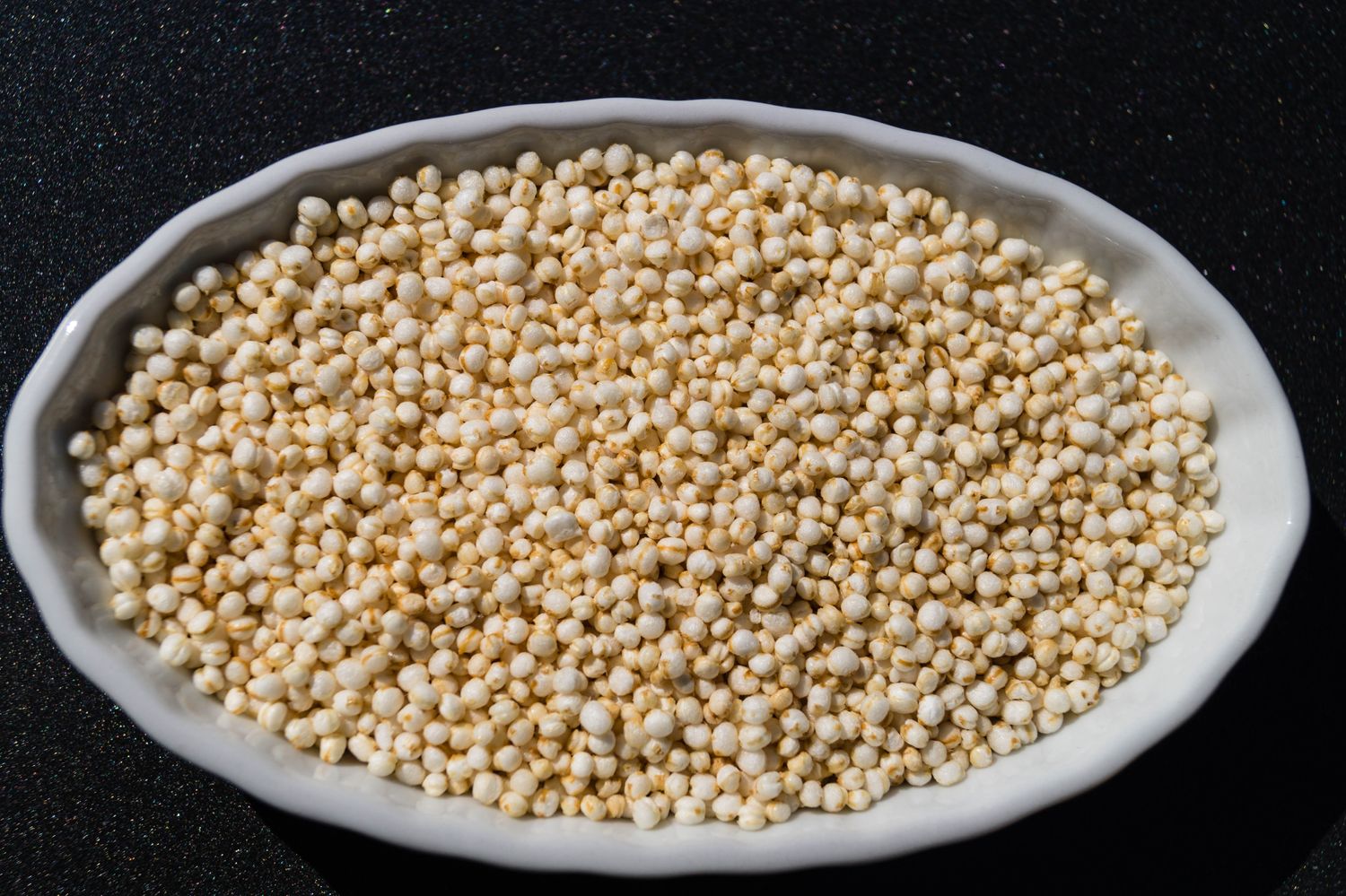
Imagine a vast expanse of golden fields, stretching as far as the eye can see. The gentle breeze carries the sweet scent of ripening grains, while the rustling leaves of the millet plants create a soothing melody. Millet farming has been an integral part of agriculture for centuries, providing sustenance to millions of people around the world. Whether you are a seasoned farmer or someone venturing into the realm of agriculture for the first time, understanding the art of soil preparation is crucial to the success of your millet crop. In this ultimate guide, we will unravel the mysteries of soil preparation and equip you with the knowledge needed to cultivate a thriving millet farm.
When it comes to millet farming, the secret lies beneath the surface. Soil preparation is the essential first step towards creating a fertile environment where millet plants can flourish. The quality of the soil directly impacts the growth, yield, and overall health of your crop. Therefore, it is crucial to understand the unique needs of millet plants and prepare the soil accordingly. By following the right practices, you can ensure that your millet farm becomes a bountiful paradise.
At its core, soil preparation is a labor of love, an intricate dance between the farmer and the land. It involves a careful balancing act of adjusting the soil’s pH levels, improving its structure, and nourishing it with vital nutrients. Just as a painter prepares the canvas before creating a masterpiece, a farmer diligently readies the soil to lay the foundation for a fruitful harvest. Although it may seem like an arduous task, the rewards that await are worth every effort.
Before plunging into the depths of soil preparation, it is essential to understand the crucial role played by organic matter. Often referred to as the “life force” of the soil, organic matter provides essential nutrients, improves soil structure, and enhances its water-holding capacity. Incorporating organic matter, such as well-rotted compost or manure, into the soil is a time-honored practice that promotes the growth of healthy millet plants. This natural approach not only nourishes your crop but also benefits the environment by reducing reliance on chemical fertilizers.
As we dive deeper into the realm of soil preparation, it is vital to acknowledge the significance of conducting a thorough soil analysis. This analytical process unravels the secrets hidden within the earth, revealing valuable insights about the soil’s nutrient content, pH levels, and overall composition. Armed with this knowledge, farmers can tailor their soil preparation techniques to suit the specific needs of millet plants. Soil analysis empowers you to make informed decisions, ensuring that your millet farm thrives under optimal conditions.
As the saying goes, “Patience is bitter, but its fruit is sweet.” Patience is indeed a virtue when it comes to soil preparation for millet farming. Preparing the soil demands careful planning, with timing being of the essence. Different regions and environmental conditions require unique approaches to ensure success. Additionally, engaging in proper crop rotation and allowing for fallow periods can rejuvenate the soil, preventing nutrient depletion and reducing the risk of disease and pests. Remember, your farm is a testament to your dedication and perseverance. With each step you take in preparing the soil, you inch closer to a harvest that will make your heart swell with pride.
In this ultimate guide to millet farming and soil preparation, we will explore the delicate art of creating a nurturing environment for your millet crop. From understanding the needs of millet plants to implementing effective soil preparation techniques, this guide will equip you with the knowledge and tools needed to maximize your farm’s potential. So, put on your farmer’s hat, roll up your sleeves, and let’s embark on this transformative journey into the world of millet farming!
1. Understanding Millet Farming
Millet farming is an ancient practice that has regained popularity in recent years due to its numerous health benefits and sustainability. Millets are small-seeded grains that thrive in semi-arid regions, making them an ideal crop for regions with water scarcity. Before delving into the process of soil preparation, it is crucial to understand the basics of millet farming, including their different varieties, growth requirements, and cultivation techniques.
With their ability to adapt to diverse climatic conditions and their resilience against pests and diseases, millets have become increasingly popular as an alternative to traditional cereal crops. Their gluten-free nature, high nutritional value, and low water requirements have also contributed to their rising popularity as a staple food in many regions around the world.
2. Importance of Soil Preparation
Soil preparation is a vital step in millet farming as it sets the foundation for healthy plant growth, successful yields, and overall crop productivity. Properly prepared soil ensures the availability of essential nutrients, promotes good drainage, and minimizes weed competition. The goal of soil preparation is to create a favorable environment that supports robust root development and maximizes nutrient absorption, leading to strong, resilient millet plants.
By preparing the soil correctly, farmers can significantly enhance the overall health and productivity of their millet crops. This includes improving the soil’s physical structure, nutrient content, and moisture retention abilities, all of which play a significant role in the growth and development of millets.
3. Assessing Soil Composition
Before embarking on preparing the soil, it is essential to assess its composition to determine its suitability for millet cultivation. Soil composition refers to the proportions of sand, silt, clay, and organic matter present. Conducting a soil test helps identify any deficiencies, pH imbalances, or excesses in the soil, enabling farmers to tailor their soil preparation techniques accordingly.
Soil tests are typically conducted by agricultural extension offices or private laboratories. The results provide valuable information about the soil’s fertility status and composition, enabling farmers to make informed decisions on the types and quantities of soil amendments, fertilizers, and organic matter needed. Proper adjustment of soil composition based on these test results leads to optimal growth conditions for millet cultivation.
4. Clearing and Tilling the Land
Clearing and tilling the land are essential steps in soil preparation for millet farming. This process involves removing any unwanted vegetation, rocks, or debris from the field to create a clean and uniform surface. Clearing the land not only helps eliminate potential sources of weed competition but also facilitates easier tilling and seed sowing.
Tilling involves turning over the soil using plows, harrows, or tillers to break up compacted soil, remove clumps, and level the field. This improves soil aeration and drainage, preparing the land for better seedbed formation. Proper tilling also mixes organic matter and amendments into the soil, ensuring uniform distribution of nutrients throughout the cultivation area.
5. Amending the Soil
Amending the soil is crucial for correcting any nutrient deficiencies or imbalances that may hinder millet growth. Soil amendments, such as compost, manure, or organic fertilizers, can be added to enhance the soil’s nutrient content and structure. The choice of amendments depends on the soil test results and the specific requirements of millet cultivation.
In addition to replenishing nutrient content, amendments also help improve soil structure, moisture retention, and microbial activity. They increase the soil’s ability to hold moisture, preventing drought stress and reducing irrigation requirements. Amending the soil is an ongoing process that may be repeated periodically based on the crop’s nutrient needs.
6. Conditioning the Soil
Conditioning the soil involves refining its structure and texture to create an optimal environment for millet growth. This is achieved through practices like soil aeration and the creation of fine seedbeds. Soil aeration improves oxygen circulation, promotes microbial activity, and reduces the risk of waterlogging.
To create fine seedbeds, the soil is gently leveled and broken down to a fine texture. This ensures even seed distribution and facilitates seed-to-soil contact, allowing for better germination rates and seedling emergence. Conditioning the soil helps optimize root development and nutrient absorption, leading to healthier millet plants.
7. Incorporating Organic Matter
Incorporating organic matter into the soil improves its long-term fertility, structure, and moisture-holding capacity. Organic matter, such as compost, agricultural residues, or cover crops, is incorporated into the topsoil during soil preparation. This process boosts soil microbial activity, enhances nutrient cycling, and improves overall soil health.
The addition of organic matter also helps increase soil organic carbon content, which aids in carbon sequestration and mitigates climate change. Moreover, organic matter acts as a natural slow-release fertilizer, providing a steady supply of nutrients to the millet plants throughout their growth cycle.
8. Final Steps of Soil Preparation
After incorporating organic matter, the last steps of soil preparation involve final levelling and removal of remaining debris. Levelling ensures a smooth and even planting surface, facilitating uniform water distribution during irrigation. Removing debris helps eliminate any potential barriers to seedling emergence and growth and prevents interference with farm machinery or other agricultural practices. Once these steps are completed, the soil is ready for millet planting and subsequent crop management activities.
Summary
Soil preparation is crucial for successful millet farming, as the quality of the soil directly affects the growth and yield of the crop. By understanding the needs of millet plants and incorporating organic matter into the soil, farmers can create a fertile environment. Conducting a thorough soil analysis provides valuable insights for tailoring soil preparation techniques. Patience and careful planning are key, with timing and crop rotation playing important roles. This guide to millet farming and soil preparation equips farmers with the knowledge and tools needed to cultivate a thriving millet farm and maximize its potential.
FAQ
What is the best soil type for millet farming?
The best soil type for millet farming is well-drained sandy or loamy soil. Millet crops require good drainage because excessive moisture can lead to root rot and other diseases. Moreover, millet thrives in soils that are not too heavy or compacted, as it needs space for roots to expand and access nutrients. A pH level between 5.5 and 7.5 is ideal for millet cultivation. Before planting, it’s highly recommended to conduct a soil test to ensure the right pH level and to check the soil’s nutrient content. By choosing the appropriate soil type and pH level, farmers can optimize millet growth and yield.
How should soil be prepared for millet farming?
Soil preparation plays a vital role in successful millet farming. The first step is to clear the field from any weeds or excess vegetation. This can be achieved by either manual removal or by using herbicides. Next, farmers should plow the soil to a depth of about 6 to 8 inches to loosen it and promote root penetration. It is important to break up any clods and create a fine seedbed. After plowing, the soil should be harrowed or tilled to further refine the seedbed and remove any remaining clods or vegetation. Additionally, incorporating organic matter or compost into the soil before planting can improve its fertility and enhance water retention. Finally, leveling the field using a roller or other appropriate equipment ensures uniform water distribution during irrigation. Proper soil preparation sets the foundation for healthy millet plants and optimal crop yield.
Are there any specific soil amendments recommended for millet farming?
While soil amendments are not always necessary for millet farming, they can be beneficial depending on the soil’s condition and nutrient content. Organic amendments like compost, well-rotted manure, or green manure crops can enhance soil fertility and provide nutrients for the millet plants. These materials improve the soil structure, water-holding capacity, and nutrient availability. Additionally, incorporating mineral amendments such as lime can help correct soil acidity levels, which in turn promotes healthy millet growth. However, it is crucial to conduct a soil test to assess the nutrient composition of the soil and determine if any specific amendments are required. Consulting with local agricultural extension services or experts can provide valuable insights on which soil amendments are suitable for millet cultivation in specific regions.
How can soil fertility be maintained for successive millet crops?
Maintaining soil fertility is key for ensuring consistent, successful millet farming in subsequent seasons. Crop rotation is an effective method to prevent soil nutrient depletion. Farmers can alternate millet cultivation with leguminous crops that fix nitrogen in the soil, such as soybeans or lentils. This practice replenishes nitrogen levels and enhances overall soil fertility. Additionally, leaving crop residues on the field after harvest helps to build organic matter, retain moisture, and improve soil structure. Applying organic amendments like compost or well-rotted manure each year can also boost soil fertility. Implementing soil conservation practices, such as implementing cover crops or using erosion control measures, can mitigate soil degradation, retain nutrients, and prevent nutrient runoff. Regular soil testing is crucial to monitor nutrient levels and ensure appropriate adjustments are made to maintain a healthy soil environment for optimal millet yields.