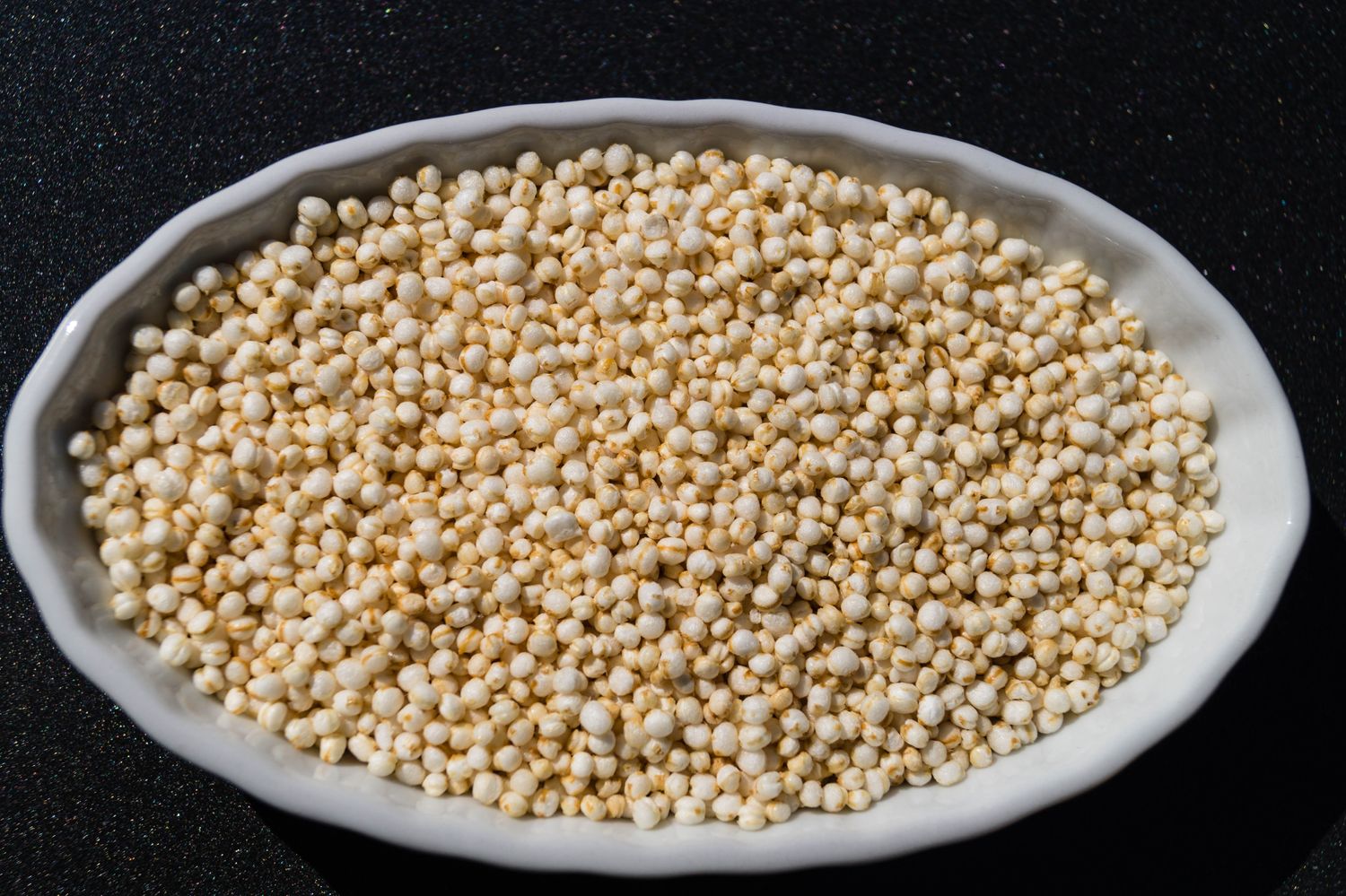

The millet market, a cornerstone of agriculture and global food production, has experienced a whirlwind of changes in recent years. With rising concerns about food security, shifting consumer preferences, and the focus on sustainable farming, the dynamics of this ancient grain have assumed utmost importance. Millets, with their incredible versatility and nutritional value, have not only piqued the interest of farmers but have also caught the attention of health-conscious individuals worldwide. From health fads to staple cereals, millets have swiftly made their way into our kitchens, challenging the dominance of traditional crops. In this article, we will embark on a comprehensive exploration of the millet market dynamics, understanding the factors that propel its growth, and the challenges it faces in an ever-changing world.
Driving the unprecedented growth of the millet market is the mounting recognition of its tremendous nutritional value. Millets, often referred to as “smart grains,” have long been staple crops in certain regions of the world. They are rich in diverse nutrients like protein, fiber, and minerals, thereby offering a wholesome alternative to refined grains. Moreover, millets have a low glycemic index, making them suitable for diabetics and those striving for weight management. The increasing global emphasis on healthy eating habits has spurred the demand for millets, leading to a surge in their consumption. In fact, millets have become an essential ingredient in numerous health food products, further driving their popularity among the masses.
However, the millet market’s growth is not solely driven by health trends. The environmental impact of modern agriculture, coupled with climate change concerns, has compelled farmers and policymakers alike to seek alternatives to conventional crops. Millets, known for their resilience and minimal water requirements, have emerged as a sustainable solution to mitigate agriculture’s ecological footprint. By adapting to diverse climatic conditions and displaying increased resistance to pests and diseases, millets have charted a path towards sustainable farming practices. This has led to a significant shift in agricultural policies and increased support from government agencies for millet cultivation, further bolstering the market’s growth.
Despite the numerous advantages and increasing demand, the millet market faces its fair share of challenges. One of the major hurdles is the limited awareness and consumption of millets in urban areas, where the dominance of processed and refined grains persists. Breaking the stronghold of tradition and fostering a cultural shift towards millet consumption requires extensive education and awareness campaigns. Additionally, the lack of infrastructure for large-scale millet processing and inadequate distribution channels often hinders the smooth functioning of the market. These challenges call for concerted efforts from policymakers, agricultural organizations, and consumer advocacy groups to overcome the barriers and unleash the full potential of the millet market.
Taking into account the myriad complexities and opportunities in the millet market, it is essential to delve into the global millet trade dynamics. Traditionally, millet production and consumption have been concentrated in developing countries of Africa and Asia. However, in recent years, developed nations have also witnessed a surge in millet imports, primarily driven by the growing demand for gluten-free and nutritious alternatives. Developed regions like North America and Europe have seen an upswing in millet consumption, leading to an increase in imports from traditional millet-producing countries. This evolving landscape signifies a shifting paradigm in the global trade dynamics of millets, opening up a plethora of opportunities for farmers and suppliers.
In conclusion, the millet market is undergoing a fascinating transformation, shaped by evolving consumer preferences, concerns about sustainability, and increased global trade. From being sidelined as a poor man’s grain to a celebrated superfood, millets have come a long way in gaining recognition for their nutritional value. However, numerous challenges regarding awareness, infrastructure, and distribution persist. It is imperative for stakeholders across the value chain to collaborate and address these challenges to unlock the market’s full potential. As we navigate this ever-changing landscape, the millet market promises a fulfilling journey of growth, nourishment, and sustainable food production.
Introduction
Millet is a group of small-seeded grasses that have been cultivated for thousands of years as an important source
of food and fodder in various parts of the world. This article aims to provide an overview of the current market
dynamics surrounding millet, including its global production, consumption patterns, and key factors influencing
its demand and supply.
Millet is considered a resilient crop, capable of growing in arid and semi-arid conditions with minimal water
requirements. This characteristic has contributed to its popularity in regions facing water scarcity or
unpredictable climatic conditions. Additionally, millet is rich in essential nutrients, making it a favored
choice for health-conscious consumers seeking alternative grains in their diet. These factors have played a
significant role in driving the demand for millet in recent years.
Global Production and Consumption
Millet production is widely distributed across various regions, with Africa, Asia, and parts of Europe being the
major contributors. The rise in global production can be attributed to its adaptability to diverse agro-climatic
conditions and its ability to provide a source of income for small-scale farmers. India, Nigeria, Niger, and
China are leading producers of millet worldwide. On the other hand, millet consumption patterns vary among
countries and cultures, influenced by dietary preferences, availability, cultural traditions, and economic
factors.
In developed countries, there is a growing trend of incorporating millet in gluten-free, healthy food products
due to its nutritional value and versatile culinary applications. However, in many developing countries, millet
remains an important staple food, particularly in rural areas where it is a key component of daily meals. The
increasing awareness of millet’s health benefits and the promotion of sustainable agriculture have also driven
its consumption in urban areas.
Factors Influencing Demand and Supply
Several factors contribute to the dynamics of the millet market. Firstly, the rising global population and
increasing health-consciousness among consumers have led to a growing demand for nutritious and sustainable food
sources. Millet, with its high nutritive value and sustainable production practices, fits this demand perfectly.
Moreover, government initiatives and policies promoting millet production and consumption, such as subsidies,
public procurement programs, and nutritional awareness campaigns, also influence the demand and supply of
millet.
Additionally, climate change and its impacts on agriculture pose a significant challenge to millet production.
Erratic rainfall patterns, prolonged droughts, and extreme weather events can affect crop yields and quality,
leading to price fluctuations. The economic factors such as market prices, trade regulations, investment in
research and development, and infrastructure for millet processing and distribution also play a crucial role in
shaping the market dynamics.
Market Opportunities and Challenges
Millet presents several opportunities for both small-scale farmers and agribusinesses. The rising demand for
millet-based products, including flour, flakes, snacks, and beverages, creates avenues for value addition and
diversification. Furthermore, the growing popularity of millet as a sustainable and climate-resilient crop
presents opportunities for farmers to access niche markets and premium pricing.
However, there are challenges associated with millet market dynamics. Limited mechanization, inadequate
post-harvest infrastructure, and a lack of awareness about millet’s nutritional benefits hinder its market
growth. Furthermore, the dominance of other crops in the global market, such as wheat and rice, poses
competition for millet. Overcoming these challenges requires coordinated efforts from stakeholders across the
entire value chain to enhance production, processing, marketing, and consumer awareness.
The Future of the Millet Market
The future of the millet market looks promising, driven by the increasing global demand for nutritious and
sustainable food options. Millet’s versatility, adaptability, and nutritional value position it as an
attractive crop for both conventional and specialty markets. Emphasizing research and development, promoting
millet-based value-added products, and integrating millet into national food and agriculture policies can
boost its market growth further.
As consumers continue to prioritize health and sustainability, millet can play a vital role in ensuring food
security, improving livelihoods, and mitigating the impacts of climate change. By harnessing the potential of
millet and addressing the challenges, the global millet market can evolve into a vibrant and resilient sector,
contributing to a more sustainable and diverse agricultural landscape.
Summary
The millet market has seen significant changes in recent years due to concerns about food security, shifting consumer preferences, and sustainable farming. Millets, known for their versatility and nutritional value, have gained popularity among farmers and health-conscious individuals worldwide. Their nutritional value, low glycemic index, and suitability for diabetics and weight management have driven the demand for millets. Additionally, the environmental impact of conventional crops and climate change concerns have led to millets being seen as a sustainable solution. However, the millet market faces challenges such as limited awareness in urban areas, lack of infrastructure, and inadequate distribution channels. Developed nations have also seen a rise in millet imports, indicating changing global trade dynamics. Despite the challenges, stakeholders must collaborate to unlock the full potential of the millet market.
FAQ
What is the current state of the millet market and what factors are influencing its dynamics?
The millet market is currently experiencing significant growth and attracting attention due to its numerous health benefits and versatility. Millet is a gluten-free grain rich in nutrients and antioxidants, making it a popular choice among health-conscious consumers. Additionally, its adaptability to diverse climates and lower water requirements make it an attractive alternative for sustainable farming.
Factors such as changing dietary preferences, increased consumer demand for plant-based and gluten-free options, and rising awareness about the health benefits of millet are driving the market dynamics. Additionally, government initiatives promoting millet cultivation and processing, research and development activities to improve millet-based products, and the expansion of the millet market in the food and beverage industries also play crucial roles.
Overall, the millet market is witnessing increased demand and is expected to continue growing in the coming years, driven by factors such as consumer preferences, government support, and industrial investments.
How is the millet market expected to grow in the near future and what are the potential challenges?
The millet market is forecasted to experience steady growth in the near future due to various factors. Increasing consumer awareness about the health benefits of consuming millet-based products, coupled with the surge in demand for gluten-free and plant-based ingredients, is expected to drive the growth of the millet market. Moreover, the development of innovative millet-based products and the expansion of distribution channels are likely to contribute to market growth.
However, there are some challenges that the millet market may face. Limited awareness and acceptance of millet-based products in some regions can hamper market growth. Additionally, inadequate infrastructure for millet processing and marketing, as well as the often higher price compared to conventional grains, can also pose challenges. Addressing these challenges would require concerted efforts from producers, processors, government bodies, and other stakeholders to educate consumers, improve value chains, and advocate for policy support.
Overall, while the millet market is poised for growth, overcoming these challenges will be critical for realizing its full potential and maximizing its market dynamics.
What are the key opportunities for stakeholders in the millet market?
Stakeholders in the millet market, including farmers, manufacturers, traders, and investors, have several opportunities to capitalize on. One major opportunity lies in the increasing consumer demand for millet-based products, driven by health-conscious individuals and those seeking gluten-free alternatives. This presents a chance for manufacturers to innovate and develop a wide range of millet-based foods, beverages, and snacks to cater to different consumer preferences.
Additionally, there is immense potential for the expansion of millet cultivation and processing. The rising interest in sustainable farming practices, coupled with the adaptability of millet to various climatic conditions, opens up avenues for farmers to diversify their crops and explore millet cultivation. Moreover, the development of efficient millet processing technologies and value-addition opportunities such as milling, packaging, and distribution can be lucrative for entrepreneurs and investors.
Furthermore, the growing awareness about millet’s nutritional value and the associated health benefits presents an opportunity for educational campaigns and marketing initiatives. Stakeholders can collaborate to create consumer awareness programs, conduct workshops, and promote millet through various media channels to increase its adoption and market penetration.
How can the millet market support sustainable agriculture and food security?
The millet market has the potential to contribute significantly to sustainable agriculture and enhance food security. Millet is known for its ability to adapt to different climatic conditions and requires significantly lower water inputs compared to other grains. This makes it an attractive crop for regions facing water scarcity and climate change challenges. By promoting millet cultivation, farmers can reduce their dependence on water-intensive crops and contribute to sustainable agricultural practices.
Moreover, millet’s nutritional profile, including its high fiber and mineral content, can help address food security concerns. As a versatile grain, millet can be used in a variety of products, including flour, porridge, snacks, and beverages. By diversifying diets with millet-based foods, communities can access affordable and nutrient-dense options, reducing the risk of malnutrition.
Additionally, millet’s resilience to pests and diseases makes it a suitable crop for small-scale farmers who may lack access to advanced agricultural technologies. Supporting millet cultivation and fostering market dynamics can provide economic opportunities for these farmers, contributing to poverty alleviation and rural development.
Overall, the millet market presents a promising avenue to enhance sustainability in agriculture and improve food security by promoting resilient crops with high nutritional value.