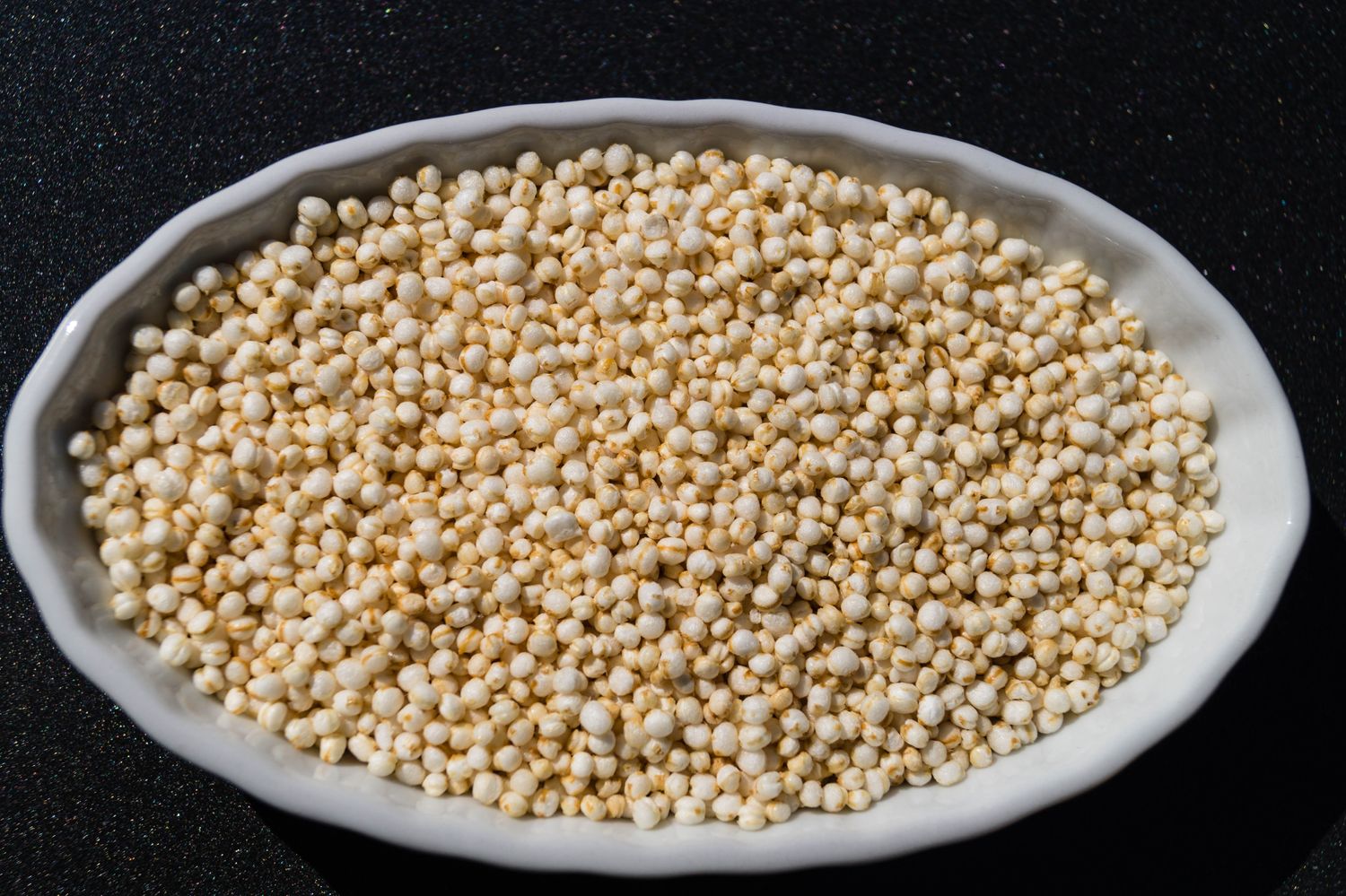
Athletes are constantly searching for that extra boost to enhance their performance and achieve maximum results. Whether you’re an endurance runner, a weightlifter, or a football player, the fuel you provide your body plays a crucial role in determining your success. With so many options available, it can be overwhelming to decide which foods to incorporate into your diet. However, there is one group of superfoods that has been gaining considerable attention in recent years: millets. These tiny grains may be small in size, but they offer a plethora of benefits for athletes looking to optimize their performance.
Millets have been a staple in the diets of various civilizations for thousands of years. They are not only versatile but also packed with nutrients essential for an athlete’s overall well-being. From quinoa-like foxtail millet to nutty-flavored finger millet, these gluten-free wonders offer a range of flavors and textures, making them an exciting addition to any athlete’s plate. Not only do they provide a slow, sustained release of energy, but they are also rich in complex carbohydrates and dietary fiber, aiding in digestion and promoting a feeling of fullness.
In addition to their energy-boosting properties, millets are a nutritional powerhouse. They are an excellent source of protein, essential for muscle repair and growth. Athletes engaging in high-intensity workouts and strength training can benefit greatly from including millets in their diet. Furthermore, millets are packed with vitamins and minerals like magnesium, iron, and potassium, which are crucial for maintaining electrolyte balance, reducing muscle cramps, and enhancing overall endurance.
As athletes strive to reach peak performance, recovery becomes a vital aspect of their training regimen. This is where millets truly shine. Due to their high fiber content, they promote gut health and aid in the absorption of nutrients, which is crucial for a speedy recovery. Additionally, millets contain antioxidants that combat inflammation caused by intense workouts, reducing the risk of overuse injuries and promoting faster healing.
One common concern for athletes is maintaining stable blood sugar levels. The good news is that millets have a low glycemic index, making them an ideal choice for those seeking sustained energy throughout their training sessions or competitions. Unlike refined grains, millets release glucose slowly into the bloodstream, preventing sudden spikes and crashes in blood sugar levels, and helping athletes maintain their focus and energy levels for an extended period.
It is not only physical performance that benefits from a diet rich in millets; mental well-being is also enhanced. Millets are a natural source of tryptophan, an amino acid essential for the production of serotonin, the “feel-good” neurotransmitter. By incorporating millets into their meals, athletes can experience a mood boost, reduced anxiety, and improved concentration, all of which contribute to a successful performance.
Millets offer a sustainable and environmentally friendly alternative to traditional grains. Their cultivation requires less water, fertilizers, and pesticides, making them an eco-conscious choice for athletes who want to make a positive impact on the planet. By supporting millet farming, athletes not only fuel their bodies for maximum performance but also contribute to the preservation of our natural resources and biodiversity.
In conclusion, millets have emerged as a game-changer for athletes seeking optimal performance and overall well-being. With their wide array of benefits, including sustained energy release, improved digestion, enhanced recovery, and reduced inflammation, millets have rightfully earned their place in the diets of athletes around the world. So, if you’re looking to push your physical and mental boundaries, consider incorporating millets into your daily meals and experience the remarkable difference they can make in fueling your body for maximum performance.
1. Introduction
Athletes are constantly seeking ways to optimize their performance and achieve their desired goals.
Nutrition plays a vital role in enhancing athletic performance, and the choice of food can significantly impact an athlete’s stamina, endurance, and recovery process. One such superfood gaining attention in the athletic community is millets.
Millets, a group of small-seeded grasses, have been cultivated for centuries due to their nutritional value, adaptability, and resilience in various climatic conditions.
2. The Nutritional Benefits of Millets
Millets are an excellent source of complex carbohydrates, which are essential for maintaining sustained energy levels throughout physical activities. Their high fiber content aids in digestion and supports a healthy gut, preventing issues like bloating or discomfort that can hinder performance.
Additionally, millets contain an array of essential minerals, including magnesium, phosphorus, iron, and zinc, which are crucial for energy production, muscle function, and maintaining overall health in active individuals.
3. Improved Endurance and Stamina
The complex carbohydrates in millets are slow-releasing, providing a steady supply of energy during workouts or competitions, making them ideal for endurance-based sports like long-distance running, swimming, or cycling.
Moreover, the abundant minerals and vitamins present in millets contribute to hemoglobin production and oxygen-carrying capacity, enhancing an athlete’s stamina and reducing the risk of fatigue.
4. Speedy Recovery and Muscle Repair
Athletes often encounter muscle damage or inflammation post intense physical activities, and proper nutrition aids in their recovery.
Millets contain antioxidants and anti-inflammatory compounds that help in reducing muscle soreness and boosting the healing process. They are also a valuable source of plant-based protein, necessary for muscle repair and growth.
5. Weight Management and Body Composition
Millets have a low glycemic index, preventing sudden spikes in blood sugar levels and promoting a stable metabolism, making them an excellent food choice for athletes aiming for weight management or body composition goals.
Additionally, the fiber content in millets helps maintain satiety, preventing overeating and aiding in portion control, which is essential for athletes to maintain or achieve their desired bodyweight.
6. Gluten-Free and Easily Digestible
Millets are naturally gluten-free, making them a suitable option for athletes with gluten sensitivities or celiac disease. Their gluten-free nature also aids in smoother digestion and decreases the chances of gastrointestinal discomfort, bloating, or inflammation during physical exertion.
7. Incorporating Millets into an Athlete’s Diet
Millets can be consumed in various forms, including porridge, flour, rice, or snacks, providing athletes with a diverse range of culinary options.
They can be used as a substitute for rice, quinoa, or wheat flour in dishes like risottos, salads, pancakes, and bread. Experimenting with recipes and incorporating millets into pre and post-workout meals can bring numerous benefits to an athlete’s overall performance and health.
8. Conclusion
For athletes striving to achieve maximum performance, it is essential to fuel their bodies with nutrient-dense foods.
Millets offer a powerhouse of nutrients, aiding in improved endurance, faster recovery, weight management, and overall well-being. Including millets as a regular part of an athlete’s diet can unlock their full athletic potential and contribute to long-term success in their respective sports.
Summary
Millets are gaining attention as superfoods for athletes due to their numerous benefits. These tiny grains provide sustained energy release, complex carbohydrates, and dietary fiber, aiding digestion and promoting a sense of fullness. They are also rich in proteins, vitamins, and minerals, essential for muscle repair, electrolyte balance, and endurance. Millets promote gut health, aid in nutrient absorption, and contain antioxidants that reduce inflammation and speed up recovery. With a low glycemic index, they help maintain stable blood sugar levels and enhance mental well-being by boosting mood and concentration. Additionally, millets are a sustainable and eco-friendly alternative to traditional grains. Overall, incorporating millets into an athlete’s diet can optimize performance and contribute to their overall well-being.
FAQ
What are millets and why are they beneficial for athletes?
Millets are a group of highly nutritious grains that are gluten-free and rich in essential nutrients such as fiber, protein, vitamins, and minerals. They include varieties like pearl millet, foxtail millet, finger millet, and sorghum. Millets are an excellent choice for athletes due to their numerous benefits. Firstly, millets provide sustained energy as they are complex carbohydrates, resulting in a slower release of glucose into the bloodstream, preventing sudden spikes and crashes in energy levels. This makes millets ideal for athletes engaged in endurance sports. Additionally, they contain a good balance of amino acids, making them a valuable source of protein for muscle repair and growth.
Moreover, millets are known for their remarkable mineral content, including iron, magnesium, potassium, and zinc, which are essential for optimizing athletic performance. These minerals support processes such as oxygen transport, muscle contraction, and electrolyte balance. Millets also contain high levels of antioxidants, which can help reduce exercise-induced inflammation and oxidative stress in the body. Lastly, millets are easily digestible and have a low glycemic index, making them suitable for athletes with sensitive stomachs or those aiming to maintain stable blood sugar levels.
How can athletes incorporate millets into their diet?
Athletes can incorporate millets into their diet in various ways. Millets can be cooked and used as a substitute for rice, couscous, or quinoa in meals. They can be boiled and mixed with vegetables, lentils, or lean proteins to create balanced and nutrient-dense dishes. Athletes can also use millet flour, available in most grocery stores, to make pancakes, bread, or tortillas. Furthermore, millets can be ground into a powder and added to smoothies, protein shakes, or yogurt for an additional nutritional boost. Snacks such as millet-based granola bars or energy balls can also be a convenient way to include millets in an athlete’s diet. It is important to note that while millets provide numerous benefits, they should be consumed as part of a well-rounded diet that includes a variety of foods to ensure all nutrient requirements are met.
Can millets improve athletic performance and recovery?
Yes, millets can contribute to enhanced athletic performance and faster recovery. As mentioned earlier, millets are a rich source of complex carbohydrates, which provide sustained energy for prolonged physical activity. This helps athletes maintain optimal performance by preventing energy crashes commonly associated with highly processed carbohydrates. The fiber content in millets aids digestion and supports gut health, which is essential for proper nutrient absorption and overall well-being. Furthermore, millets’ protein content aids in muscle repair and growth, making them beneficial for both endurance and strength athletes.
In terms of recovery, millets’ high mineral content, especially magnesium, potassium, and zinc, supports muscle recovery, reduces muscle cramps, and helps maintain electrolyte balance. Millets also contain antioxidants, which reduce inflammation and oxidative stress caused by intense exercise, aiding in faster recovery and reducing muscle soreness. Additionally, the low glycemic index of millets helps stabilize blood sugar levels, ensuring adequate and steady energy supply during training and recovery periods.
Are there any potential drawbacks or considerations when consuming millets as an athlete?
While millets offer numerous benefits, some considerations should be kept in mind when consuming them as an athlete. Millets, like all whole grains, contain phytic acid, an anti-nutrient that impairs mineral absorption. Soaking or fermenting millets before consumption can reduce the phytic acid content and enhance mineral bioavailability. It is also important to note that millets are not a complete protein source as they lack some essential amino acids. Therefore, athletes should ensure they consume a variety of protein-rich foods to meet their complete protein needs.
Additionally, athletes with celiac disease or gluten sensitivity should double-check the labeling as some millet products may come into contact with gluten during processing. Lastly, as with any dietary change, individuals should listen to their bodies and monitor their digestion and energy levels when incorporating millets into their diet. Some individuals may have specific sensitivities to millets and may need to adjust their consumption accordingly.