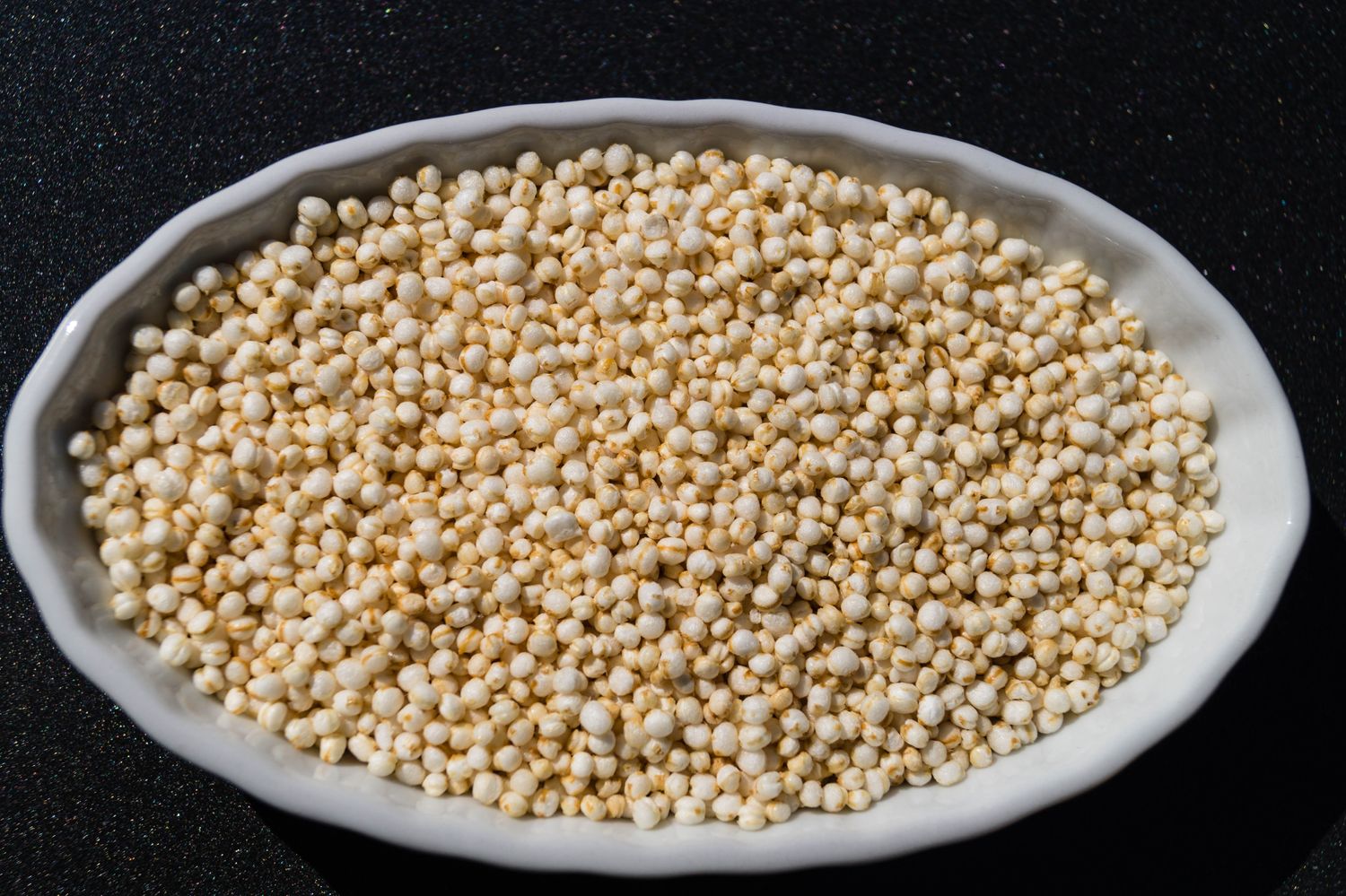
Many individuals today are embracing a gluten-free lifestyle due to various reasons, such as allergies, intolerances, or celiac disease. For those diagnosed with celiac disease, finding delicious and nutritious alternatives to gluten-containing grains can be quite challenging. However, there is a hidden gem that stands out among the rest—millet. This versatile and ancient grain has gained popularity in recent years, not only for its impressive nutritional profile but also for its exceptional suitability for those with celiac disease.
Millet, often overlooked, is a grain that has been cultivated for thousands of years. It offers a plethora of health benefits while remaining gluten-free. Due to its unique composition, millet can serve as a game-changer for individuals with celiac disease. In fact, this grain is naturally gluten-free and can be substituted for gluten-containing grains in a wide range of recipes. From fluffy pancakes to scrumptious bread, millet flour is a smart choice for those yearning to enjoy their favorite dishes without compromising their health.
One of the significant advantages of millet is its exceptional nutrient density. Packed with essential vitamins and minerals, millet serves as an excellent source of carbohydrates, fiber, and protein, making it a valuable addition to a balanced diet. Moreover, millet contains high levels of antioxidants, known for their role in reducing inflammation and combating oxidative stress. By incorporating millet into their meals, individuals with celiac disease can benefit from both its gluten-free nature and its impressive nutritional content.
Beyond its nutritional value, millet offers a distinct texture and flavor that adds depth and excitement to any dish. Its mild and slightly nutty taste pairs well with a variety of ingredients, allowing for endless culinary exploration. Whether you’re planning to whip up a hearty pilaf, a delectable salad, or even a comforting bowl of porridge, millet’s versatile nature makes it a perfect canvas for culinary creations. Say goodbye to dull meals and savor the flavors of millet!
It is worth mentioning that millet is not just a great choice for those with celiac disease—it also contributes to sustainable and eco-friendly farming practices. Compared to other grains, millet requires less water, fertilities, and pesticides to grow. By choosing millet, individuals can make an environmentally conscious decision that supports a more sustainable food system. A small change in grain selection can make a huge impact on both personal health and the health of our planet.
In conclusion, millet holds enormous promise as a smart choice for individuals with celiac disease. With its gluten-free nature, impressive nutritional content, unique taste, and sustainable farming practices, millet is a powerhouse grain that provides a wealth of benefits. So, the next time you’re planning your meals, consider adding millet to your shopping list. Explore the possibilities, nourish your body, and indulge in the deliciousness of this remarkable ancient grain. After all, there’s no reason why gluten-free eating can’t be enjoyable and nutritious!
Introduction
Millet, a small whole grain cultivated for thousands of years, has gained significant attention in recent years for its health benefits. This article explores the advantages of including millet in the diet of individuals with celiac disease, a condition where consuming gluten can cause damage to the small intestine.
While traditional gluten-free grains like rice and corn are commonly consumed, millet offers a versatile and nutritious alternative that is well-suited for those on a gluten-free diet. Let us delve deeper into why millet deserves to be a smart choice for individuals managing celiac disease.
Nutritional composition of millet
Millet is a nutrient-dense grain that supplies essential vitamins and minerals required for overall health. It is particularly rich in magnesium, which is crucial for optimal nerve and muscle function, as well as bone health. Moreover, millet is a good source of fiber, which promotes digestive health and aids in maintaining a healthy weight.
In addition to its mineral and fiber content, millet also contains beneficial phytochemicals such as antioxidants, phenolic compounds, and lignans. These compounds have been linked to reducing the risk of chronic diseases such as heart disease, cancer, and diabetes.
Naturally gluten-free
A primary concern for individuals with celiac disease is avoiding gluten, a protein present in many grains. Fortunately, millet is naturally gluten-free and can be a safe and nutritious option for those following a gluten-free diet. It is an excellent source of complex carbohydrates that provide sustained energy, making it an ideal choice for individuals with celiac disease.
Millet’s gluten-free nature also makes it suitable for individuals with gluten sensitivity or wheat allergies, expanding its potential benefits to a broader population with various dietary needs.
Digestive health benefits
Celiac disease often leads to digestive issues such as bloating, constipation, and diarrhea. As millet is rich in fiber, it supports healthy digestion and helps alleviate these symptoms. The fiber in millet acts as a prebiotic, feeding beneficial gut bacteria and supporting a balanced microbiome, which is essential for overall gut health.
The high fiber content in millet also aids in regulating blood sugar levels, preventing abrupt spikes and crashes that may be detrimental to individuals with celiac disease.
Rich in antioxidants
Antioxidants play a vital role in combating oxidative stress and reducing inflammation in the body. Millet contains various antioxidants, including quercetin, curcumin, ellagic acid, and catechins. These compounds help protect cells and tissues from damage, contributing to overall well-being and potentially reducing the risk of chronic diseases associated with inflammation.
By incorporating millet into their diet, individuals with celiac disease can benefit from the anti-inflammatory properties of these antioxidants, supporting their body’s healing and recovery processes.
Easy to incorporate into the diet
Introducing millet into a gluten-free diet is simple and enjoyable. It can be used in numerous ways, from being cooked as a side dish, added to salads, soups, or stews, to even being ground into gluten-free flour for baking. Millet provides a pleasant, nutty flavor that enhances various recipes while providing its nutritional benefits.
Its versatility and ease of cooking make millet a practical choice for individuals with celiac disease, enabling them to enjoy diverse and satisfying meals without compromising taste or nutrition.
Cooking millet: Tips and ideas
Cooking millet requires a basic understanding of the grain’s preparation. It is crucial to rinse millet thoroughly before cooking to remove any debris or bitterness. Once cleaned, combine one part millet with two and a half parts water or broth, bring it to a boil, then reduce heat and simmer for approximately 20 minutes or until the grains become tender.
Millet can be used as a substitute for rice, quinoa, or couscous in various recipes. Try incorporating cooked millet into salads, pilafs, or even as a base for stir-fries. Alternatively, grind millet into flour and utilize it in gluten-free baking recipes, such as cookies, bread, or pancakes, opening up a whole realm of culinary possibilities.
Conclusion
For individuals with celiac disease, millet offers a gluten-free and nutrient-rich alternative to conventional grains. Its ample nutritional composition, easy accessibility, and versatility in cooking make it an excellent choice for individuals seeking to manage their celiac disease while enjoying a varied and satisfying diet. By including millet in their meals, individuals with celiac disease can enhance their overall health, support digestive well-being, and ensure their nutritional requirements are met.
Summary
Many people are turning to a gluten-free lifestyle due to allergies, intolerances, or celiac disease. For those with celiac disease, finding tasty and nutritious alternatives can be difficult. However, millet is a hidden gem that stands out among the rest. This ancient grain is gluten-free and can be substituted for gluten-containing grains in a variety of recipes. Millet is nutrient-dense, packed with vitamins, minerals, antioxidants, and fiber. It also offers a unique texture and flavor that adds depth to dishes. Additionally, choosing millet supports sustainable farming practices. Overall, millet is a smart choice for those with celiac disease and offers numerous health benefits.
FAQ
What is millet and why is it a good choice for those with celiac disease?
Millet is a gluten-free grain that is a smart choice for individuals with celiac disease. It is a small, round grain that has been cultivated for thousands of years and is known for its nutritional benefits. Millet is an excellent source of fiber, protein, and essential minerals such as magnesium and phosphorus. It is also high in antioxidants and contains a good amount of B vitamins. Moreover, millet is easy to digest and does not contain gluten, which is beneficial for individuals with celiac disease as it helps them avoid triggering symptoms and inflammation associated with gluten consumption.
How can millet be incorporated into a gluten-free diet for those with celiac disease?
Incorporating millet into a gluten-free diet for individuals with celiac disease is relatively simple. Millet can be cooked easily and used as a substitute for grains that contain gluten, such as wheat, barley, and rye. Millet can be prepared in various ways, including boiling, steaming, or even roasting. It can be used as a base for grain salads, as a side dish like rice or quinoa, or as an ingredient in soups, stews, and casseroles. Millet flour can also be used in gluten-free baking to make bread, pancakes, or muffins. When incorporating millet into a gluten-free diet, it is essential to ensure that the product is certified gluten-free and avoid cross-contamination to maintain a strictly gluten-free diet.
Are there any potential health benefits of consuming millet for individuals with celiac disease?
Yes, consuming millet can provide several health benefits to individuals with celiac disease. Firstly, millet is a gluten-free grain, so it allows those with celiac disease to enjoy a varied diet without risking gluten-related symptoms and complications. Secondly, millet is an excellent source of fiber, which is beneficial for individuals with celiac disease as it promotes healthy digestion and helps prevent constipation, which can be a common issue for those with the condition. Additionally, millet is rich in antioxidants that help protect the body against oxidative stress and inflammation. The high protein content in millet also assists in muscle growth and repair. It is worth noting that millet is a healthy addition to a well-balanced diet for individuals with celiac disease, but it should not replace other important nutrients from various food groups.
Are there any precautions or considerations when consuming millet as a person with celiac disease?
While millet is a smart choice for those with celiac disease, there are some precautions and considerations to keep in mind. First and foremost, it is important to ensure that the millet products are certified gluten-free, as cross-contamination can occur during processing. Secondly, it is vital to introduce millet into the diet gradually, as sudden drastic changes in diet can potentially lead to digestive discomfort. Additionally, consuming millet in excessive amounts can cause bloating and gas in some individuals. Therefore, it is essential to listen to your body and practice moderation when incorporating millet into your gluten-free diet. Finally, it is always recommended to consult with a healthcare professional, such as a registered dietitian, to ensure that millet complements your overall dietary needs and goals, especially if you have any specific health concerns or conditions in addition to celiac disease.