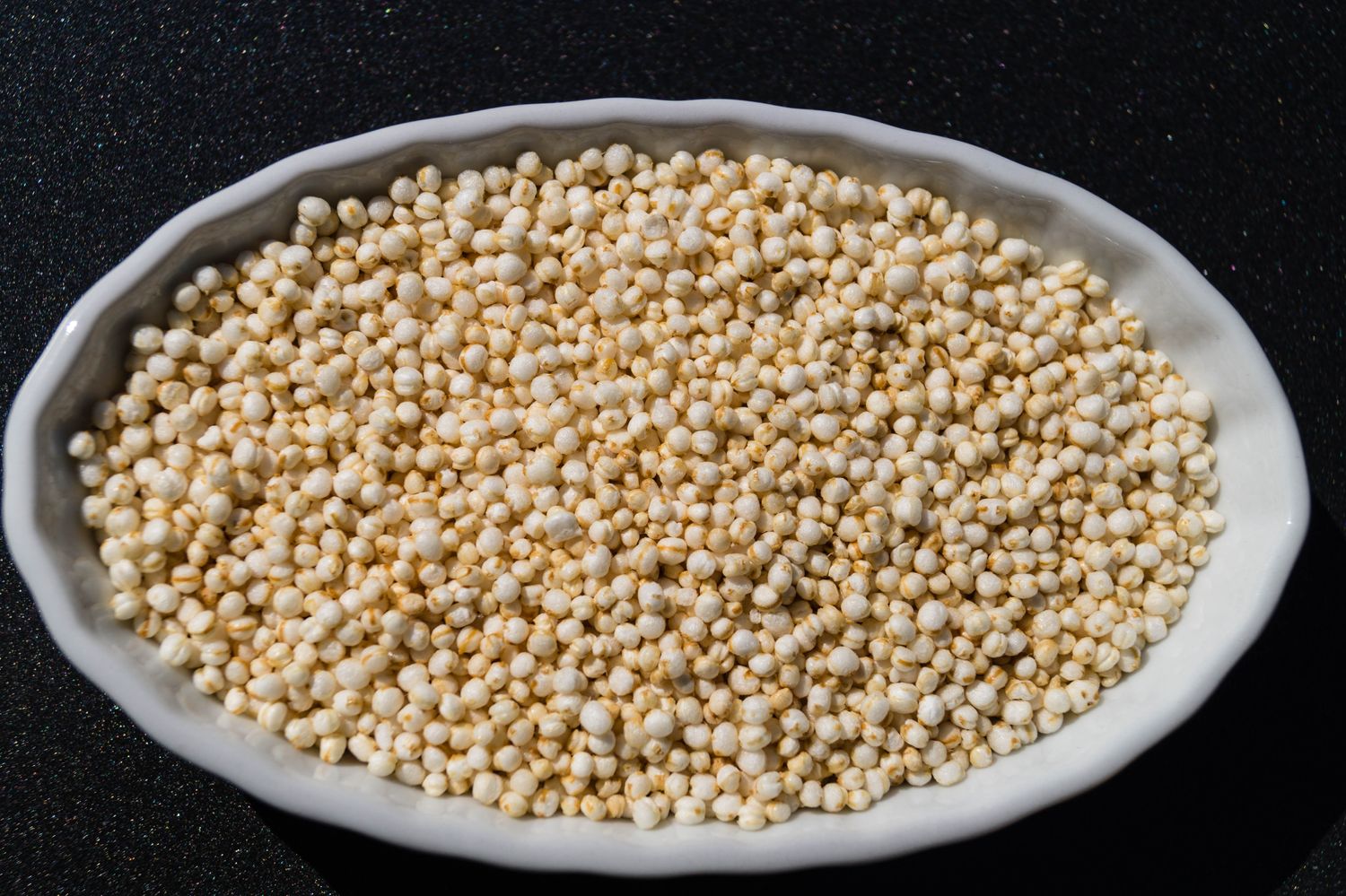
Millets, a group of ancient grains, have been gaining popularity as a healthier and eco-friendly alternative to traditional staple crops. These grains have a rich history dating back thousands of years, with evidence of their cultivation found across various civilizations. From Africa to Asia, millets have been a staple food for communities, providing sustenance and nourishment. Now, in the face of environmental challenges and growing health concerns, millets are making a remarkable comeback. Their distinct nutritional profile, low water requirements, and versatility in cooking make them an excellent choice for those seeking a sustainable and wholesome dietary option.
Diving into the realm of nutrition, millets boast an impressive array of health benefits. Packed with essential nutrients like fiber, vitamins, and minerals, they can help boost immunity, support digestion, and promote overall well-being. What truly sets millets apart is their gluten-free nature, making them a viable choice for individuals with gluten sensitivities or celiac disease. Moreover, these grains possess a low glycemic index, which means they help regulate blood sugar levels and reduce the risk of diabetes. With such remarkable nutritional value, it is no wonder that health-conscious individuals are increasingly turning to millets for a healthier diet.
Beyond their nutritional prowess, millets are also celebrated for their minimal environmental impact. Traditional staple crops like wheat and rice require a substantial amount of water and are often grown using unsustainable agricultural practices. In contrast, millets are renowned for their resilience in arid regions, showcasing their ability to thrive with minimal water resources. This feature makes them an attractive alternative in the face of climate change and water scarcity. By incorporating millets into our diets, we can contribute towards sustainable agriculture and reduce our ecological footprint—a small step with great potential.
One cannot overlook the versatile nature of millets in cooking. From fluffy idlis to hearty salads, millets can be transformed into a myriad of dishes, catering to all taste preferences. Their mild, earthy flavor provides a delightful canvas for experimenting with different spices, herbs, and ingredients. Whether you are seeking a hearty breakfast, a fulfilling lunch, or a scrumptious dinner, millets offer countless possibilities to satisfy your culinary cravings. Moreover, with their growing popularity, numerous recipes and cooking tips are readily available, ensuring that incorporating millets into your diet is an enjoyable and effortless experience.
As demand for millets grows, it becomes crucial to support and promote small-scale farmers who cultivate these ancient grains. By choosing to consume millets, we can contribute to the livelihoods of these farmers, who often face challenges due to the dominance of commercial crops. Supporting sustainable and ethical farming practices not only empowers local communities but also strengthens the movement towards a more sustainable food system. So, the next time you reach for your favorite grain, consider making the switch to millets and become a part of this positive change.
In conclusion, millets offer a plethora of benefits that make them an appealing choice for a healthier and eco-friendly diet. With their exceptional nutritional value, low water requirements, and versatility in cooking, millets have the potential to revolutionize our approach to agriculture and food consumption. By embracing millets, we embark on a journey towards sustainability, longevity, and mindful eating—a journey that can make a significant difference in our lives and in the world around us. So, let us celebrate and rediscover the wonders of millets, this exquisite grain alternative that nourishes our bodies and nourishes the planet.
1. Introduction to Millets
Millets, often referred to as ancient grains, are a group of small-seeded grasses that have been cultivated for thousands of years. While they have been overshadowed by major grains such as rice and wheat in recent times, millets are gaining popularity all over the world due to their exceptional nutritional value and sustainable cultivation methods.
These grains are known for their versatility, adaptability, and drought-resistant nature. They are commonly grown in semiarid regions of Asia and Africa, and they require significantly less water and fewer pesticides compared to other conventional crops. This makes millets an excellent option for sustainable farming and reducing environmental impact.
2. Nutritional Benefits of Millets
Millets are packed with various essential nutrients, making them a highly nutritious grain alternative. They are rich in dietary fiber, protein, vitamins, and minerals such as iron, magnesium, and phosphorus. Incorporating millets into your diet can contribute to improved digestion, weight management, and reduced risk of chronic diseases like diabetes, cardiovascular conditions, and certain types of cancer.
The high fiber content in millets helps promote healthy digestion, prevent constipation, and maintain a healthy weight. Moreover, these grains have a low glycemic index, making them ideal for individuals with diabetes or those seeking to regulate blood sugar levels. Millets are also gluten-free, making them an excellent choice for individuals with gluten sensitivities or celiac disease.
3. Different Types of Millets
There are several types of millets, each with its own unique taste, texture, and culinary uses. Some common types include pearl millet (bajra), foxtail millet, finger millet (ragi), and sorghum. Pearl millet is widely consumed in Africa and India and is often ground into flour for making flatbreads. Foxtail millet is a versatile grain used in various traditional dishes, while finger millet is known for its exceptional nutritional benefits. Sorghum, on the other hand, is popular for its resilience to harsh climates and is commonly used as animal feed.
These different types of millets offer a wide range of options for inclusion in diverse recipes. They can be used in the form of whole grains, flours, puffed grains, or even as millet-based beverages. Their distinctive flavors and textures add a delightful twist to meals, making them highly adaptable in both sweet and savory dishes.
4. Environmental Benefits of Millet Cultivation
Millet cultivation provides numerous ecological advantages. Due to their ability to grow in arid conditions with minimal water requirements, millets reduce the strain on water resources. They also have a natural resistance to pests and diseases, making them less dependent on chemical pesticides and insecticides.
Additionally, millets contribute to biodiversity preservation by supporting various insects, birds, and other wildlife. The deep-rooted nature of these crops helps improve soil structure and prevents soil erosion, making them ideal for sustainable farming practices. By opting for millets, we can reduce the ecological footprint associated with conventional grain production while maintaining food security.
5. Incorporating Millets into Your Diet
Introducing millets into your diet can be a beneficial step towards a healthier lifestyle. They serve as a great substitute for rice, wheat, or other grains, offering enhanced nutritional value and dietary diversity. You can start by gradually replacing a portion of your regular grain intake with millets and exploring various recipes that incorporate these ancient grains.
Millets can be used to prepare porridge, salads, pilaf, bread, pancakes, and even desserts. By combining millets with an assortment of vegetables, legumes, and spices, you can create delicious and wholesome meals that are both nutritious and sustainable.
6. Millets as a Solution to Food Security
In a world facing various challenges related to climate change, water scarcity, and population growth, millets offer a promising solution to achieve food security. Their ability to thrive in harsh conditions, coupled with their nutritional richness and lower environmental impact, makes them an ideal grain alternative.
By promoting millet cultivation and consumption, we can diversify our food sources, increase resilience to climate change, and reduce pressure on traditional grains. Incorporating millets into our diets not only benefits individual health but also supports sustainable agriculture and contributes to global food security.
7. Government Initiatives and Promoting Millets
Recognizing the importance of millets for both health and the environment, several governments and agricultural organizations have taken initiatives to promote their cultivation and consumption. These initiatives include raising awareness about millet benefits, offering subsidies to farmers, supporting research and development, and incorporating millets into public welfare programs.
Moreover, events like Millet Festivals and Millet Melas are organized to showcase the diversity of millets, provide cooking demonstrations, and facilitate knowledge sharing among farmers, consumers, and food enthusiasts. By supporting such initiatives and creating demand for millets, we can encourage sustainable farming practices, boost farmer incomes, and pave the way for a healthier and more eco-friendly future.
8. Conclusion
Millets are not just a grain alternative but a sustainable solution towards a healthier and environmentally conscious world. Their nutritional benefits, adaptability, and compatibility with sustainable farming practices make them indispensable for promoting food security and reducing the ecological footprint associated with conventional grain production.
Integrating millets into our diet can improve our well-being, support local farmers, and contribute to the preservation of our planet’s resources. By embracing millets as a healthier and eco-friendly grain alternative, we can create a positive impact on our personal health, community well-being, and the sustainability of our planet.
Summary
Millets, ancient grains with a rich history, are gaining popularity as a healthier and eco-friendly alternative to traditional staple crops. They have numerous health benefits, including boosting immunity, supporting digestion, and regulating blood sugar levels. Millets are gluten-free and have a low glycemic index, making them suitable for individuals with gluten sensitivities or celiac disease. They also have a minimal environmental impact compared to crops like wheat and rice, requiring less water and thriving in arid regions. Millets are versatile in cooking, and their growing popularity means there are many recipes and cooking tips available. By choosing to consume millets, we can support small-scale farmers and contribute to a more sustainable food system.
FAQ
What are millets and why are they considered a healthier grain alternative?
Millets are a group of small-seeded grasses that are widely cultivated and consumed as staple foods in many parts of the world. They include varieties like sorghum, finger millet, pearl millet, and foxtail millet, among others. Millets are considered a healthier grain alternative due to their rich nutritional profile. They are high in fiber, vitamins, and minerals, such as magnesium, phosphorus, and iron. Millets are also gluten-free, making them suitable for individuals with gluten intolerance or celiac disease. Furthermore, millets have a lower glycemic index compared to other grains, which means they release sugar into the bloodstream at a slower pace, helping maintain steady blood sugar levels. Additionally, millets contain antioxidants, which have been associated with various health benefits, including reduced risk of chronic diseases.
Are millets environmentally friendly?
Yes, millets are considered an eco-friendly grain alternative. Millet crops have low water requirements compared to staple grains like rice and wheat, making them well-suited for cultivation in semi-arid regions. Millets are drought-tolerant and can thrive in conditions of low rainfall, reducing the pressure on water resources. Additionally, these crops generally require fewer pesticides and fertilizers, reducing the environmental load associated with their cultivation. Millets also have a shorter growing cycle compared to other grains, allowing farmers to effectively use them as part of crop rotation strategies, which further contributes to the overall sustainability of agricultural practices. Overall, incorporating millets into our diets helps promote sustainable agriculture and reduces the environmental impact of the food system.
Can millets be easily included in our everyday diet?
Yes, millets are versatile and can be easily included in our everyday diet. They can be prepared and consumed in various forms, such as whole millets, flour, or flakes. Whole millets can be cooked similarly to rice or quinoa and used as a base for various dishes, including salads, soups, stir-fries, and pilafs. Millet flour, on the other hand, can be used to make gluten-free bread, pancakes, cookies, or rotis. Millet flakes can be used as a substitute for oats in breakfast cereals or be added to smoothies for an extra nutritional boost. Additionally, millets can be used to make traditional dishes like millet porridge or millet-based desserts. With a little creativity and exploration, it is easy to incorporate millets into our daily meals and enjoy their health benefits.
Are there any potential challenges or considerations when switching to millets?
While millets offer numerous health benefits and are environmentally friendly, there are a few considerations when transitioning to them. First, it’s important to diversify millet consumption by incorporating different varieties to ensure a balanced nutrient intake. Each millet variant has its own unique set of nutritional attributes, so it is advisable to experiment with a variety of millets in order to obtain a broader range of nutrients. Secondly, millets might have a different taste and texture compared to more commonly consumed grains, which might require some adjustment in meal preparation and cooking techniques. Lastly, individuals with certain health conditions, such as kidney stones or thyroid disorders, may need to consult their healthcare provider before incorporating millets into their diet, as specific millet varieties might require moderation or avoidance in these cases. Overall, it is important to be mindful of individual needs and preferences when considering the switch to millets.