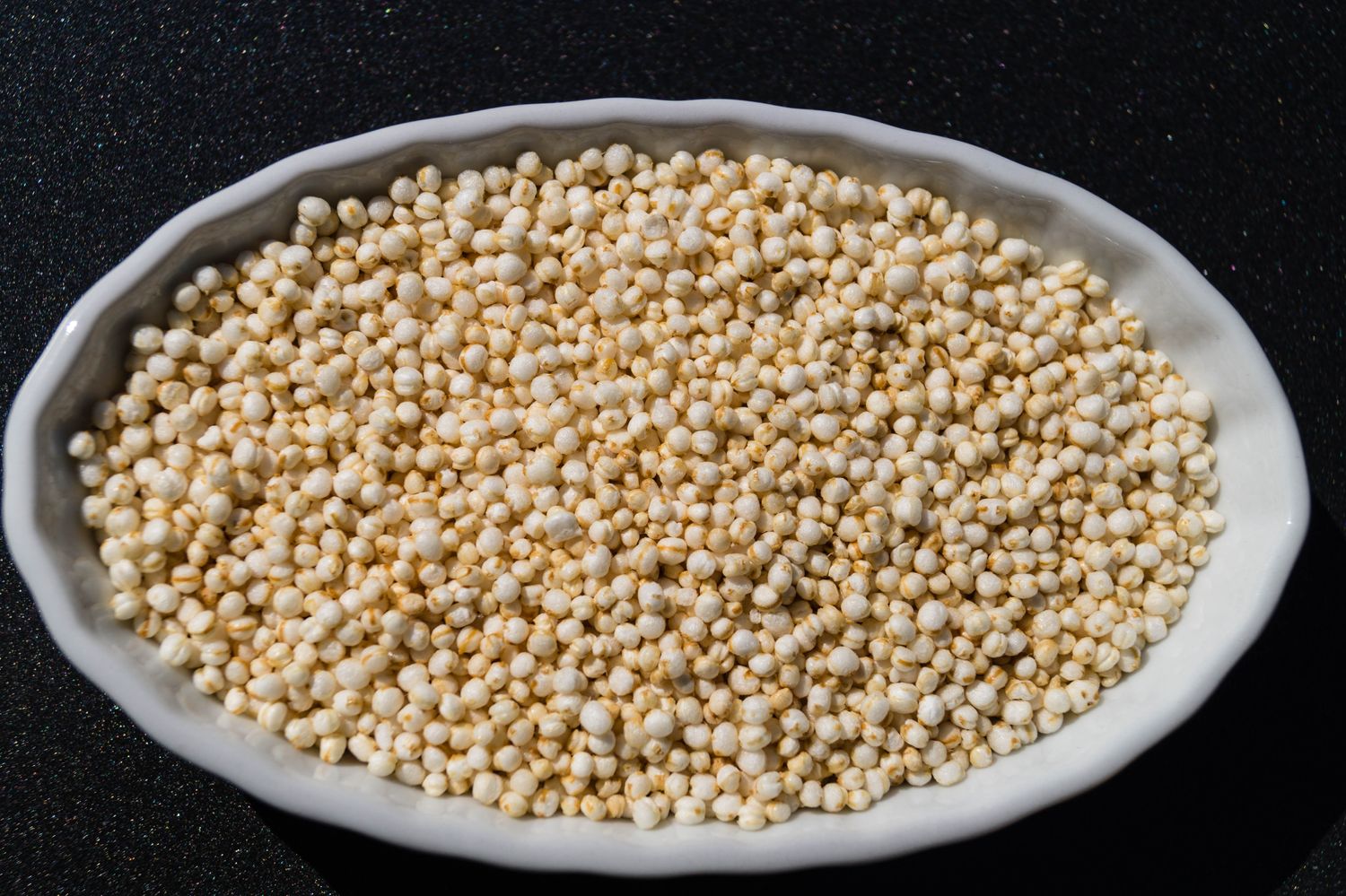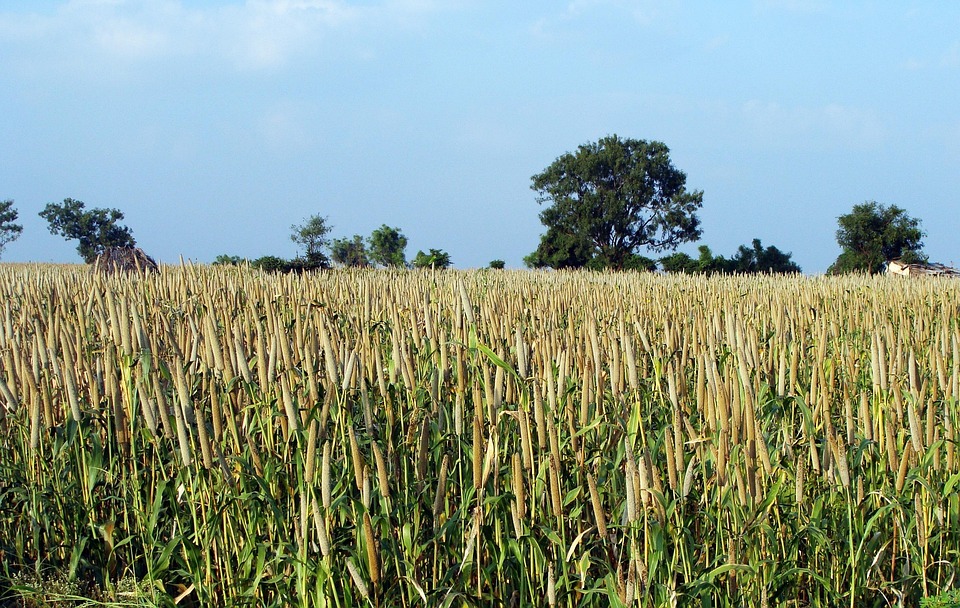
In the wide expanse of sun-drenched fields, where the gentle sway of golden crops blankets the earth, lies a lesser-known hero of the agricultural world: millet. This gluten-free grain, often overshadowed by its more popular counterparts like wheat and rice, holds immense potential for farmers seeking sustainable and profitable crop alternatives. But how does one successfully cultivate this humble yet remarkable crop? Who better to learn from than the experienced farmers who have spent years honing their craft? Brimming with wisdom and time-honored techniques, these remarkable individuals possess a wealth of knowledge that can unlock the secrets to thriving millet harvests, even for the novice farmer. Join us as we dive into the invaluable tips and insights gleaned directly from the fields of these seasoned agriculturalists.
Picture yourself standing amidst a vast expanse of millet fields, the aroma of fresh grain dancing through the crisp air. As the sun’s gentle rays caress your skin, you marvel at the simplicity and resilience of this remarkable crop. To embark on this journey towards successful millet cultivation, you must first lay a solid foundation by selecting the optimal variety for your region. Experienced farmers testify to the distinct characteristics of various millet species, highlighting their adaptability to diverse climates and soils. Whether it’s the drought-tolerant nature of pearl millet or the cold-hardiness of foxtail millet, understanding the unique needs of each variety serves as the gateway to a bountiful harvest.
A critical aspect that sets millet apart from more common grains is its remarkable ability to grow with minimal inputs. The adaptable nature of this crop offers farmers a unique opportunity to promote sustainable farming practices. As experienced agriculturists emphasize, a crucial step towards successful millet cultivation involves optimizing soil health through organic matter enrichment and efficient water management. By embracing these environmentally friendly practices, not only do farmers reduce their ecological footprint, but they also unlock the crop’s true potential, yielding healthier, more robust plants.
While millet may possess an innate resilience, it is not impervious to nature’s whims. Ensuring optimal growing conditions and protecting crops from natural hazards remain fundamental to successful harvests. Experienced farmers shed light on the importance of timely planting, meticulously planned irrigation, and vigilant pest control. These experts advocate for thorough research on regional pests and diseases, allowing farmers to develop tailored strategies to shield their precious crops. Through a delicate balance of organic pesticides and innovative techniques, farmers can ensure their millet flourishes while minimizing harm to the surrounding ecosystem.
The beauty of cultivating millet lies not only in its ecological benefits but also in its versatility as a culinary staple. Farmers who have embraced this ancient grain as their own highlight its diverse uses and the lucrative markets it taps into. Millet’s gluten-free and nutrient-rich nature has catapulted it into the health food scene, captivating the palates of health-conscious consumers worldwide. As knowledgeable farmers share their vast experiences, they reveal the subtle nuances between different types of millet and the culinary wonders they can create. From warm and comforting millet porridge to delectable rotis and bread, millet’s potential as a culinary delight knows no bounds.
Now that the stage is set for a successful millet harvest, it’s time to delve into the nitty-gritty of planting and nurturing this remarkable grain. Experienced farmers enthusiastically share their tried and tested techniques, acquired through years of honing their skills. They emphasize the significance of precise sowing depths, optimal plant spacing, and efficient weed management. Their wealth of knowledge proves invaluable when it comes to combating the challenges of crop establishment and enhancing overall yield potential. By assimilating these invaluable tips into their agricultural practices, both experienced and novice farmers can cultivate millet with confidence and reap the rewards.
Successful millet cultivation extends beyond the simple act of growing grain; it’s a testament to the harmony between human ingenuity and nature’s abundant offerings. These seasoned farmers, with their years of dedication to the craft, are the guardians of a timeless tradition, weaving the rich tapestry of agricultural heritage. Their passion, resilience, and unwavering commitment to sustainable practices make them the torchbearers of a flourishing millet revolution. So, with soil-stained hands, open hearts, and minds filled with curiosity, let us embark on a journey to unlock the secrets, wisdom, and bountiful harvests hidden within the world of millet.
1. Understanding Millet
Millet is a versatile and resilient crop that has been grown for centuries in various parts of the world. It belongs to the grass family and is known for its small, nutrient-rich grains. Understanding the different types of millet, such as pearl millet, foxtail millet, and finger millet, is crucial as each variety has its own unique requirements and growth patterns.
Experienced farmers suggest conducting thorough research to identify the millet variety that is best suited for your climate, soil type, and farming practices. This will enable you to make informed decisions about the entire cultivation process, including soil preparation, planting, and harvesting.
2. Selecting the Right Location
The success of millet cultivation largely depends on selecting the right location for growth. Millet crops generally thrive in regions with warm climates and a moderate amount of rainfall. It is important to choose a location that receives adequate sunlight as millet plants require ample sunlight for proper growth and grain production.
Farmers recommend avoiding areas prone to waterlogging, as excessive moisture can damage the plants and negatively impact their yield. Furthermore, selecting a location with proper wind circulation and minimal shading is beneficial for preventing the growth of pests and diseases.
3. Preparing the Soil
Prior to planting millet, it is necessary to prepare the soil to provide the best growing conditions for the crop. Millet thrives in well-drained soils with a pH level ranging from 5.5 to 8.5, so it is essential to test the soil and make any necessary amendments.
Experienced farmers advise incorporating organic matter, such as compost or manure, into the soil to enhance its fertility and overall texture. Additionally, proper soil preparation includes removing any weeds or unwanted vegetation that may compete with the millet plants for nutrients and resources.
4. Planting Techniques
Successful millet cultivation relies on adopting appropriate planting techniques. Farmers generally recommend planting millet seeds directly into the soil rather than transplanting seedlings. The planting depth should be around 2-3 cm, and the seeds should be spaced appropriately to ensure optimum growth.
Millet plants require a sufficient amount of moisture during their initial stages. It is advised to water the seeds immediately after planting and maintain consistent watering until the seedlings establish themselves. Depending on the millet variety and climate, farmers may also suggest using mulch as a protective layer to retain soil moisture.
5. Proper Nutrient Management
To promote healthy growth and maximize millet yield, farmers emphasize the importance of proper nutrient management. Millet crops typically benefit from balanced fertilizers that provide essential macronutrients like nitrogen, phosphorus, and potassium.
Applying the appropriate fertilizer mix at different stages of the crop’s growth can influence yield outcomes significantly. Experienced farmers suggest conducting regular soil tests to monitor the nutrient levels and adjusting the fertilizer application accordingly. Utilizing organic fertilizers alongside conventional ones helps maintain soil fertility in the long run.
6. Controlling Pests and Diseases
Managing pests and diseases is crucial for a successful millet harvest. Common pests that can affect millet crops include stem borers, earhead bugs, and grasshoppers. Farmers employ various pest control strategies, such as crop rotation, intercropping, and the use of natural predators or organic pesticides to combat these threats.
In terms of diseases, millet can be susceptible to fungal infections like mildew and rust. Farmers suggest keeping a close eye on plant health, practicing proper drainage, and timely spraying of suitable fungicides to mitigate the risk of disease outbreaks.
7. Irrigation and Water Management
Proper irrigation and water management techniques are vital for millet cultivation, especially in regions with limited water availability. Farmers recommend implementing irrigation systems like drip irrigation or furrow irrigation to efficiently deliver water to the plants’ root zone.
However, it is important to strike a balance as millet can also suffer from overwatering. Experienced farmers suggest monitoring the soil moisture levels regularly and adjusting irrigation schedules accordingly to avoid waterlogging and root diseases.
8. Harvesting and Post-Harvest Practices
Finally, understanding the proper harvesting and post-harvest techniques plays a crucial role in achieving successful millet cultivation. Millet plants are typically ready for harvest when the grains have turned from green to a golden-yellow color. Farmers recommend conducting sample tests by rubbing the grains against each other to determine the desired moisture content for effective threshing and storage.
After harvesting, it is advisable to dry the millet grains thoroughly before storage to prevent mold growth. Proper storage conditions, such as using airtight containers in a cool and dry place, help maintain the grains’ quality and prevent pest infestations.
Summary
Millet, a lesser-known grain overshadowed by wheat and rice, has immense potential for sustainable and profitable crop alternatives. Experienced farmers hold wisdom and time-honored techniques that can unlock the secrets to successful millet cultivation. Selecting the optimal variety, optimizing soil health, and protecting crops from natural hazards are crucial steps. Millet’s versatility as a culinary staple, with its gluten-free and nutrient-rich nature, has captured the health food scene. Farmers share tips on planting, nurturing, and combating challenges to enhance overall yield potential. Successful millet cultivation is a testament to the harmony between human ingenuity and nature’s offerings, and these farmers are the torchbearers of a flourishing millet revolution.
FAQ
How do I choose the right variety of millet to grow?
Selecting the right variety of millet to grow largely depends on your specific goals and growing conditions. Factors like climate, soil type, and intended use of the millet play a significant role in determining the suitable variety. Be sure to research different millet varieties to find ones that thrive in your region and meet your requirements. Consider factors such as drought tolerance, disease resistance, maturity period, and yield potential. Additionally, consult experienced farmers or local agricultural experts who can advise you on the best millet varieties for your specific conditions.
What are the key soil requirements for successful millet cultivation?
Millet can adapt to various soil types, but for optimal growth, it prefers well-drained soils with a pH range of 5.0 to 8.0. Adequate soil fertility is crucial for millet cultivation, so before planting, it’s recommended to conduct a soil test to identify any deficiencies. Typically, millet requires nitrogen, phosphorus, and potassium. Organic matter or compost can help improve soil structure and fertility. Additionally, millet prefers soils with good water-holding capacity but should not be excessively waterlogged. Ensure proper soil preparation by removing weeds and ensuring sufficient moisture in the soil before sowing the seeds.
How frequently should millet be watered, and what are the irrigation requirements?
Millet is known for its ability to withstand drought conditions and is often grown in semi-arid regions. However, regular and timely watering is crucial in the initial stages of growth. After sowing the seeds, ensure the field is adequately irrigated to facilitate germination. Once the millet is established, it requires less water. Generally, a weekly irrigation schedule of 1-2 inches of water is sufficient for millet growth, but it may vary depending on factors such as weather conditions, soil type, and stage of growth. Overwatering should be avoided to prevent waterlogging, which can harm the crop.
Can millet be intercropped with other crops, and what are the benefits of intercropping?
Yes, millet can be intercropped with other crops, which can provide numerous benefits. Intercropping with legumes like cowpeas or soybeans can enhance soil fertility as these plants fix nitrogen in the soil. The tall and dense millet canopy also helps suppress weed growth, reducing the need for herbicides. Additionally, intercropping millet with legumes or other crops can optimize land use and increase overall farm productivity. However, it’s important to select suitable companion crops that have similar growth requirements and do not compete excessively for resources. Proper crop management practices, such as adjusting fertilizer and irrigation levels, are necessary for successful intercropping.